
Large Format Landscape Photography: Traditional Film Techniques
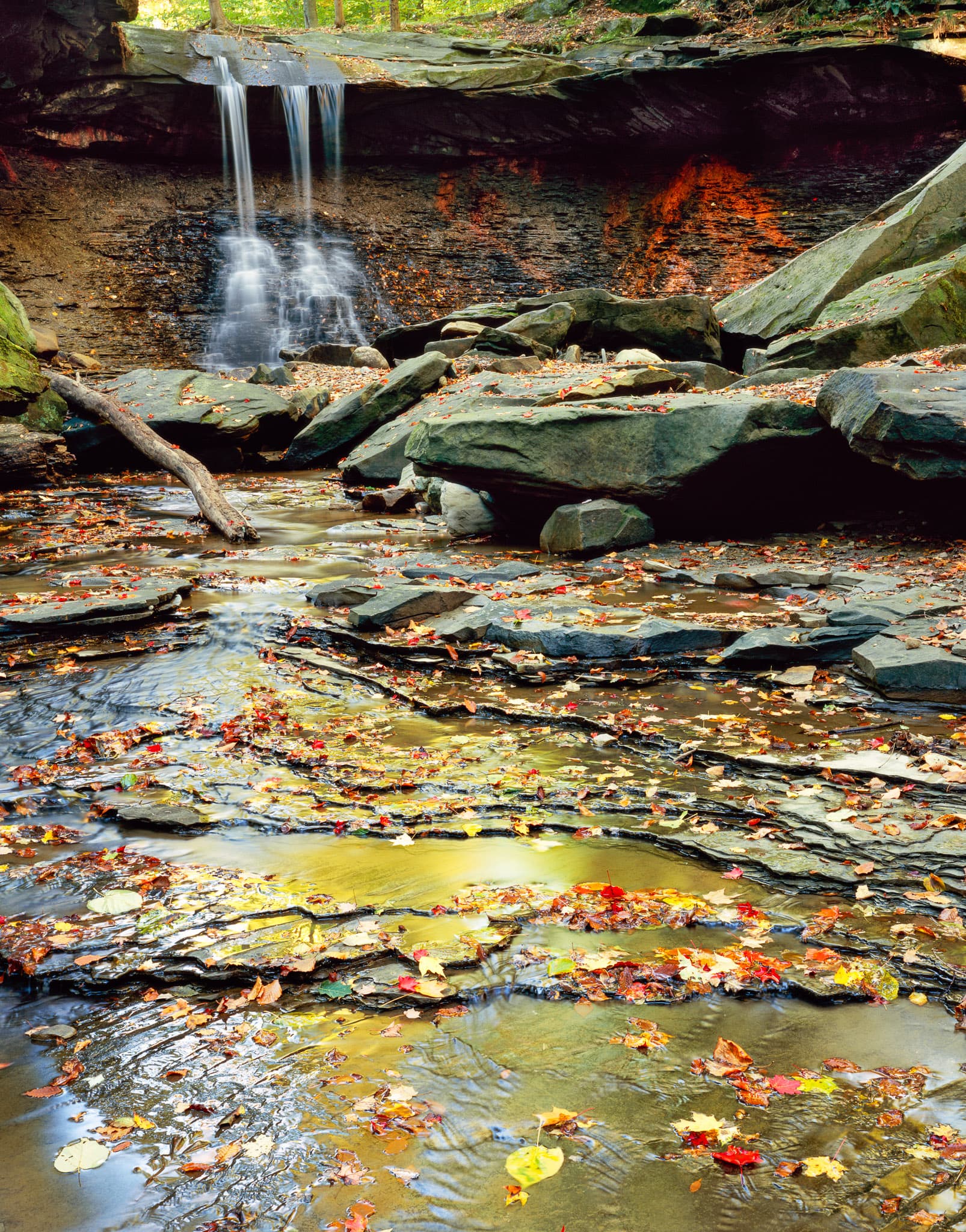
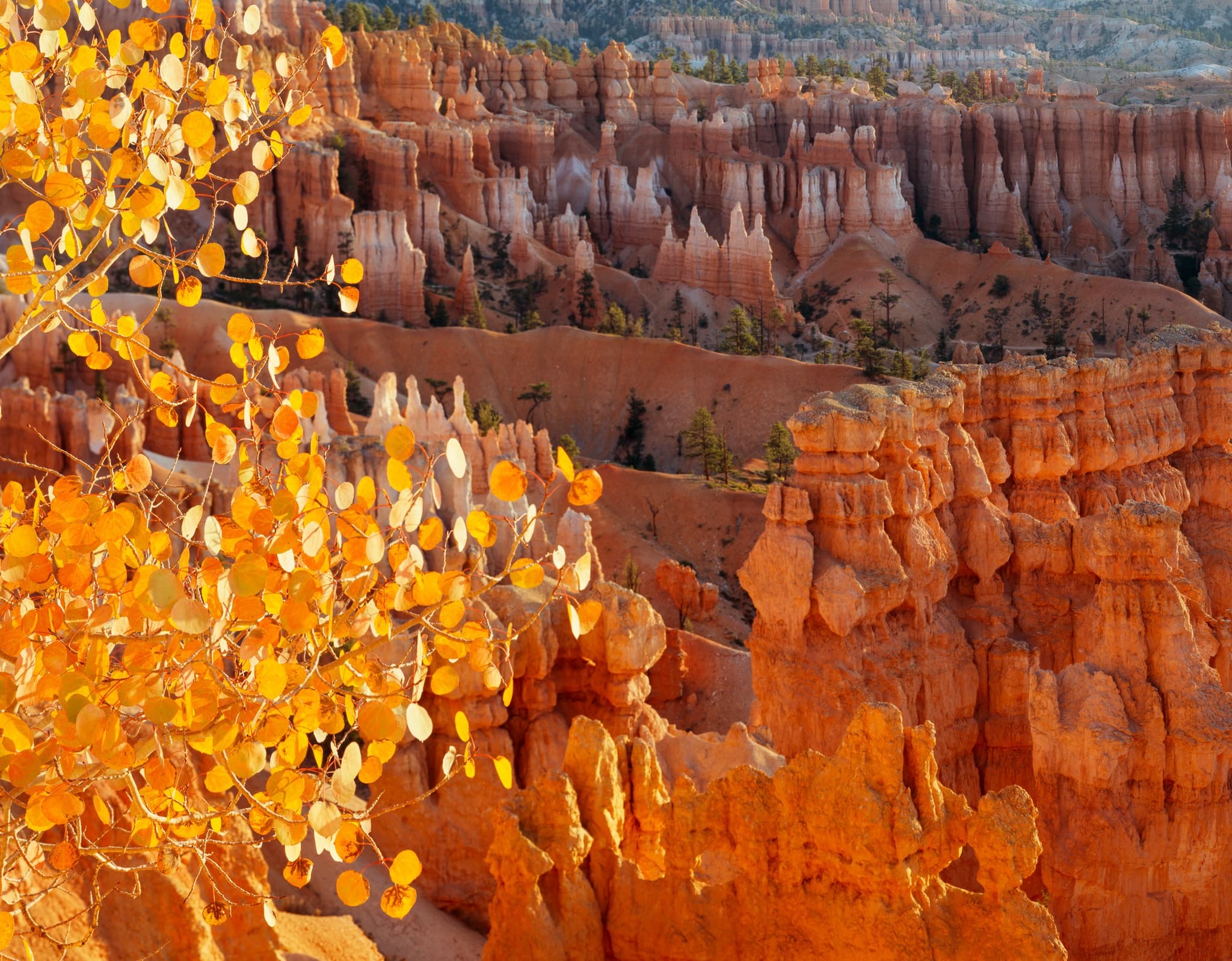
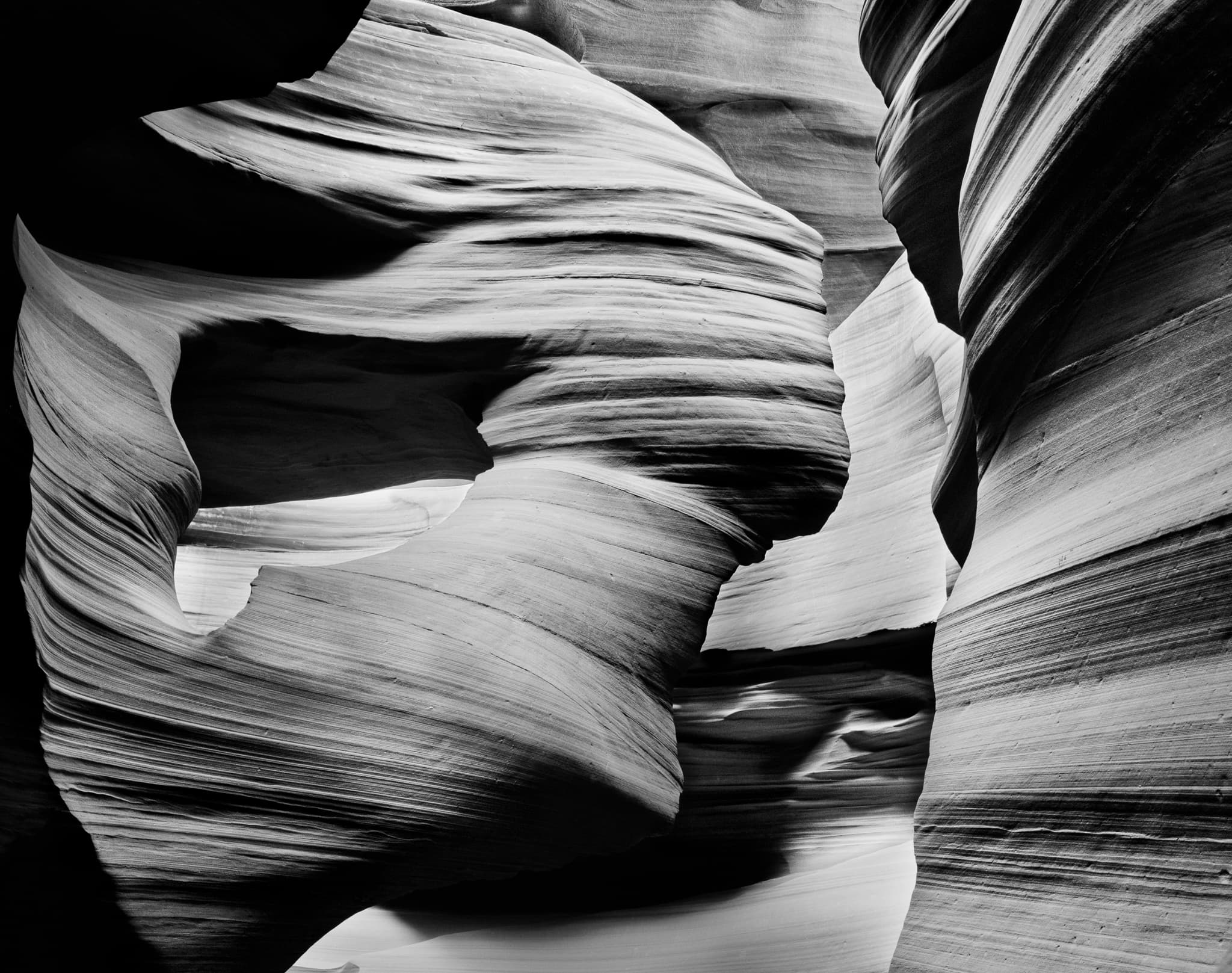
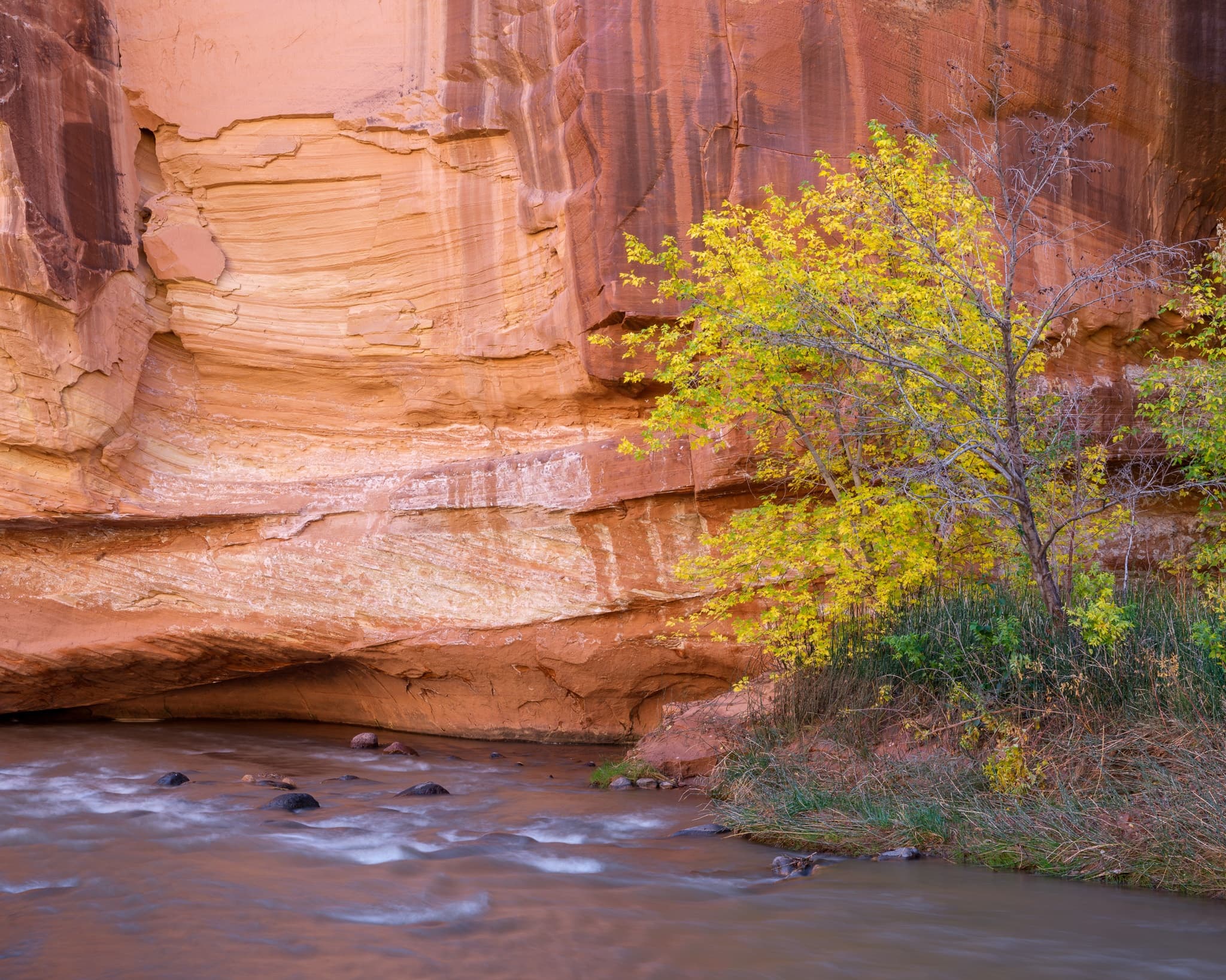
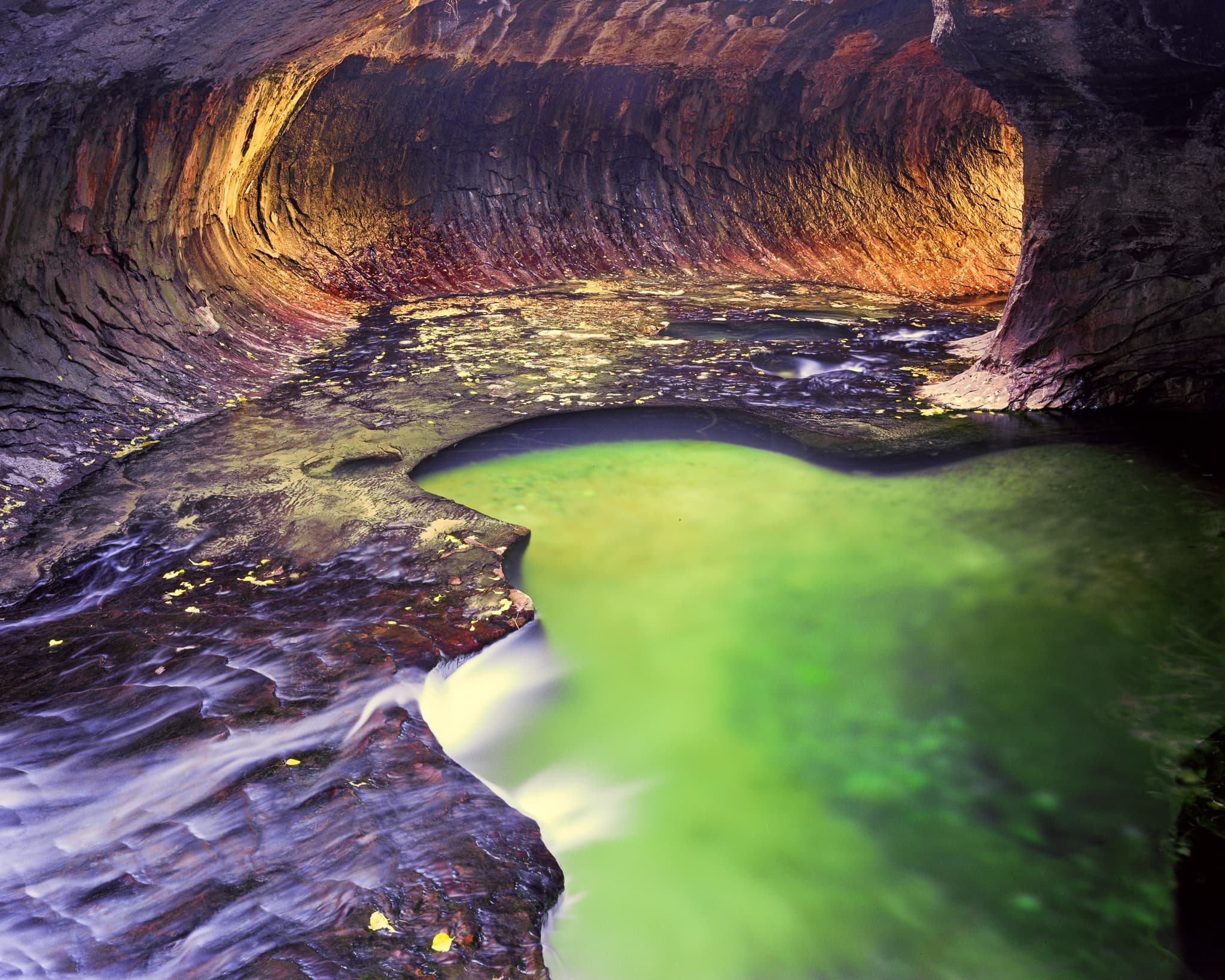
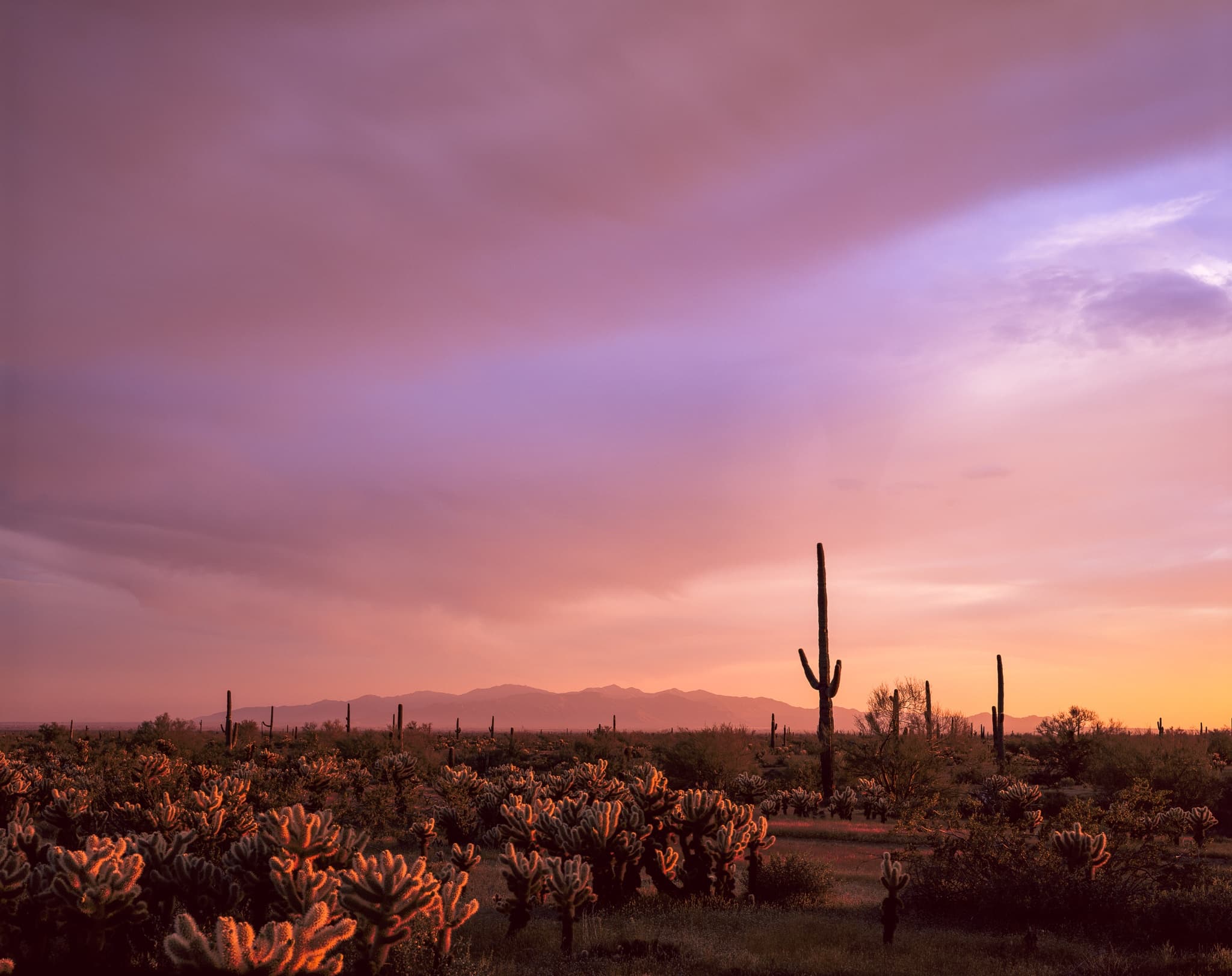
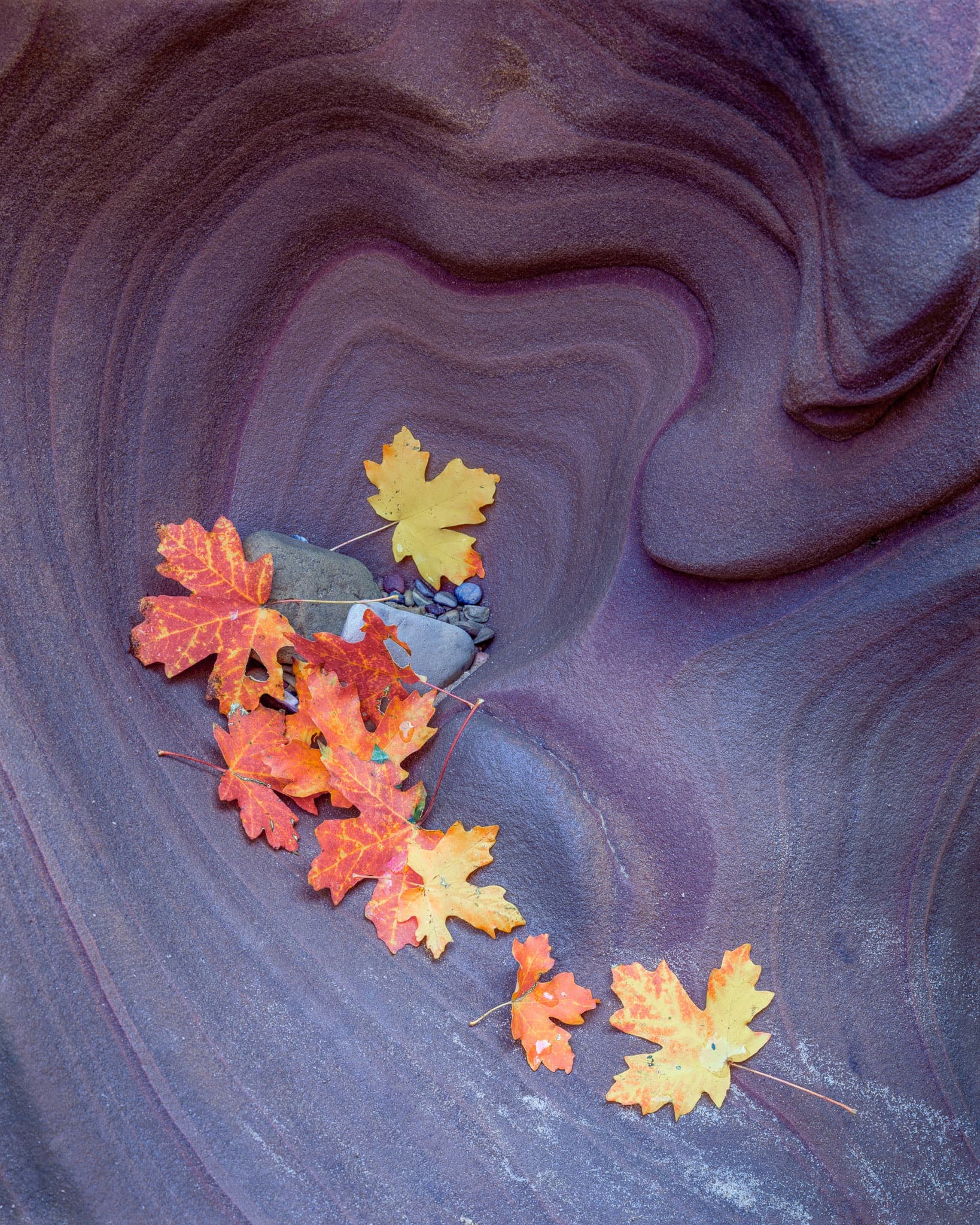
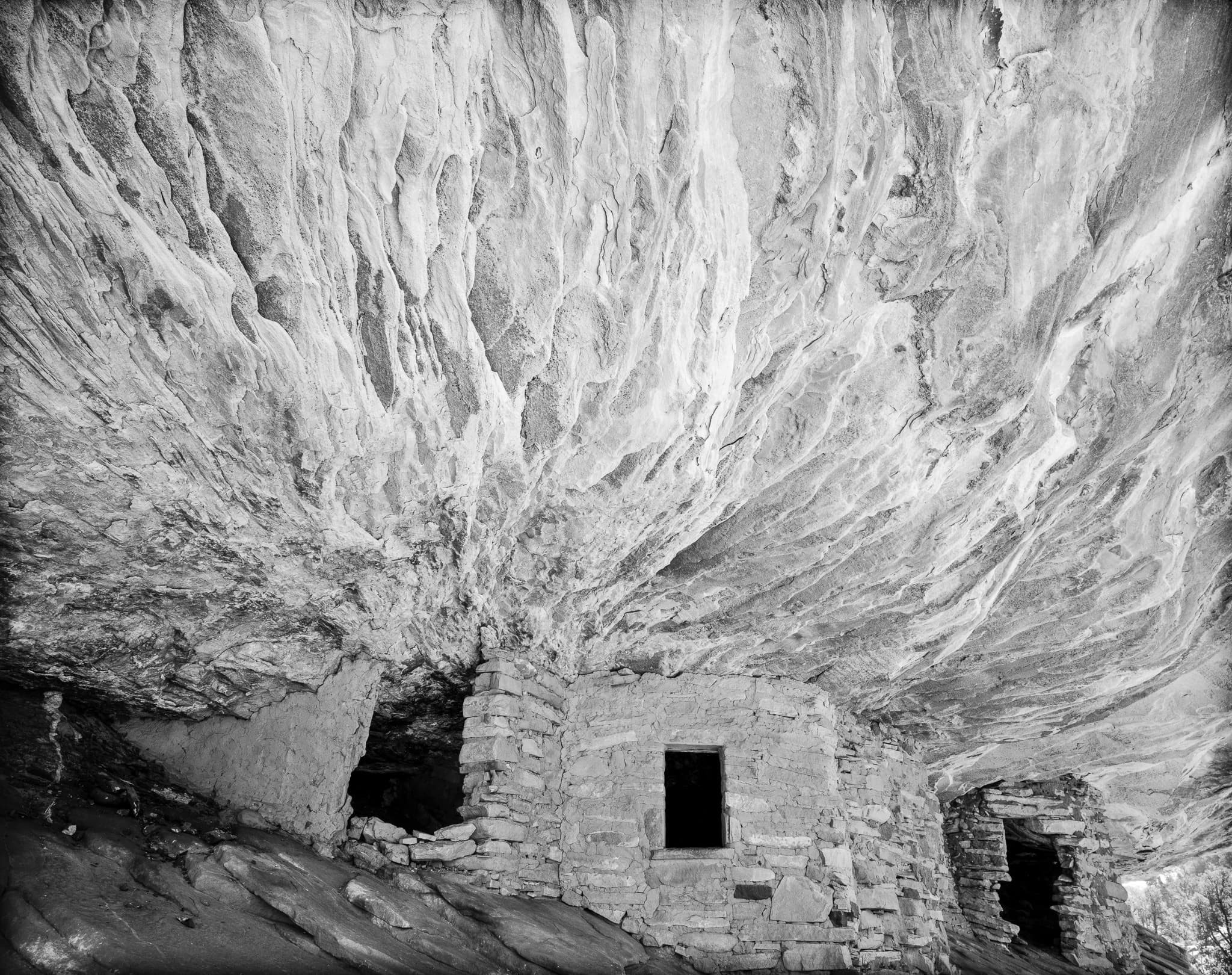
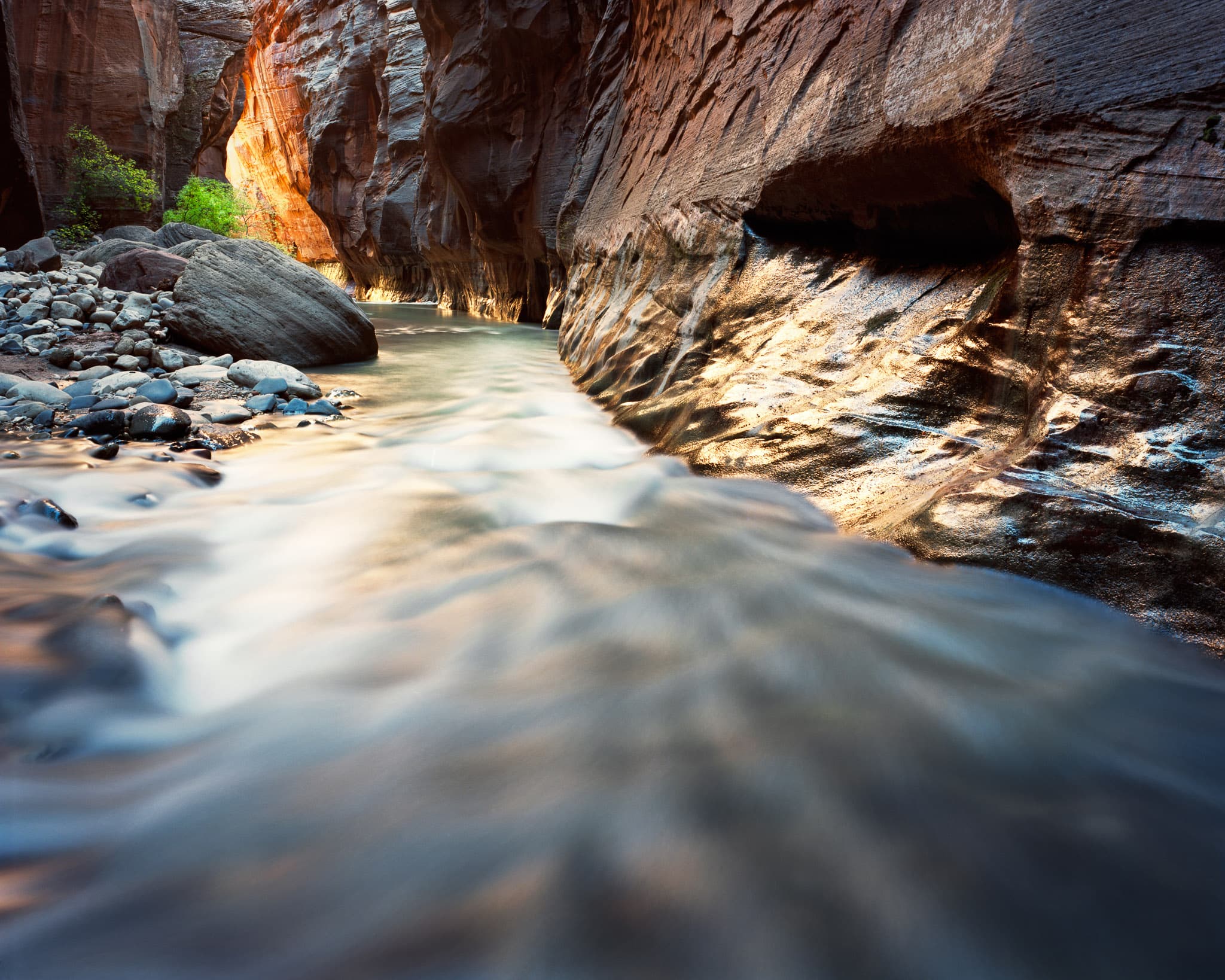
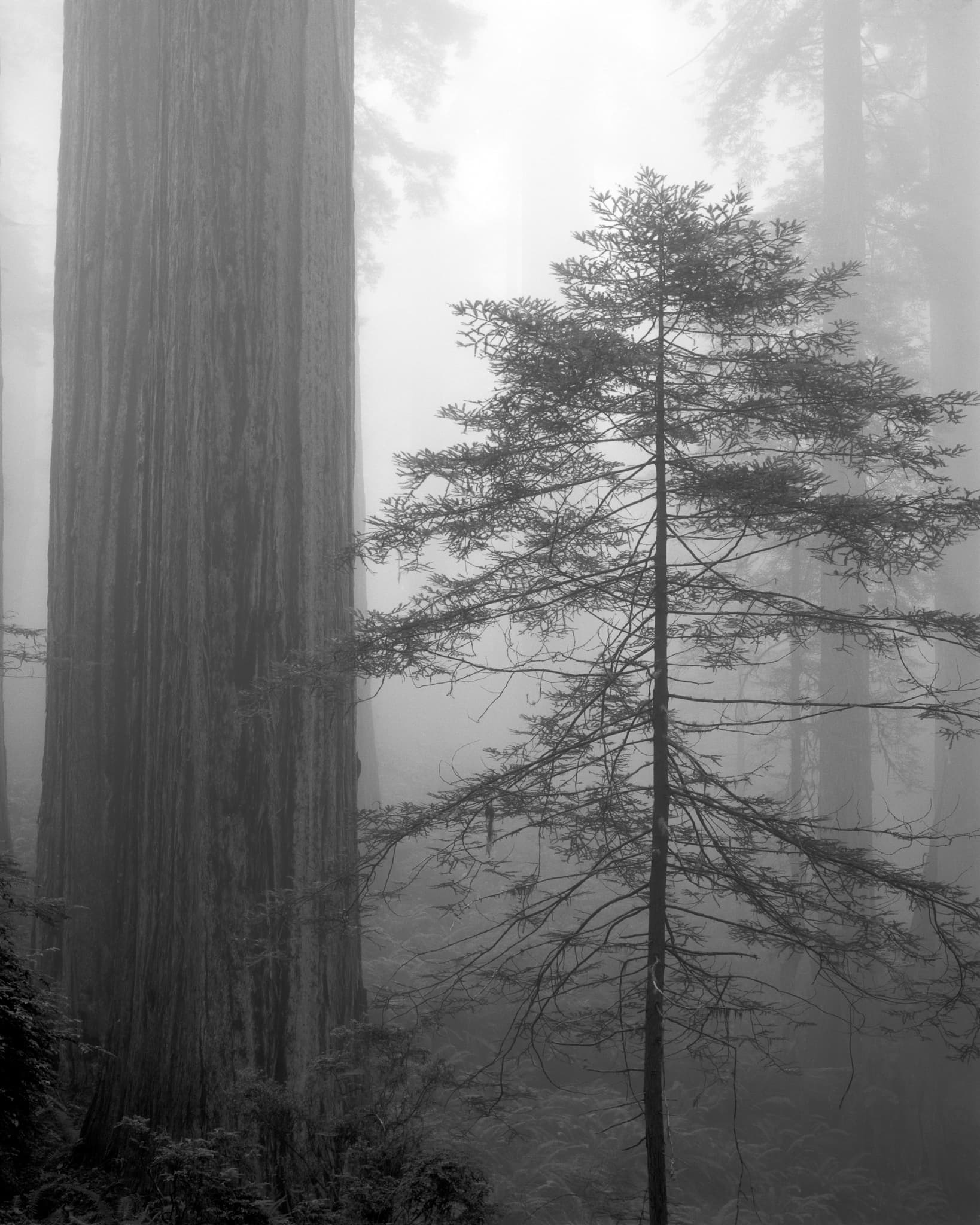
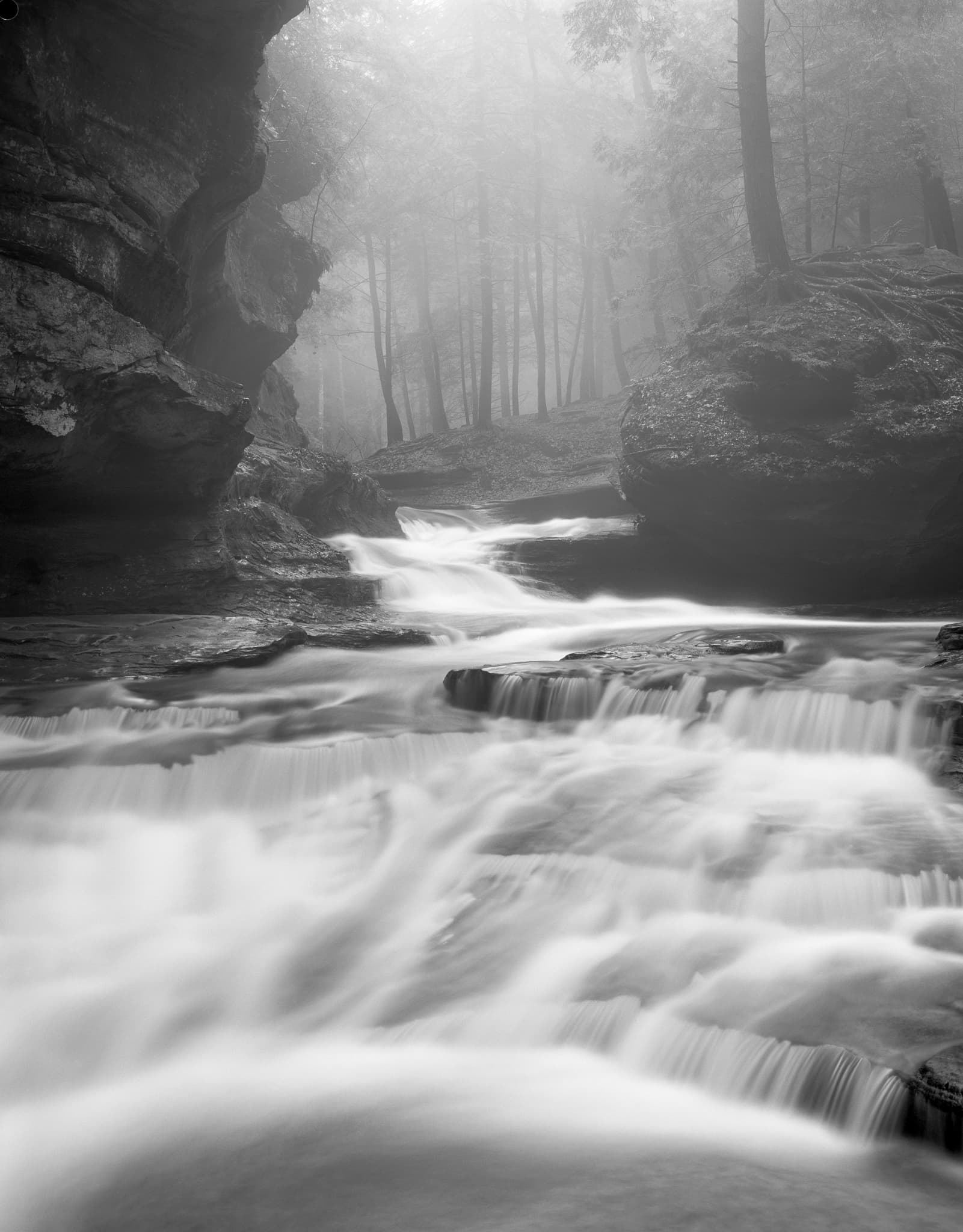
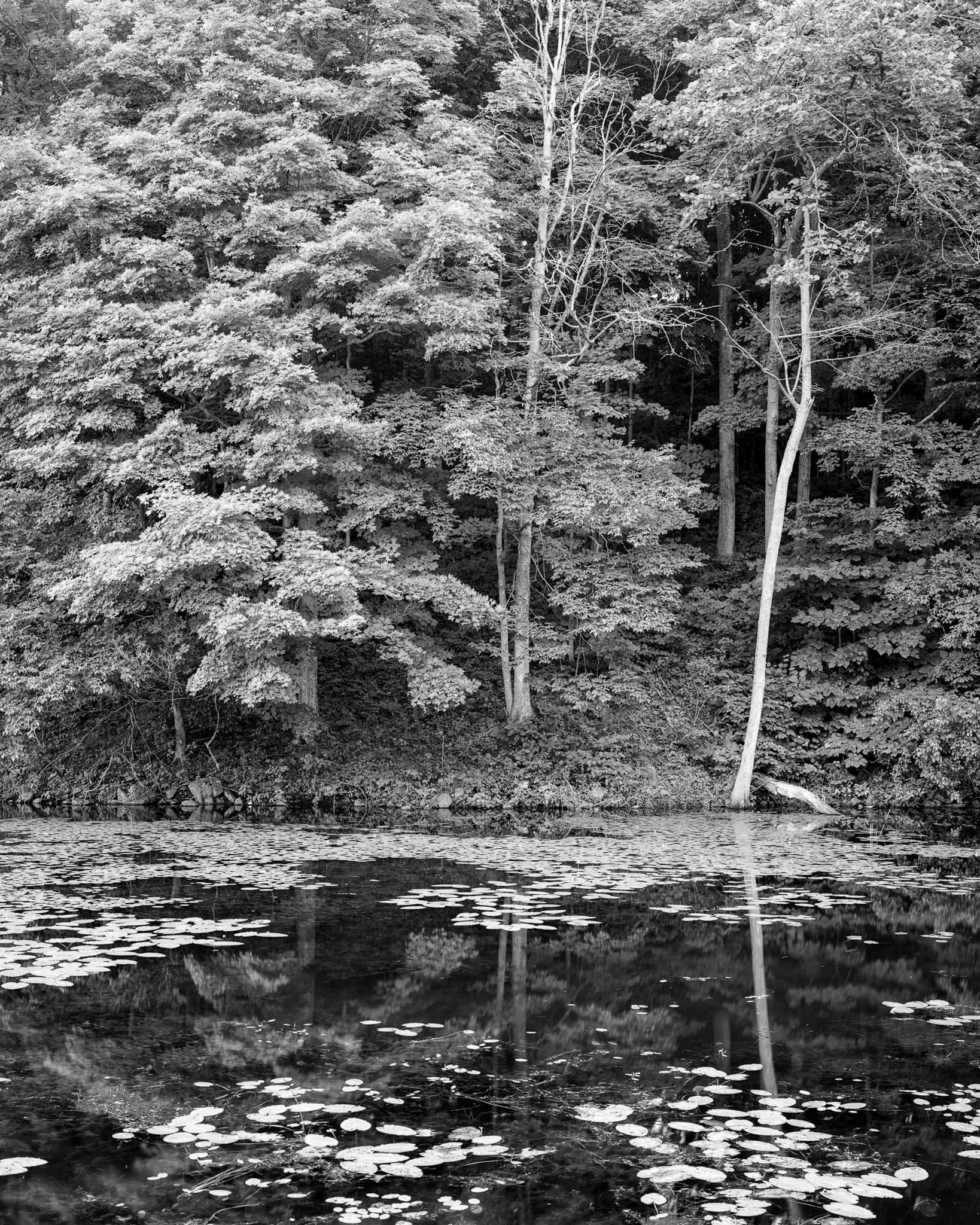
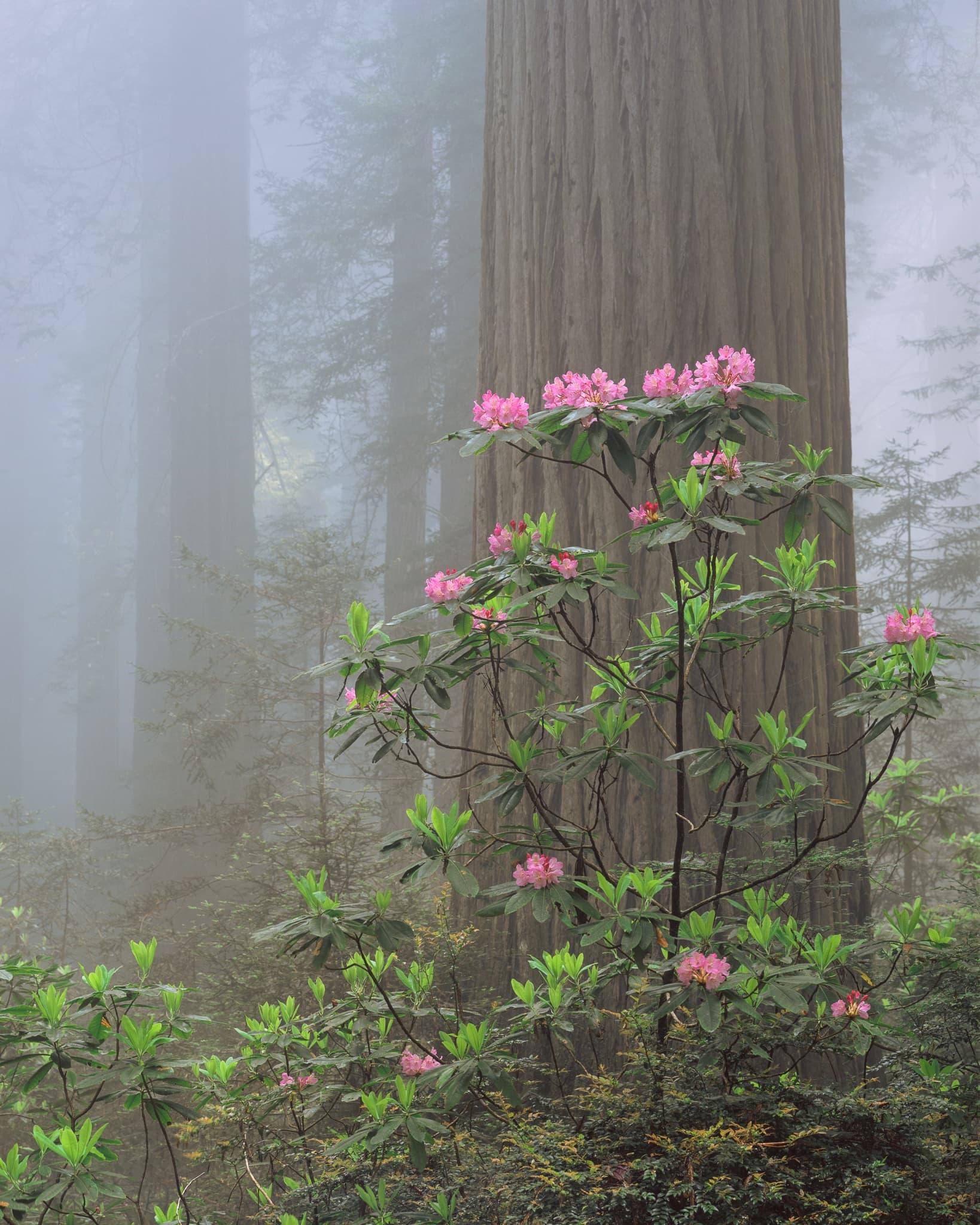
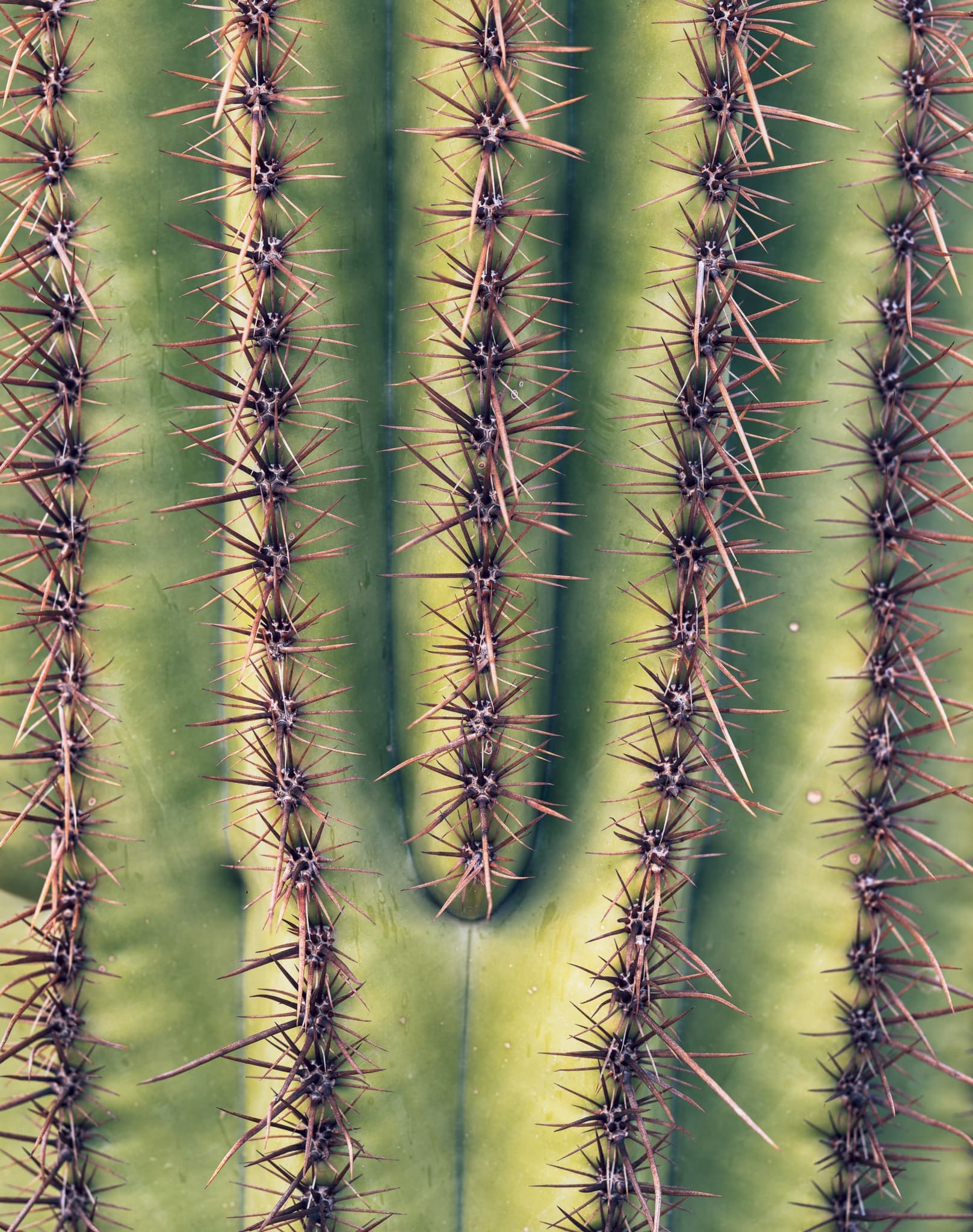
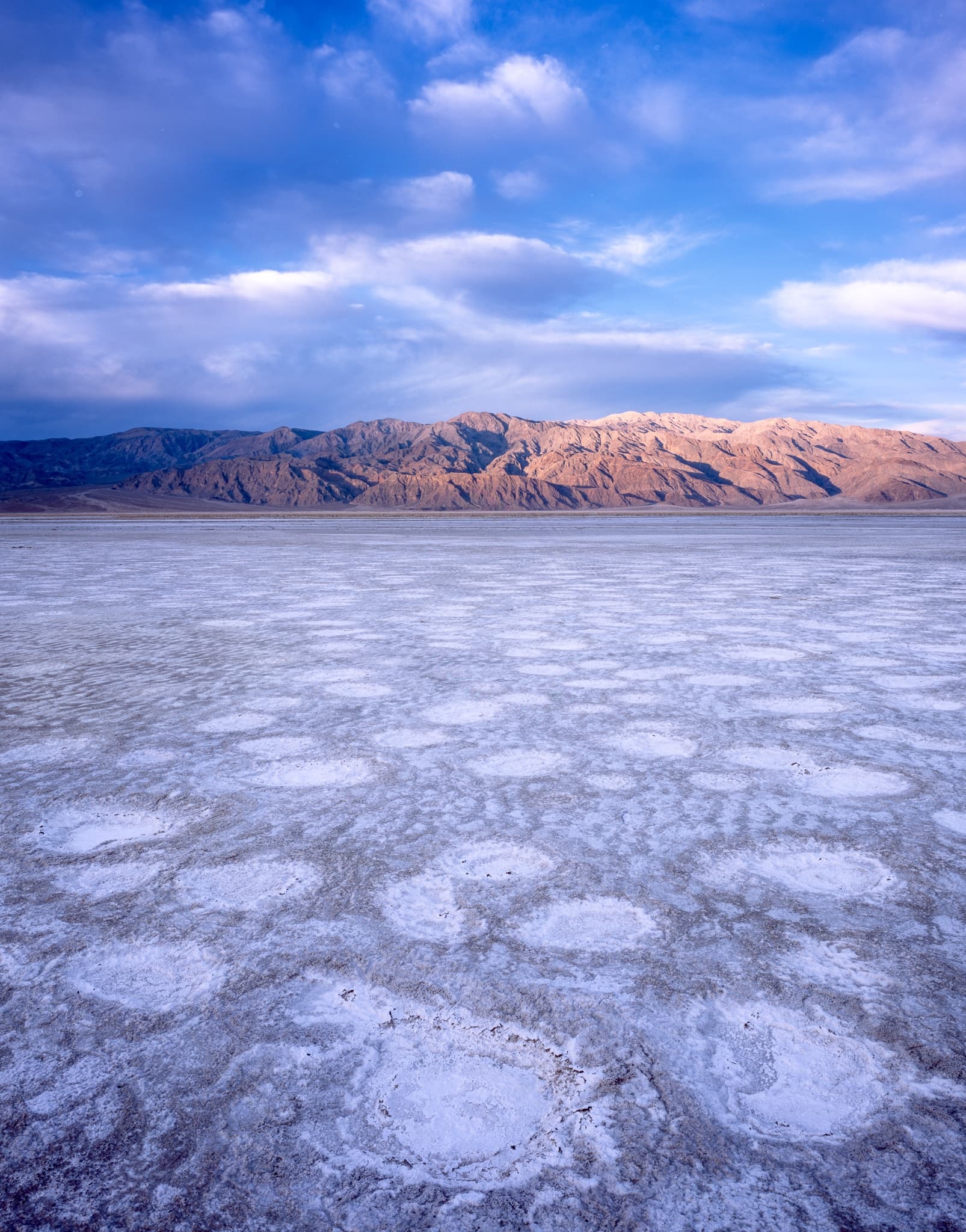
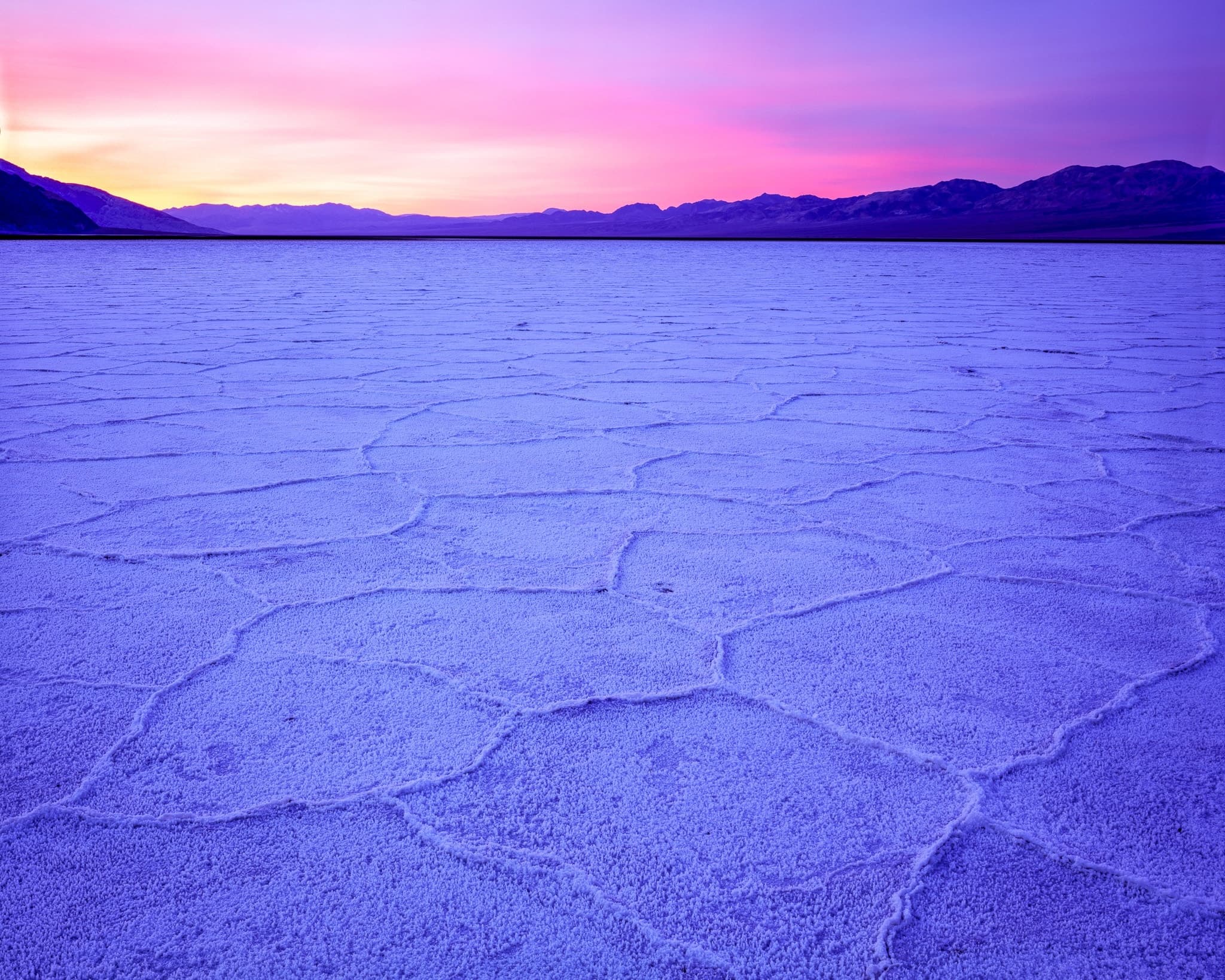
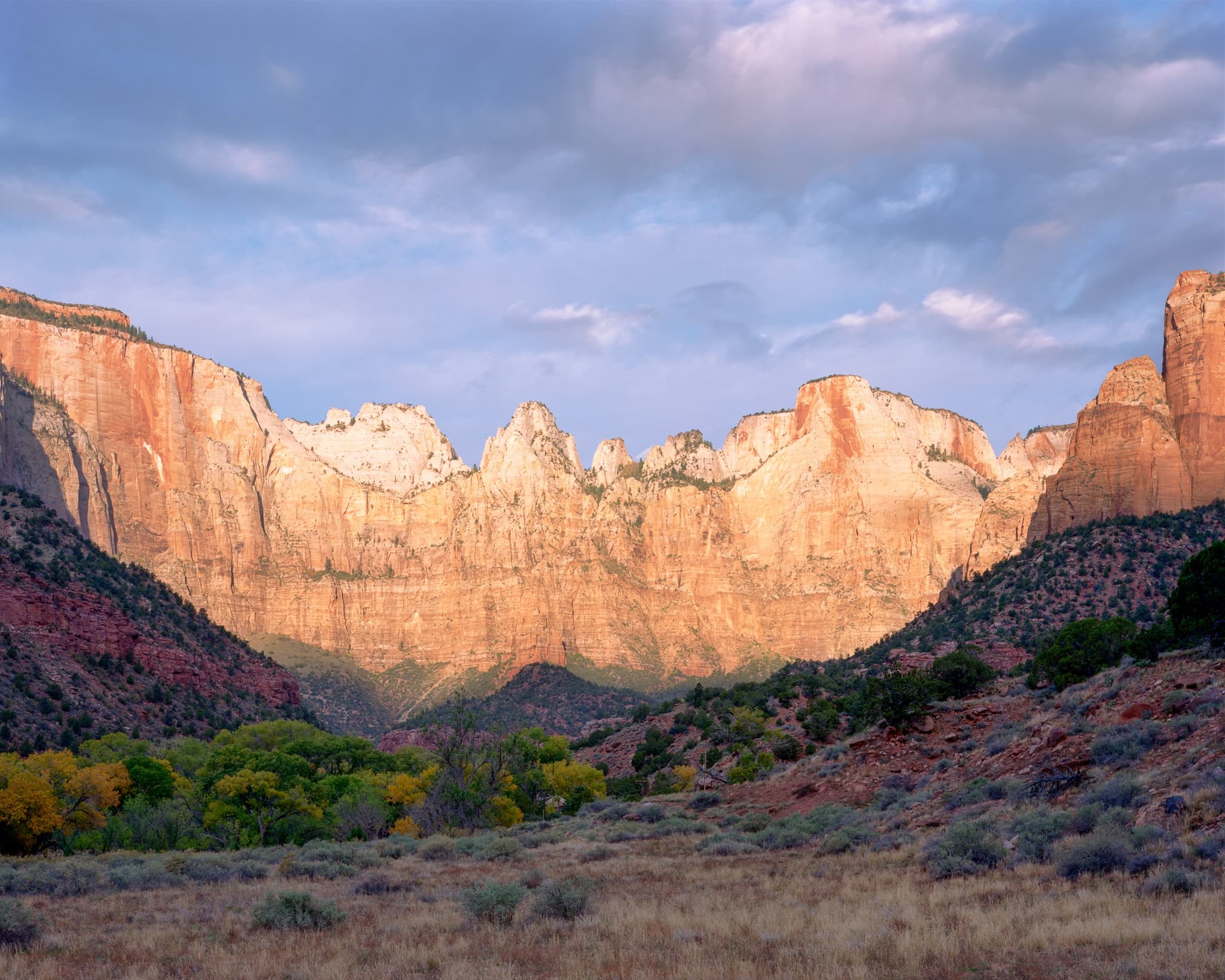
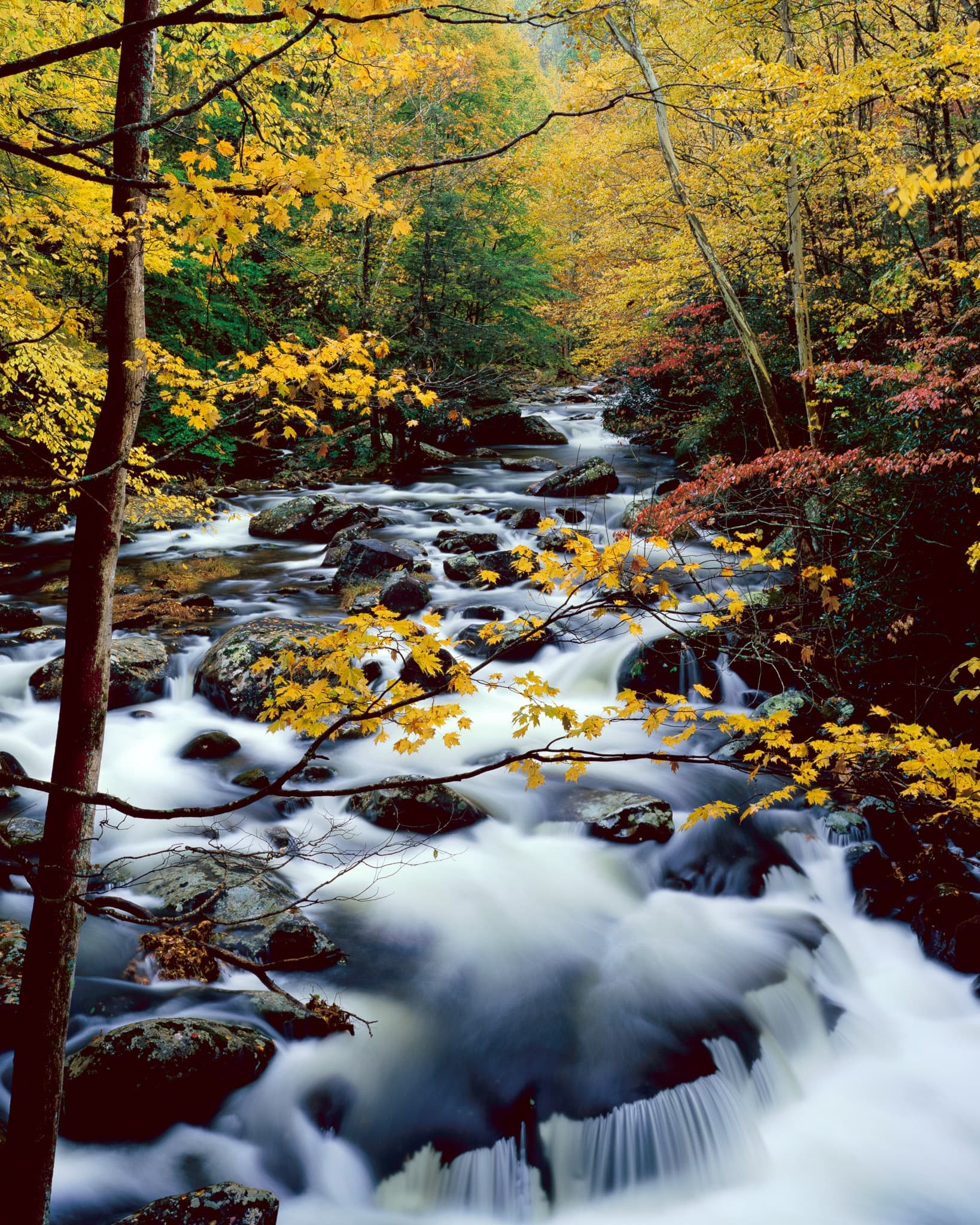
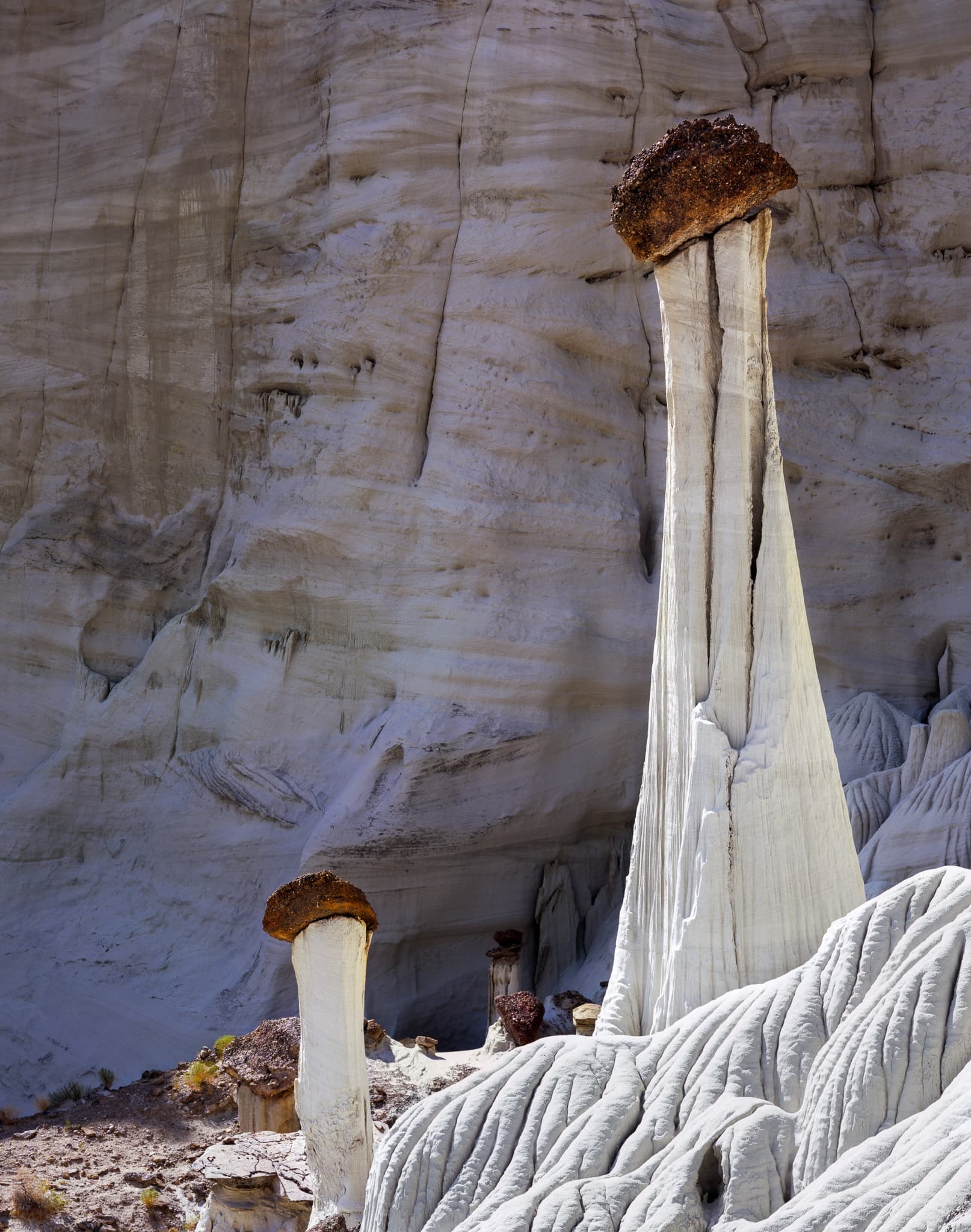
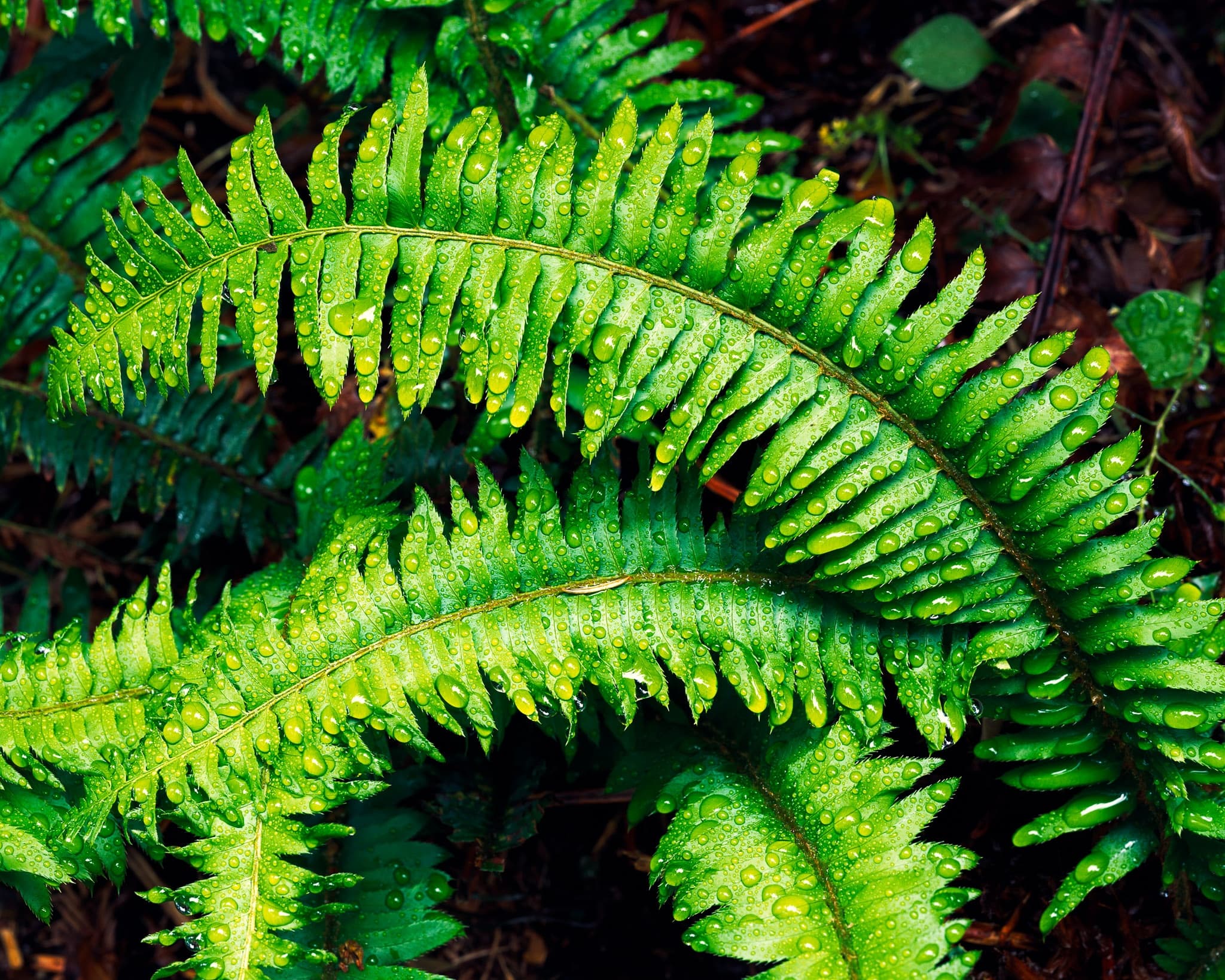
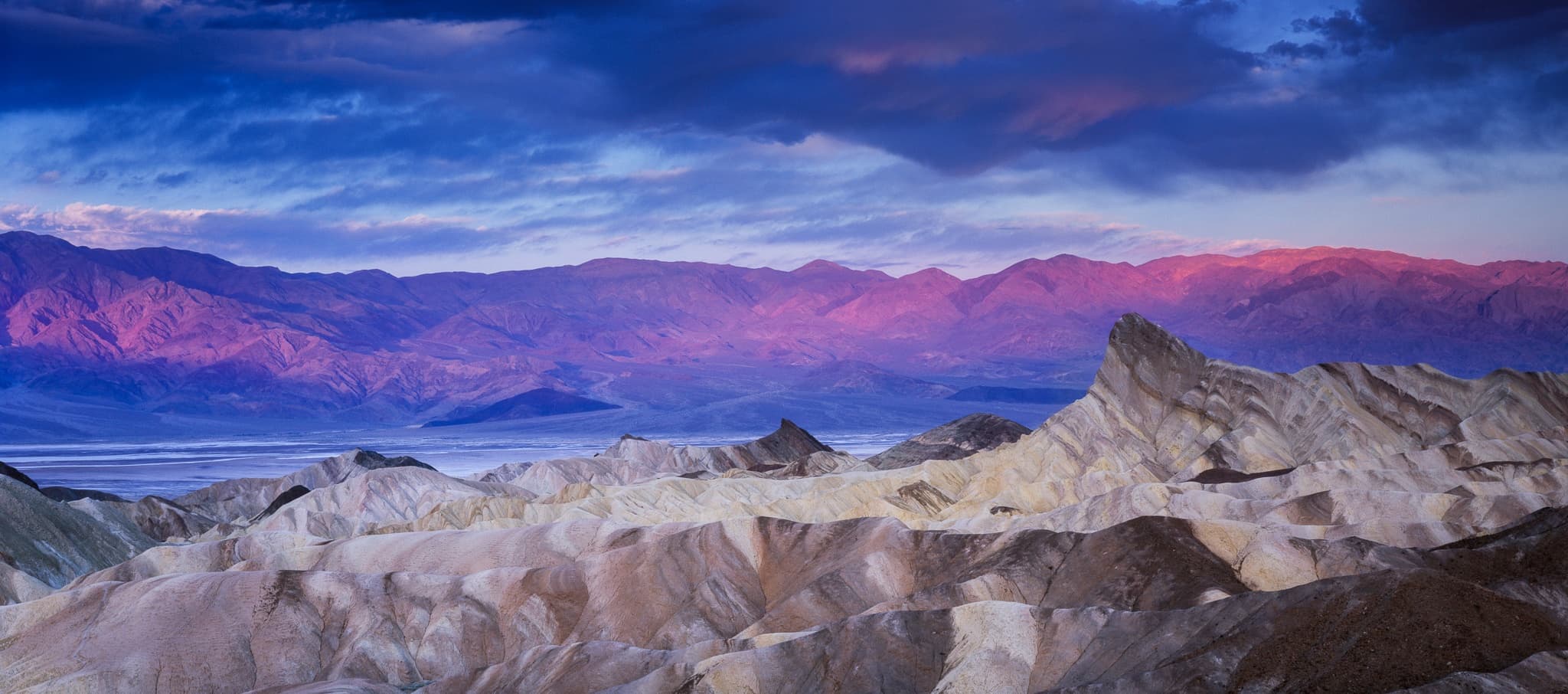
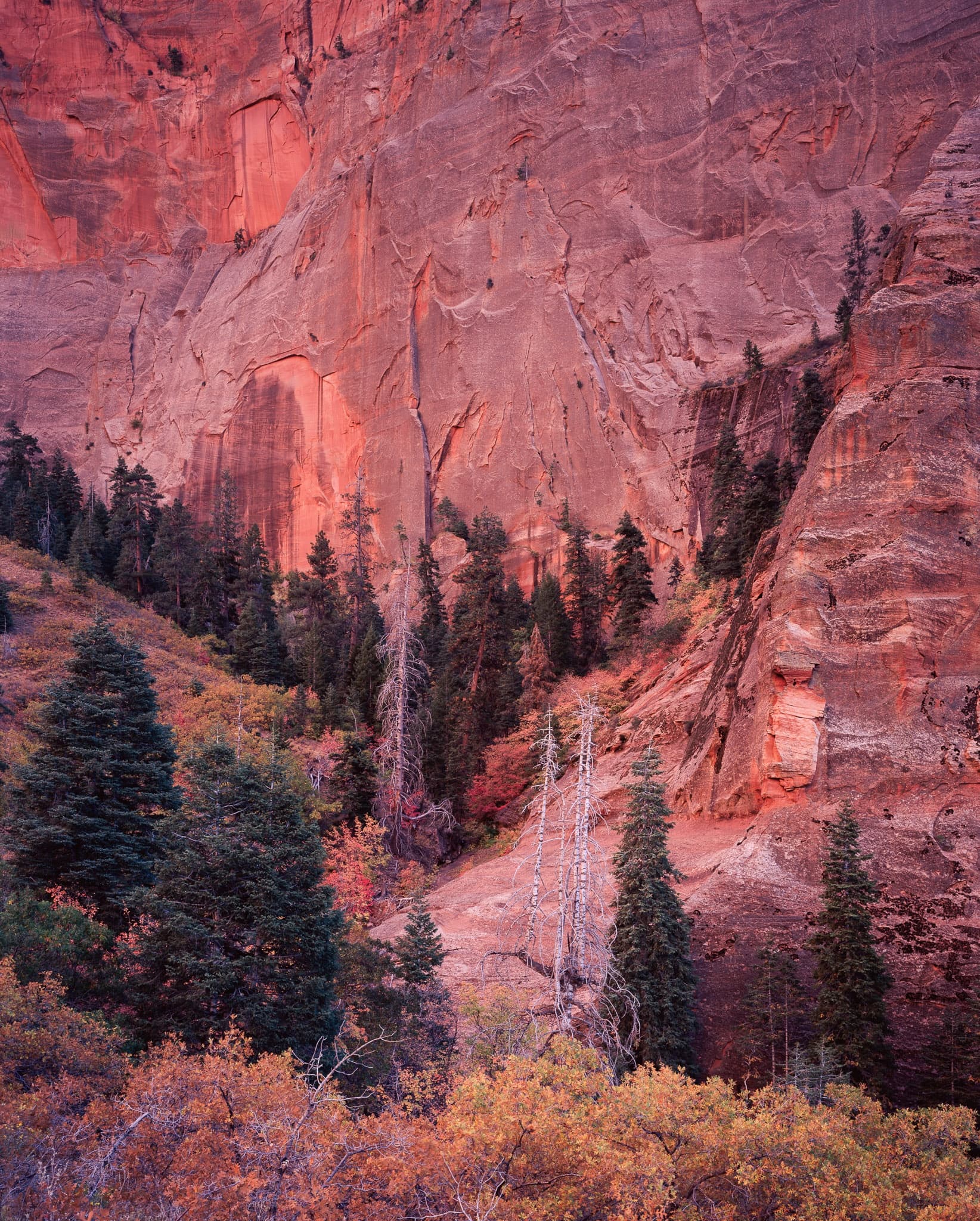
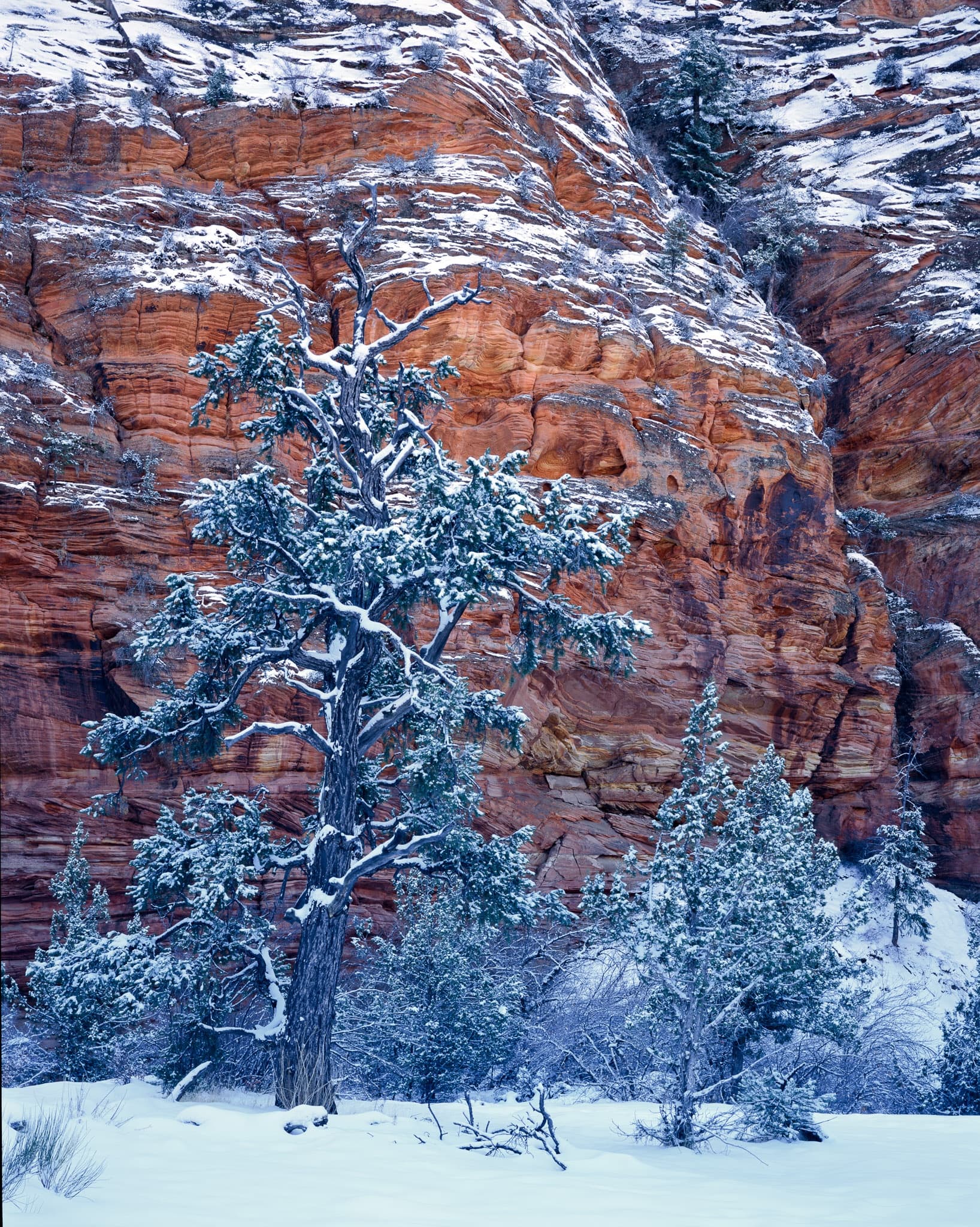
Large format landscape photography represents the pinnacle of traditional photography. View cameras with 4x5 to 8x10 inch film capture exceptional detail and smooth tonal gradations.
Camera movements for creative control:
- Tilts and swings manipulate focus plane
- Shifts and rises control perspective
- Results unavailable with digital systems
The deliberate process demands patience and contemplation. Composing on ground glass, calculating exposure, and loading sheet film rewards careful observation over rapid digital shooting.
Why Traditional Landscape Photography?
Traditional photography offers qualities digital sensors struggle to replicate. I wrote about my own reasons in Why I Still Shoot Large Format in a Digital Age.
Film advantages:
- Organic grain structure
- Exceptional dynamic range
- Distinctive tonal rendering
- Archival permanence—negatives last centuries
- Tangible connection to photographic history
The physical nature of sheet film encourages deliberate composition and technical precision.
Technical Excellence of Large Format Film
Technical advantages extend beyond resolution.
Large film area provides:
- Superior signal-to-noise ratio
- Exceptional clarity at large print sizes
- Minimal grain even in big enlargements
- Customized development for each exposure
- Precise contrast control for each scene
Camera Movements & Creative Control
Large format cameras provide control impossible with rigid camera systems.
Movement types:
- Tilt—extends depth of field from foreground to background
- Shift—keeps vertical lines parallel on tall subjects
- Rise/fall—adjusts composition without moving camera
These movements enable optimal sharpness throughout the frame without diffraction from tiny apertures.
Film Selection for Landscape Work
Various film stocks offer distinctive characteristics.
Film options:
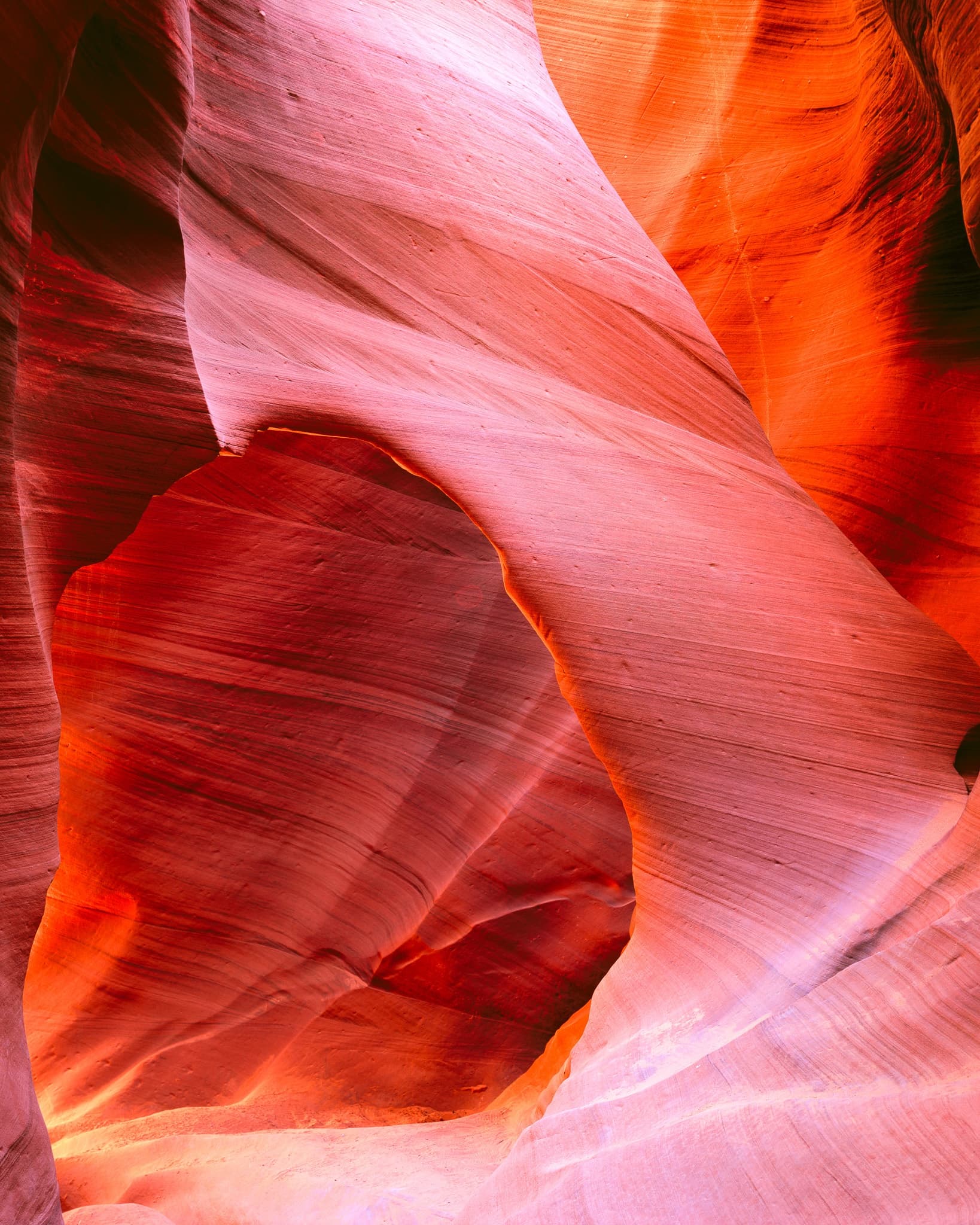
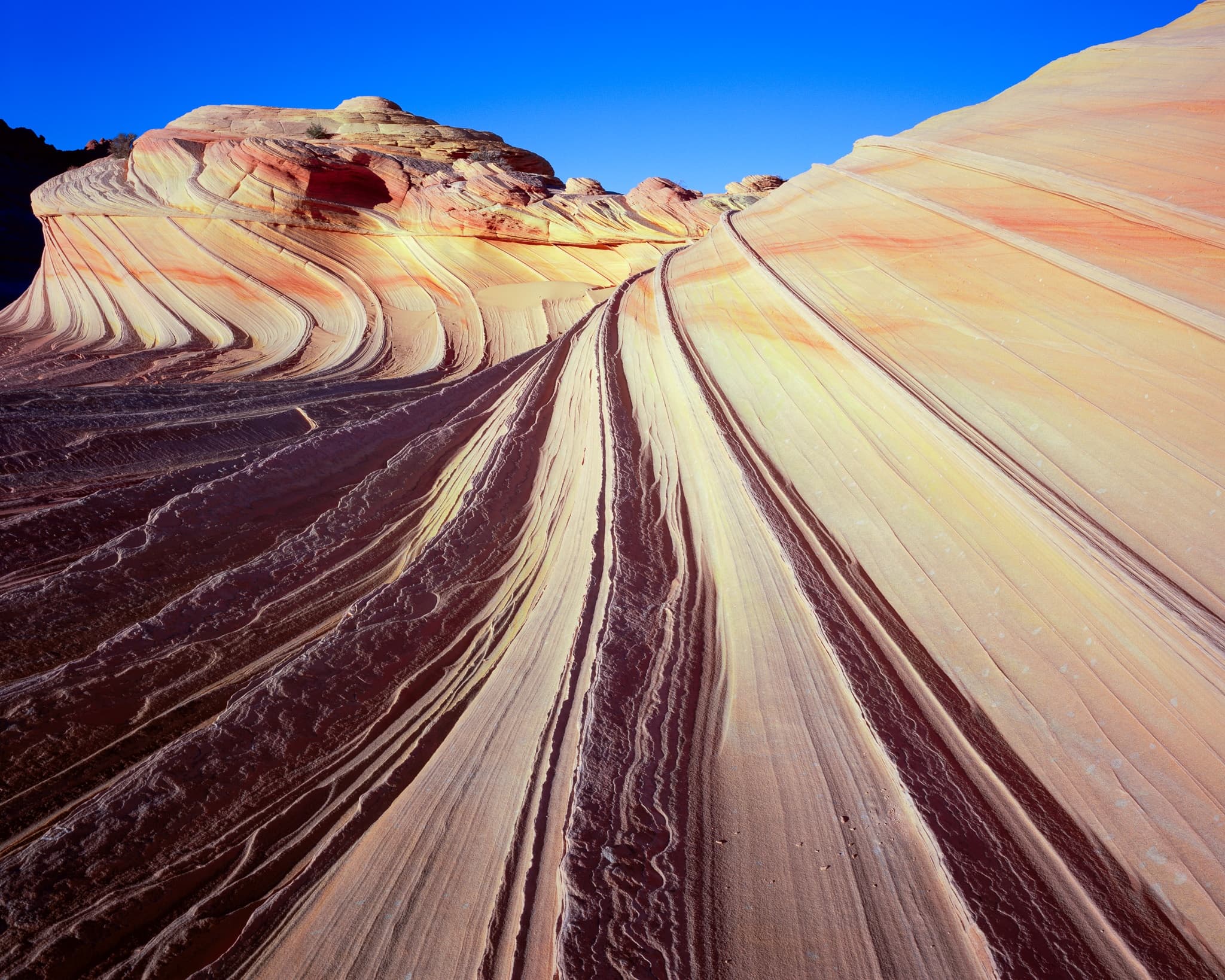
- Fuji Velvia—saturated colors for dramatic landscapes
- Kodak Ektar—neutral color rendition
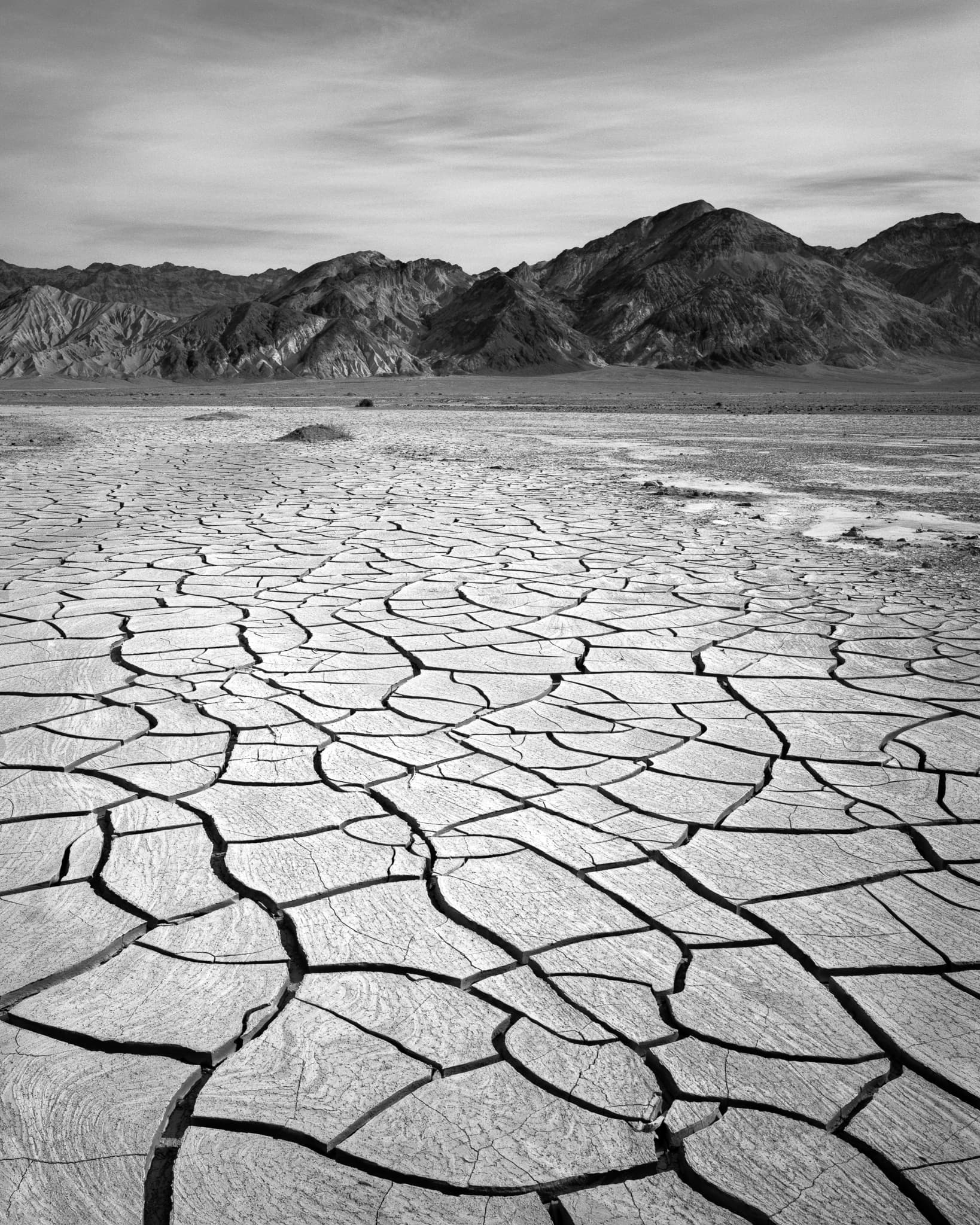
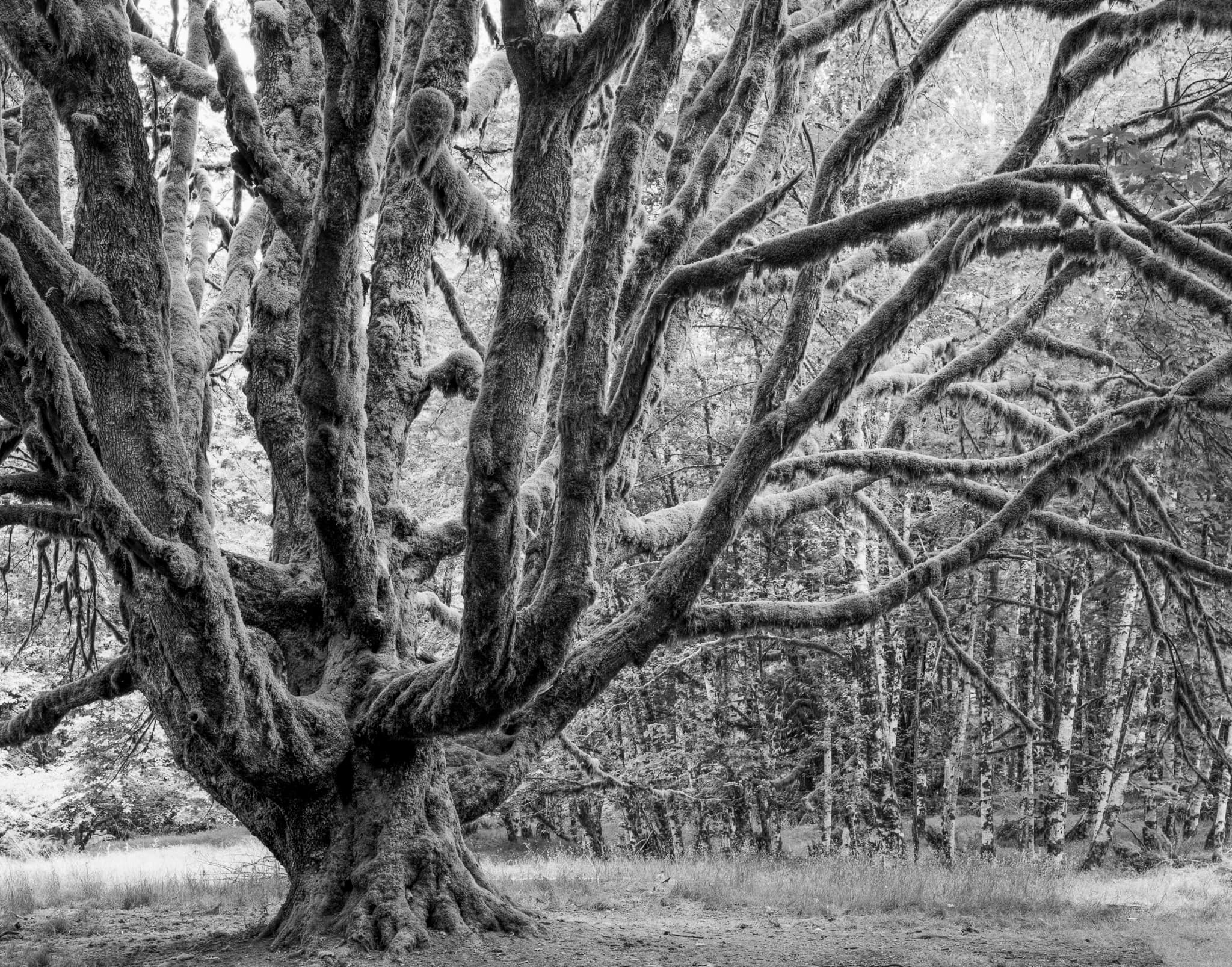
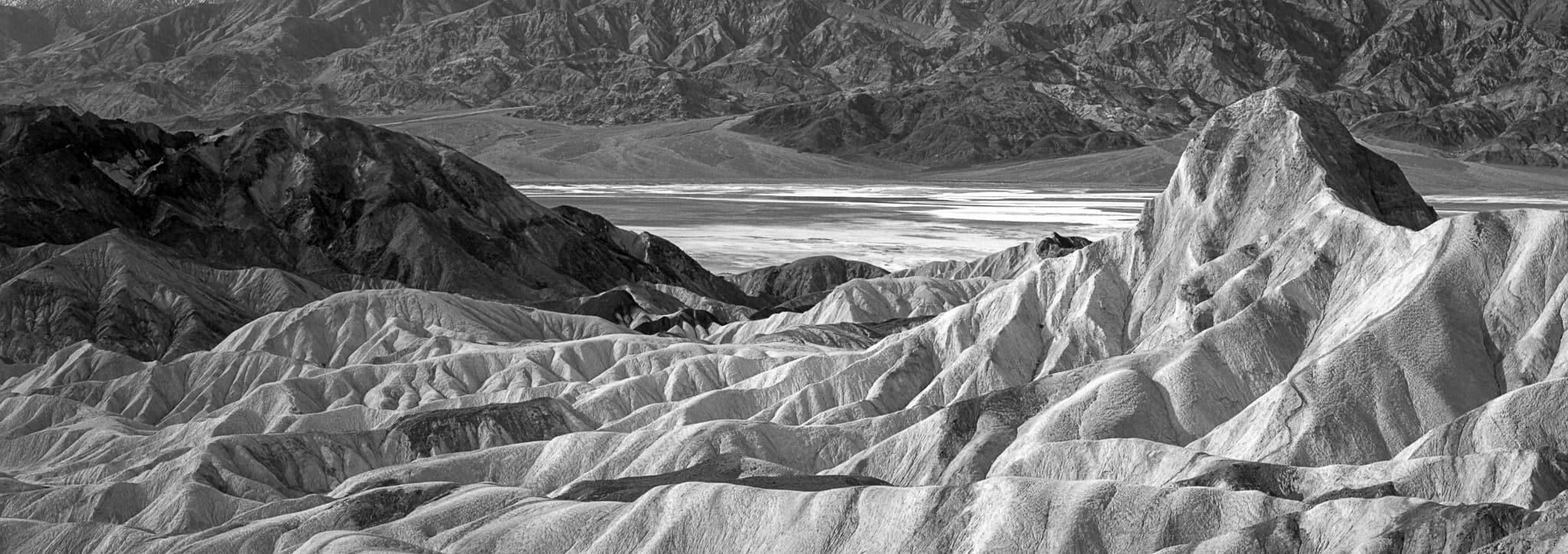
- Fine-grained B&W—smooth tonality
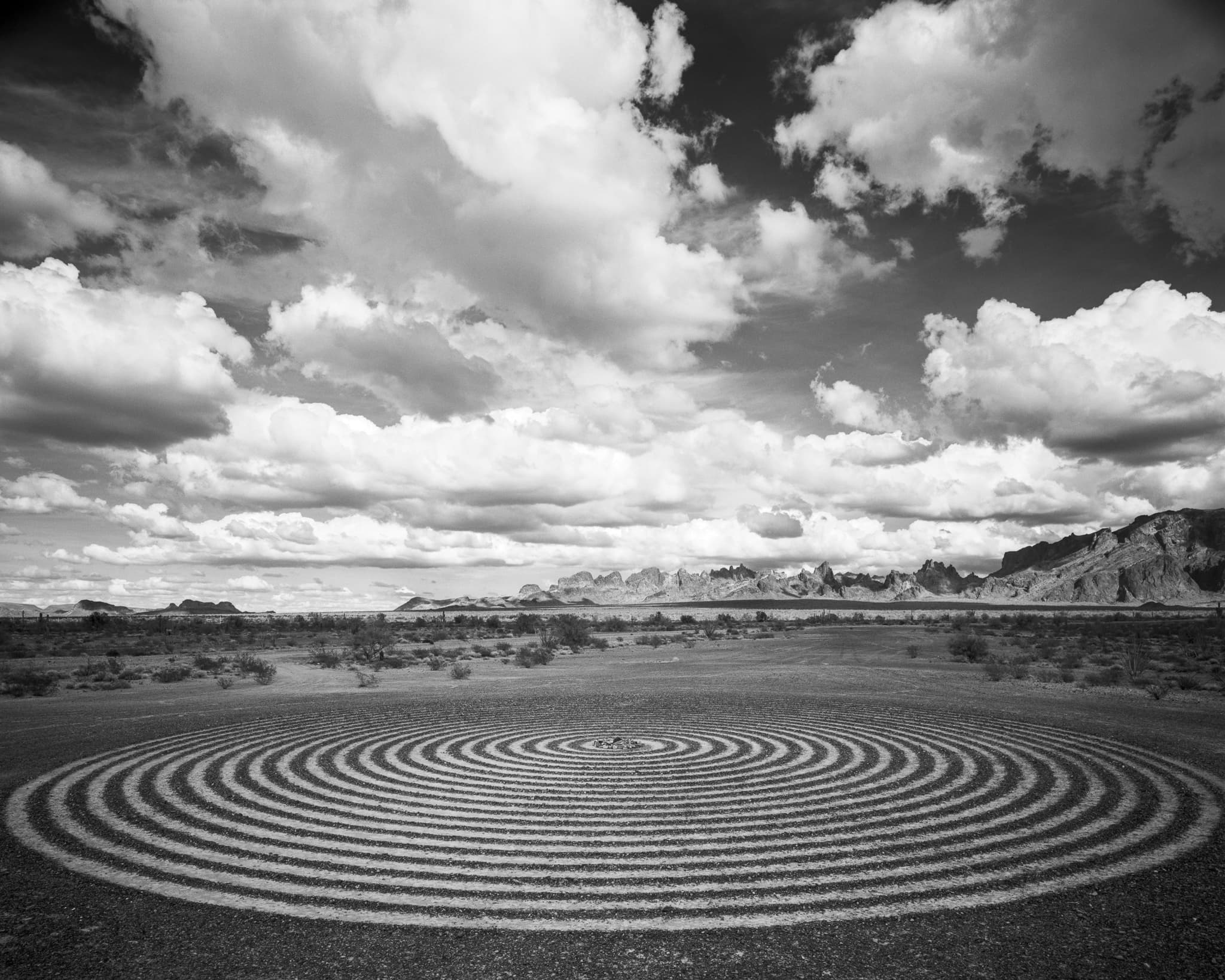
- Graphic B&W films—extended tonal range
Sheet film allows customizing development for each scene's contrast—impossible with roll film.
The Large Format Workflow
Working with a view camera demands methodical approach. As I discuss in The Role of Patience in Landscape Photography, patience isn't just helpful — it's the fundamental difference between a snapshot and a photograph.
The process:
- Scout locations beforehand
- Arrive early to study changing light
- Compose on ground glass under dark cloth
- Focus precisely with a loupe
- Calculate exposure carefully
- Load film holders and make exposures
This deliberate process produces more considered images than rapid digital capture.
Archival Quality & Longevity
Properly stored large format negatives last centuries.
Why film endures:
- Physical negatives remain accessible indefinitely
- No format migration required
- Simple storage keeps them safe
- Analog originals are irreplaceable
Collectors recognize the historical and material value of film-based work in an increasingly digital world.
Collecting Large Format Photography
Large format photography appeals to collectors who appreciate technical excellence and craft traditions.
Why collectors value large format:
- Each exposure represents significant time and skill investment
- Large format originals cannot be replicated
- Years of technical mastery required
- Specialized equipment investment
Qualities in the resulting prints:
- Organic film grain
- Exceptional tonal smoothness
- Distinctive rendering from premium optics
- New details revealed with each viewing
Display Considerations for Large Format Prints
Exceptional detail makes these prints ideal for large-scale display.
What large prints reveal:
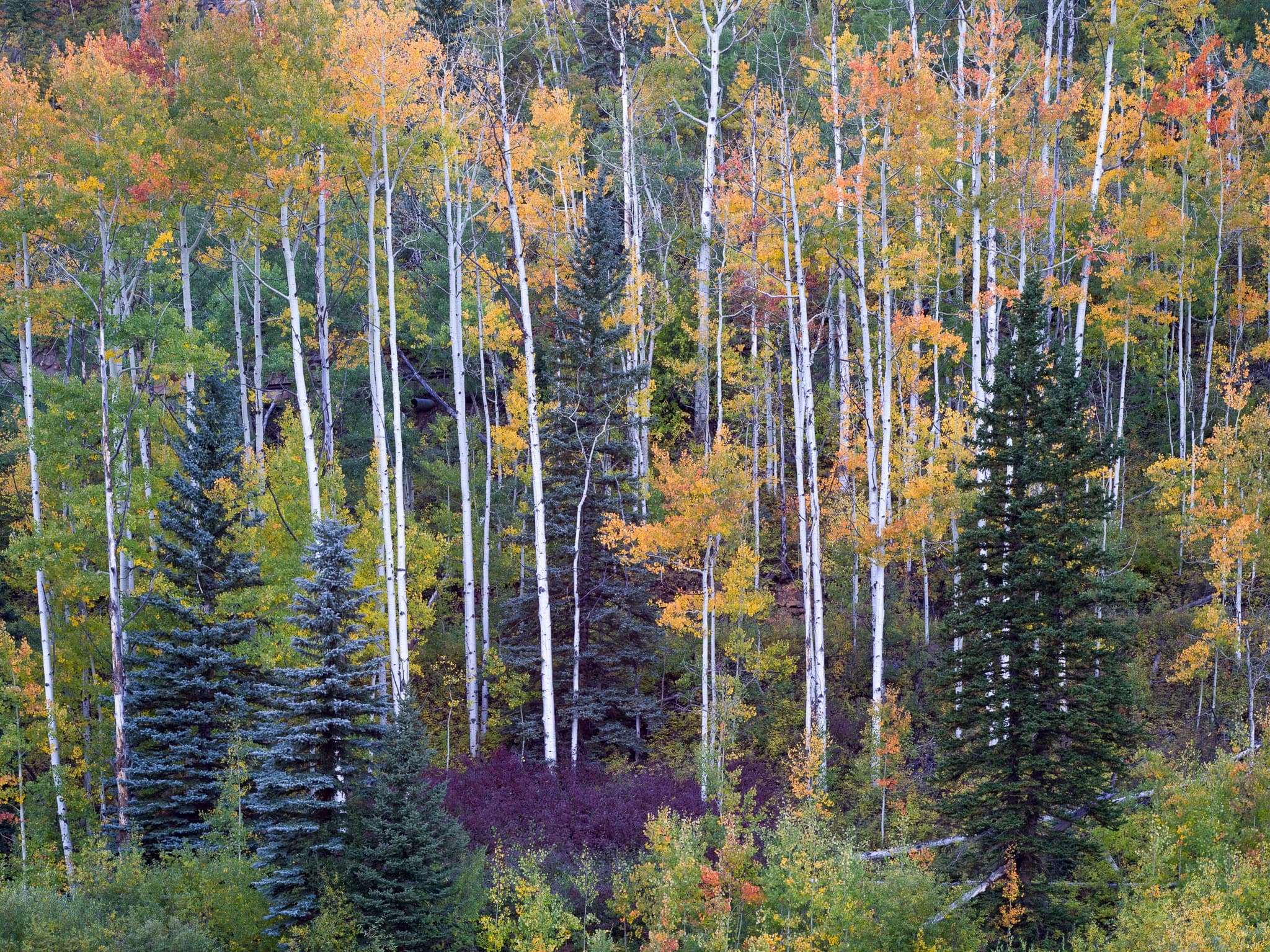
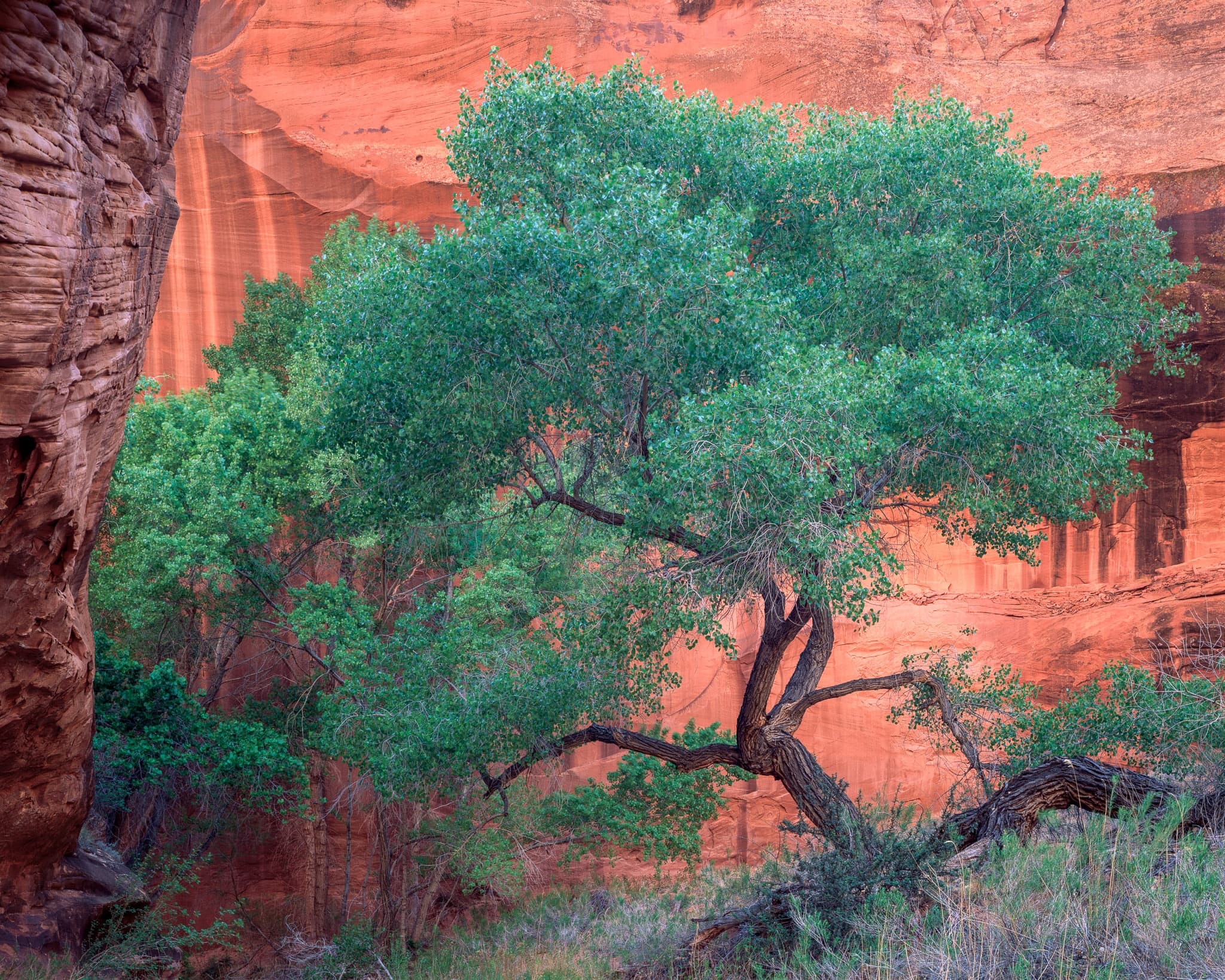
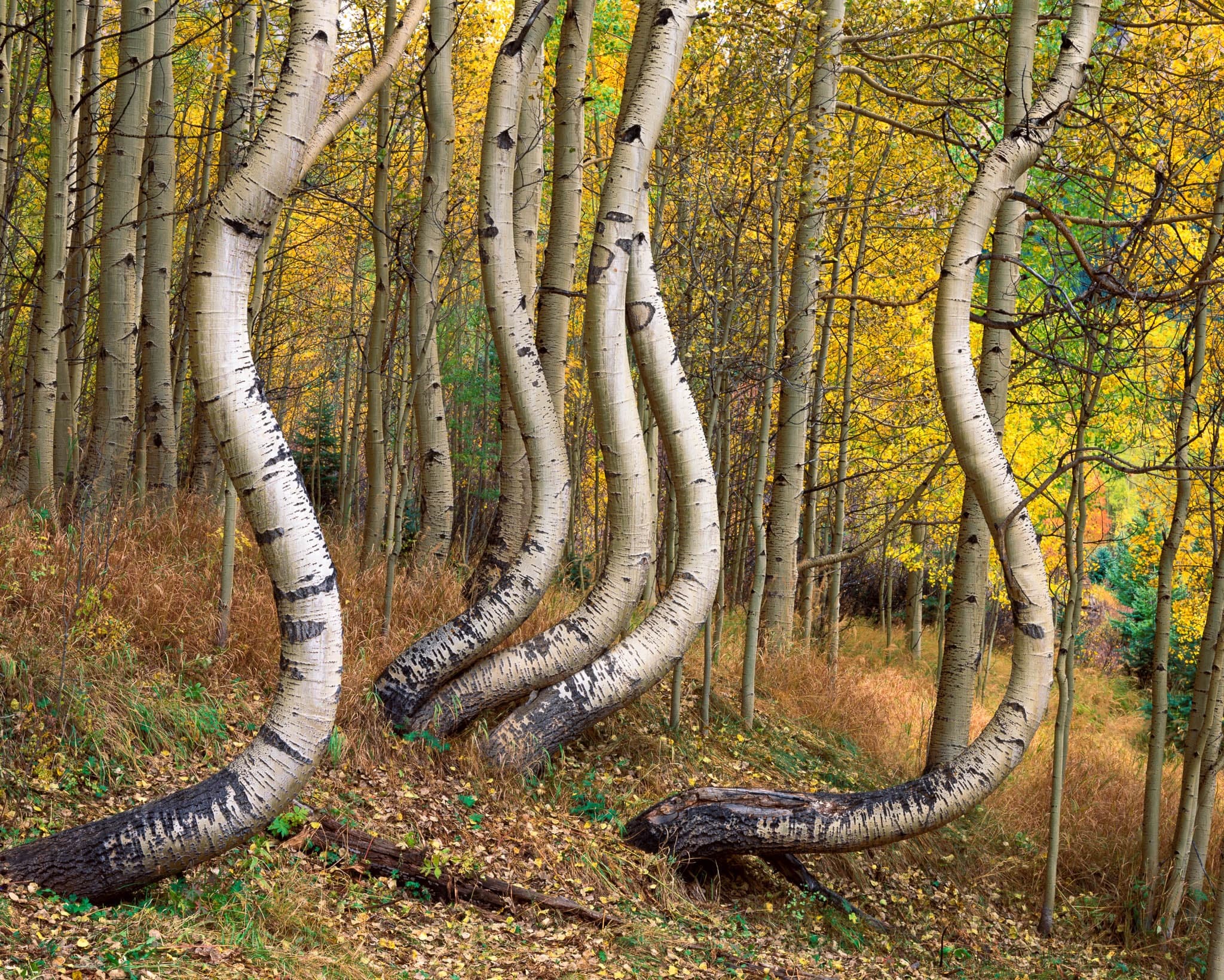
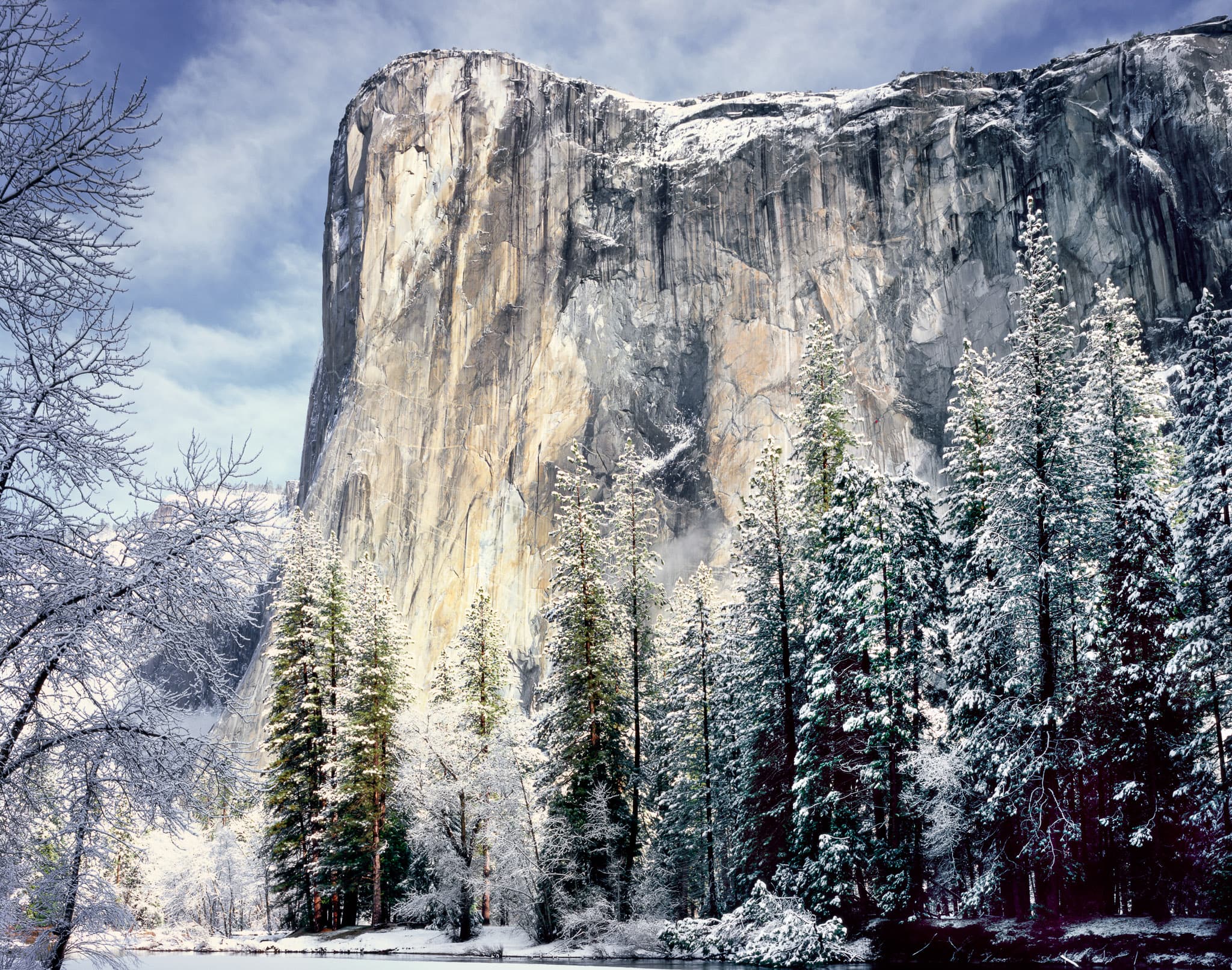
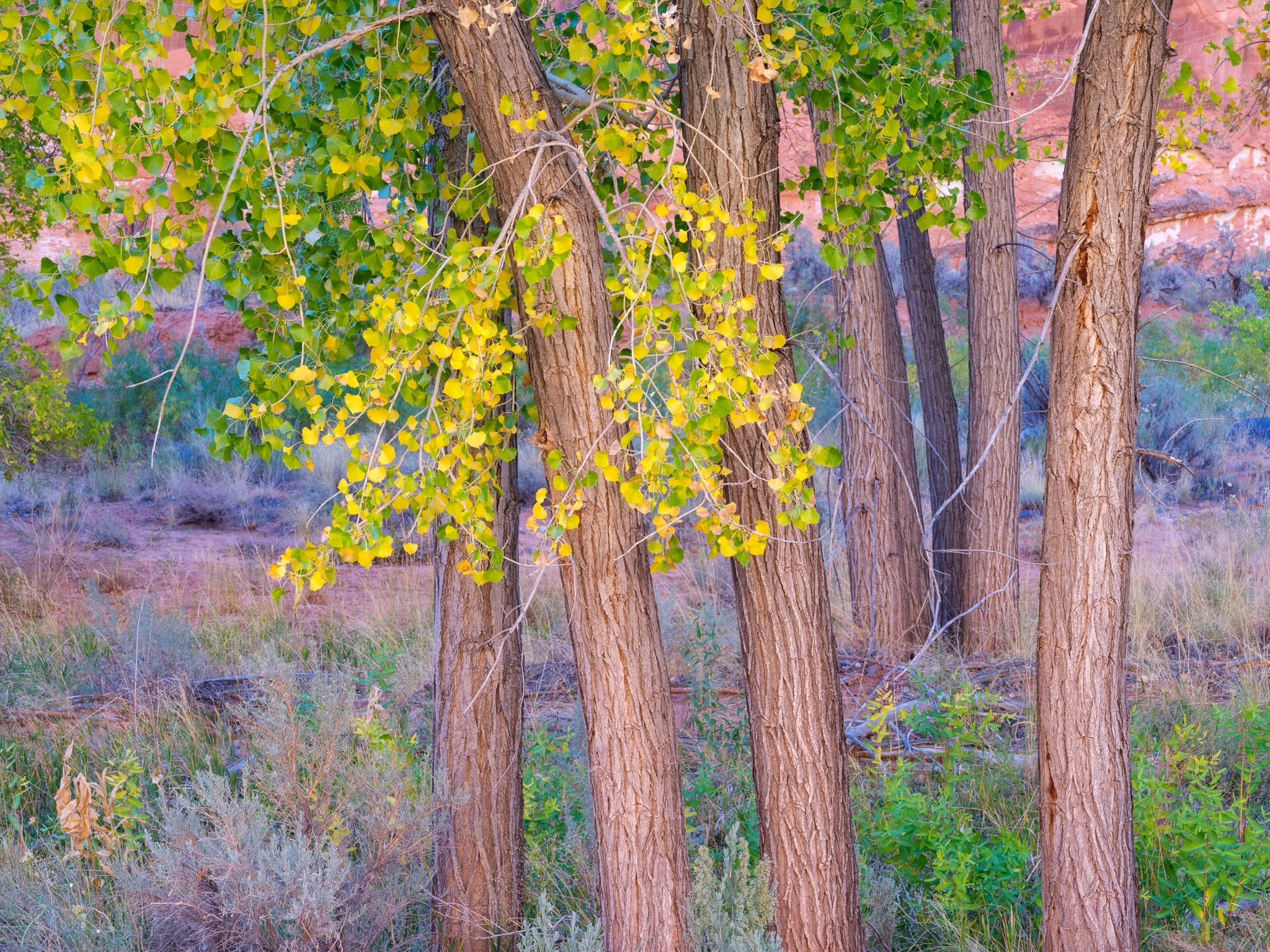
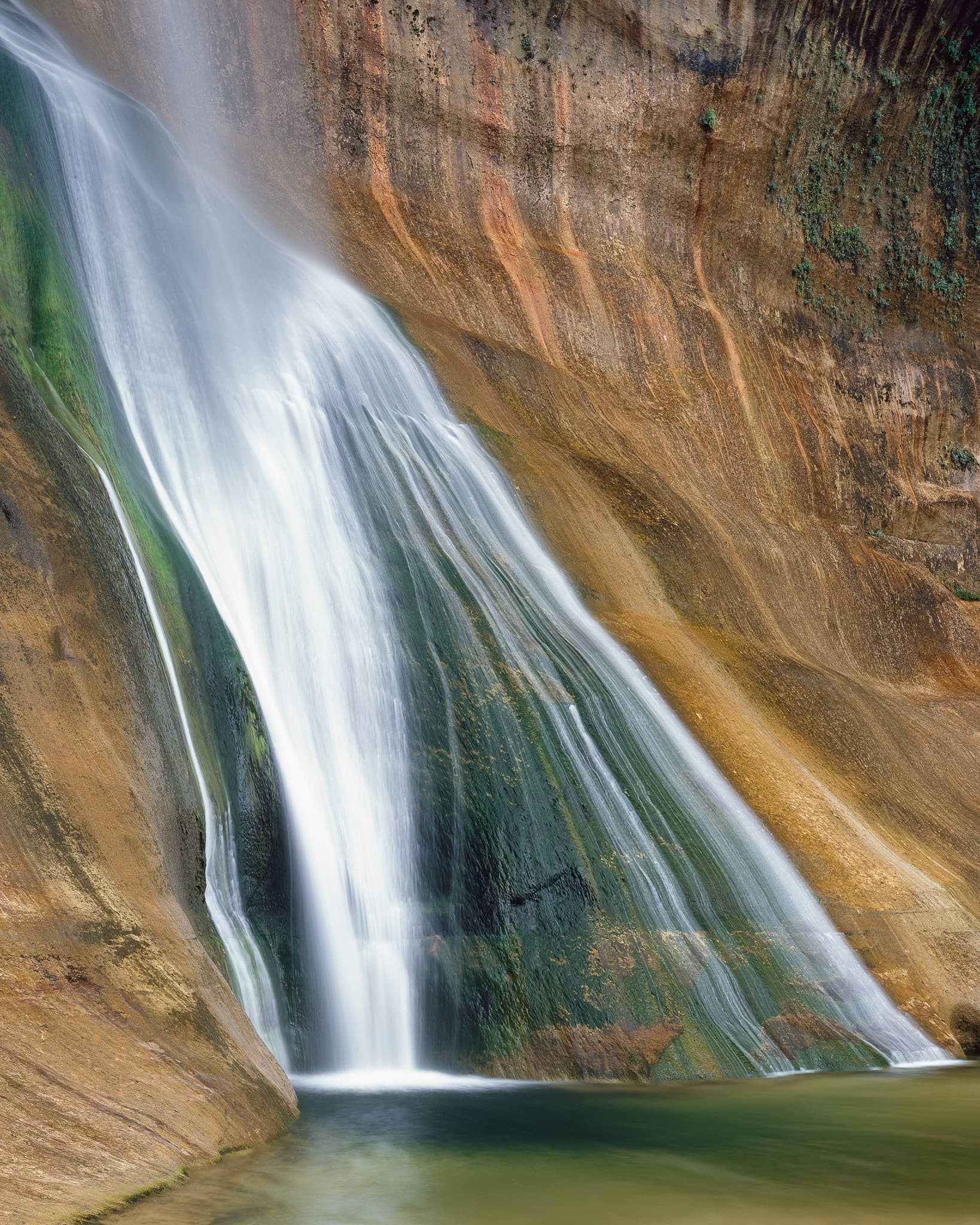
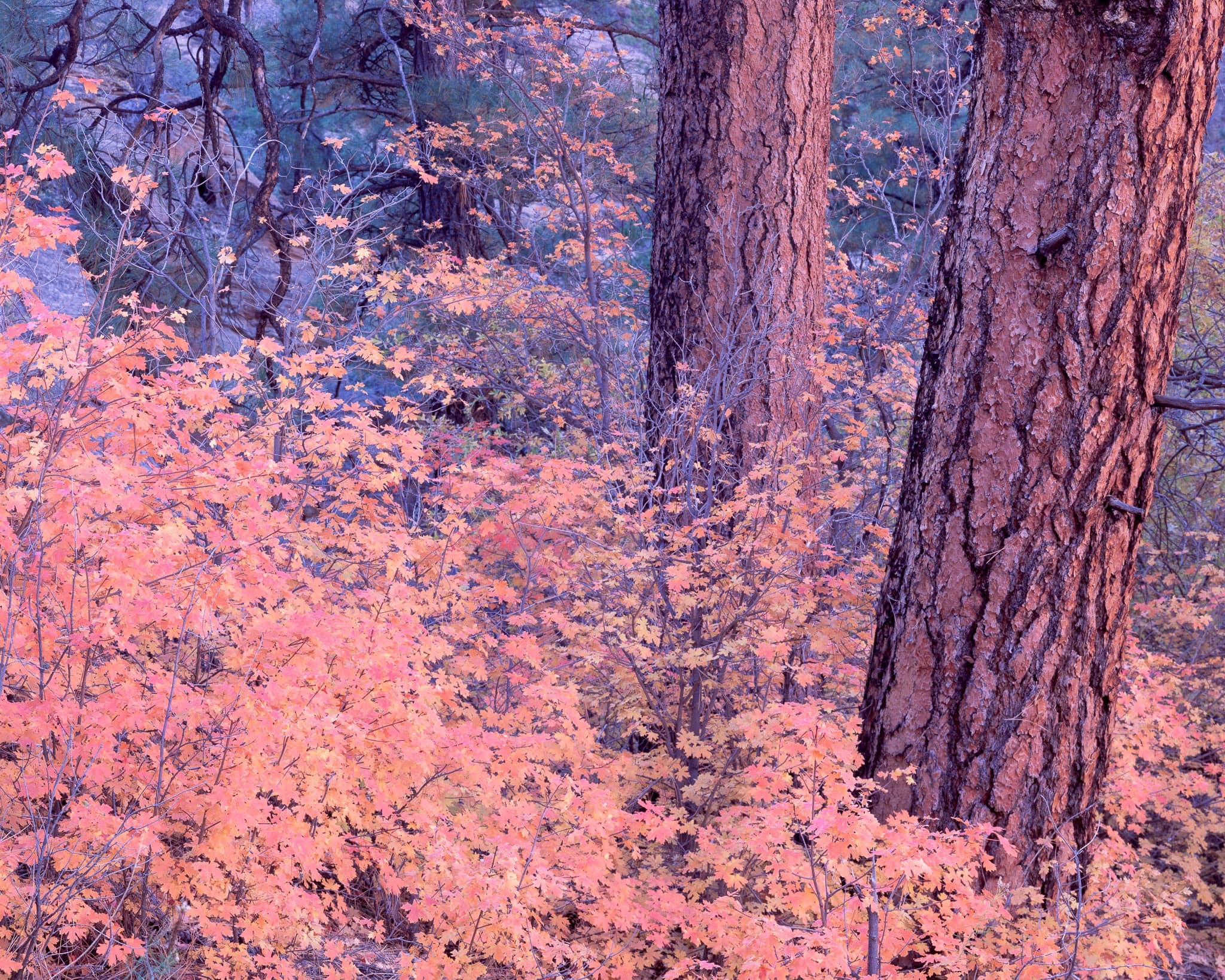
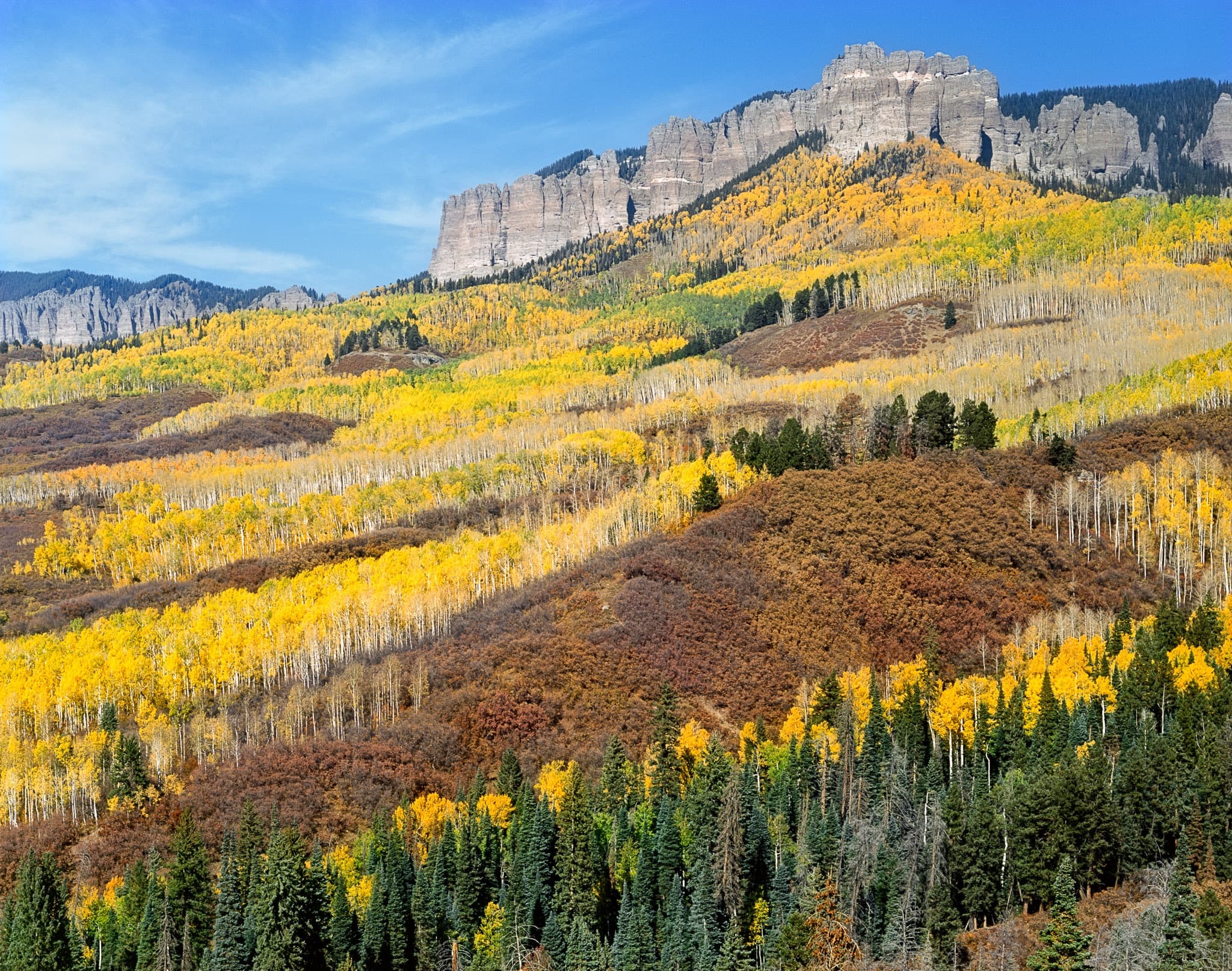
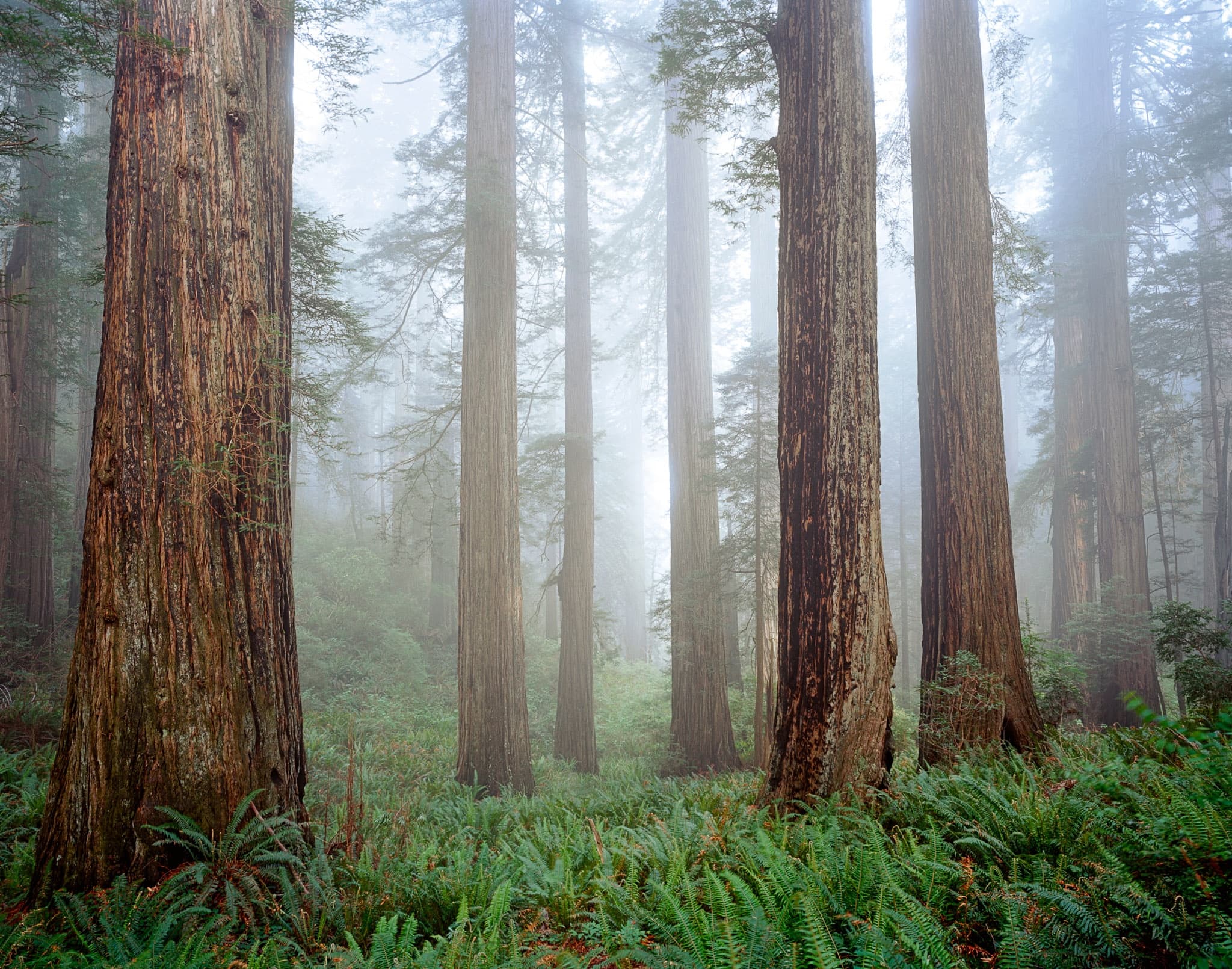
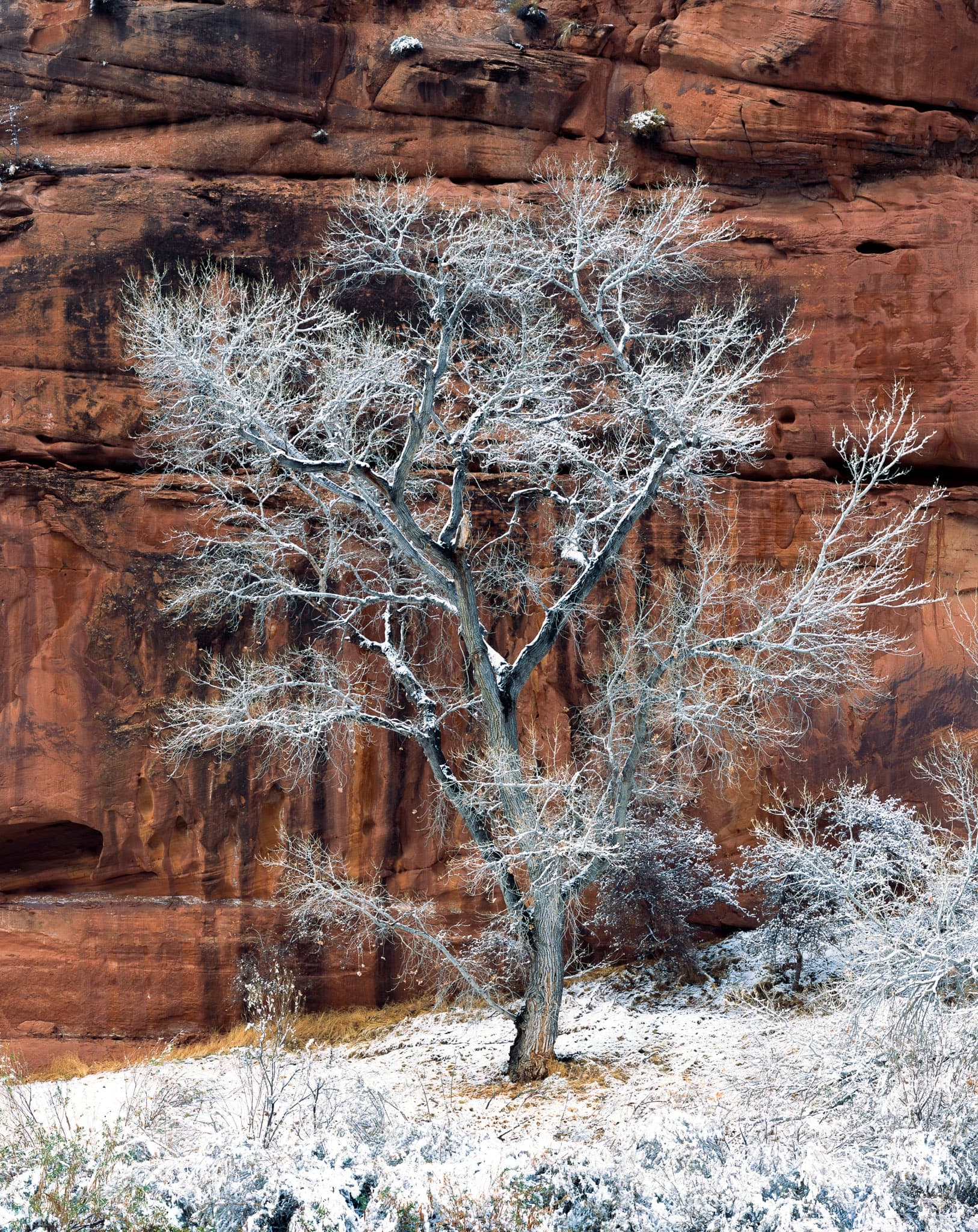
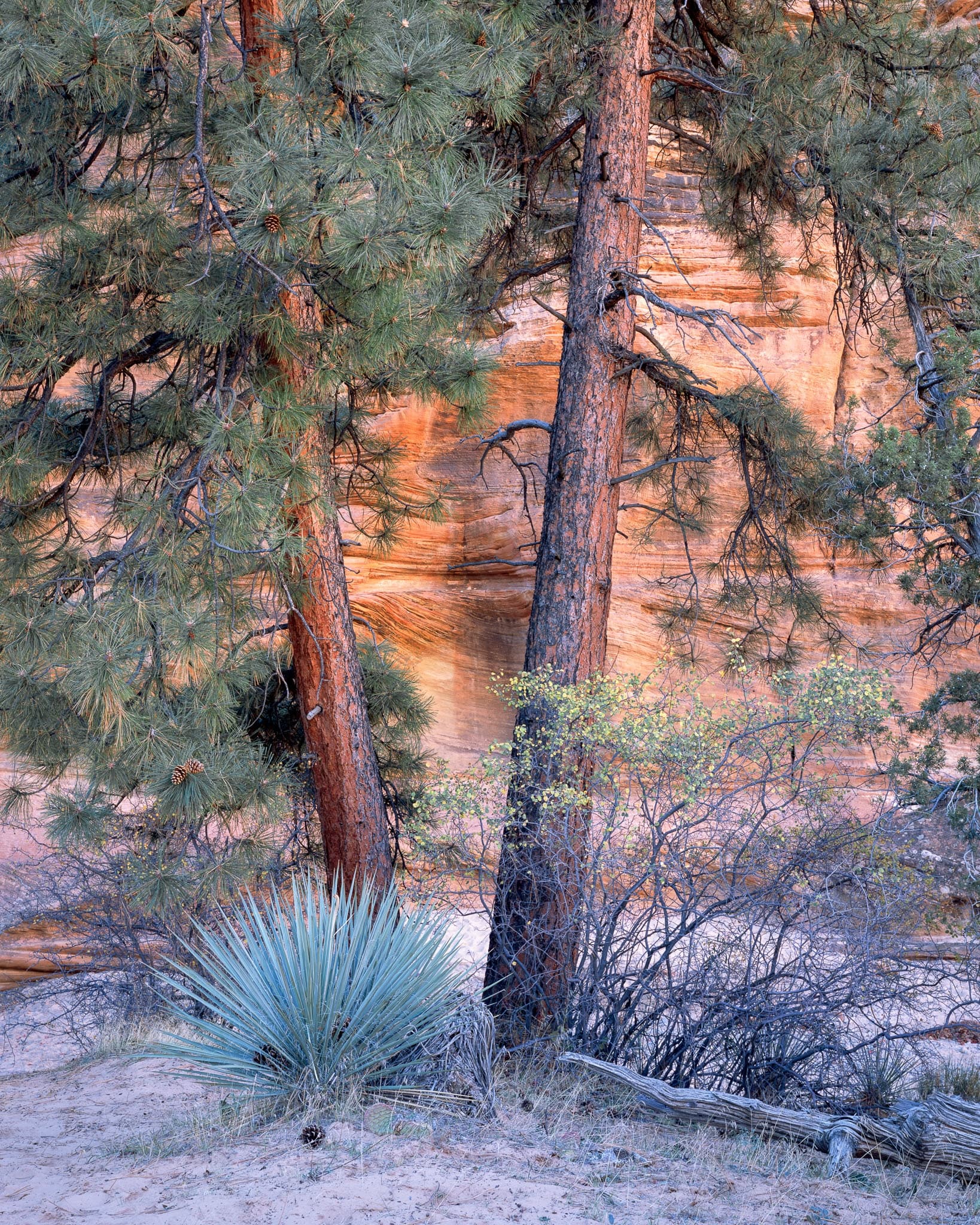
- Individual leaves on distant trees
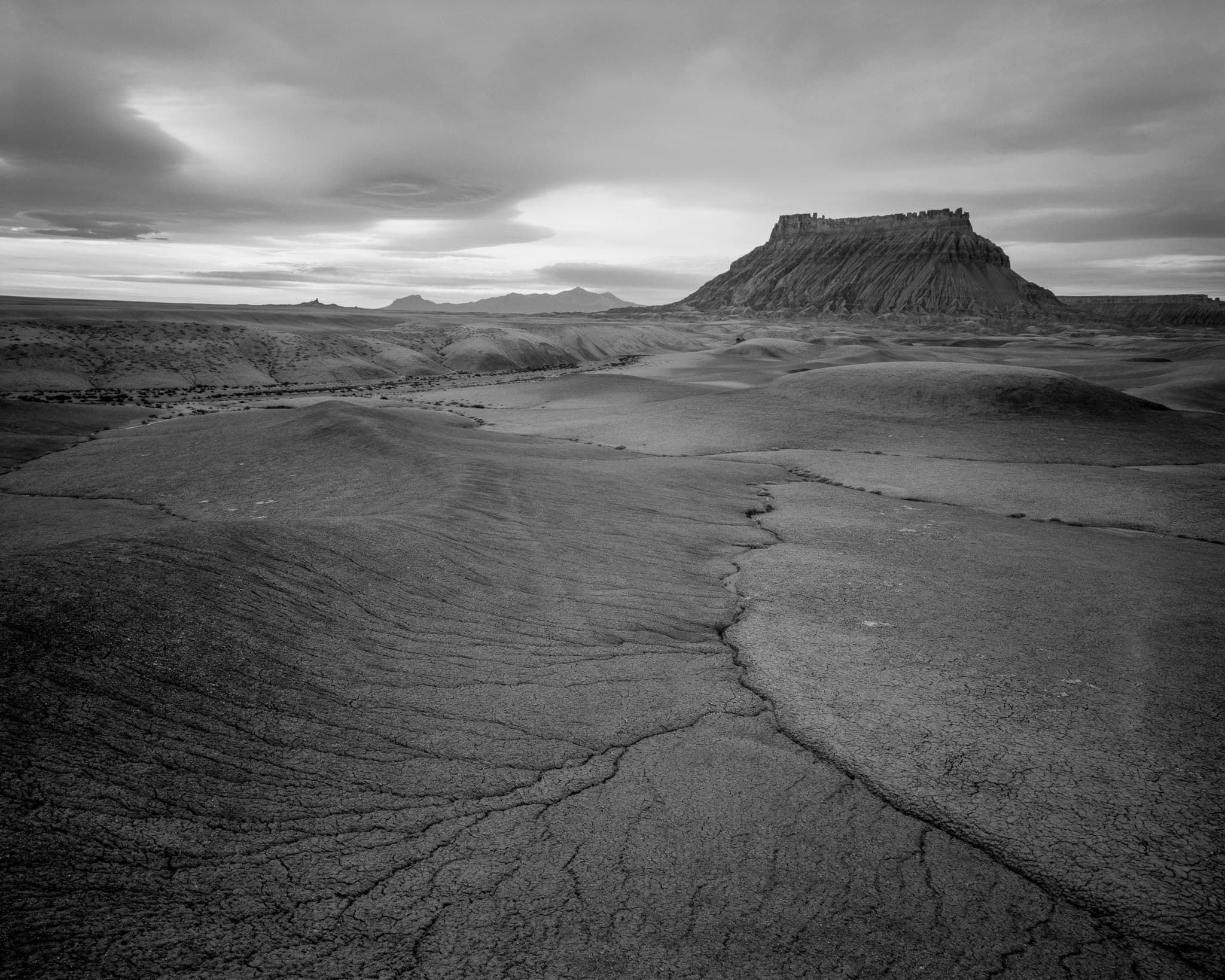
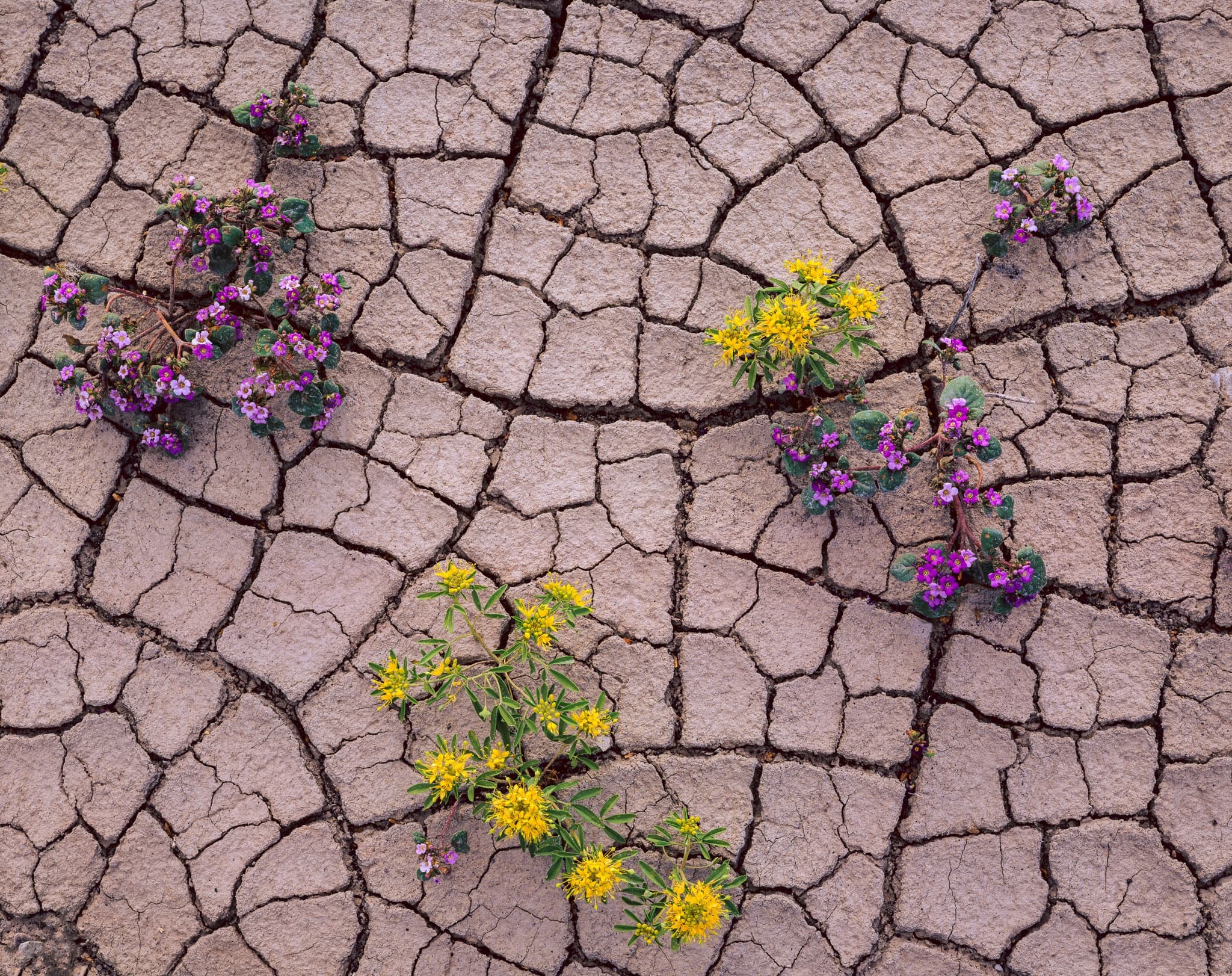
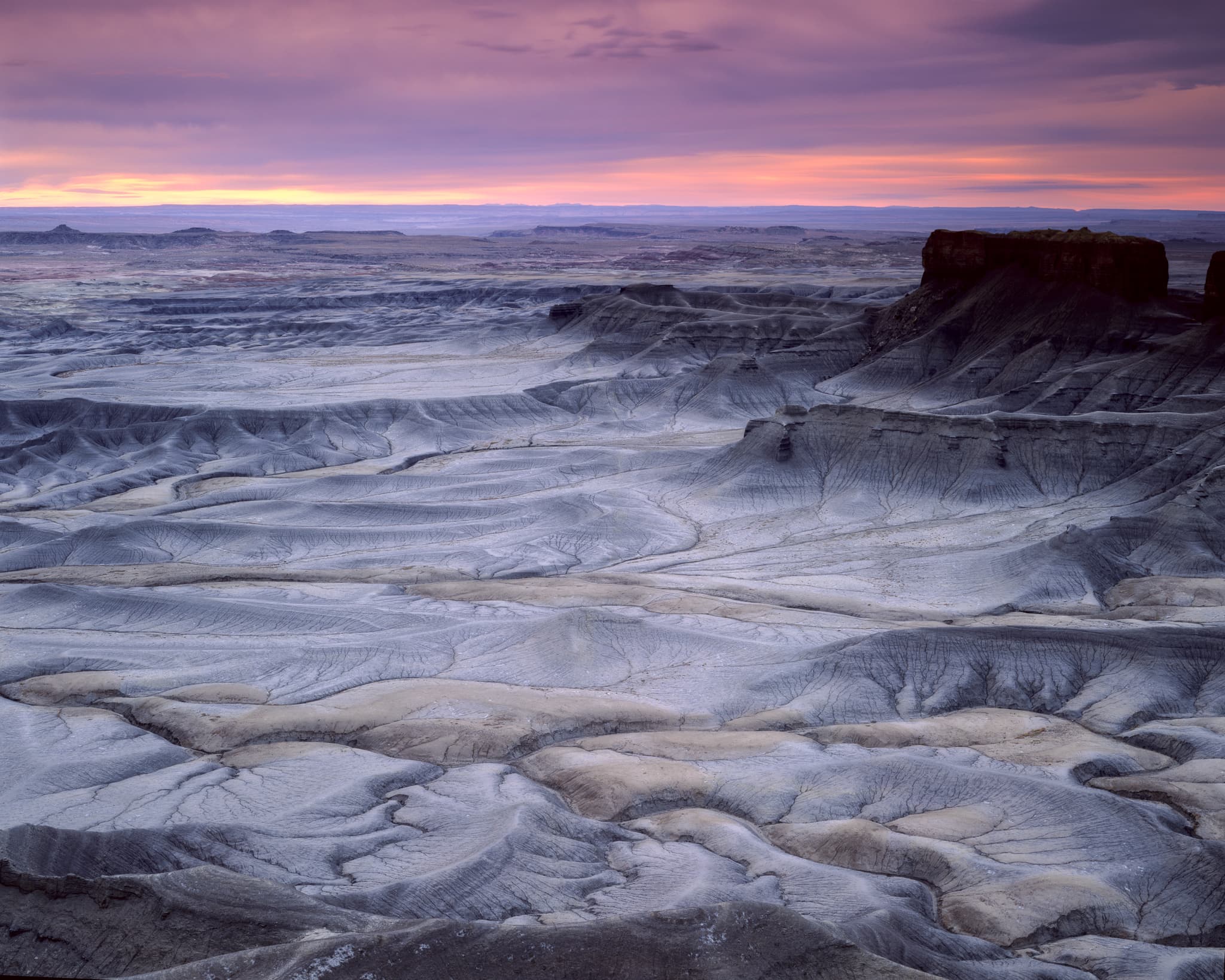
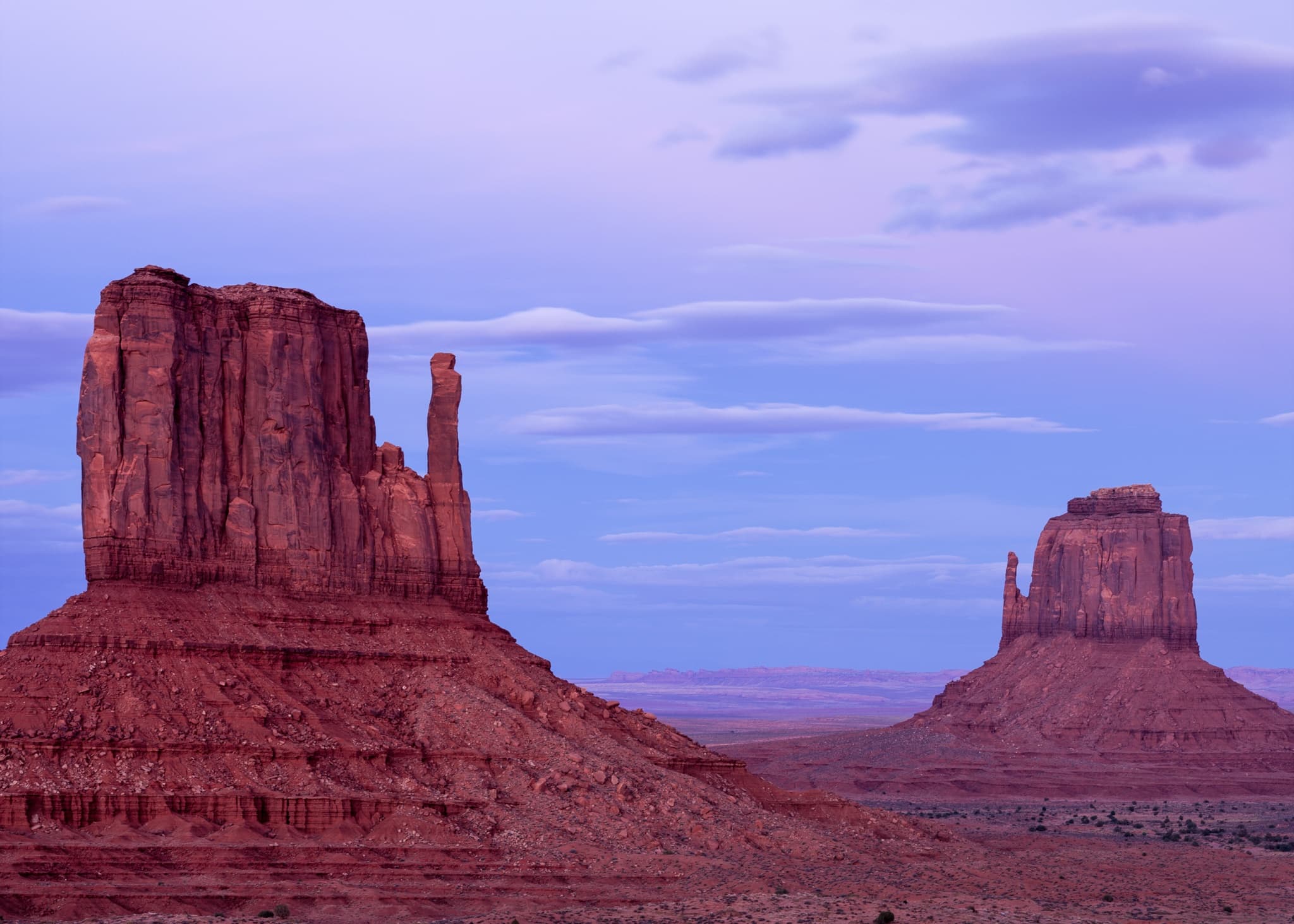
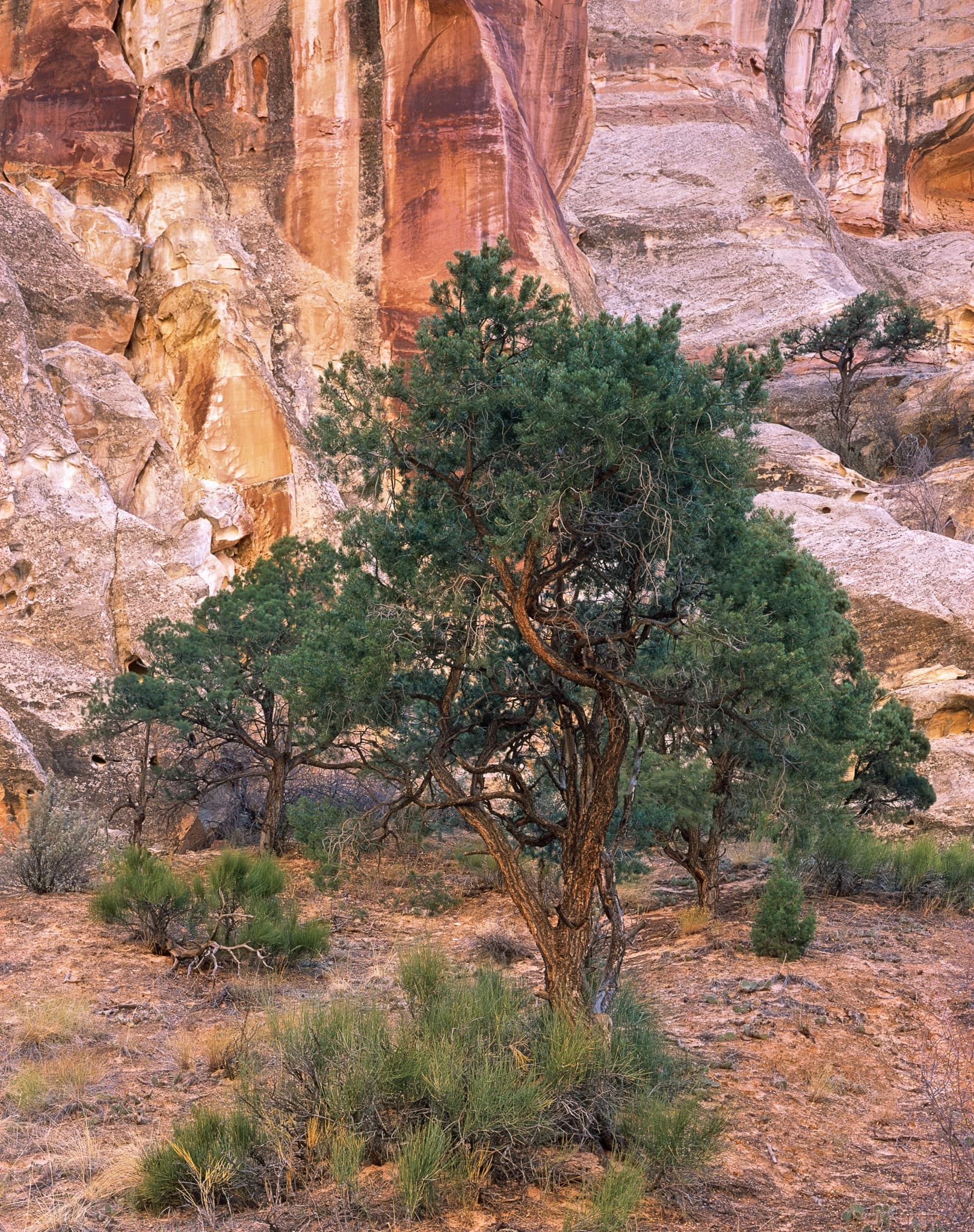
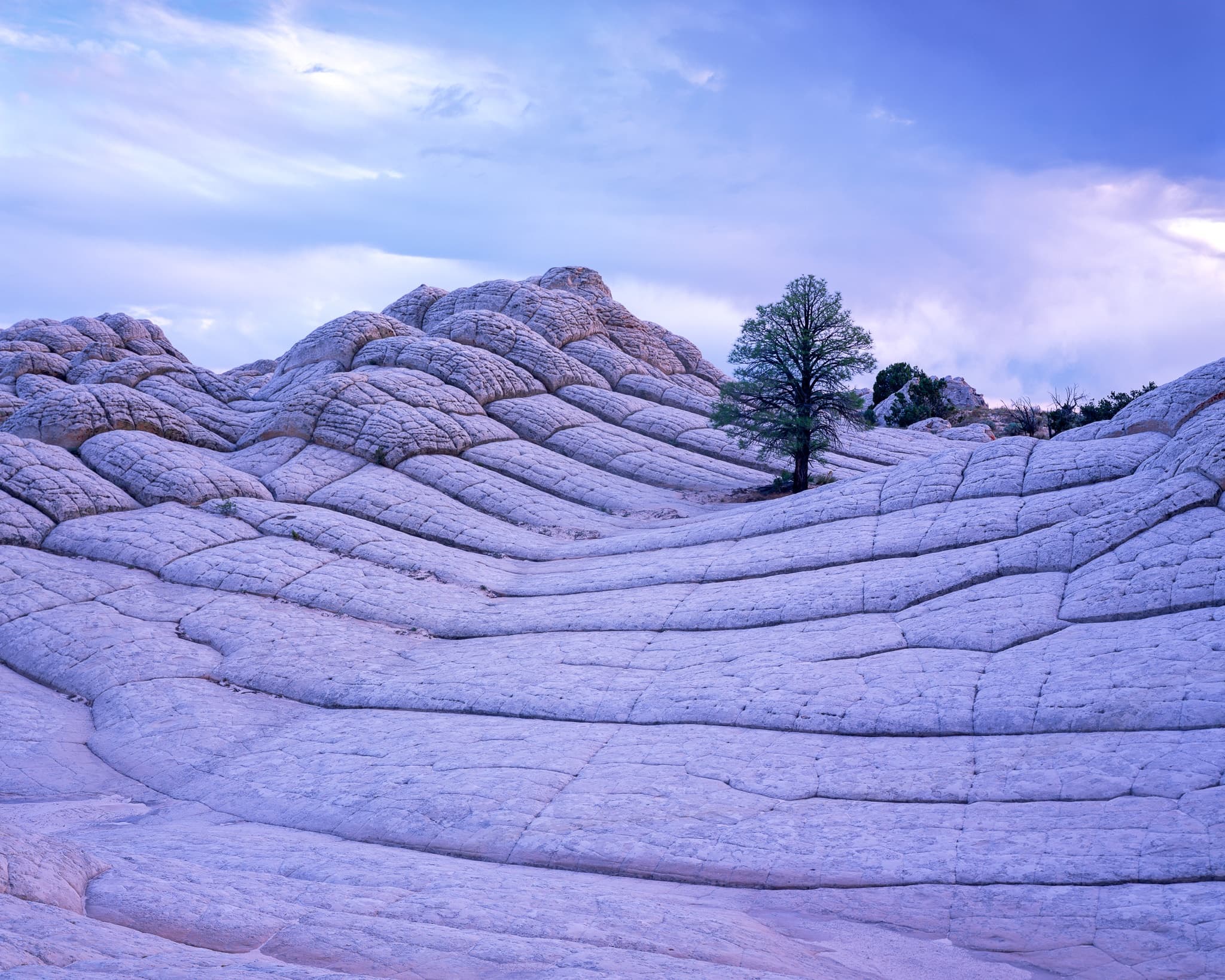
- Subtle rock textures
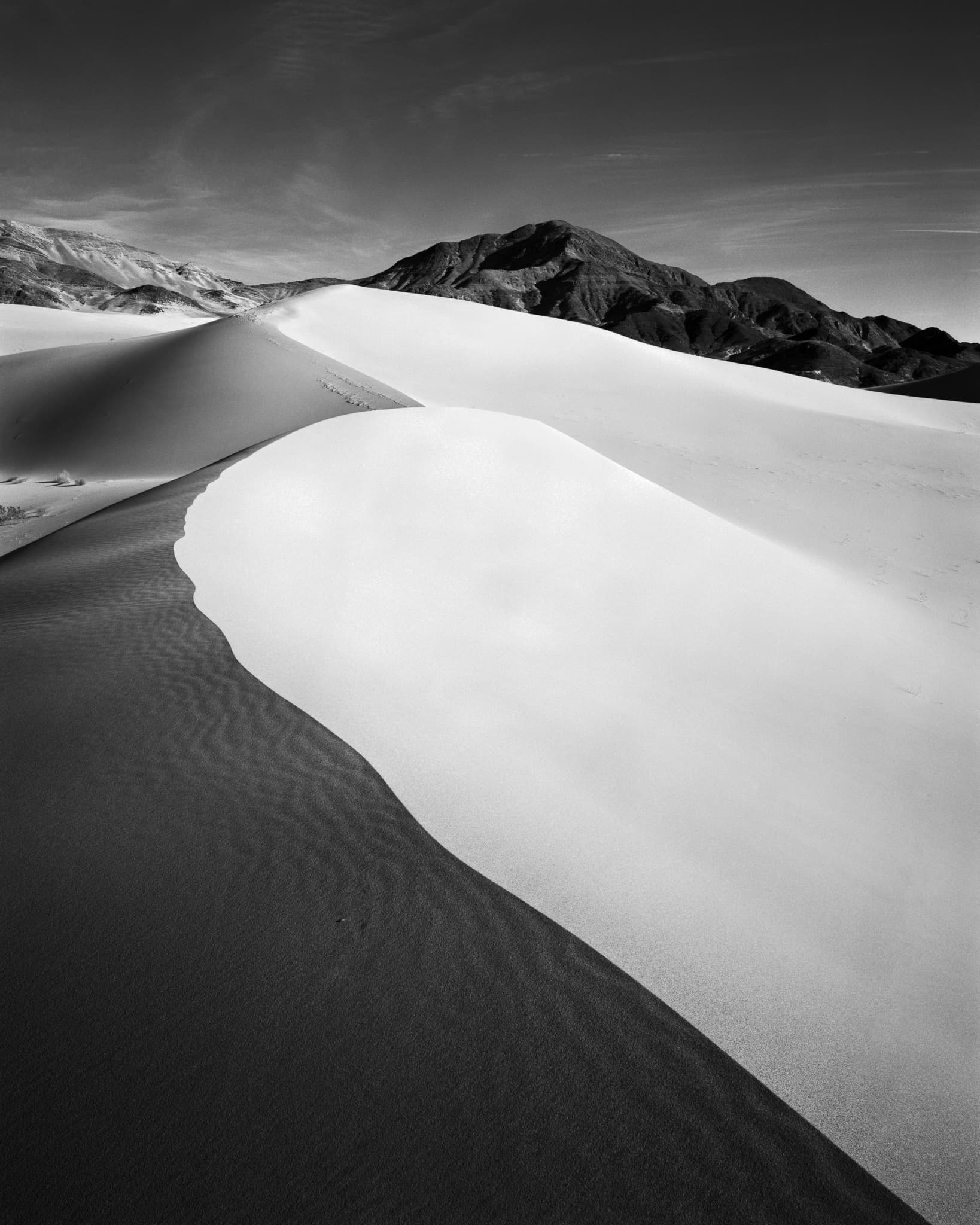
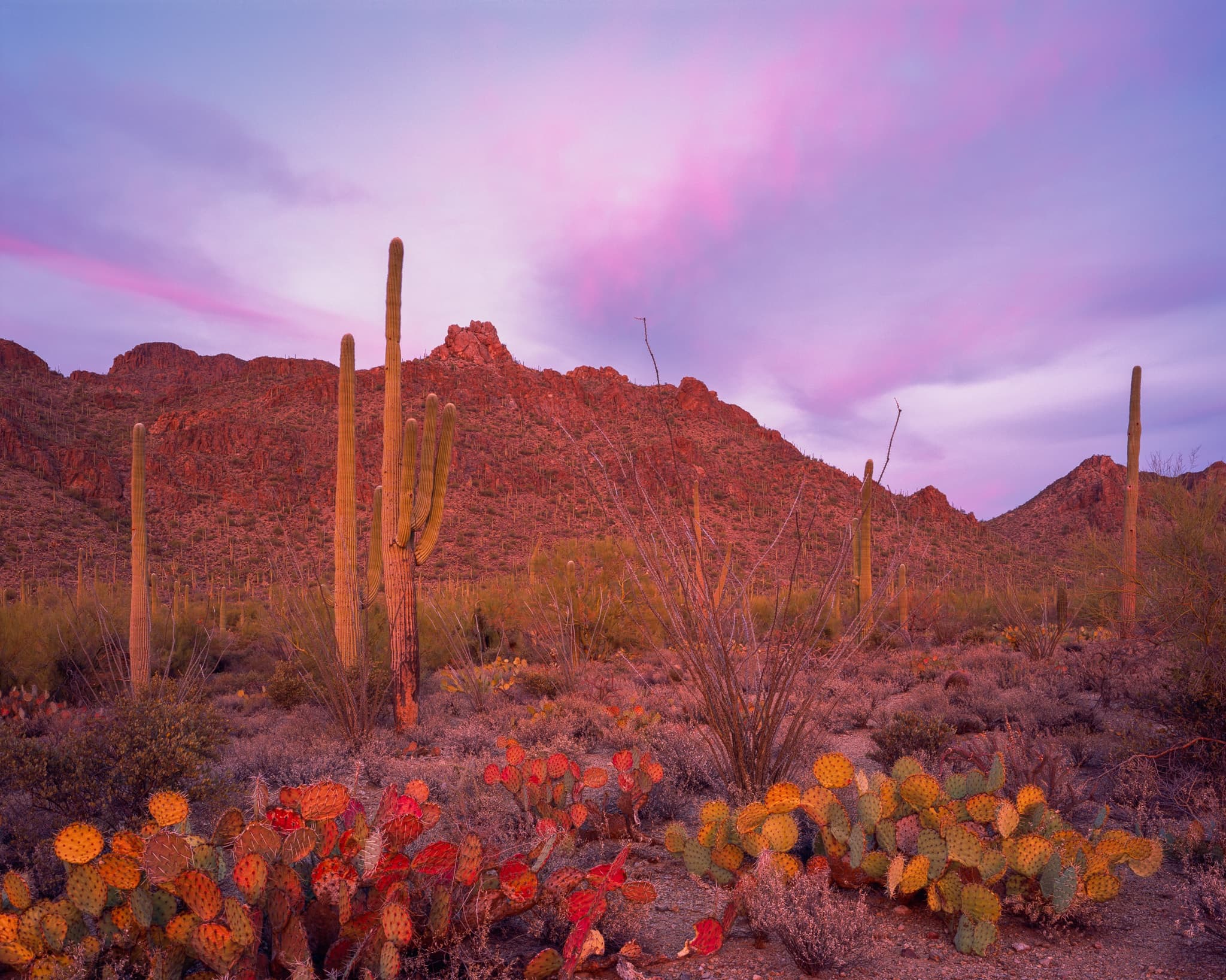
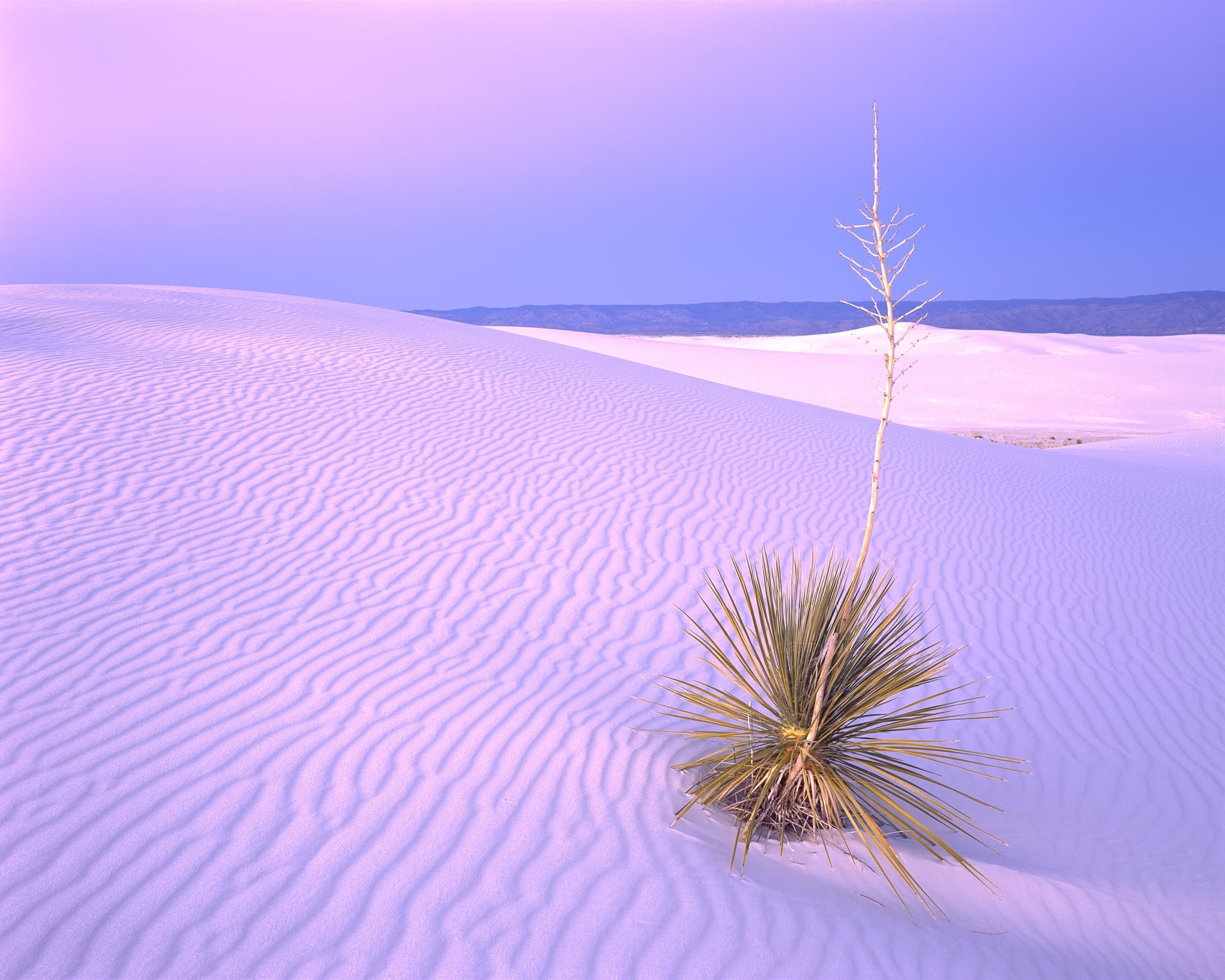
- Fine grain of sand dunes
- Details impossible with smaller formats
Display recommendations:
- 32x40 inches or larger showcases the format's capabilities
- Even diffused lighting reveals tonal subtleties
- Avoid harsh spotlights that create glare
- Premium framing with museum-quality materials
Traditional Photography Fine Art Prints
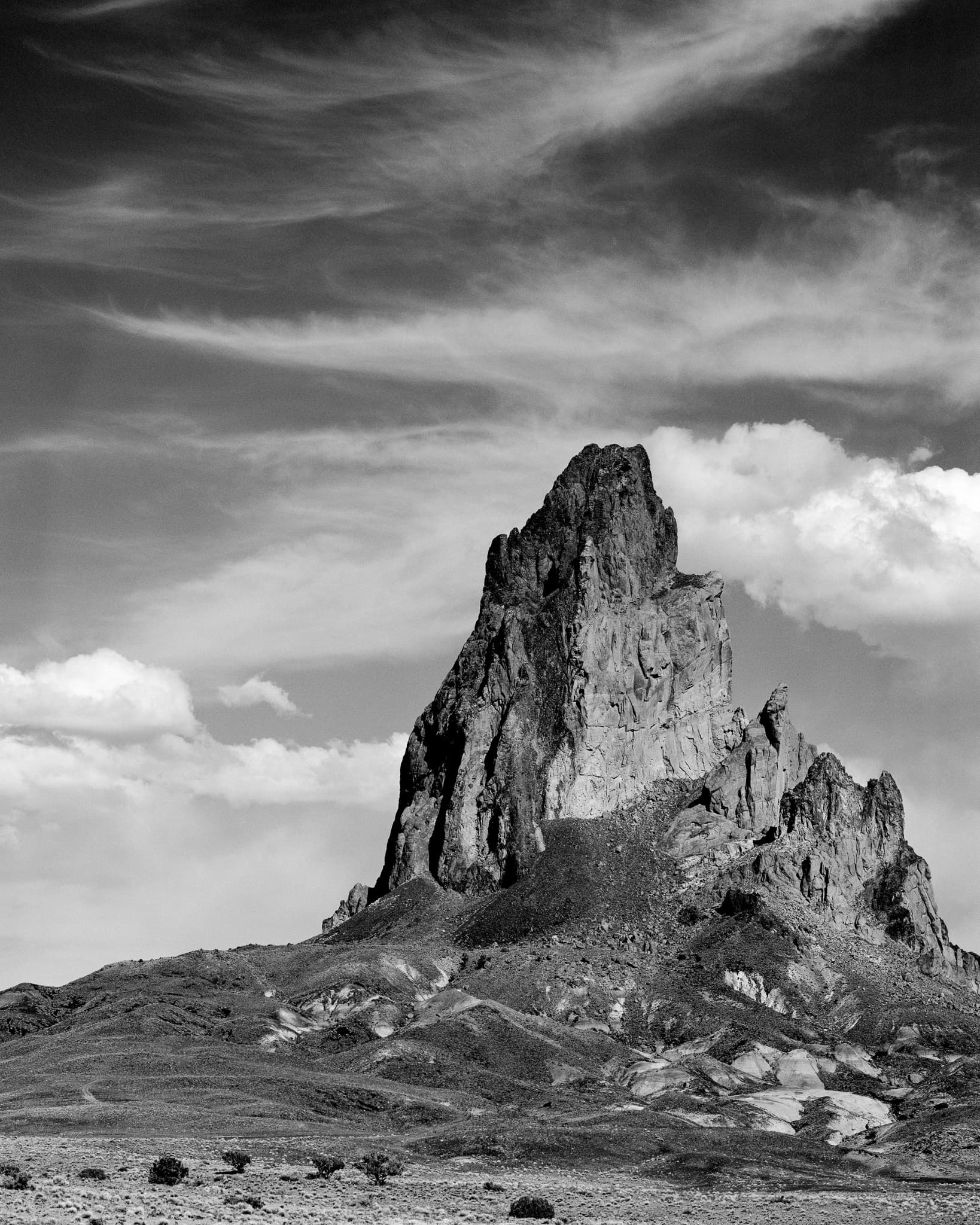
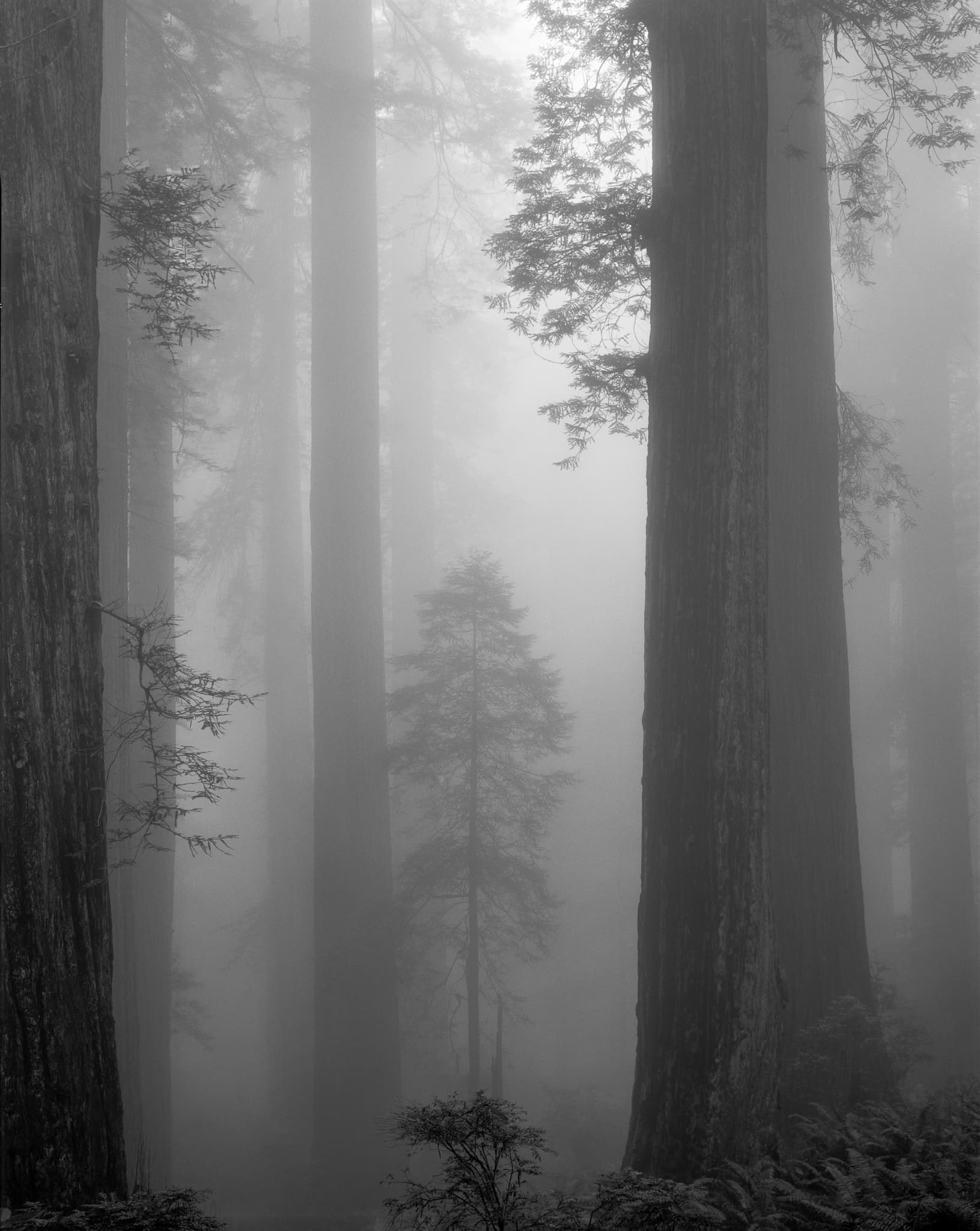
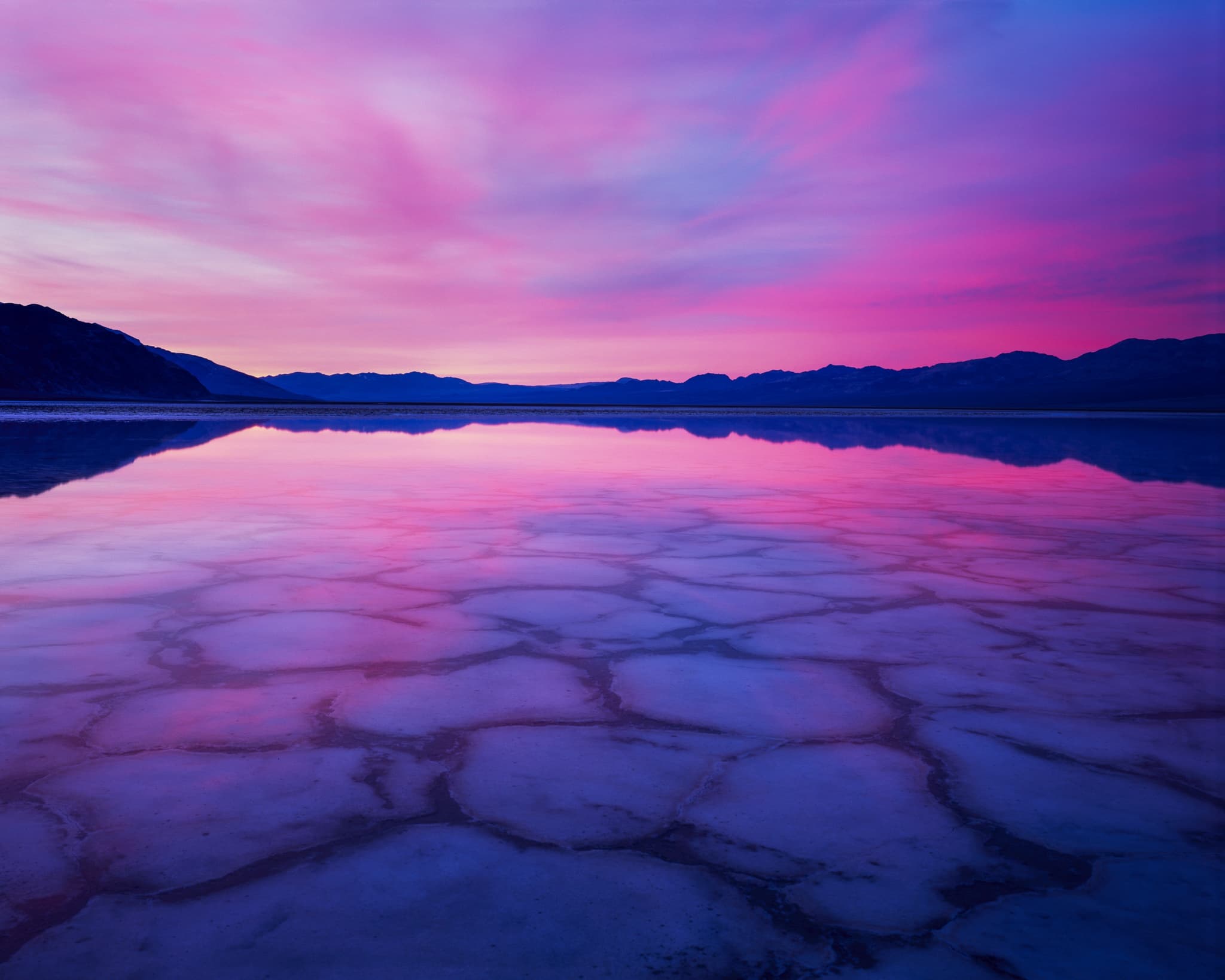
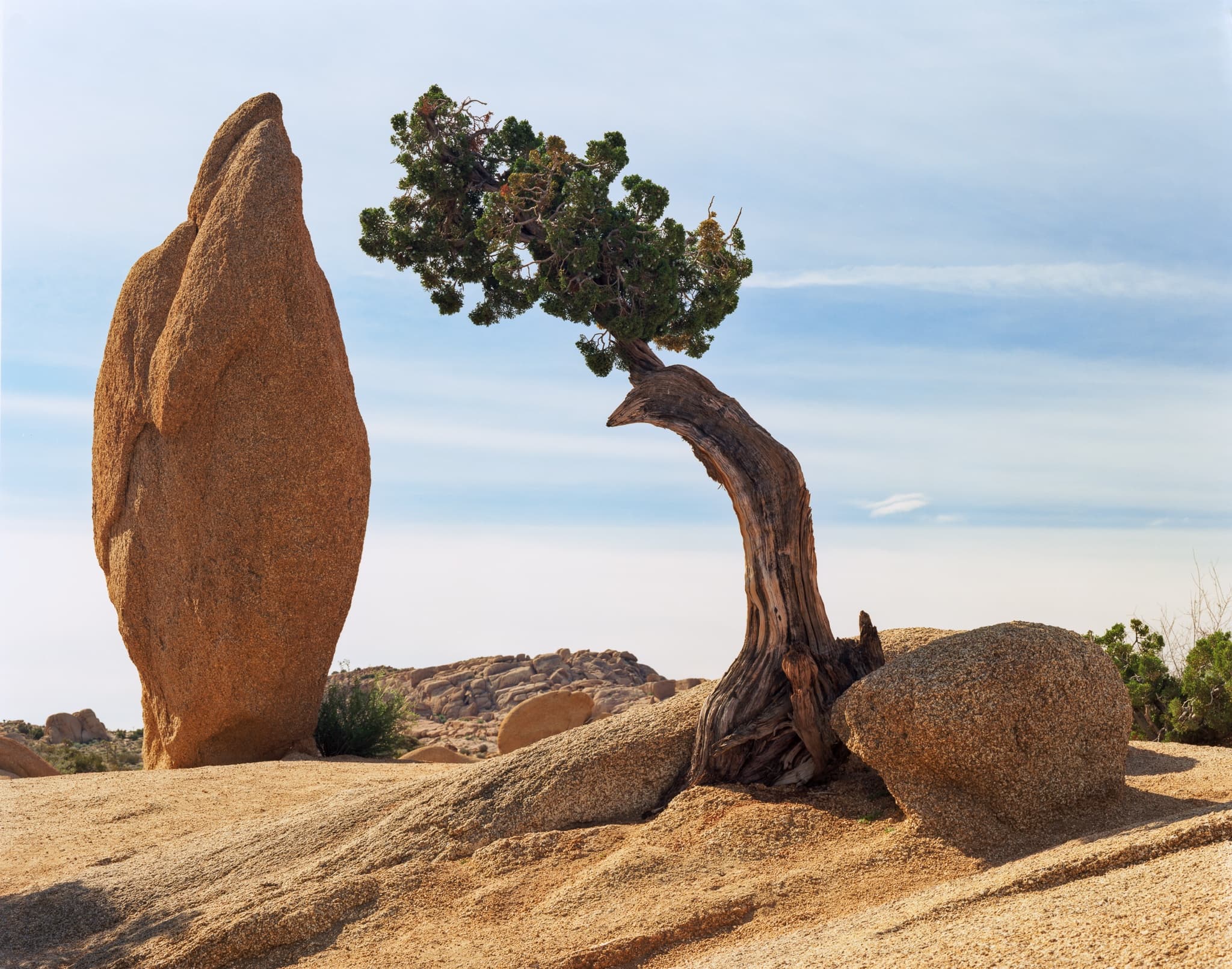
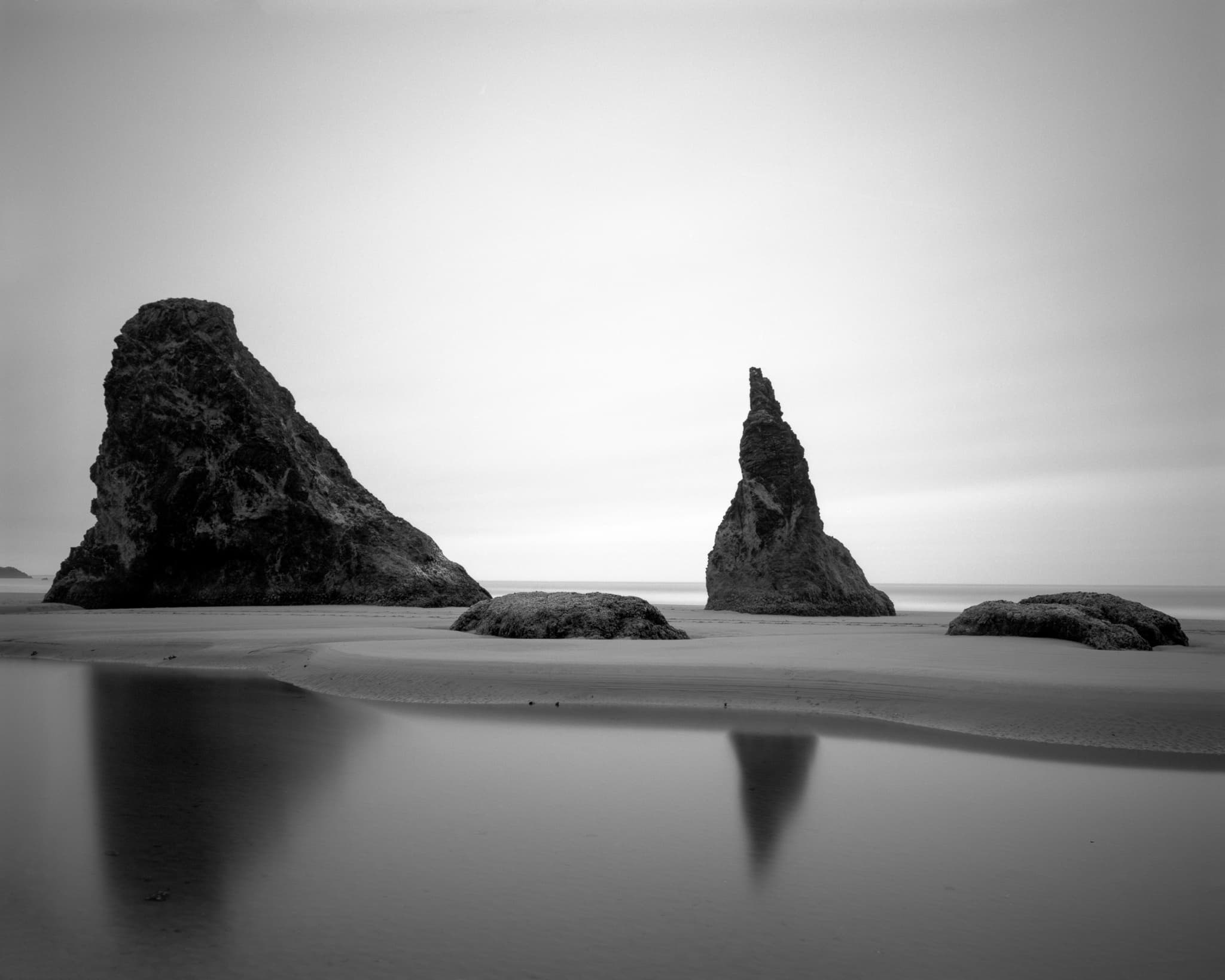
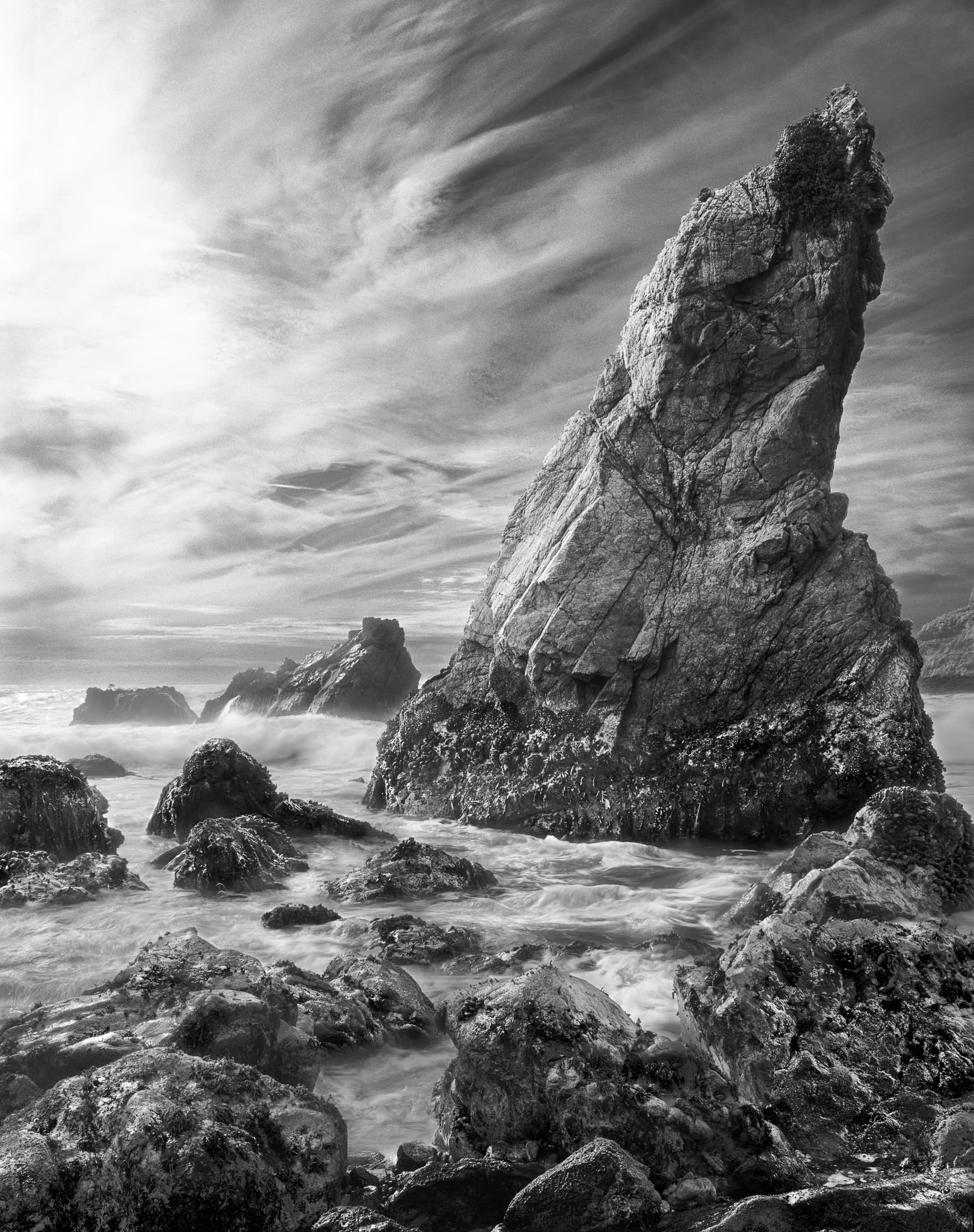
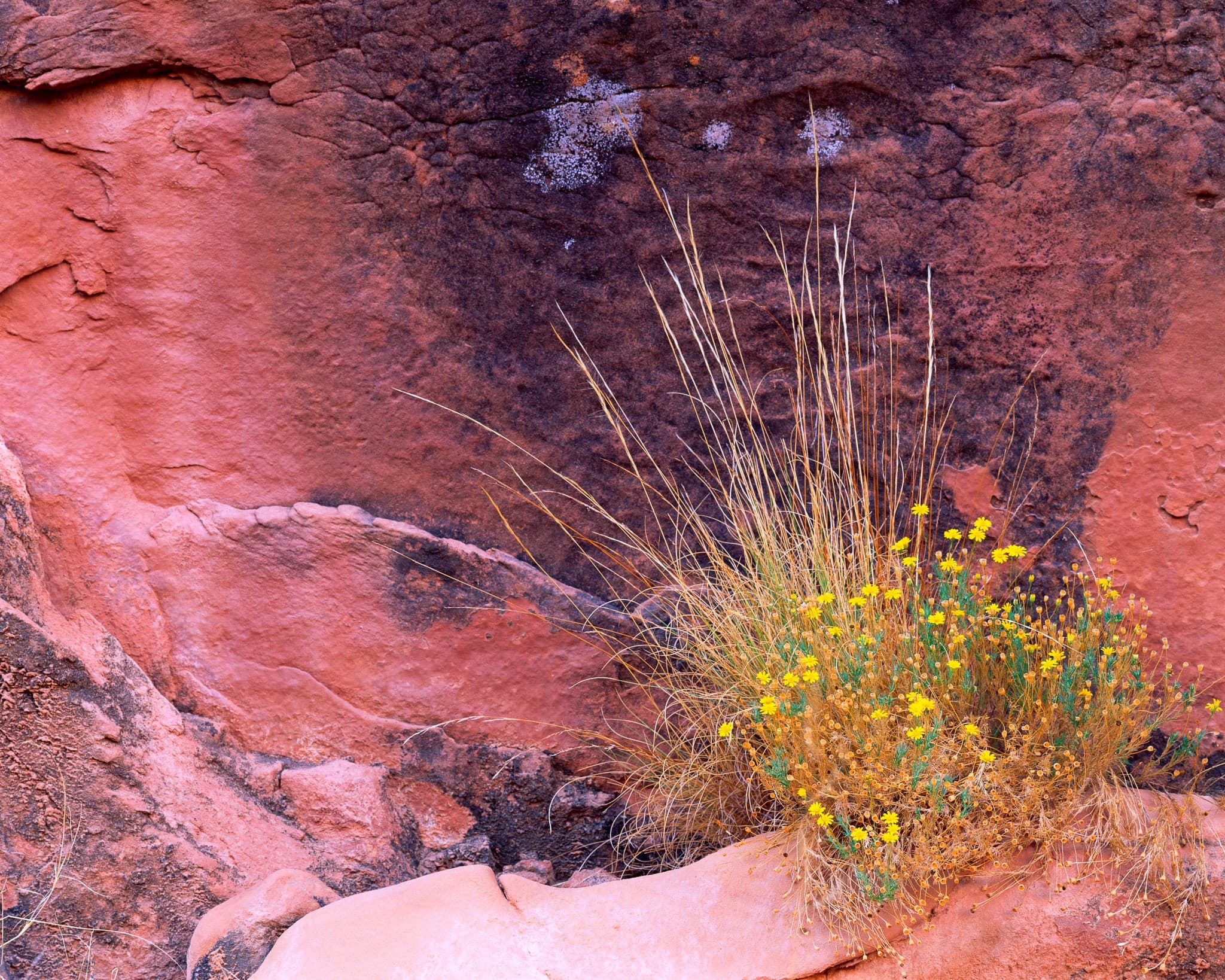
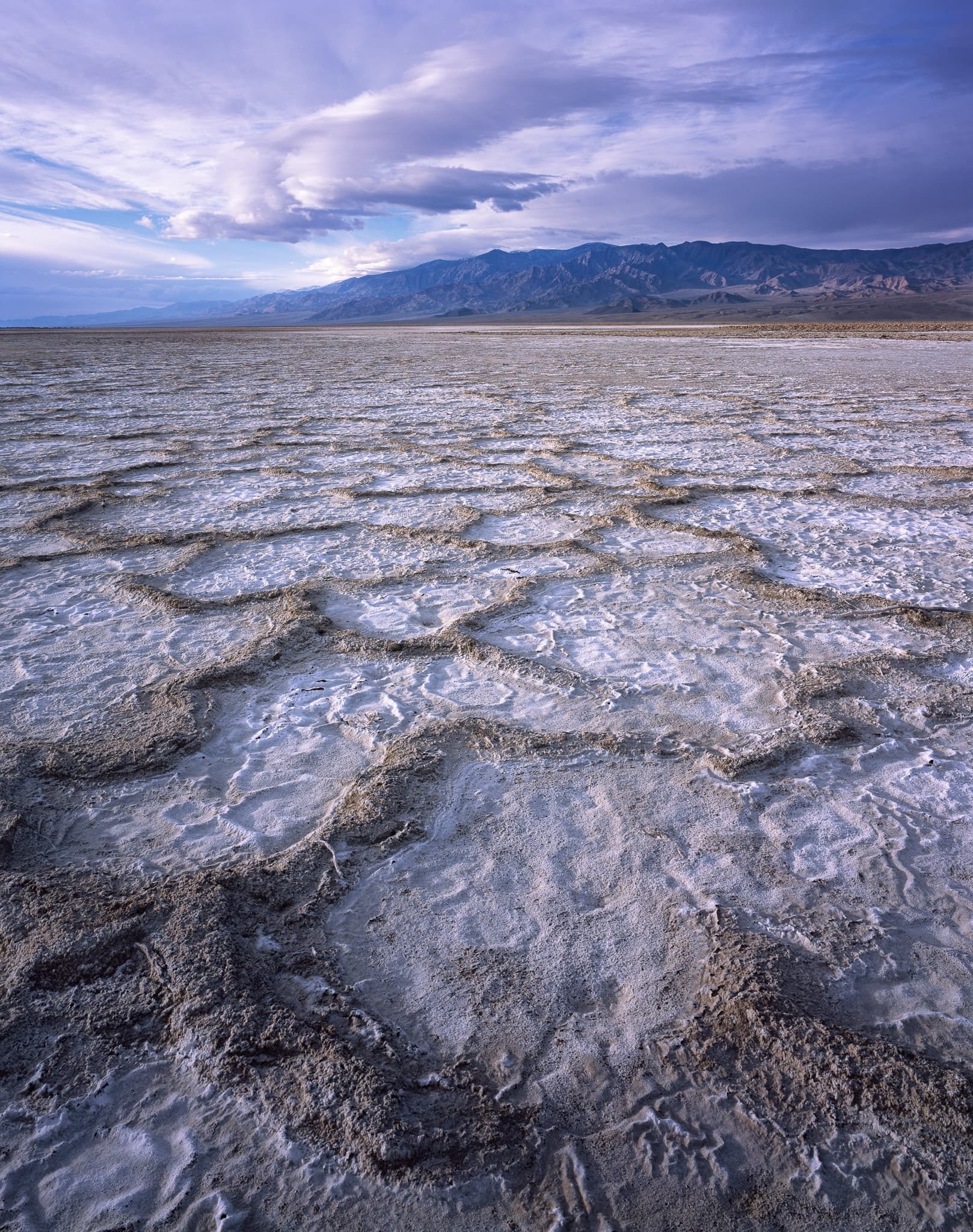
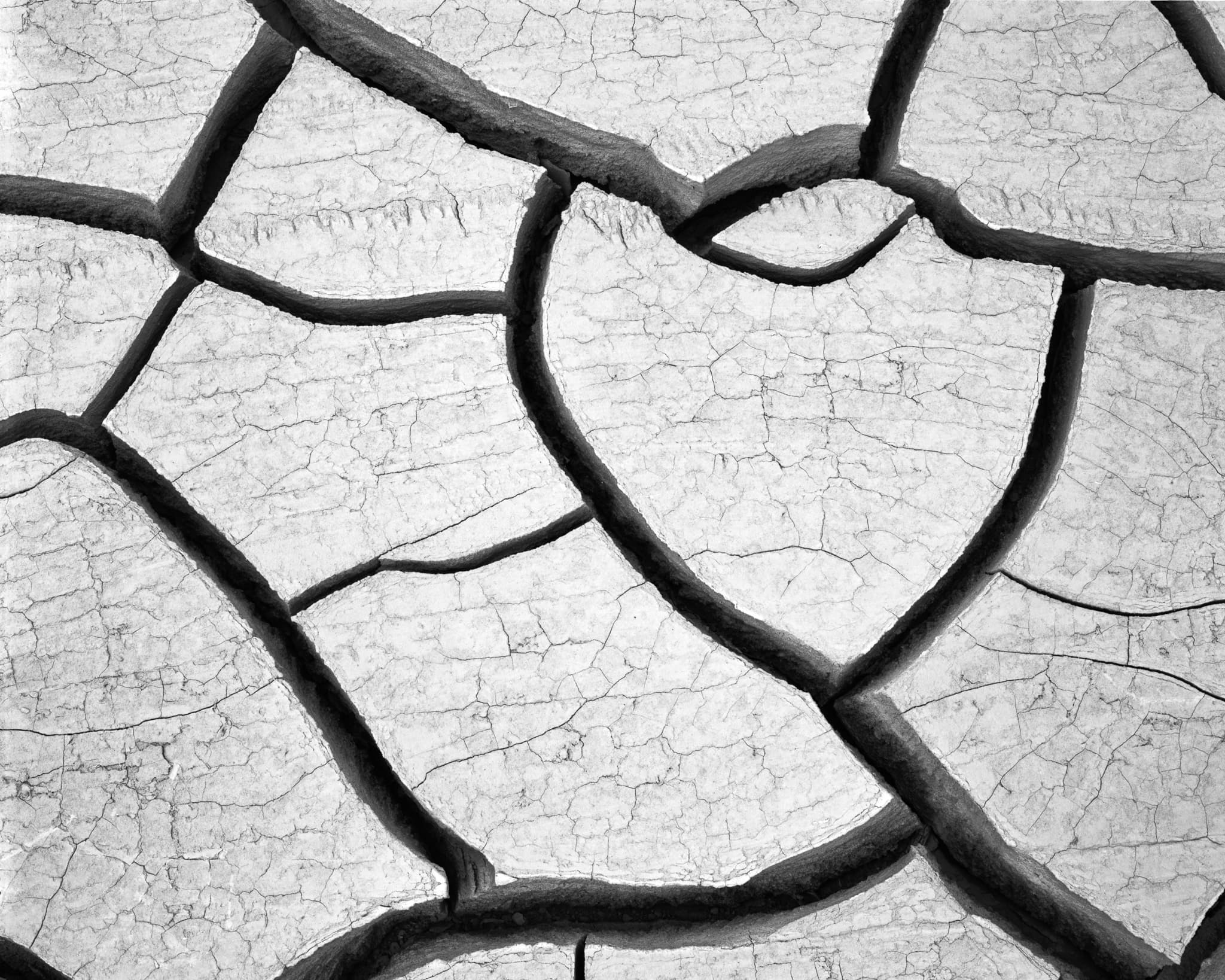
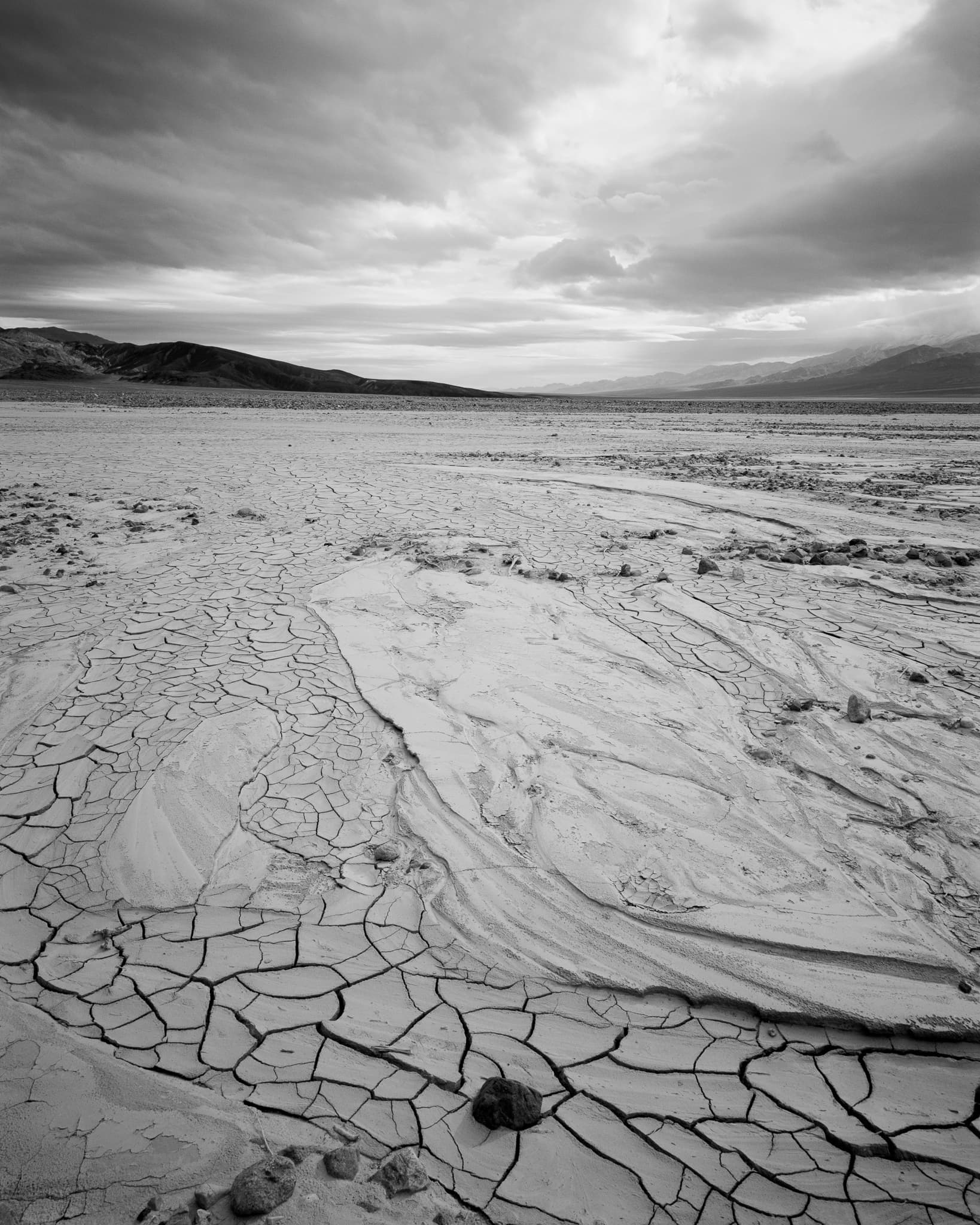
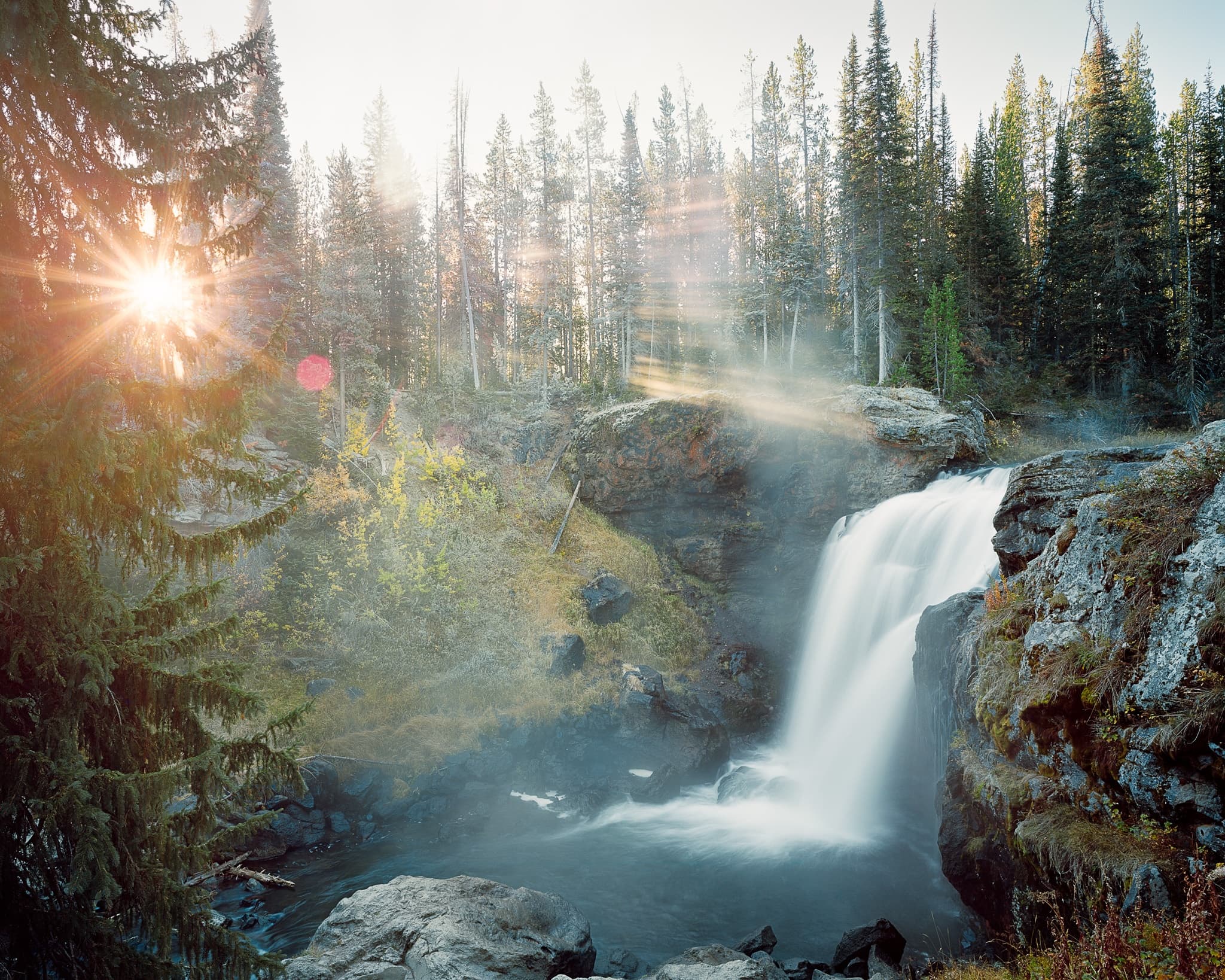
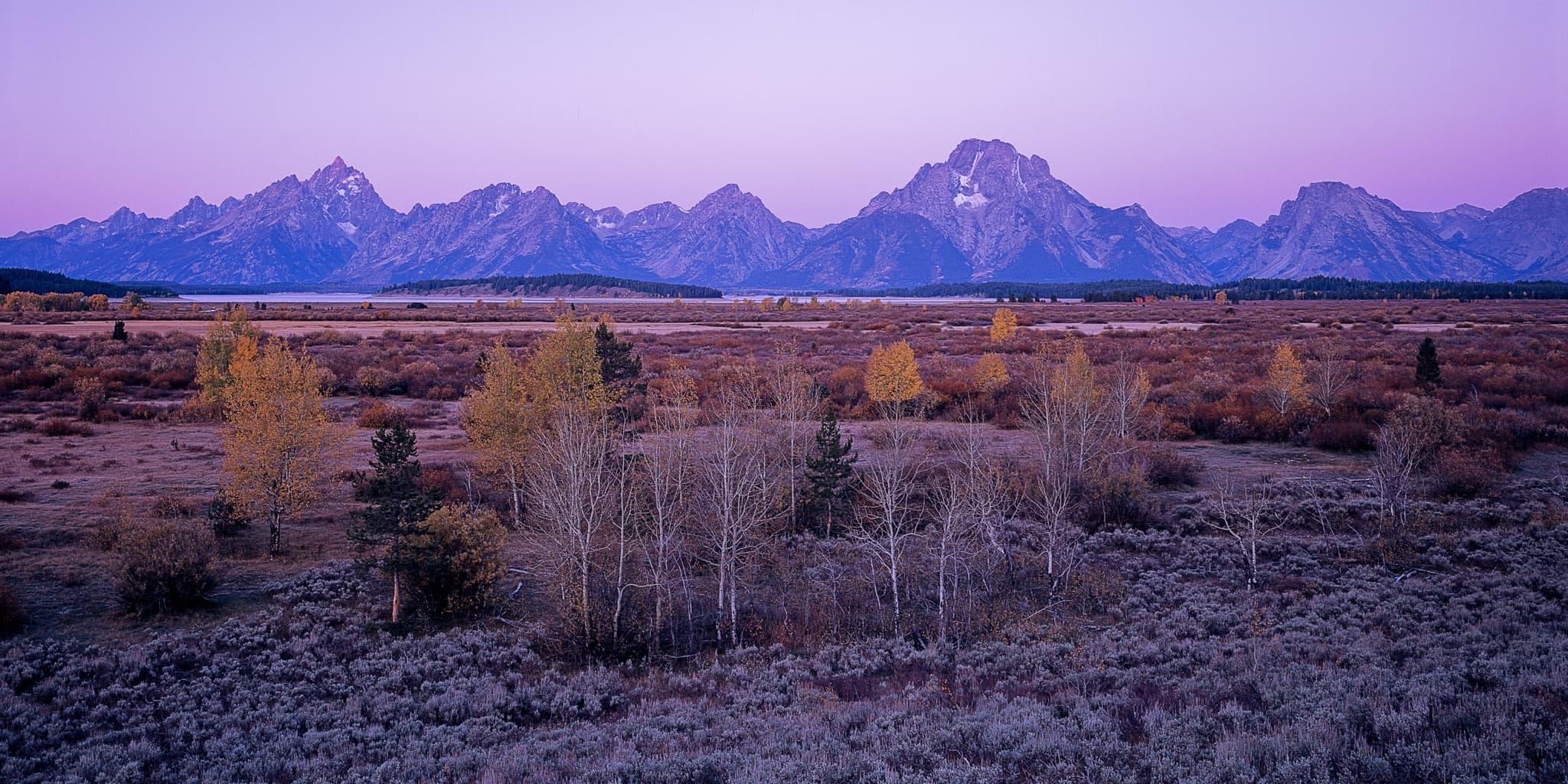
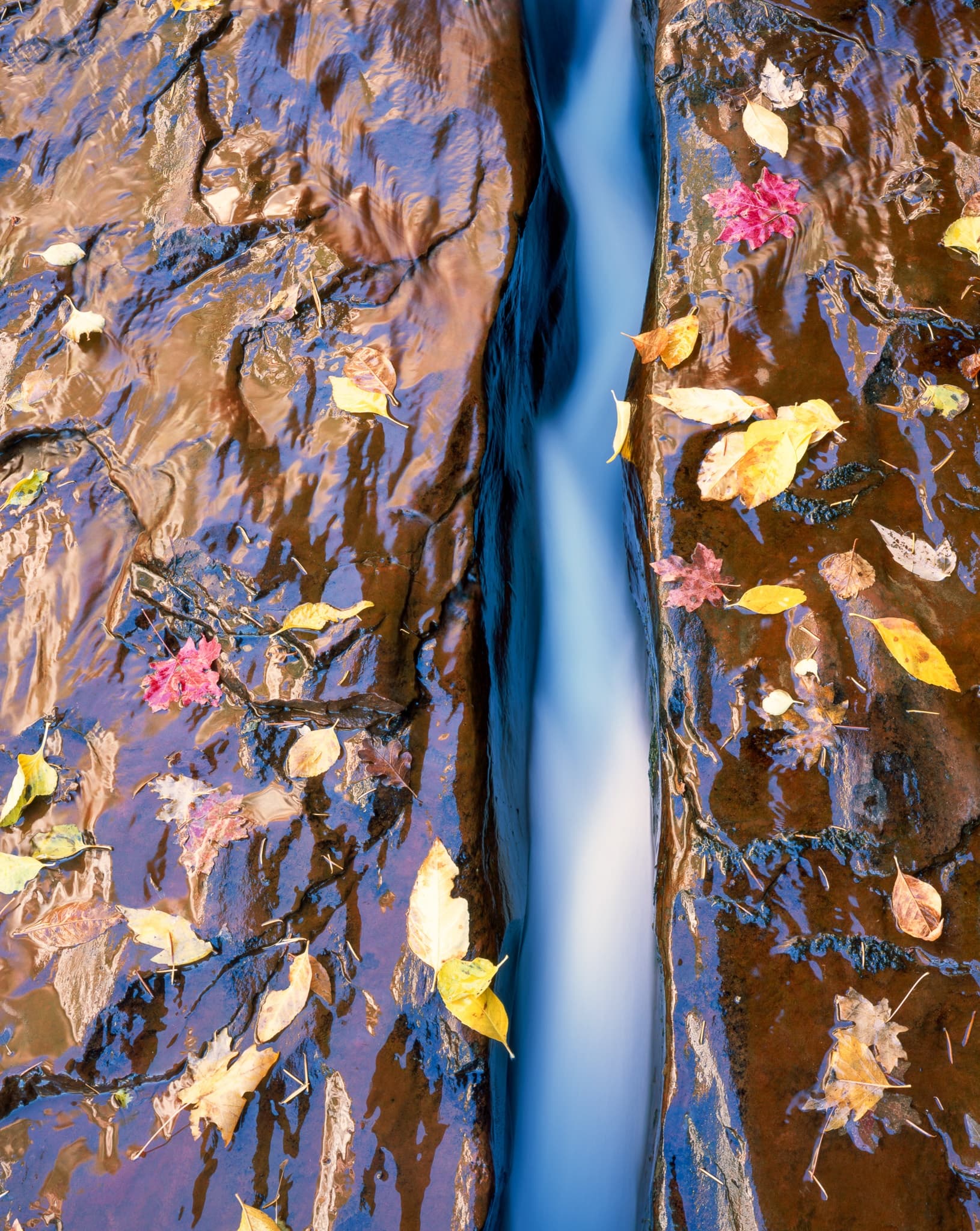
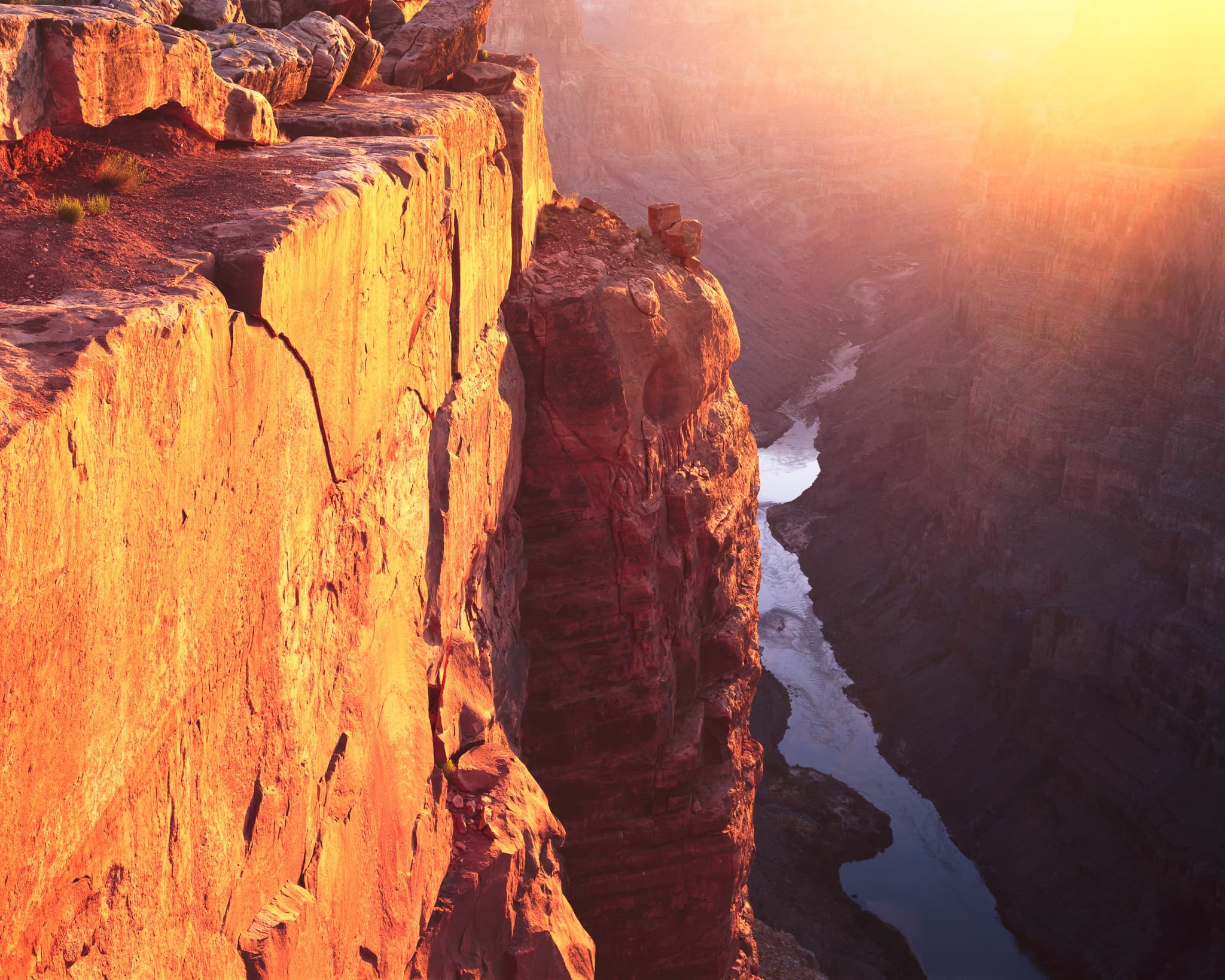
Large format landscape photography prints from 4x5 negatives are produced using archival techniques that preserve the exceptional quality, detail, and tonal range inherent in traditional film photography. Each print captures the remarkable clarity and smooth gradations that make traditional landscape photography compelling for serious collectors who appreciate traditional photographic craft, museum-quality results, and the timeless aesthetic of large format film.
Limited edition prints available in sizes from 16x20 inches to large 40x50 inch gallery pieces that showcase the exceptional detail and resolution of large format landscape photography. All prints include certificates of authenticity and are produced on museum-quality materials suitable for serious collectors of traditional fine art photography.