
Death Valley Landscape Photography
Badwater Basin & Salt Flats
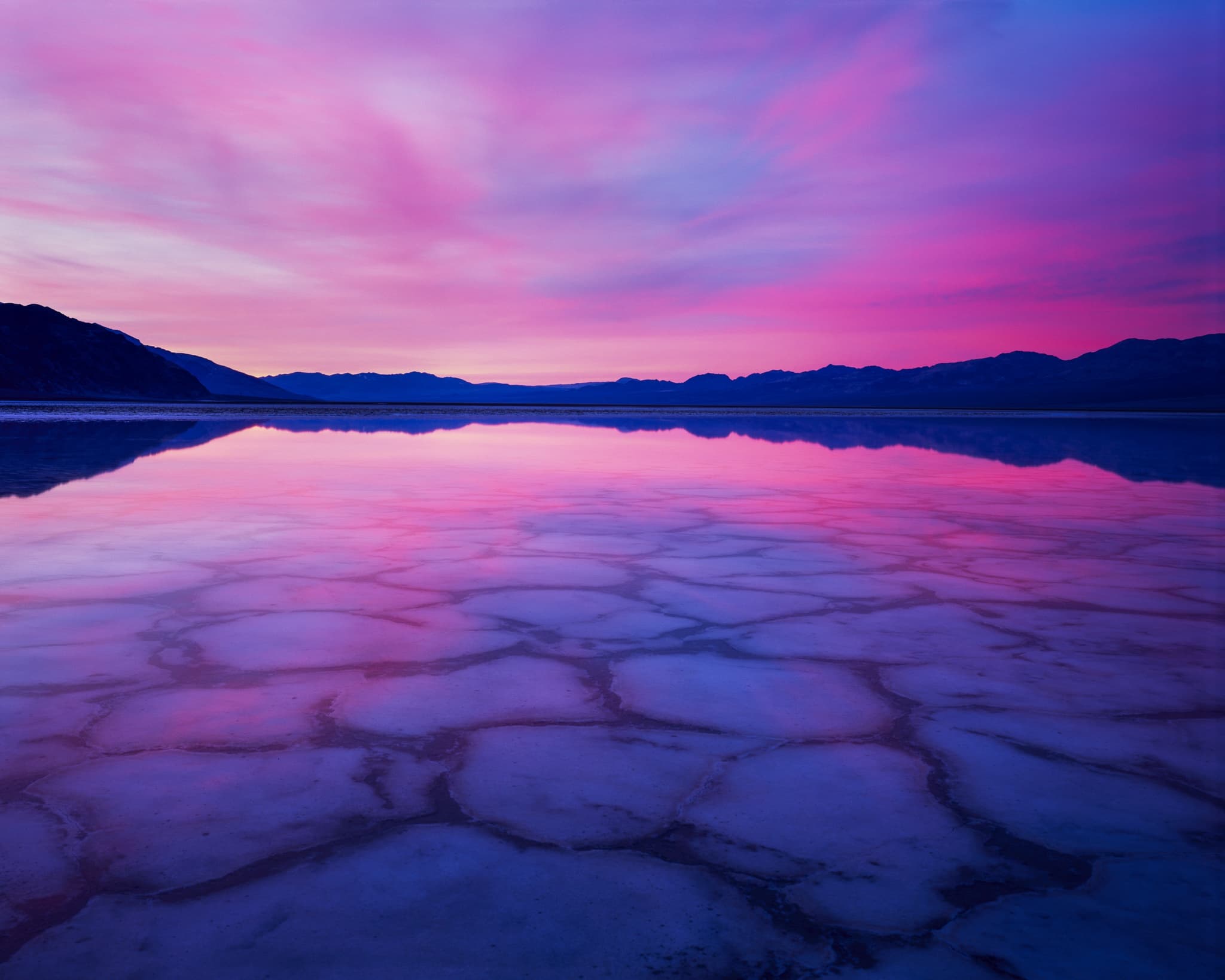
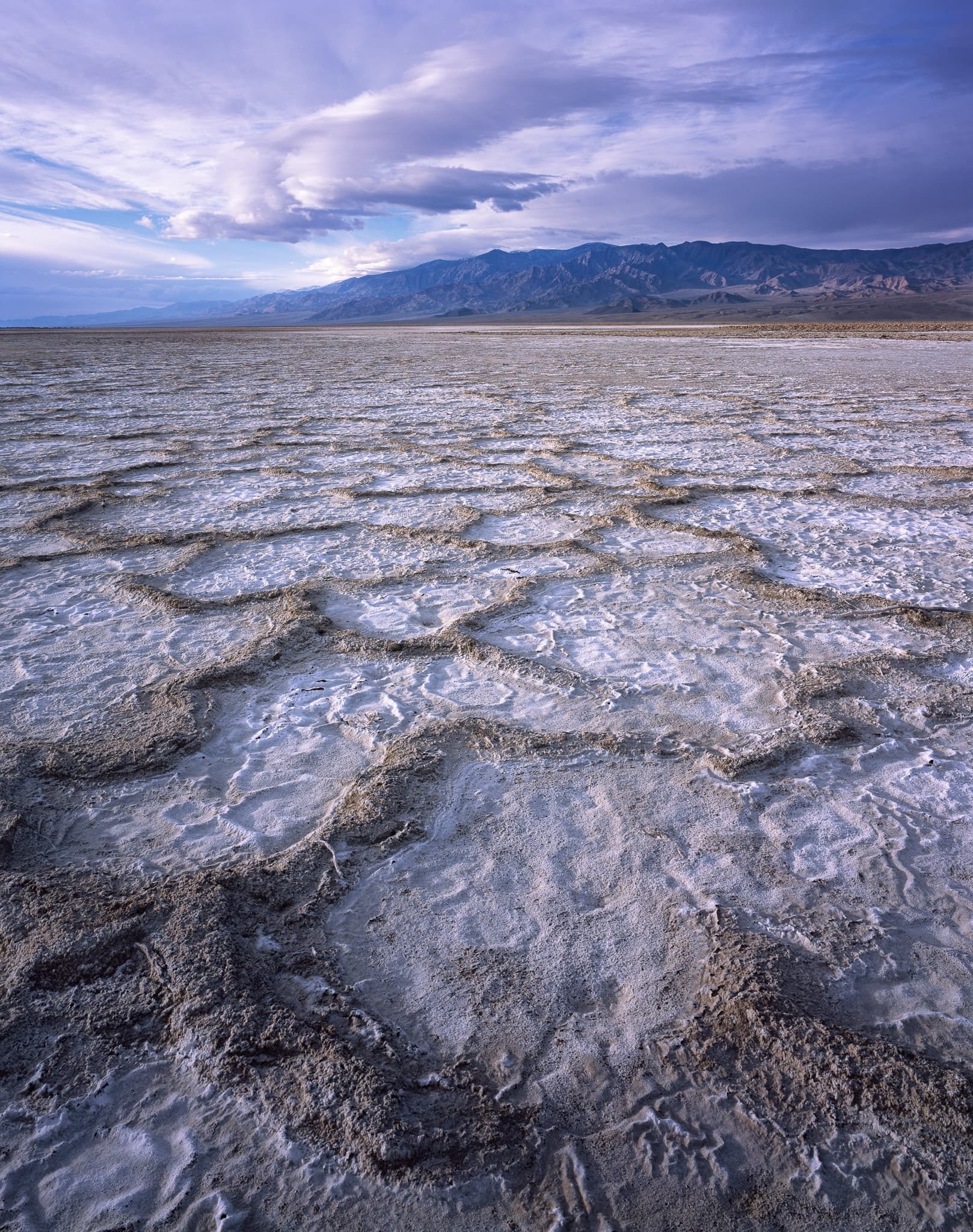
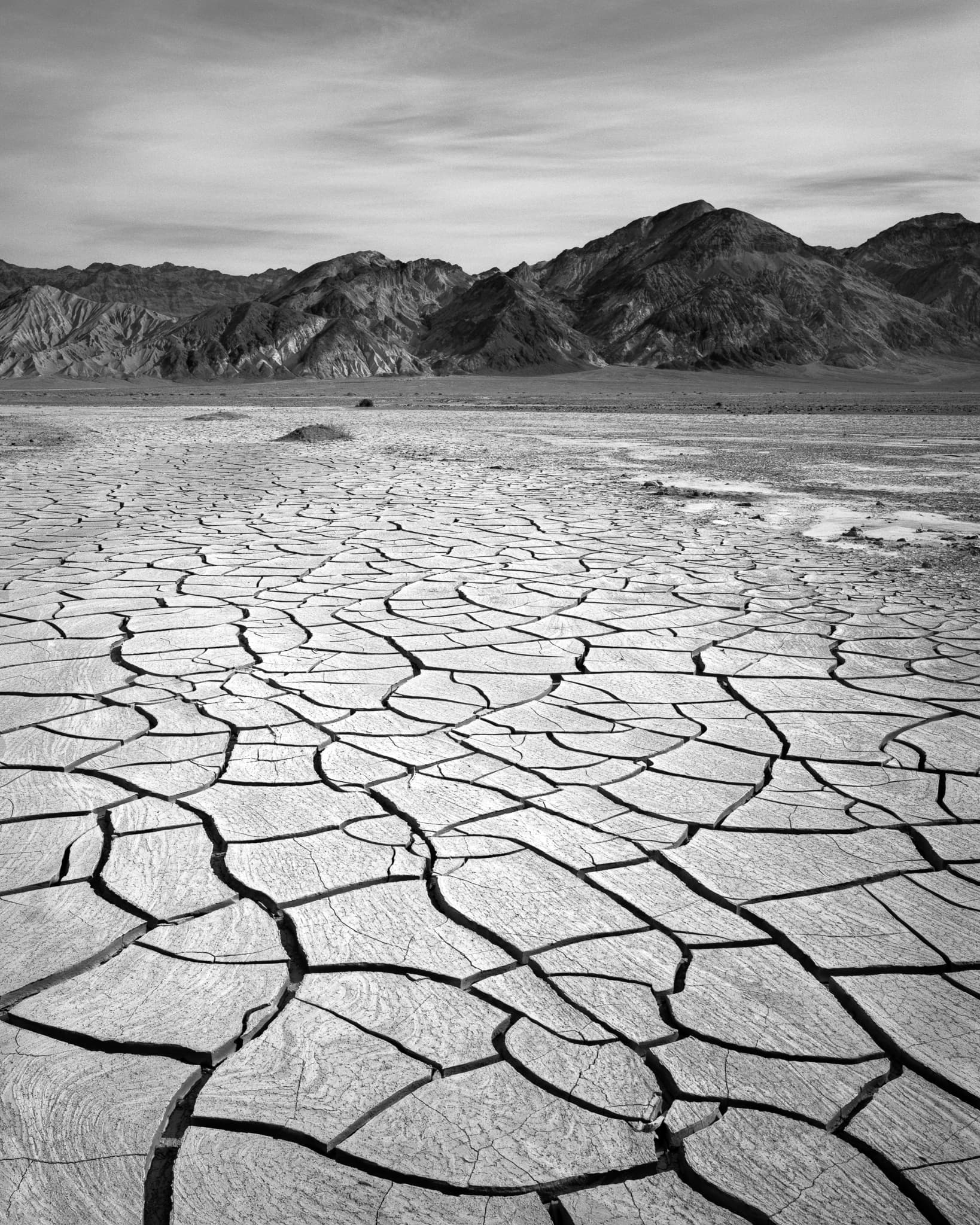
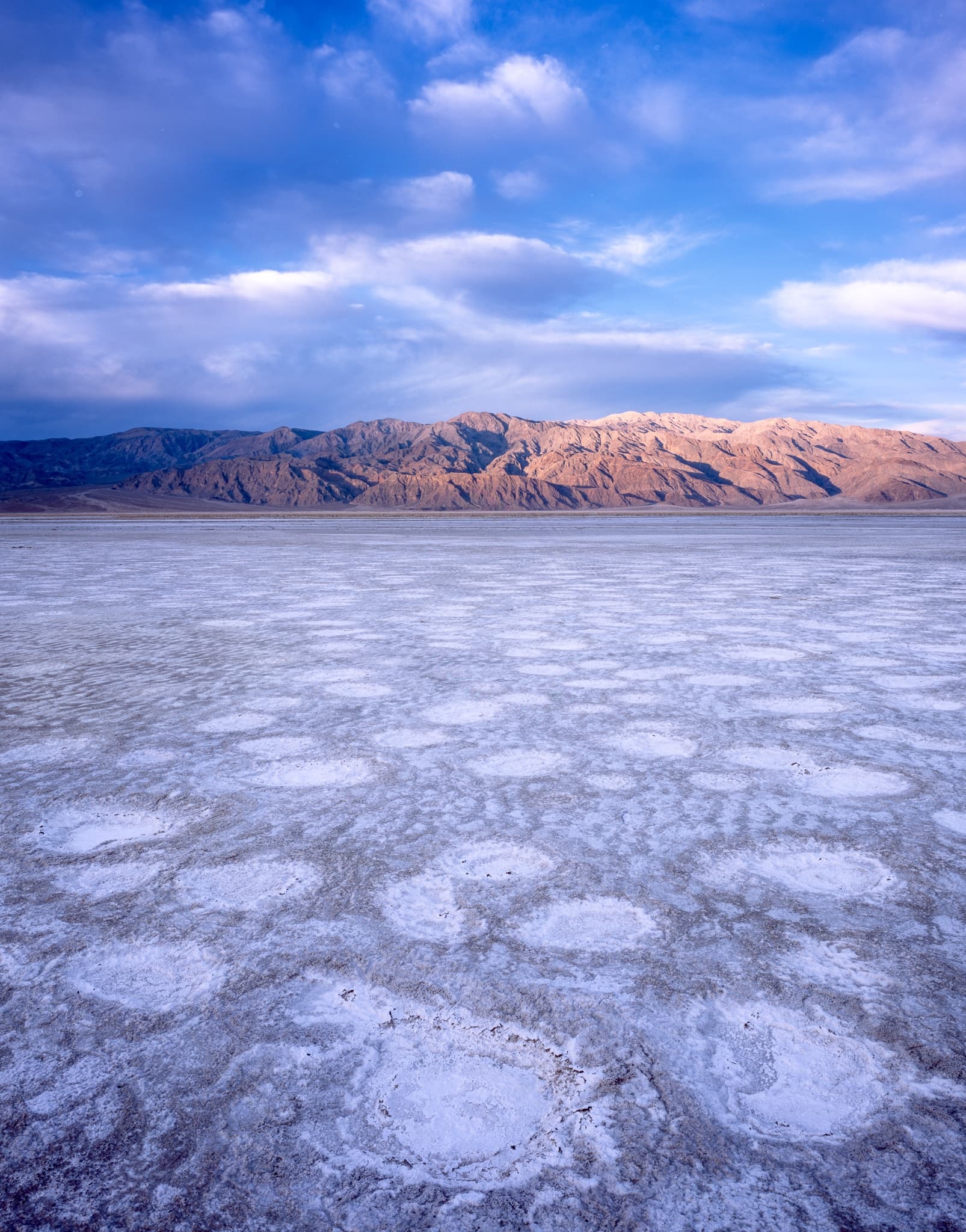
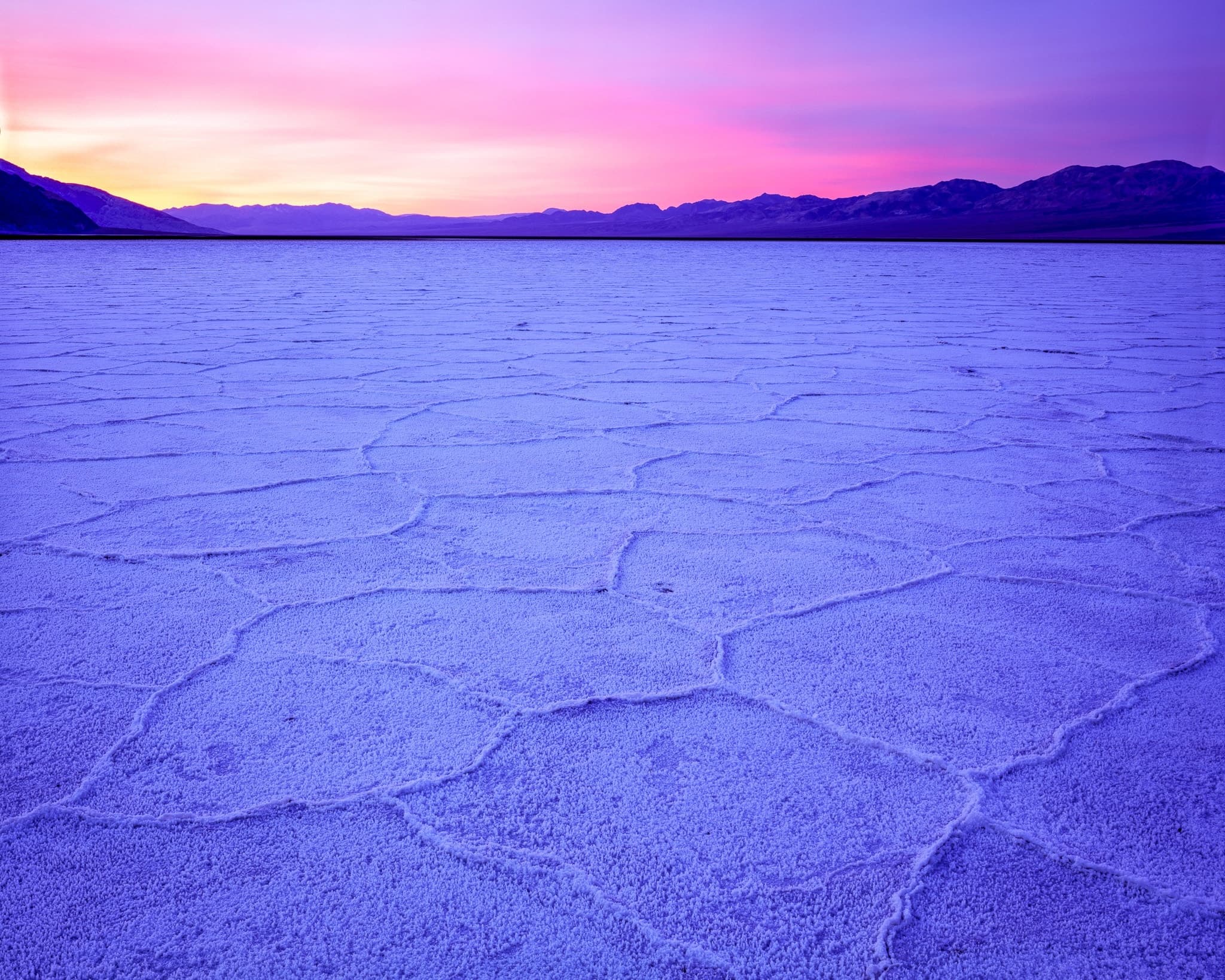
Badwater Basin sits 282 feet below sea level. It's the lowest point in North America and one of the best places for landscape photography in the world.
What makes it special:
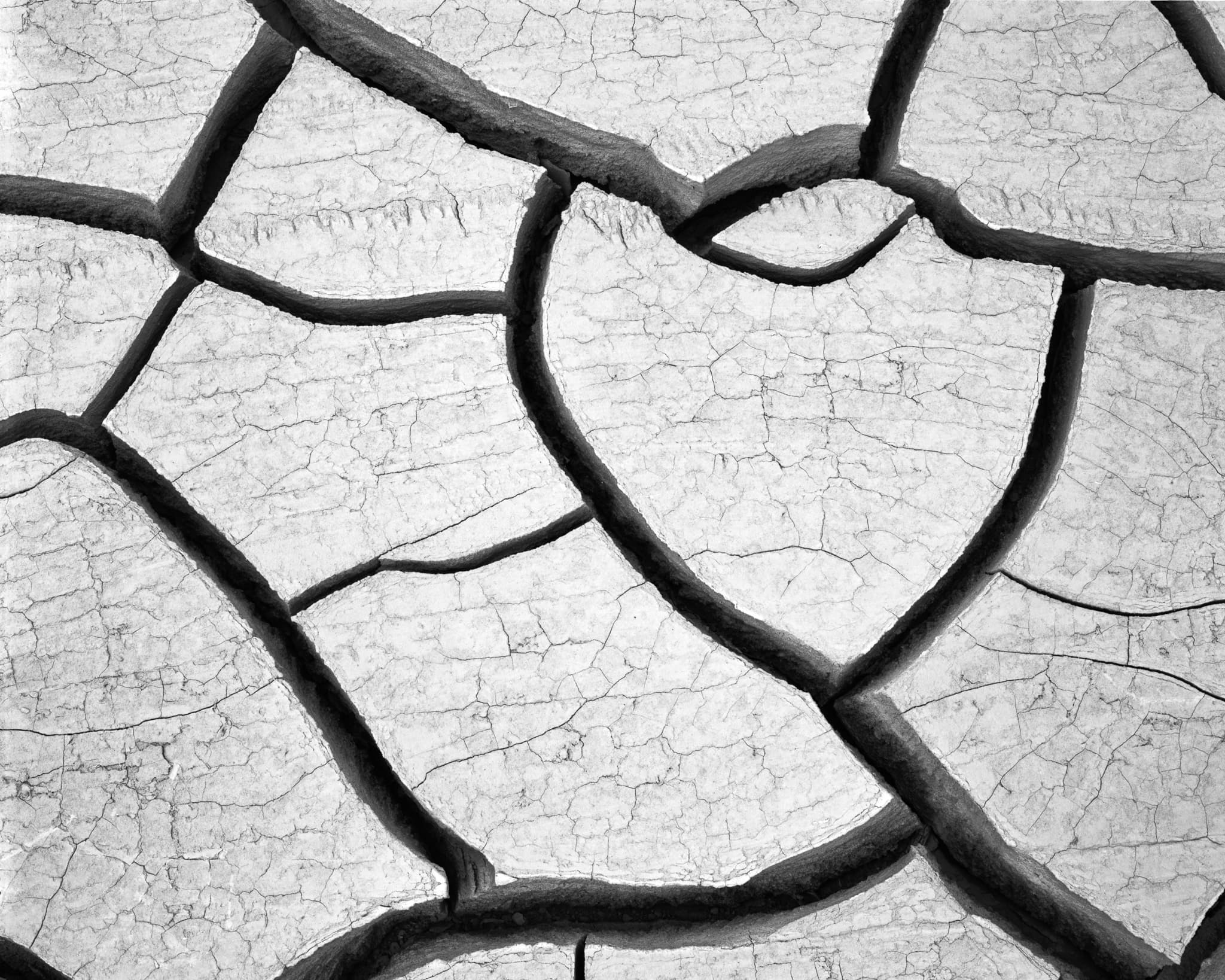
- Vast salt flats with geometric patterns
- Mountain backdrops that change color all day
- Unique light and shadow compositions
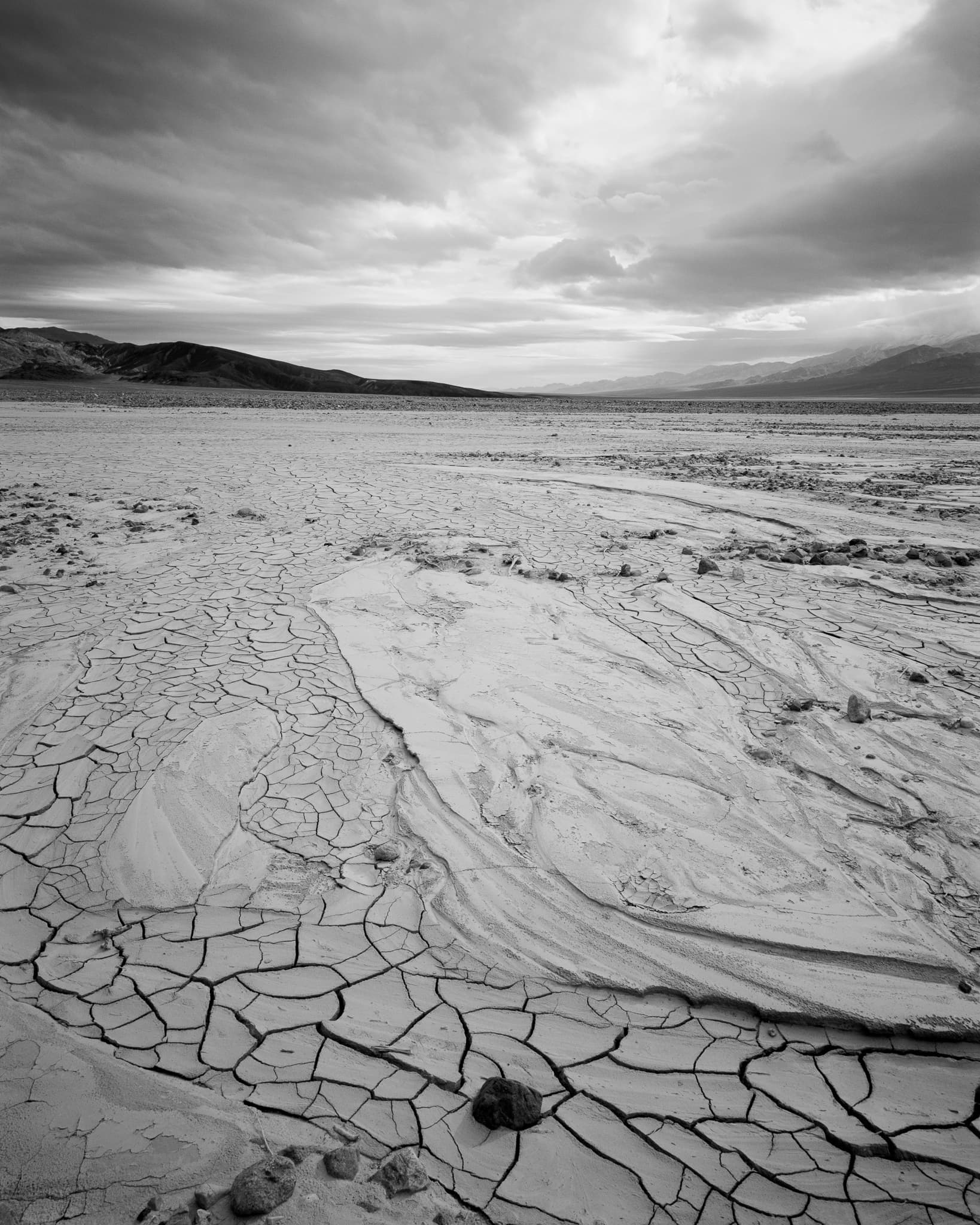
- Natural abstract art in the salt formations
Ancient lakes evaporated here thousands of years ago. They left behind intricate salt crystal patterns across the desert floor.
Zabriskie Point & Sunrise Photography
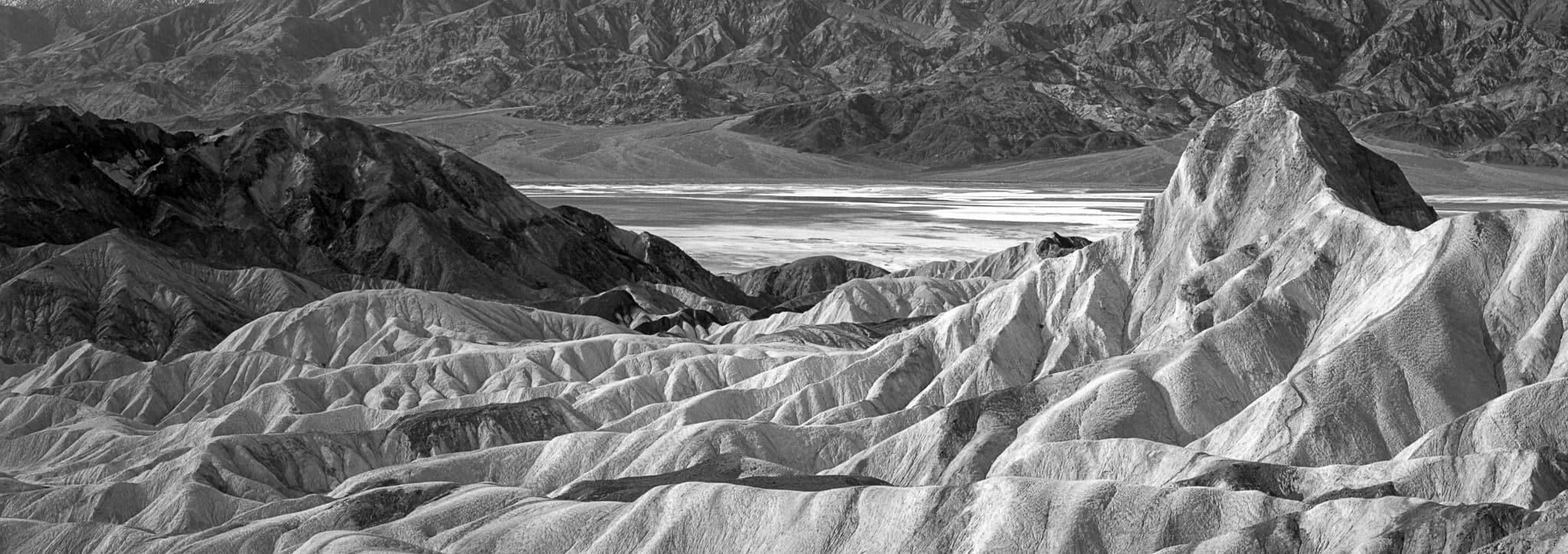
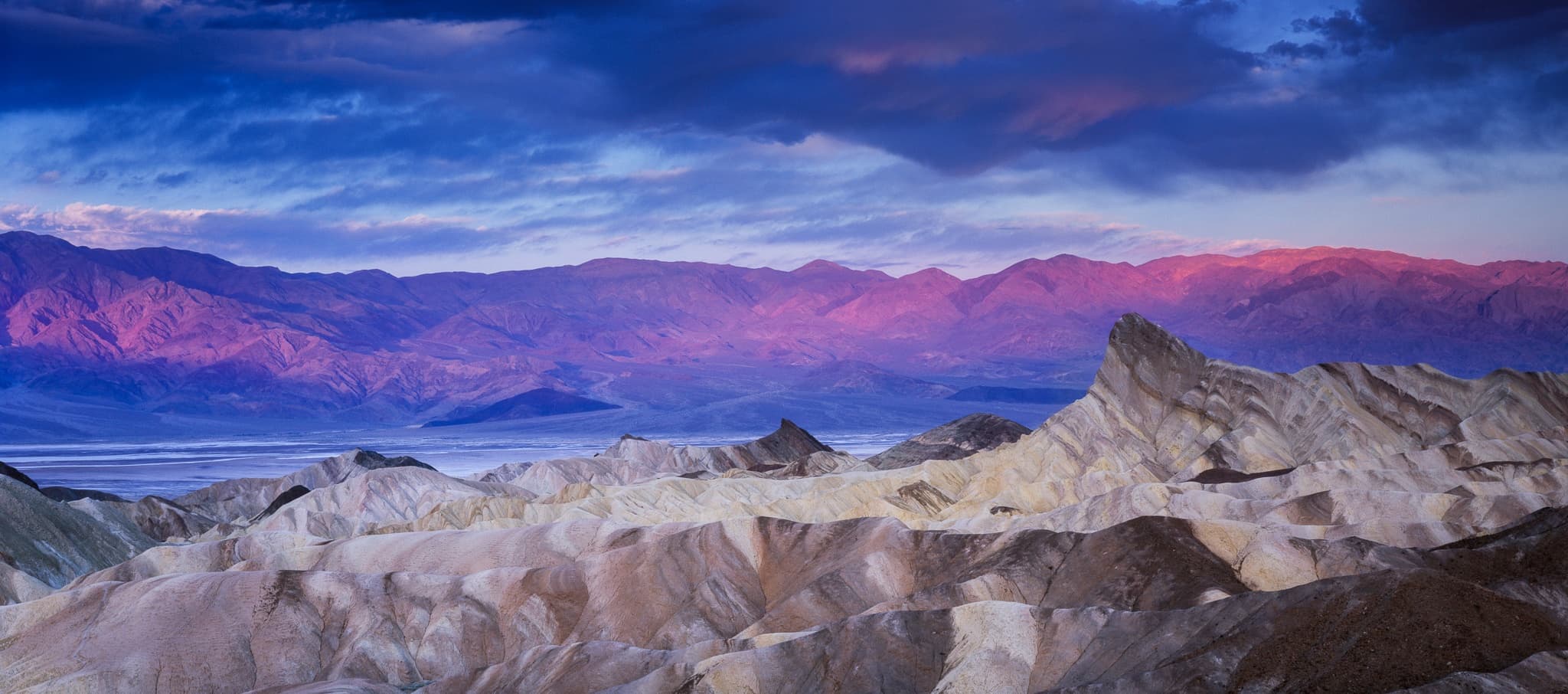
Zabriskie Point is one of Death Valley's most famous viewpoints. The eroded badlands glow with incredible colors at sunrise and sunset.
The rock formations span millions of years. The landscape looks almost alien in its beauty.
Best photography times: Golden hour, when low-angle sunlight brings out the 3D quality of the badlands and reveals subtle color layers in the rock.
Extreme Environment Photography
Death Valley is one of the hottest places on Earth. Summer temperatures often exceed 120°F.
But these extreme conditions create special effects you can't find anywhere else:
- Exceptional air clarity from low humidity
- Vibrant, saturated colors
- Unique atmospheric light effects
Winter photography advantages:
- Comfortable temperatures for fieldwork
- Low-angle sun creates dramatic lighting
- Rare snow events transform the desert
- Sculptural landscape qualities stand out
Large Format Film Advantages
Death Valley's vast scale and fine details make it ideal for 4x5 large format photography.
Why large format works here:
- Captures subtle tonal gradations
- Reveals textures invisible to smaller cameras
- Handles extreme contrast ranges
- Produces prints suitable for large wall sizes
Each photograph captures both the visual beauty and the sense of scale that makes Death Valley so compelling.
Collecting Death Valley Photography
Death Valley photography appeals to collectors who appreciate unconventional landscapes. The extreme environment creates aesthetics you can't find elsewhere.
The park offers varied subjects:
- Geometric salt patterns for minimalist spaces
- Warm badlands tones for traditional interiors
- Abstract dune curves for contemporary collections
These images bring the desert's meditative emptiness into your space. They work with both contemporary and traditional design.
Display Considerations
Death Valley prints have extreme tonal range—from bright white salt flats to deep shadows.
Lighting tips:
- Avoid direct sunlight on the print
- Use even, diffused lighting
- This reveals the full tonal range
Size recommendations:
- Large (40x50"+): Statement pieces for living rooms or lobbies
- Medium: Gallery wall arrangements
- Small: Home offices, bedrooms, detail studies
Investment-Grade Desert Prints
Each Death Valley print uses archival pigment inks. These reproduce warm earth tones and bright highlights accurately.
What's included:
- Certificate of authenticity
- Museum-quality materials
- Lifetime archival guarantee
- Limited edition numbering
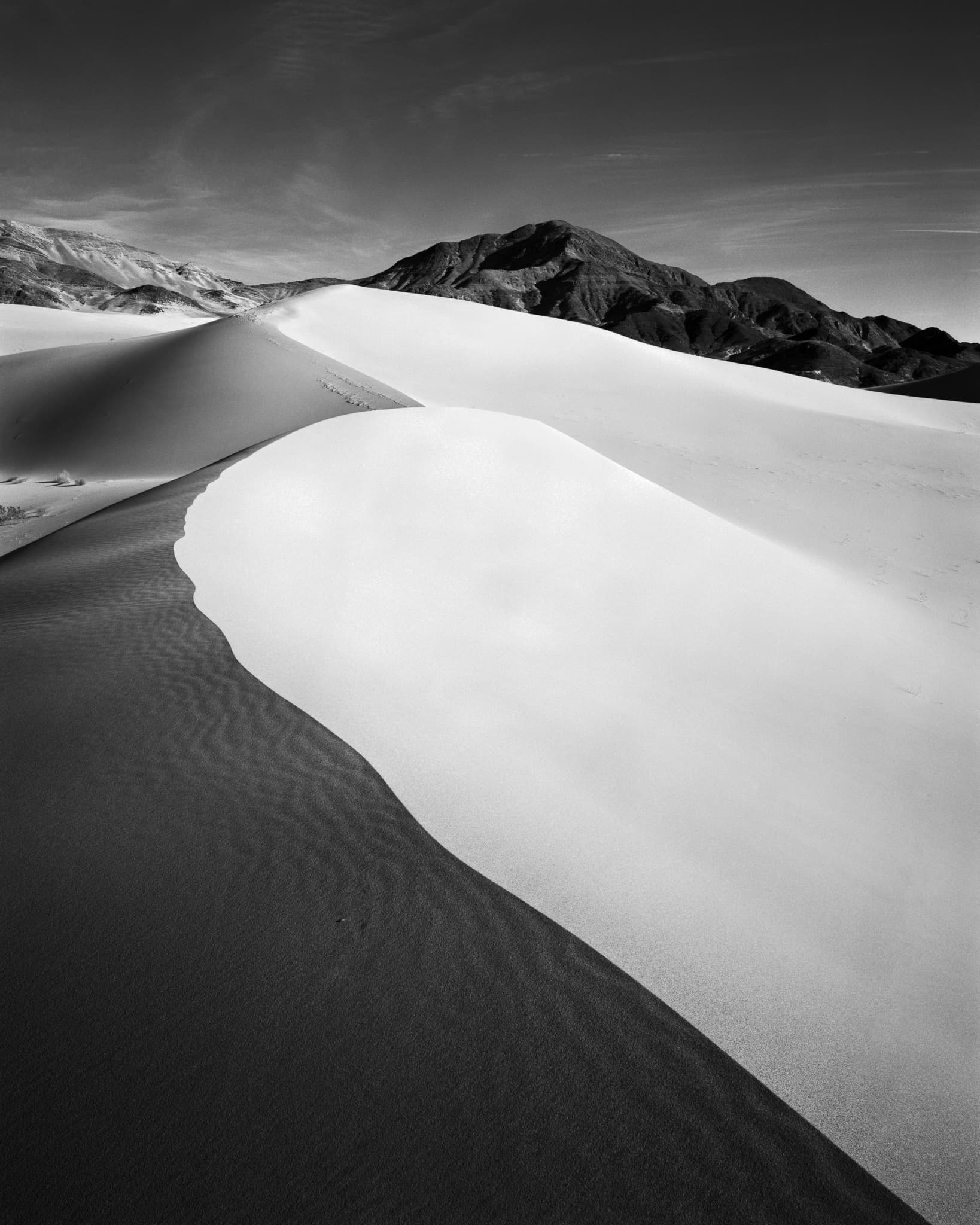
Sand Dune Photography
Mesquite Flat Sand Dunes are among Death Valley's most photogenic subjects.
Photography highlights:
- Sinuous curves and sharp ridgelines
- Shadows that shift throughout the day
- Animal tracks and wind patterns at dawn
- Accessible location for large format equipment
Plan Your Death Valley Trip
For detailed location guides, timing recommendations, and equipment tips, read our Death Valley Photography Guide.
Best Seasons for Photography
- Winter (Nov-Mar): Ideal conditions. Comfortable temps, dramatic low-angle light, occasional storms.
- Spring (Mar-Apr): Rare wildflower blooms after wet winters.
- Summer: Avoid. Extreme heat is dangerous and damages equipment.
- Fall: Cooler temps with clear desert skies.