
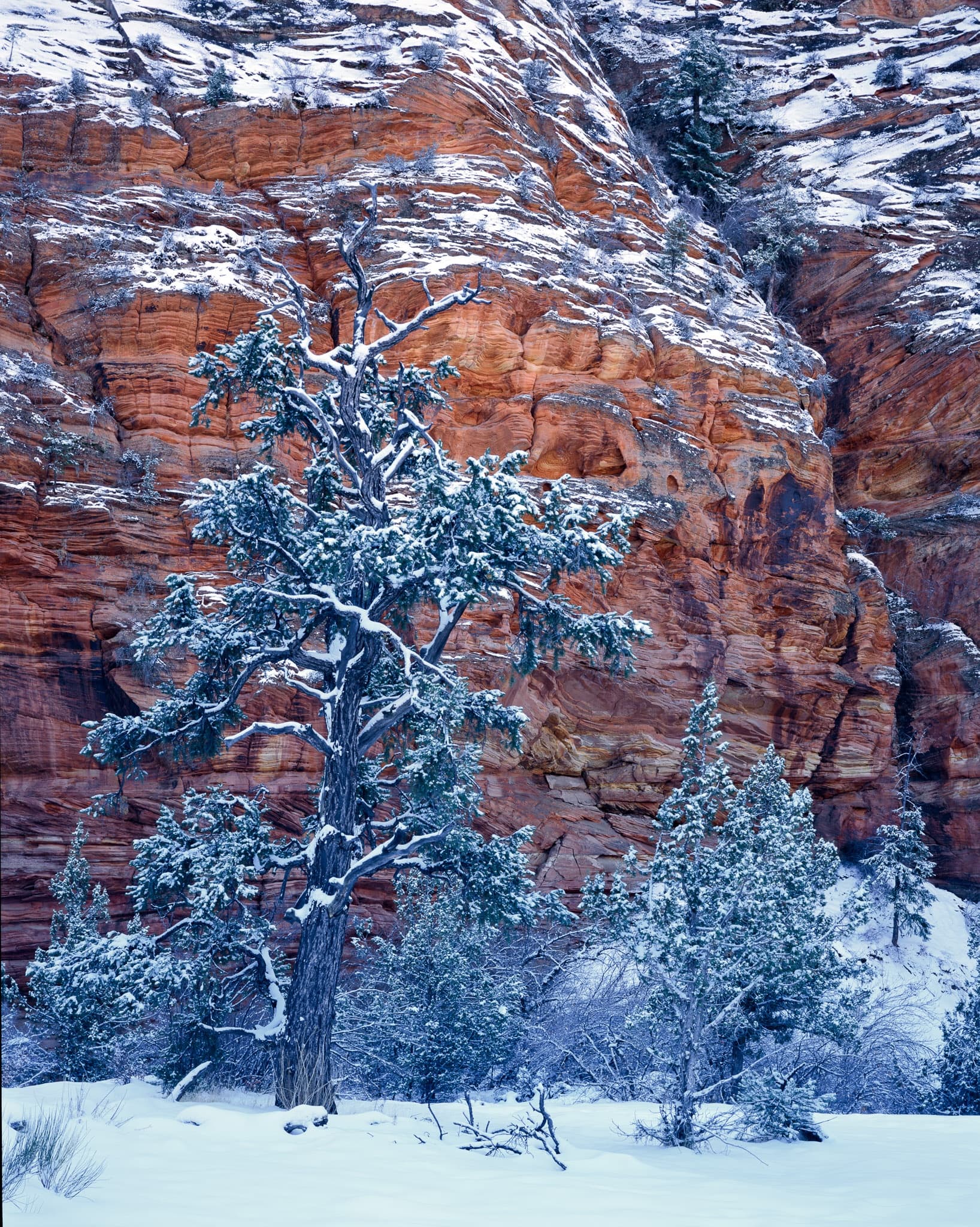
Tree Landscape Photography
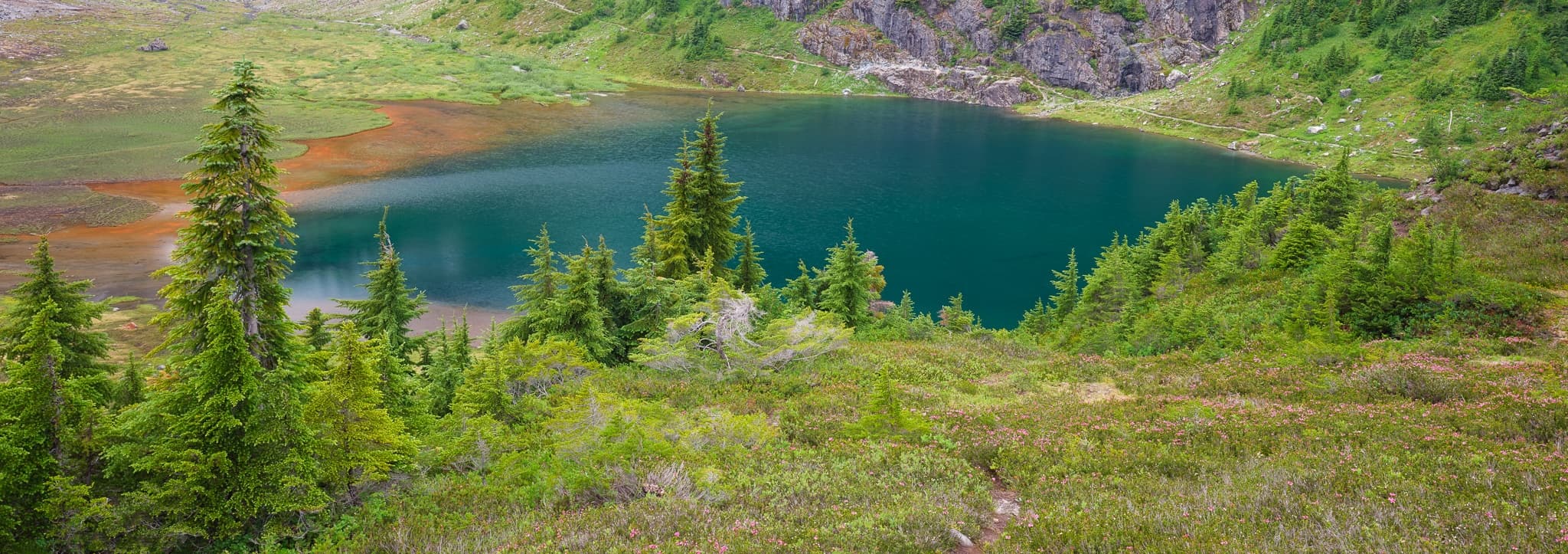
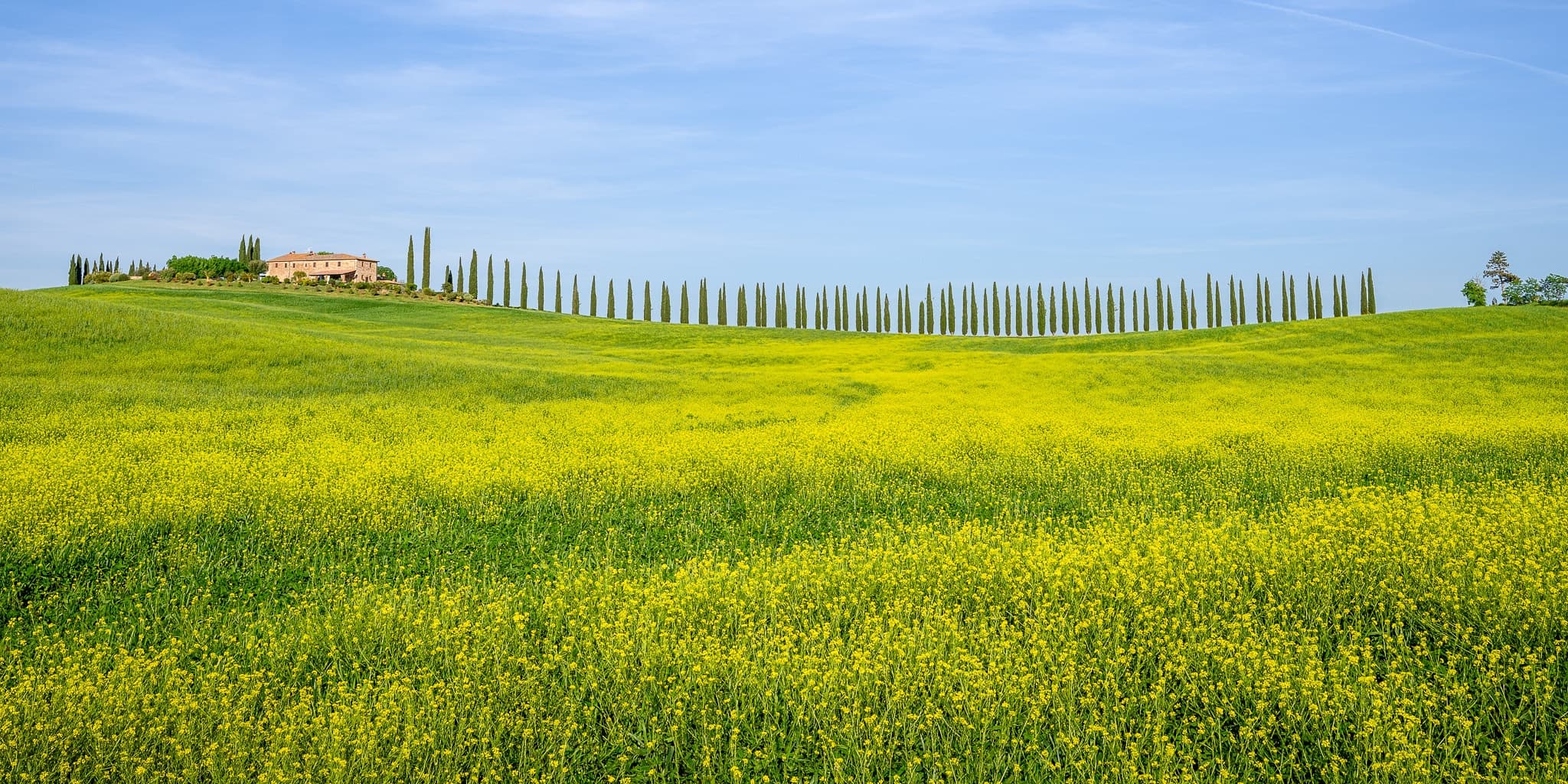
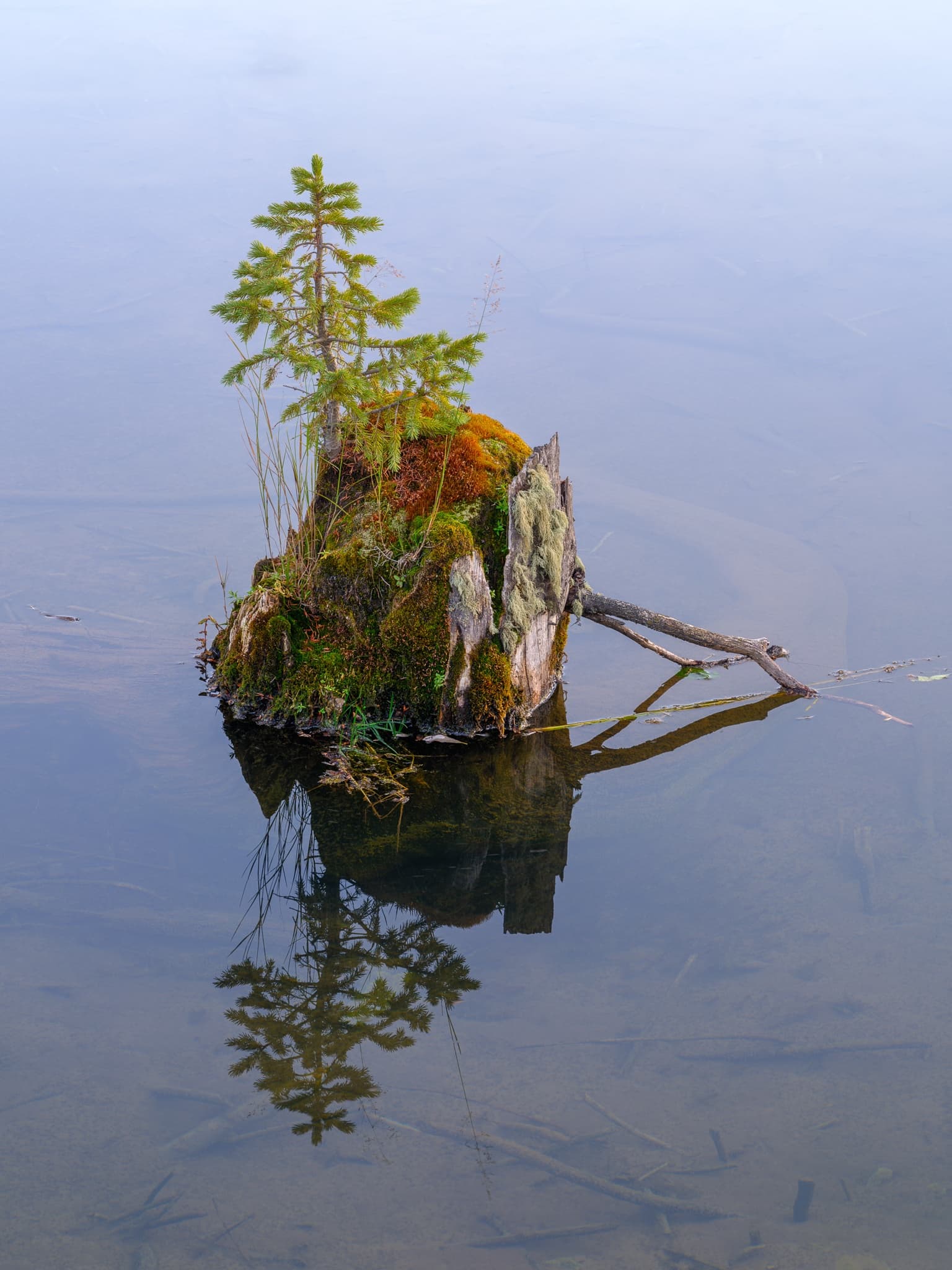
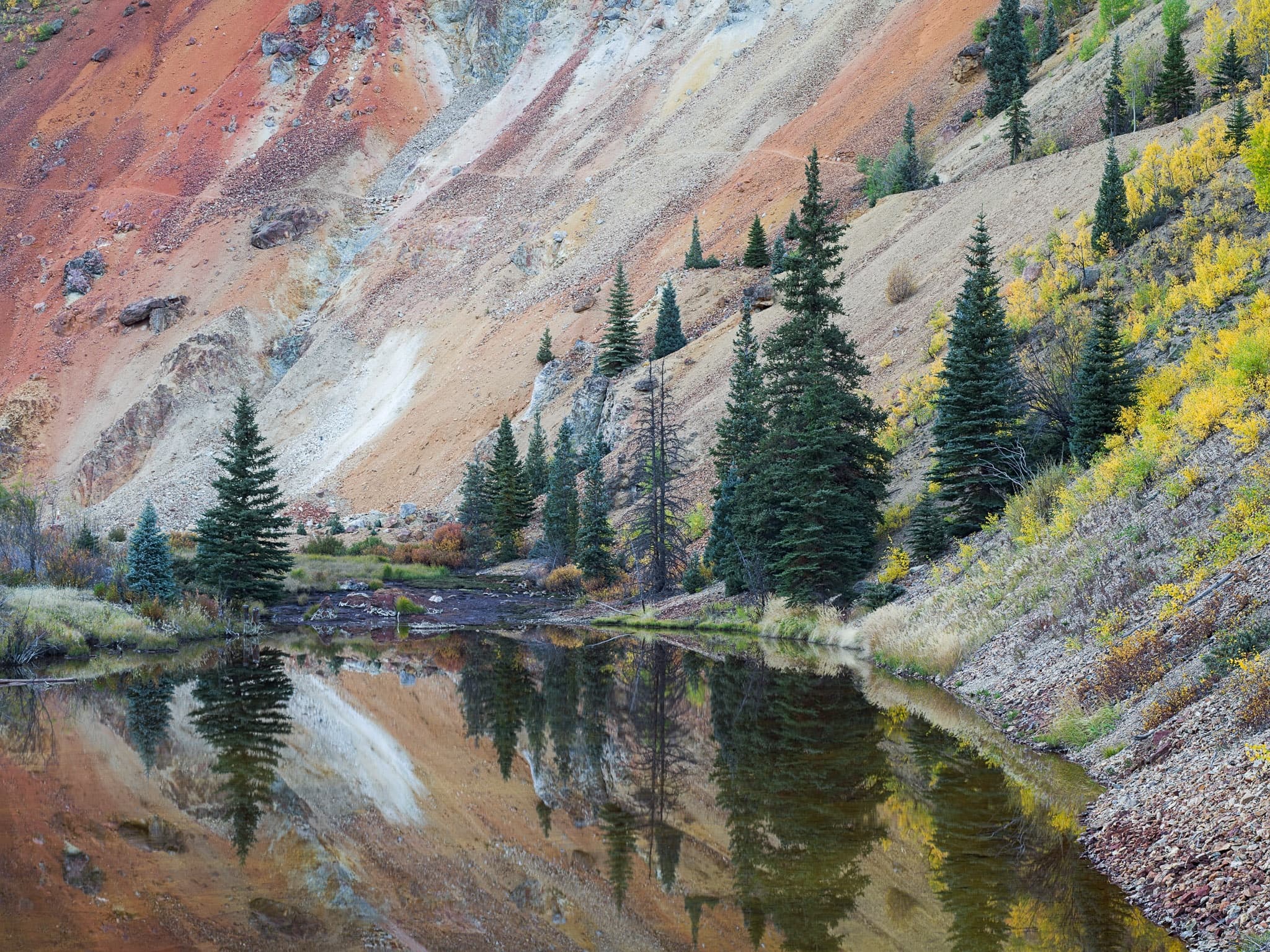
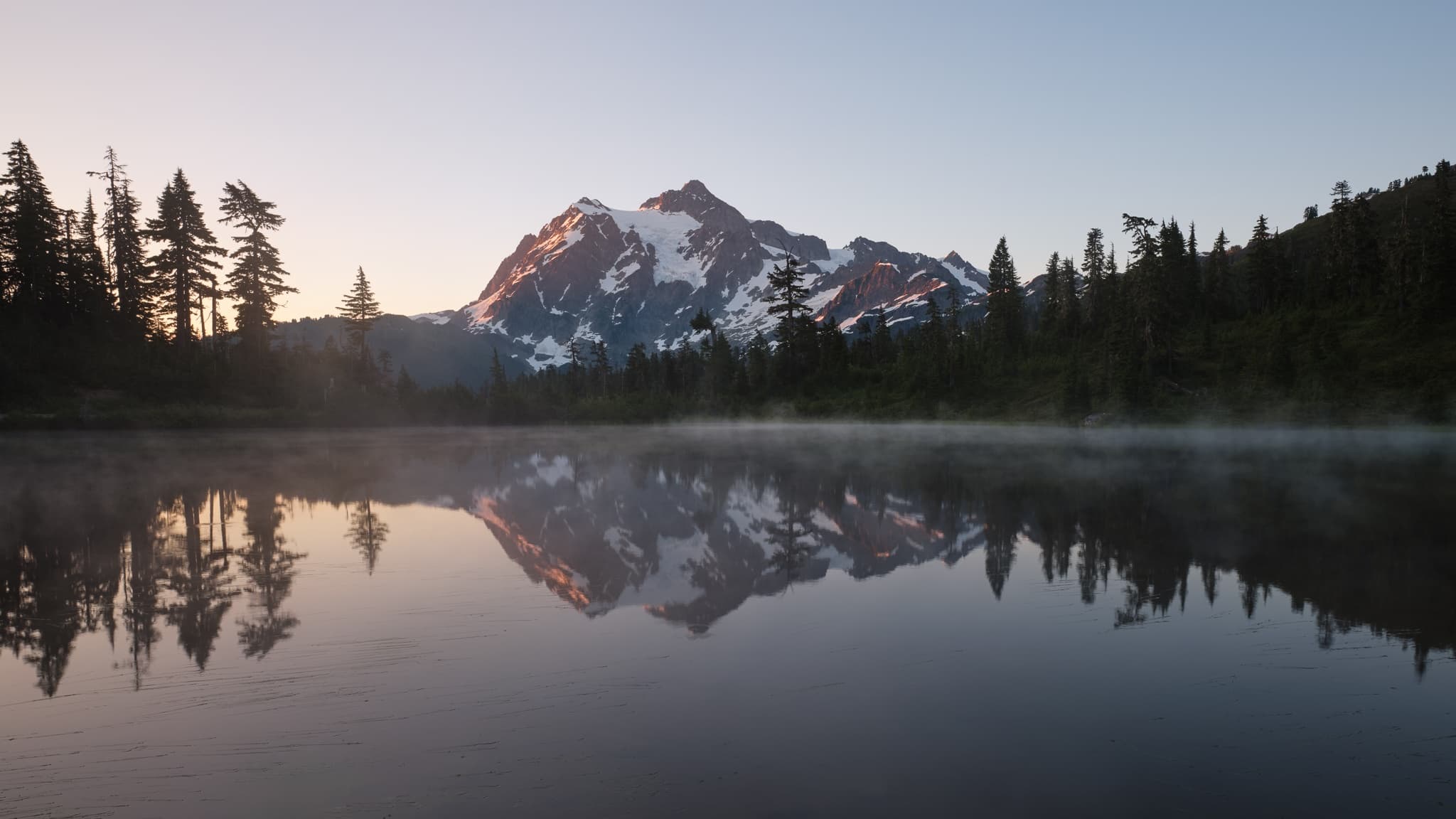
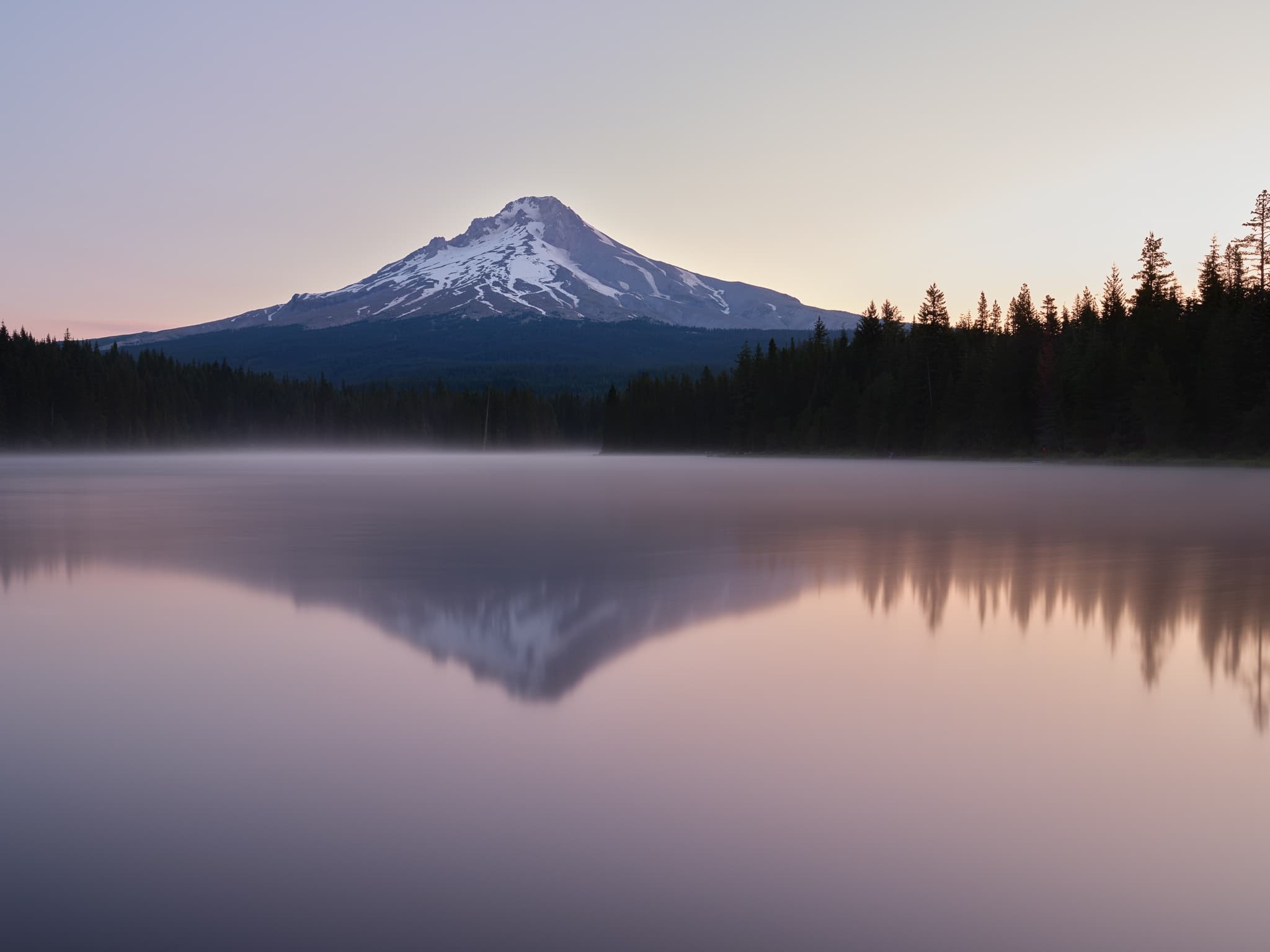
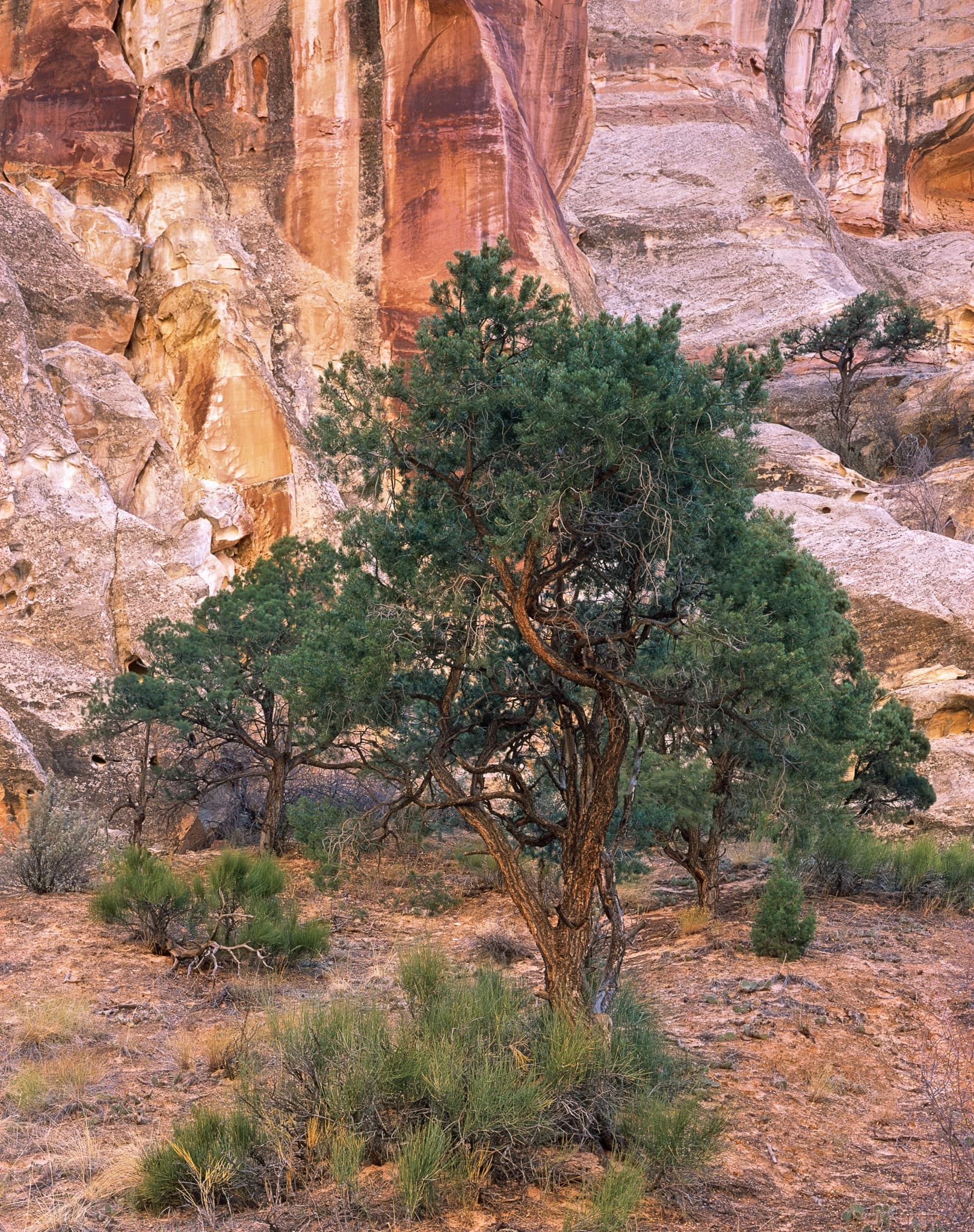
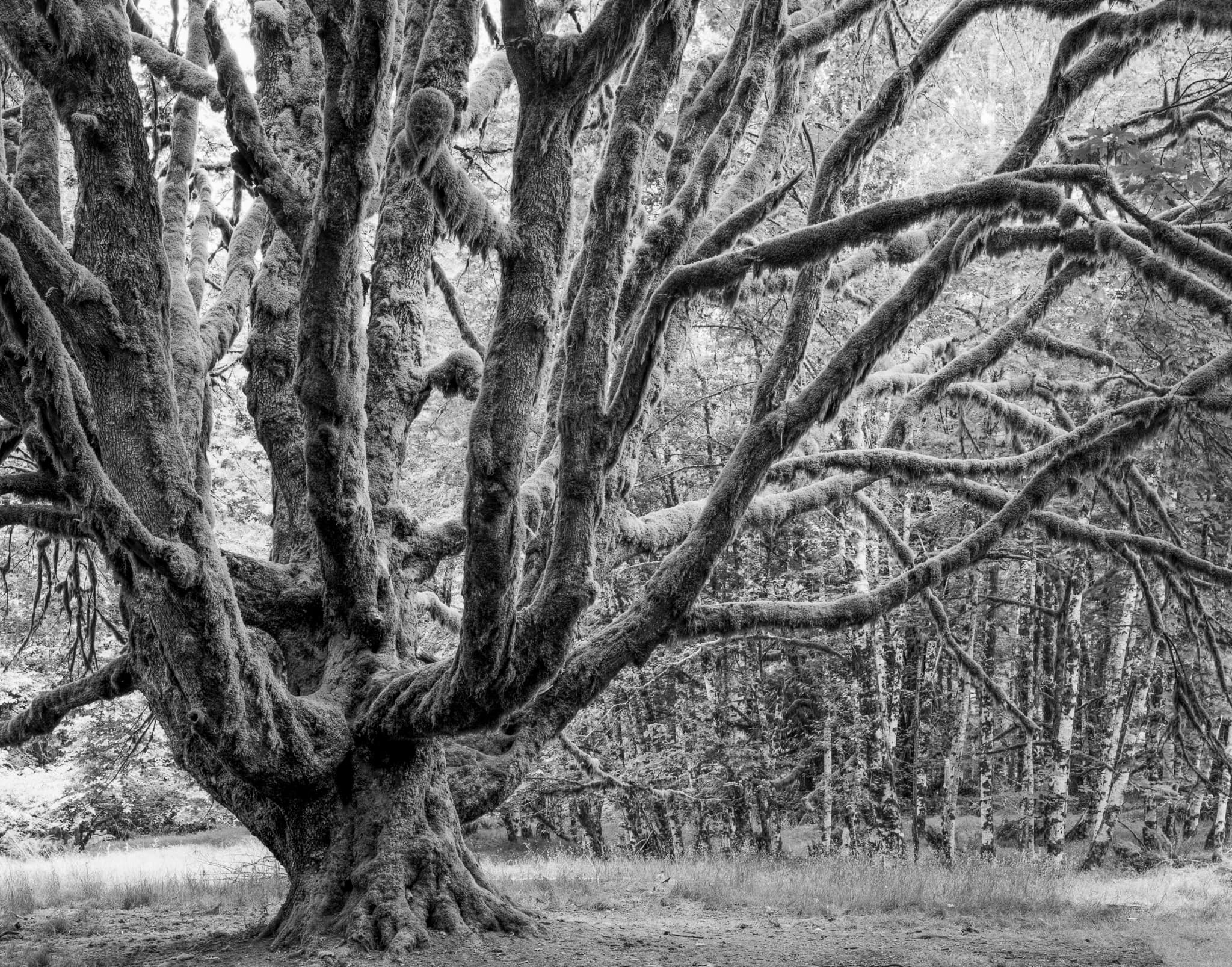
Trees serve as both subjects and storytellers in landscape photography.
Tree photography includes:
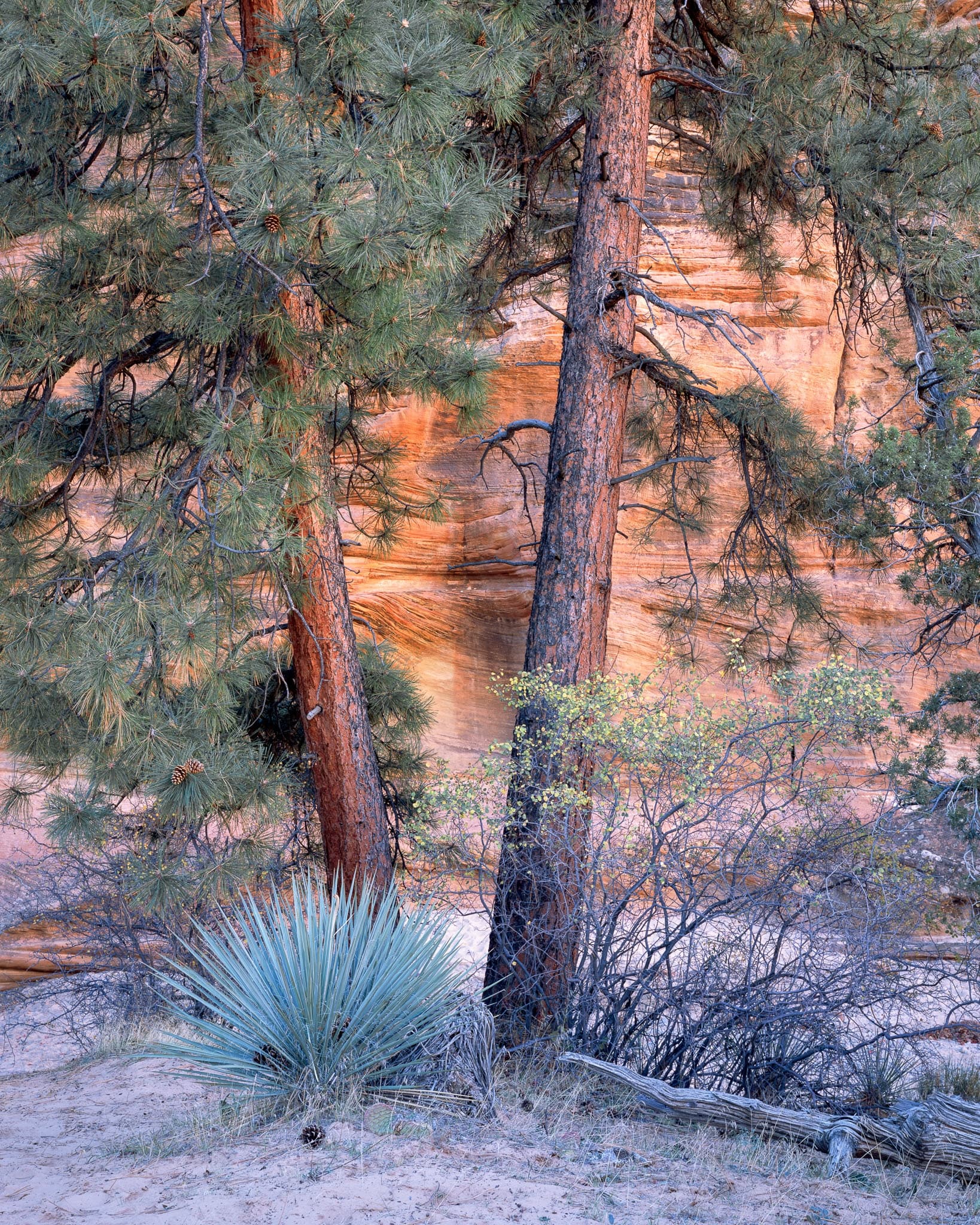
- Intimate portraits emphasizing form and character
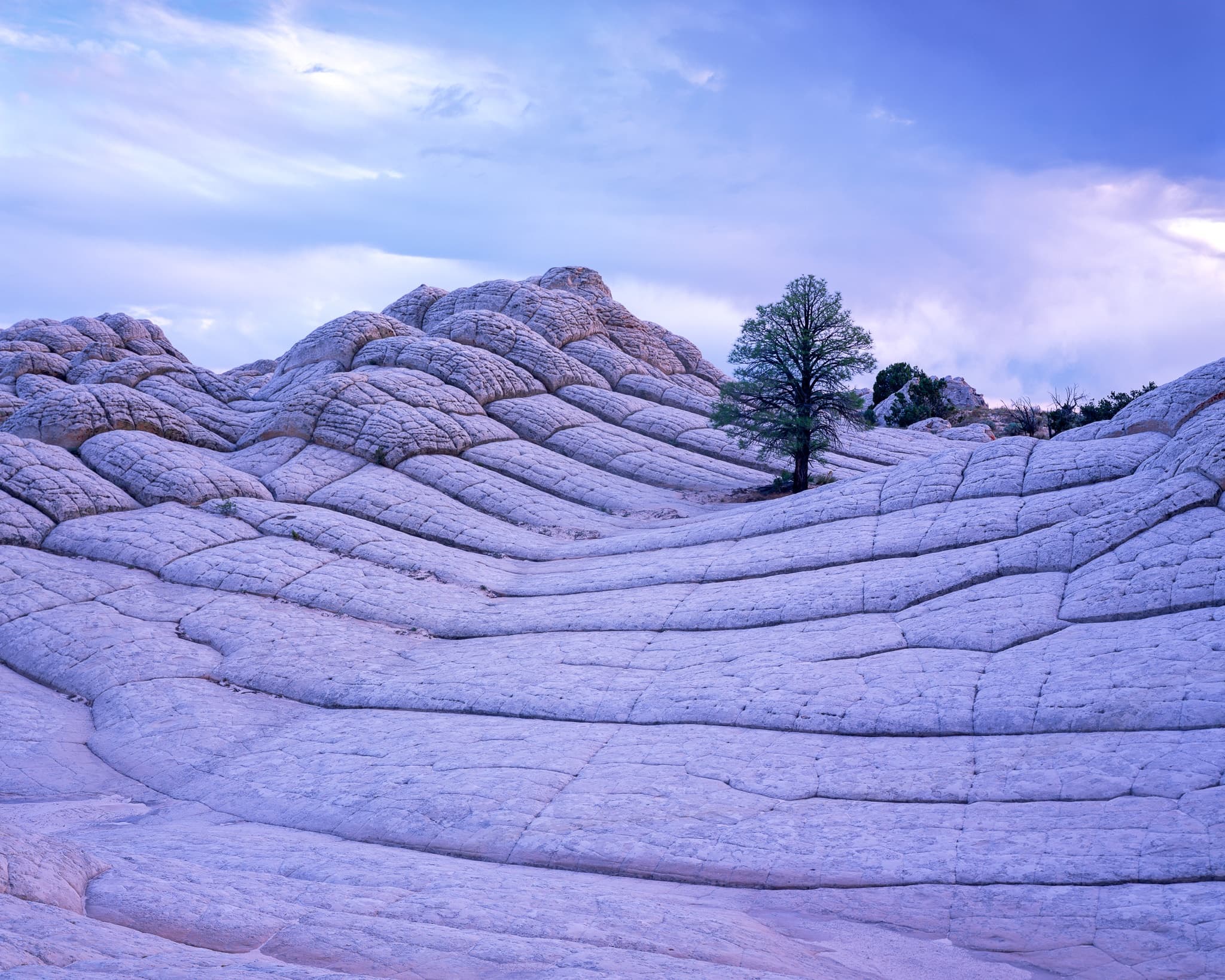
- Landscape compositions with trees as focal points
- Ancient bristlecone pines witnessing millennia
- Iconic Joshua trees defining desert landscapes
Large format photography resolves fine bark texture details while providing exceptional depth of field control. The contemplative approach encourages careful study of tree form and character.
Desert Trees: Joshua Trees & Cacti
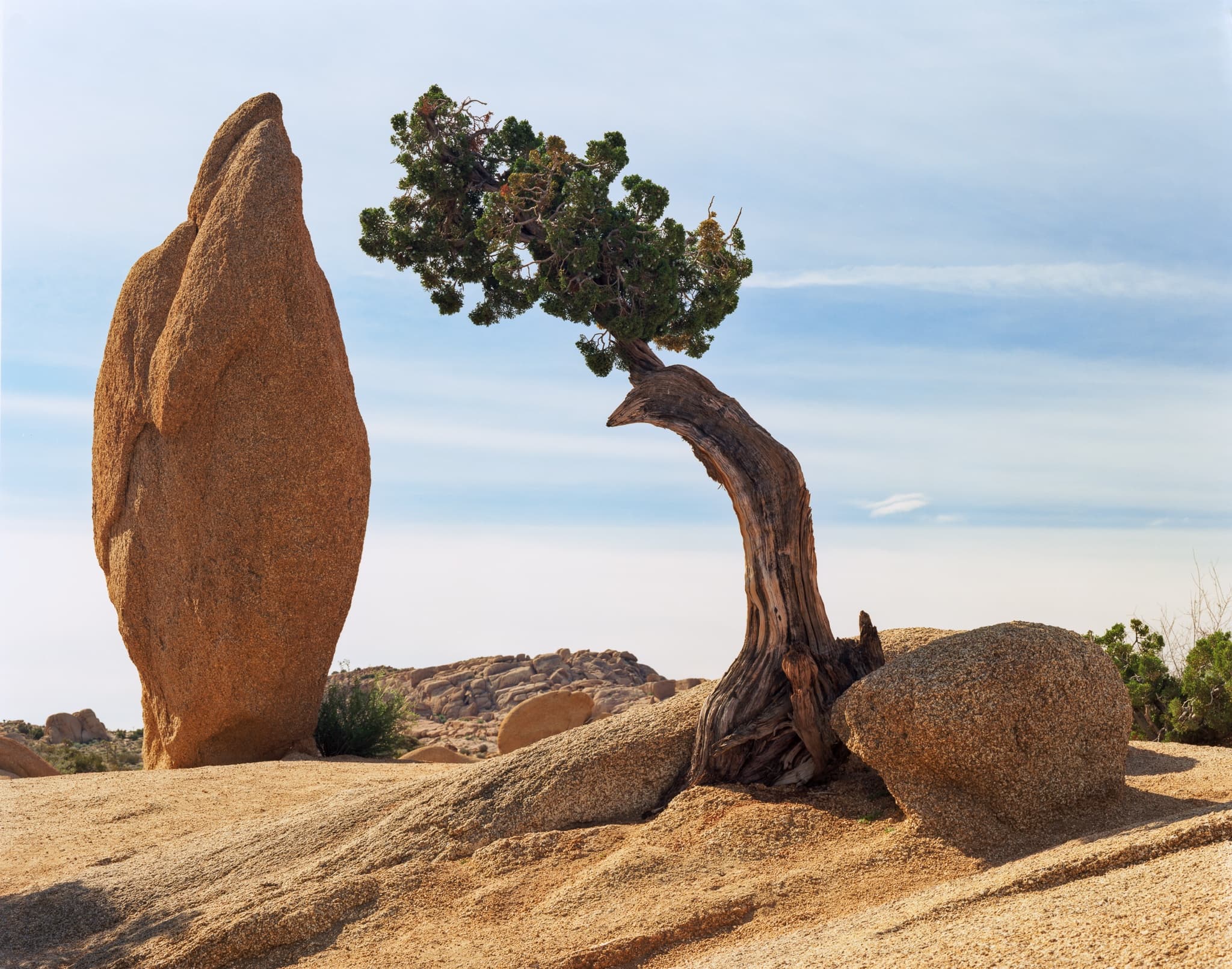
Joshua trees create iconic subjects in Mojave Desert landscapes.
Joshua tree facts:
- Actually giant yuccas, not true trees
- Can live 150+ years
- Reach heights over 40 feet
- Twisted arms and spiky foliage create dramatic silhouettes
Joshua Tree National Park offers endless photography opportunities from character studies to compositions with desert geology.
Ancient Bristlecone Pines
Bristlecone pines rank among Earth's oldest living organisms.
What makes them special:
- Some specimens exceed 5,000 years old
- Survive harsh high-elevation conditions
- Develop twisted, sculptural forms
- Found in California's White Mountains and Nevada's Great Basin
Their extreme age and dramatic high-altitude settings make them compelling for images conveying beauty and temporal depth.
Forest Giants: Sequoias & Redwoods
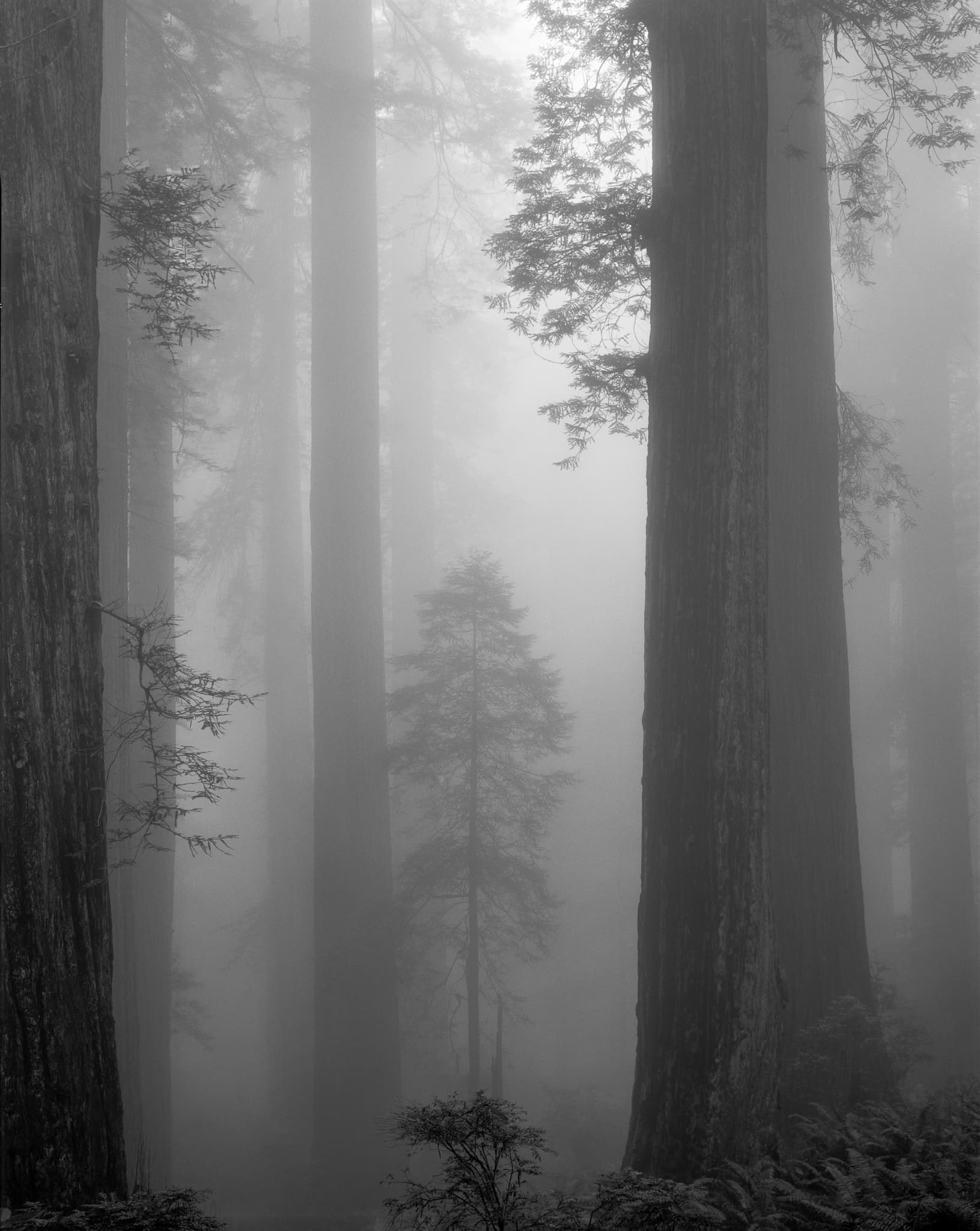
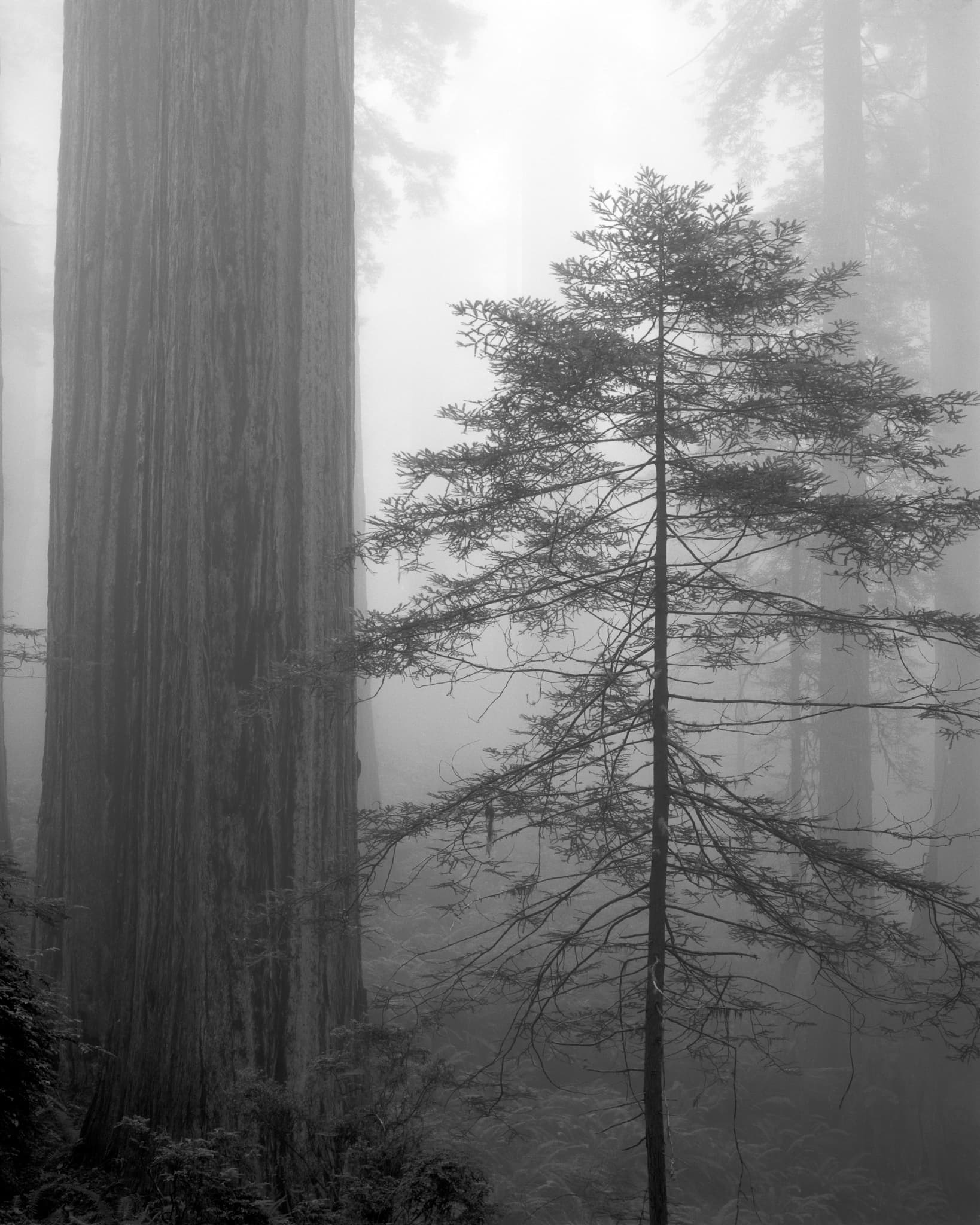
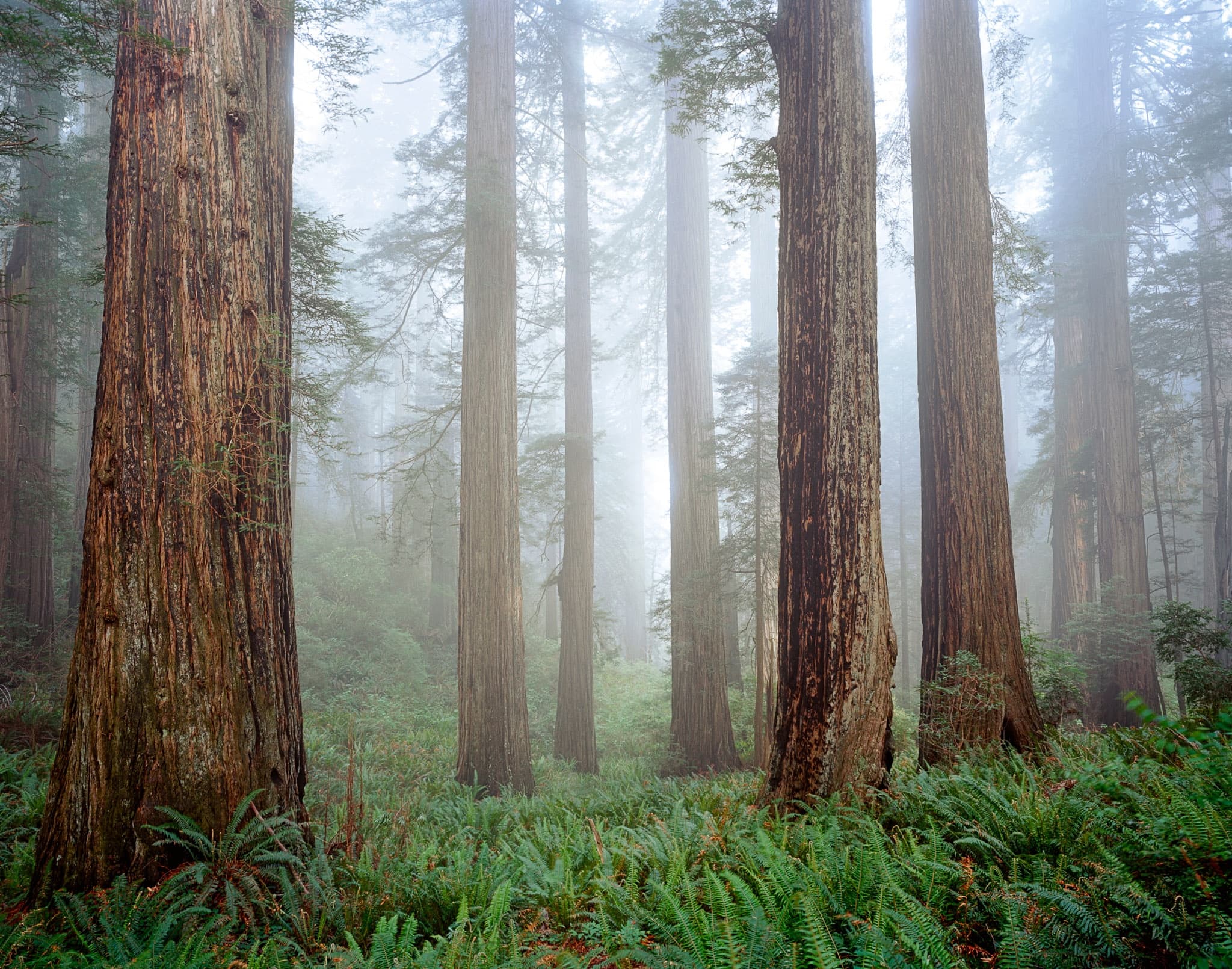
Giant sequoias and coast redwoods are Earth's largest trees by volume and height.
Photography approaches:
- Include foreground elements for scale
- Human figures help convey immense size
- Look up into massive trunks and canopies
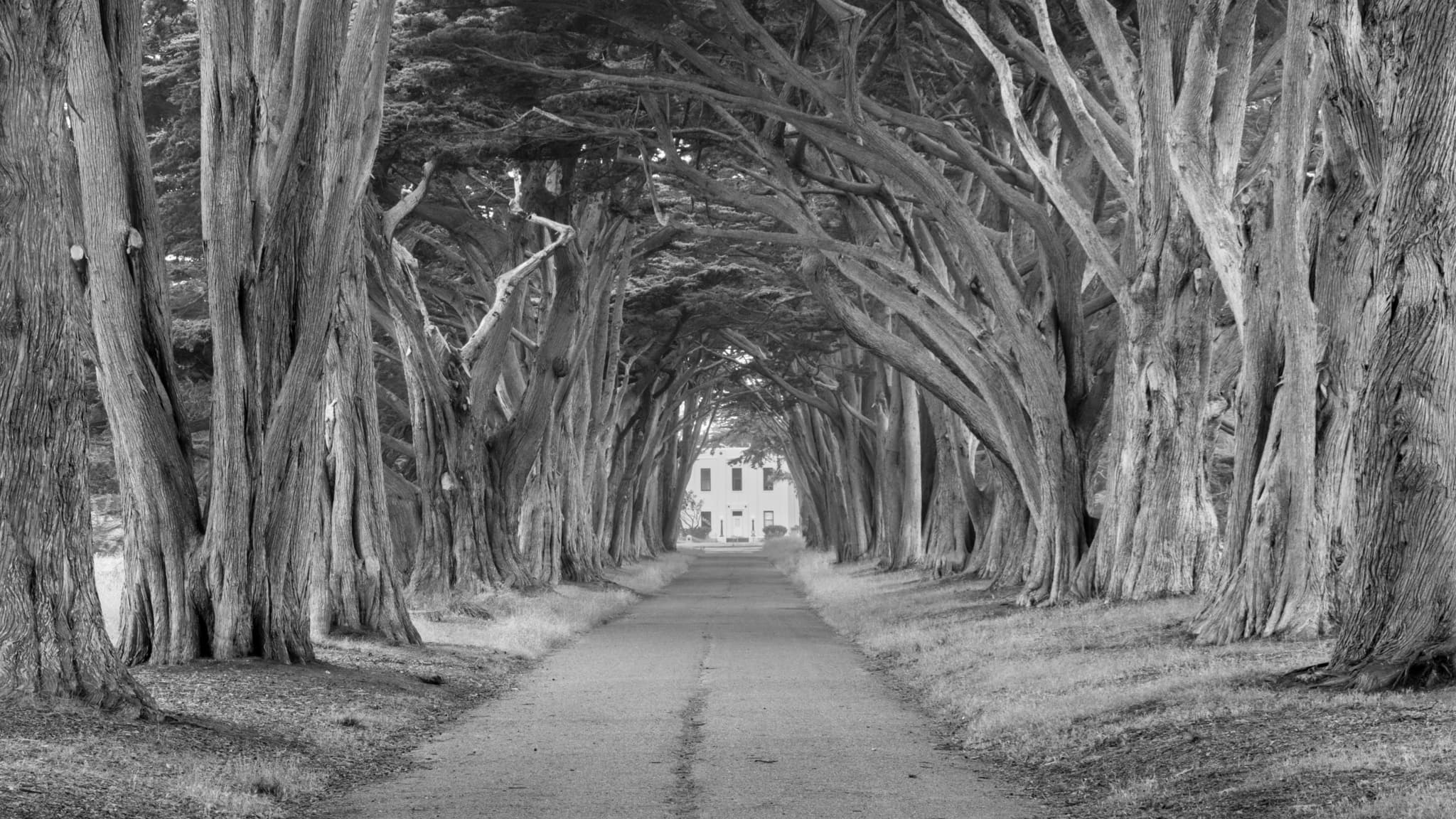
- Capture the cathedral-like quality of old-growth groves
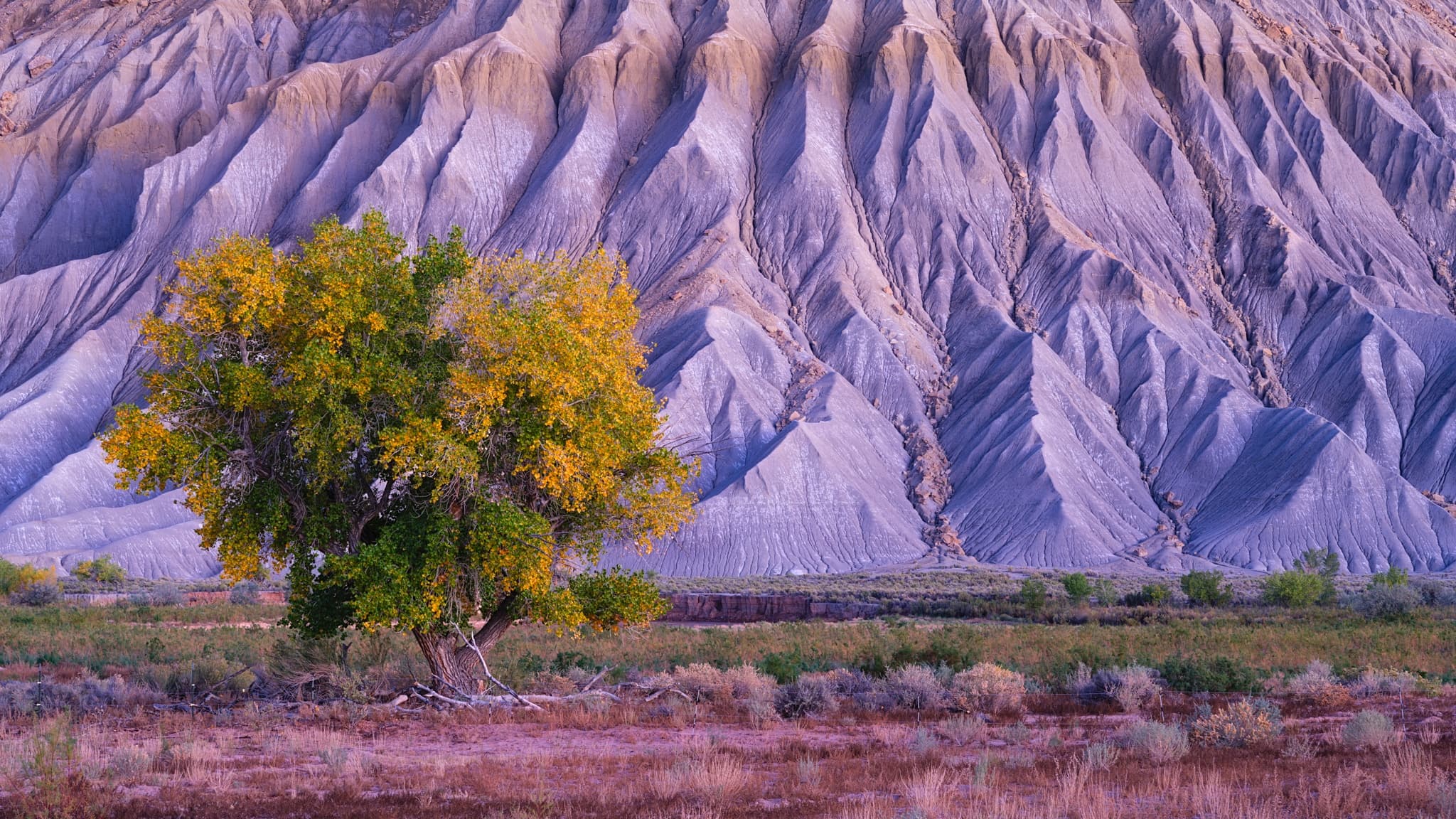
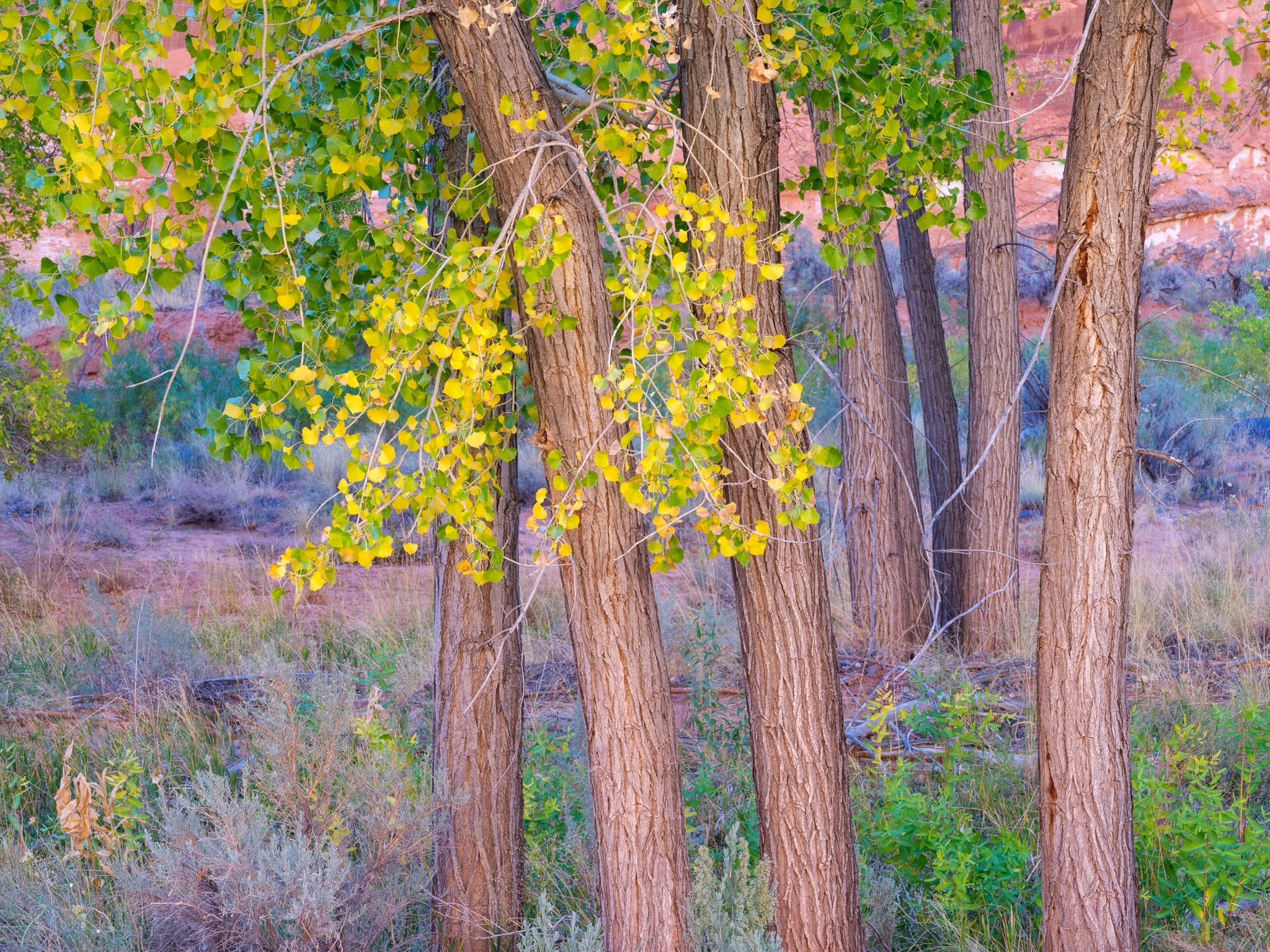
Cottonwoods & Aspens
Both species bring life to harsh environments.
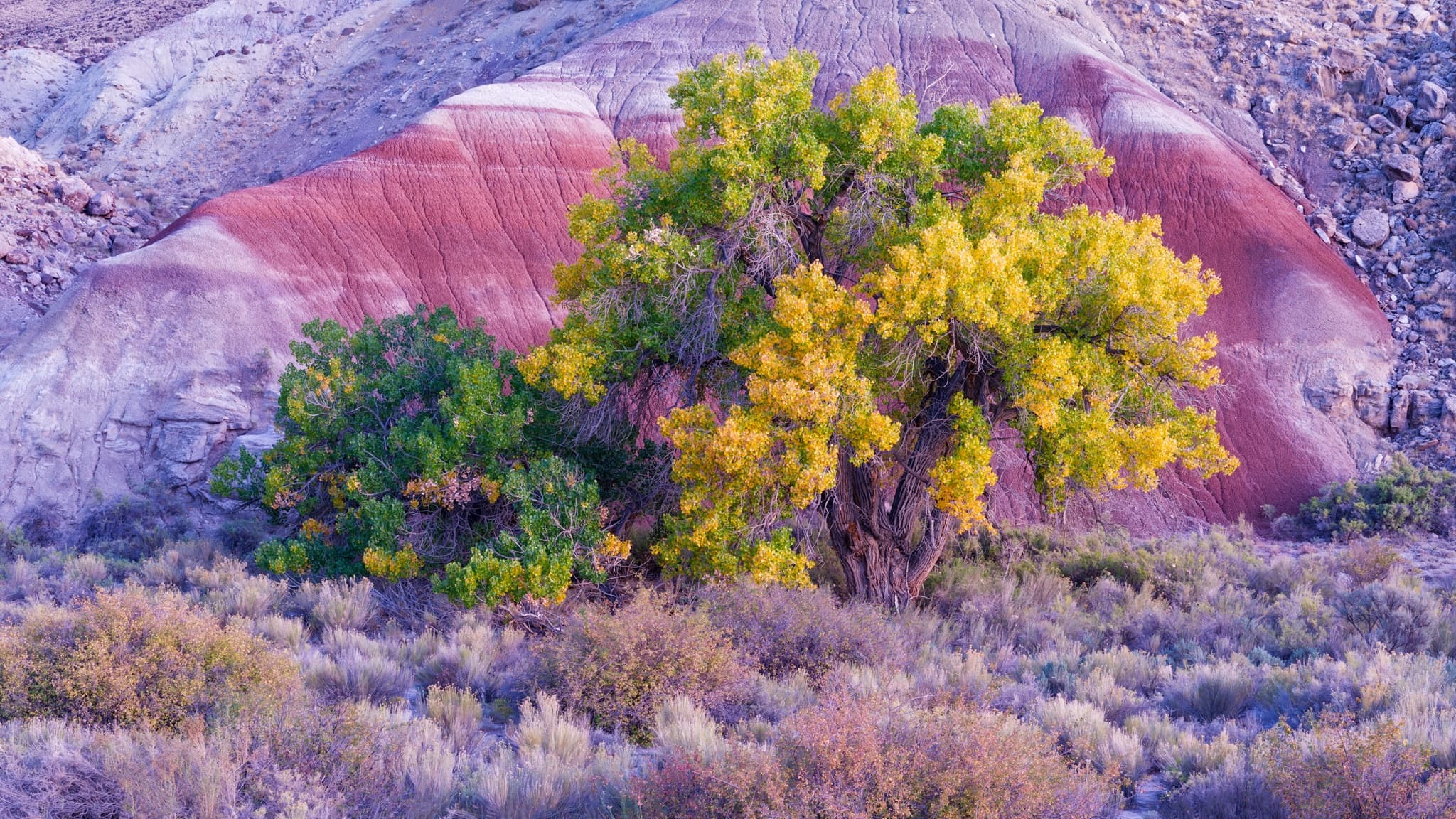
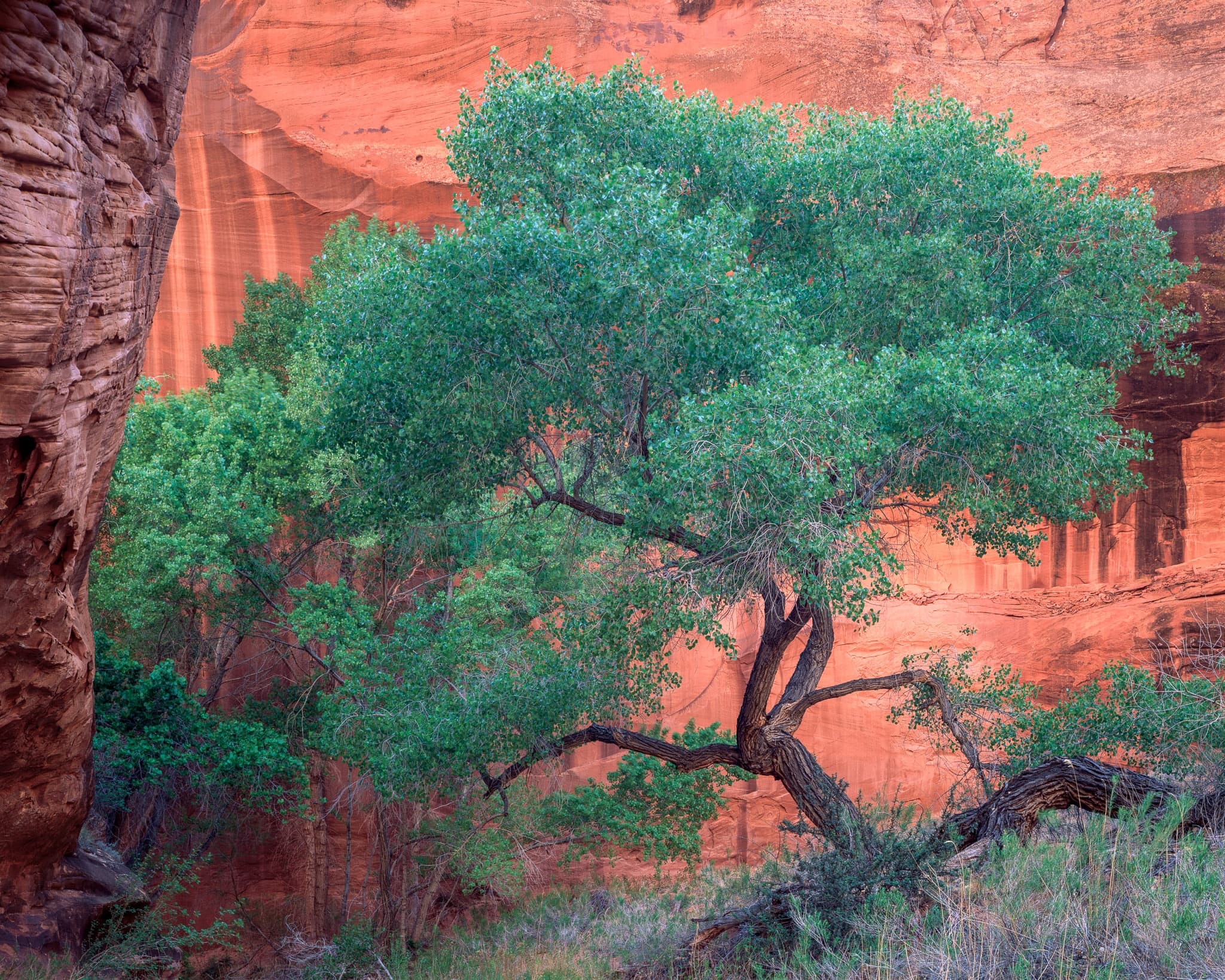
Fremont Cottonwoods:
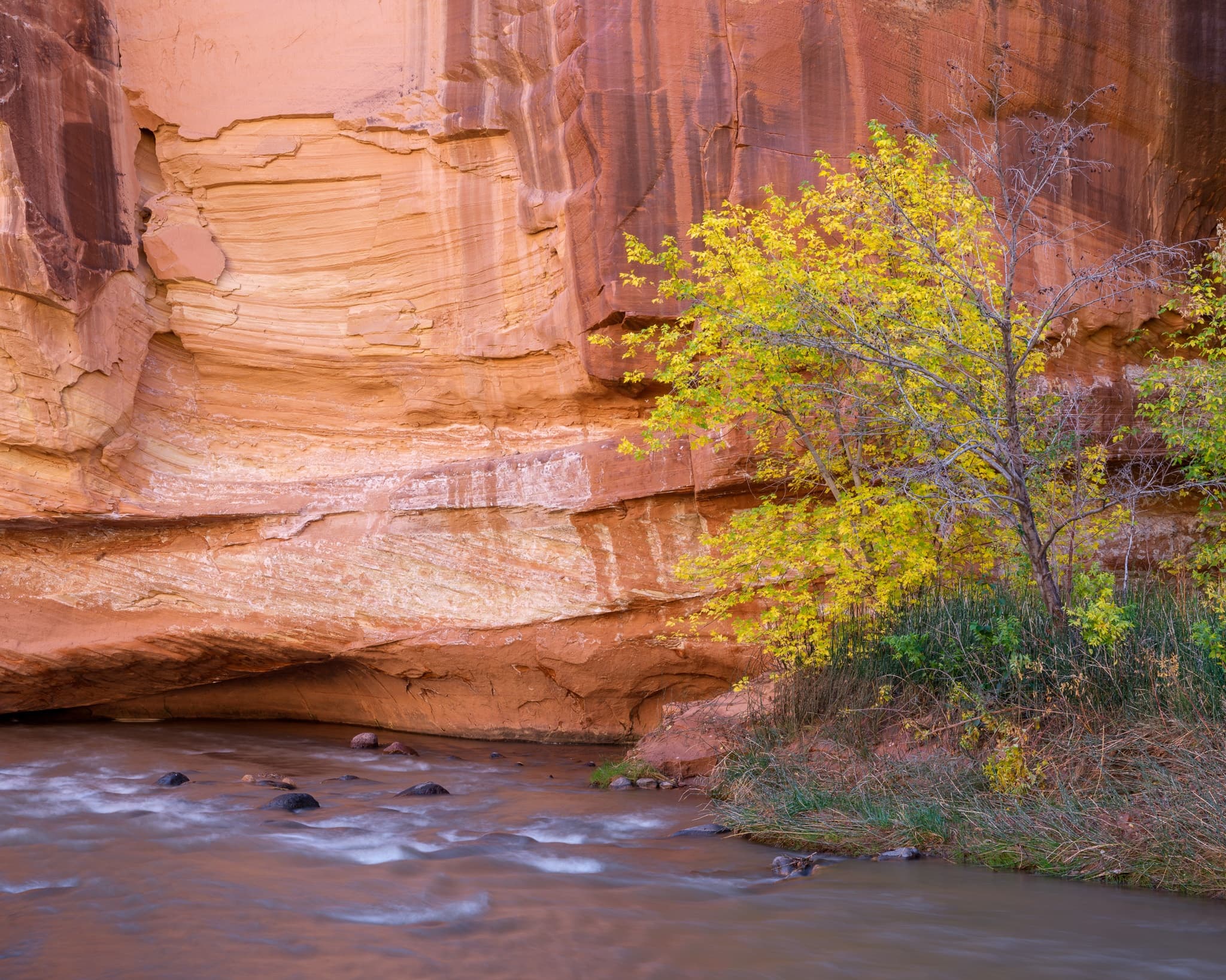
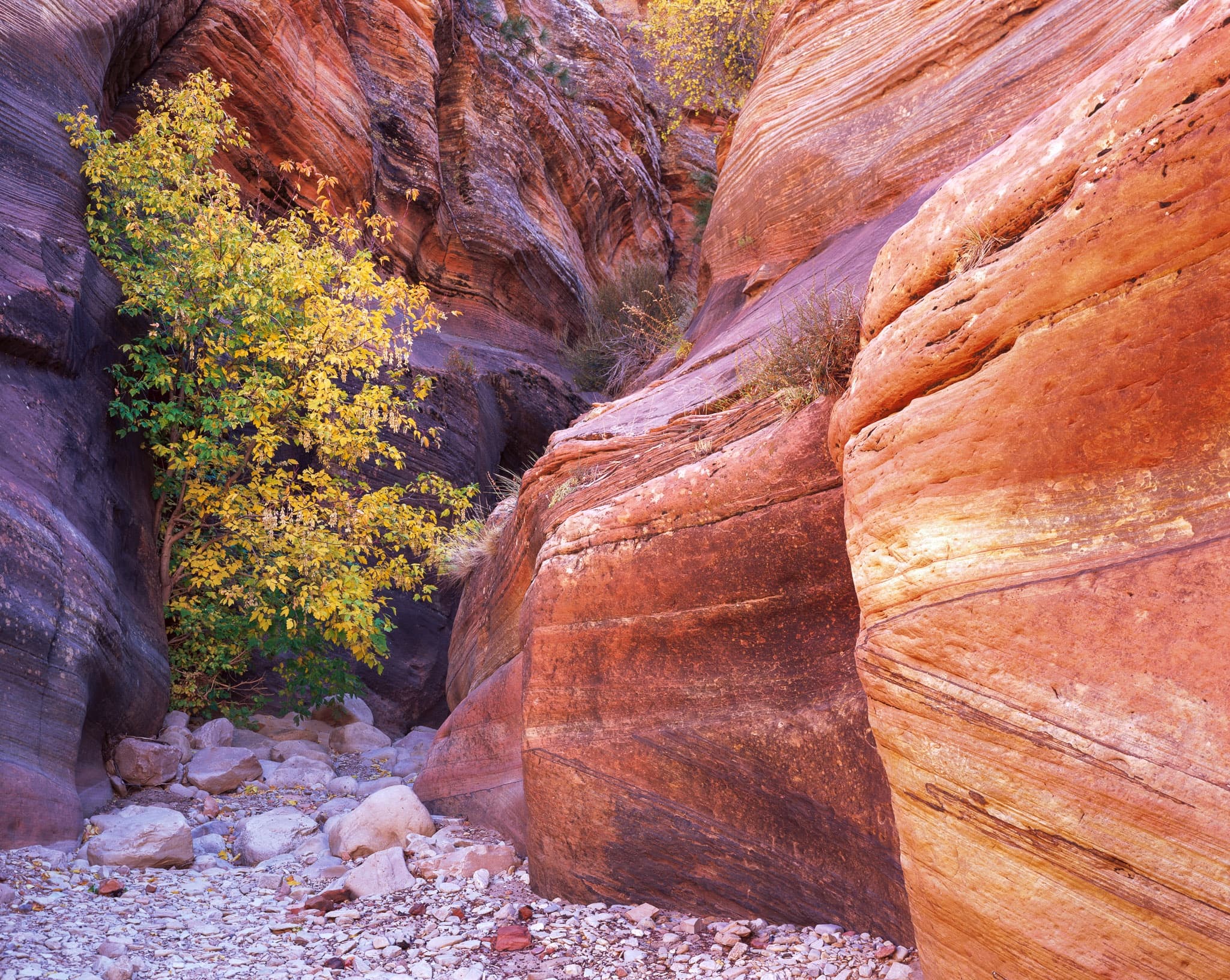
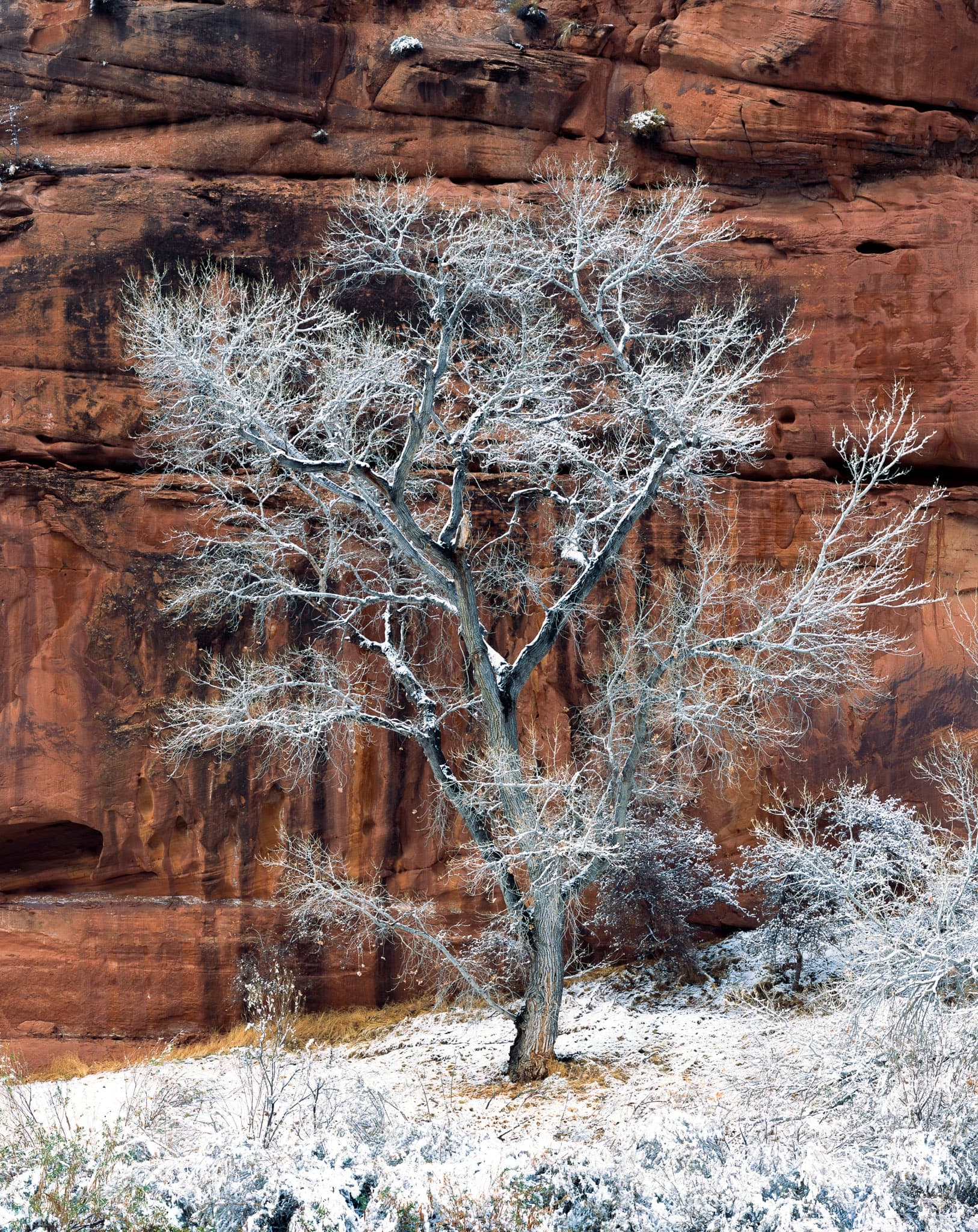
- Gnarled trunks contrast with red rock surroundings
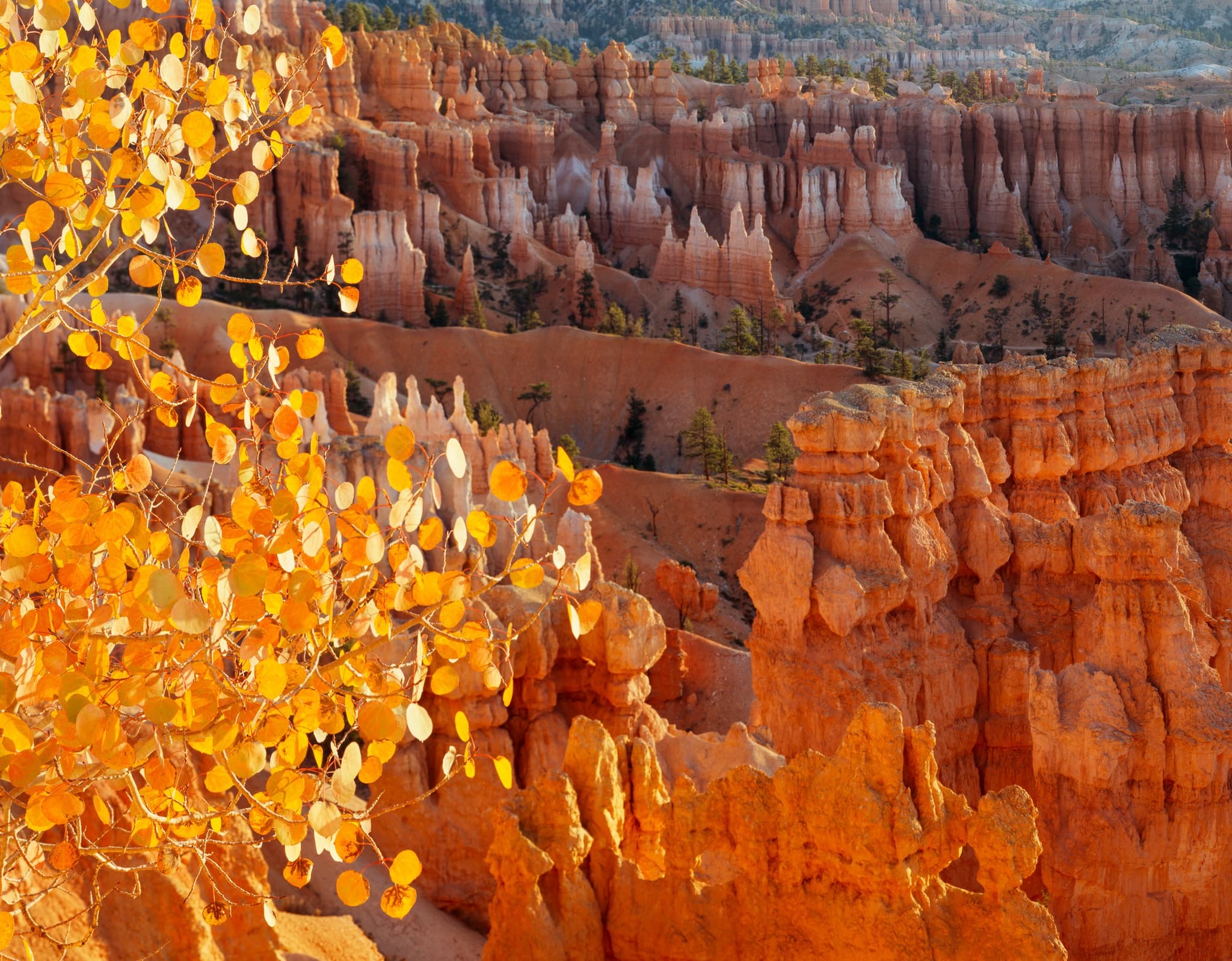
- Brilliant autumn gold
- Find them at Capitol Reef and Zion riverside areas
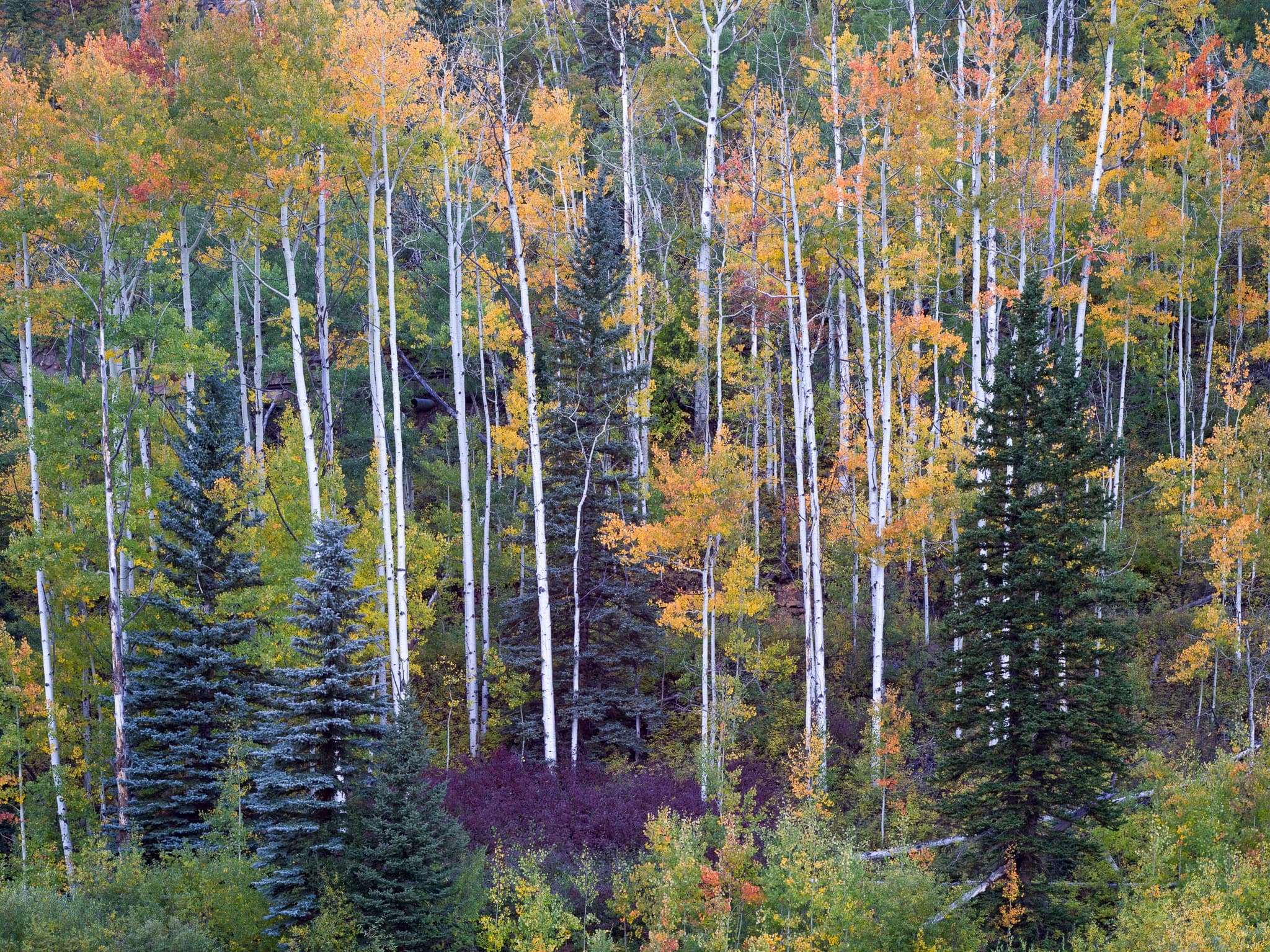
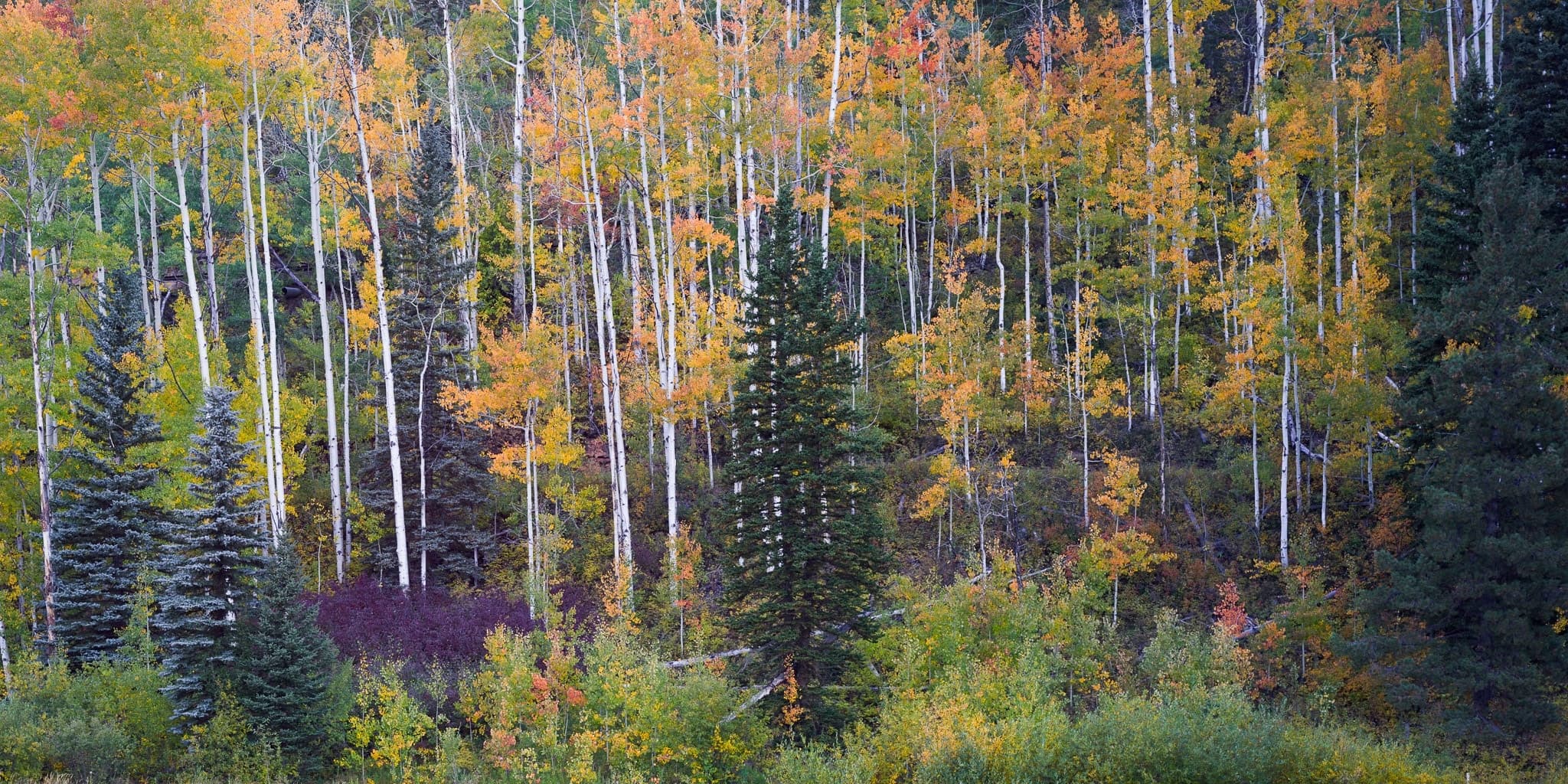
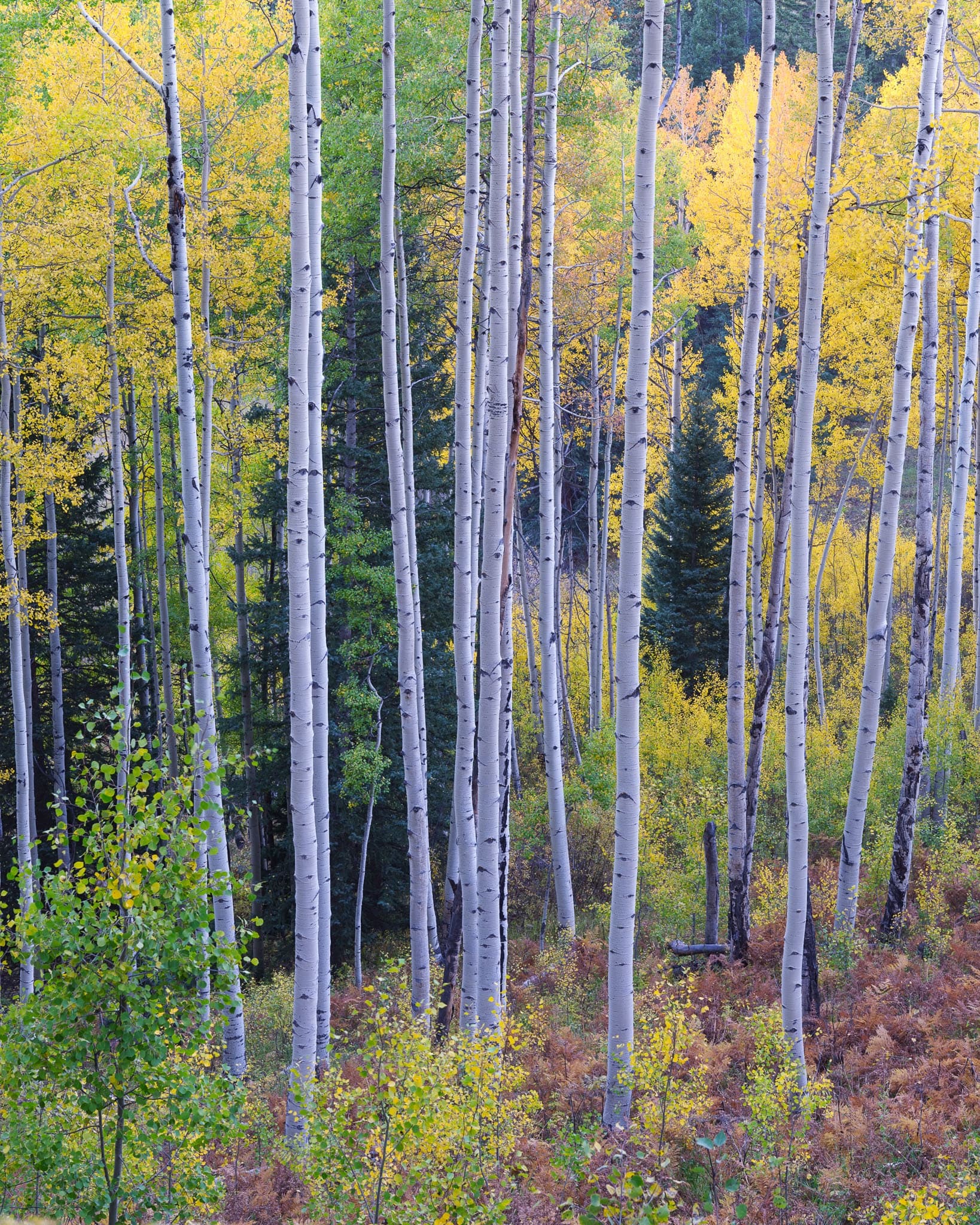
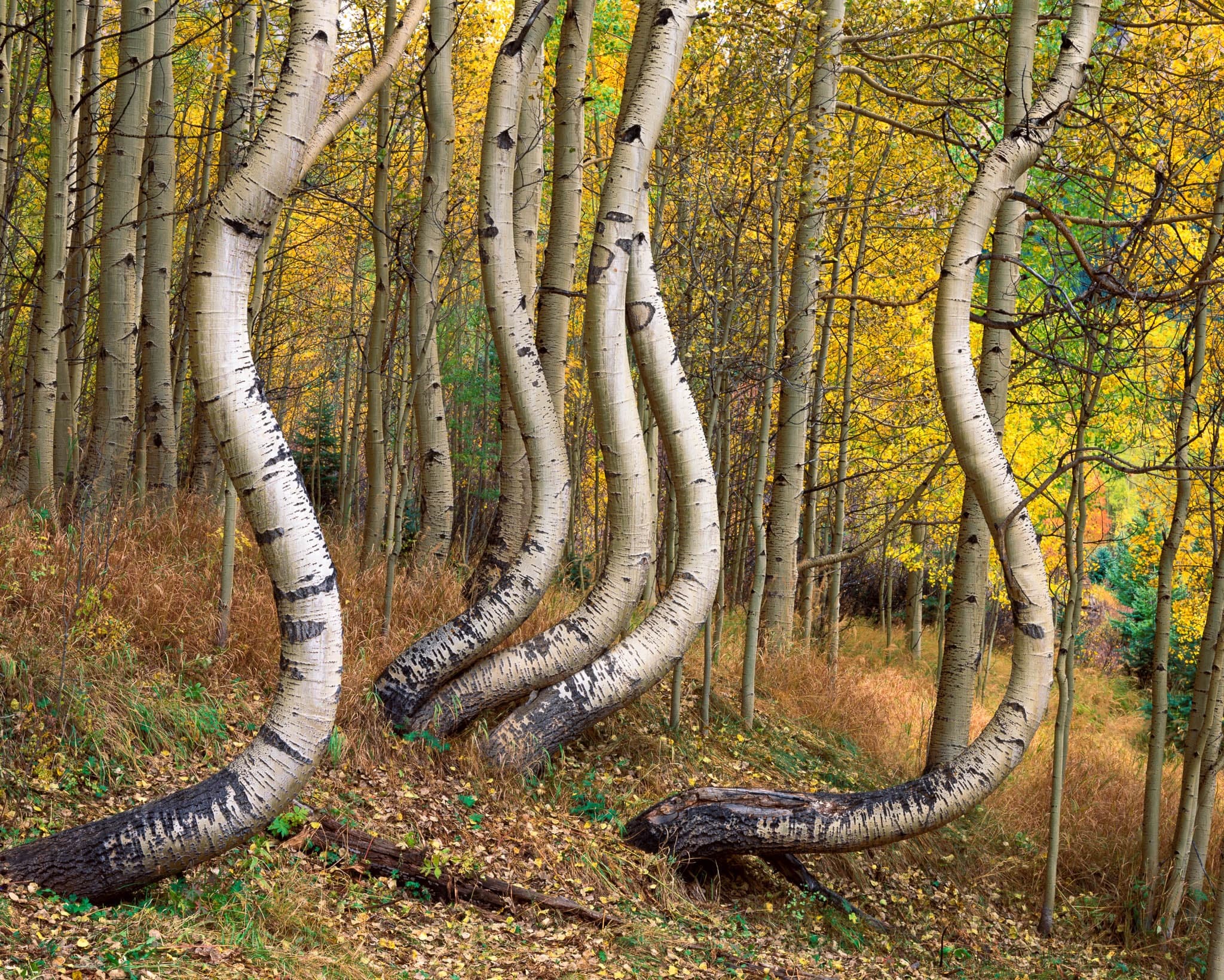
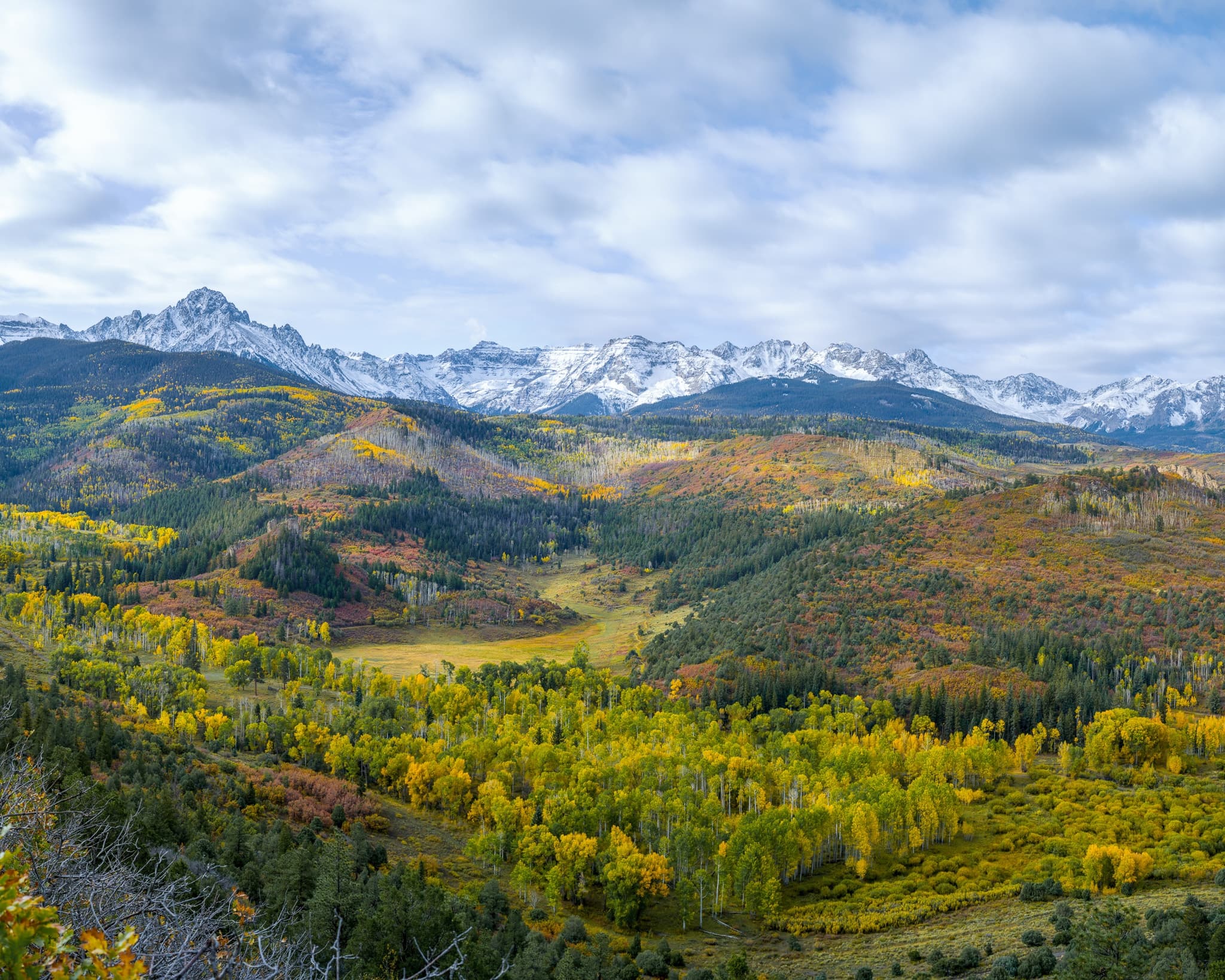
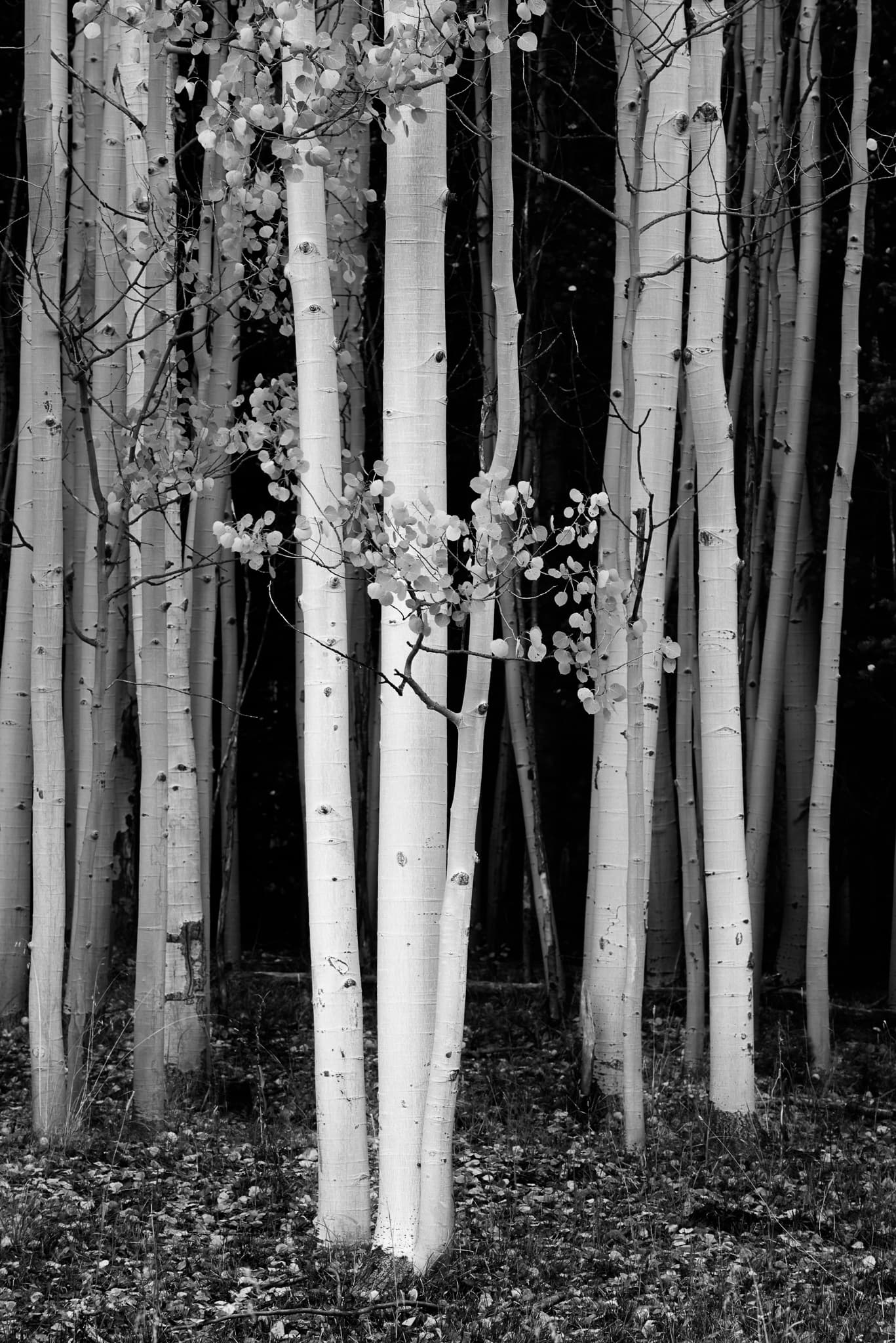
Quaking Aspens:
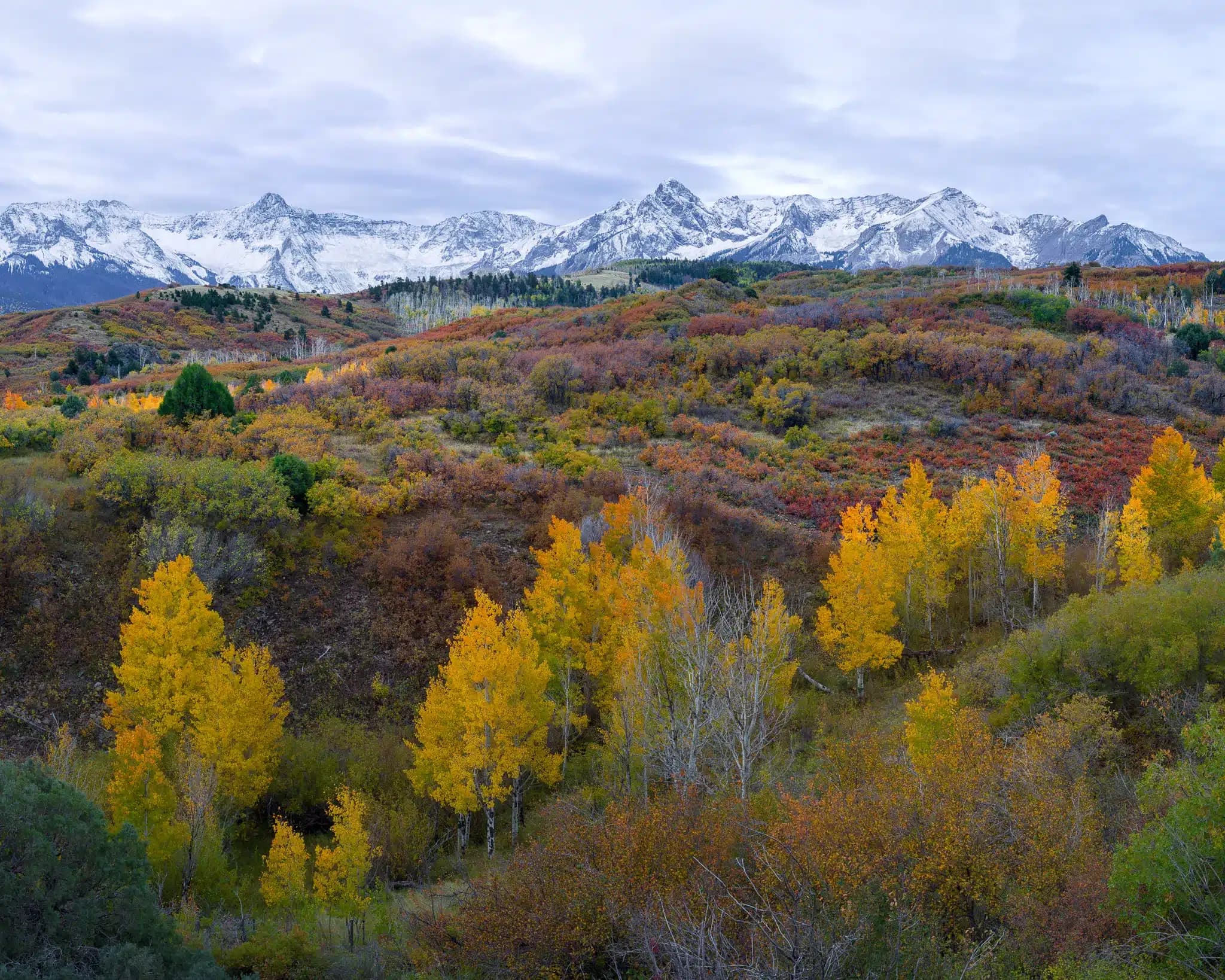
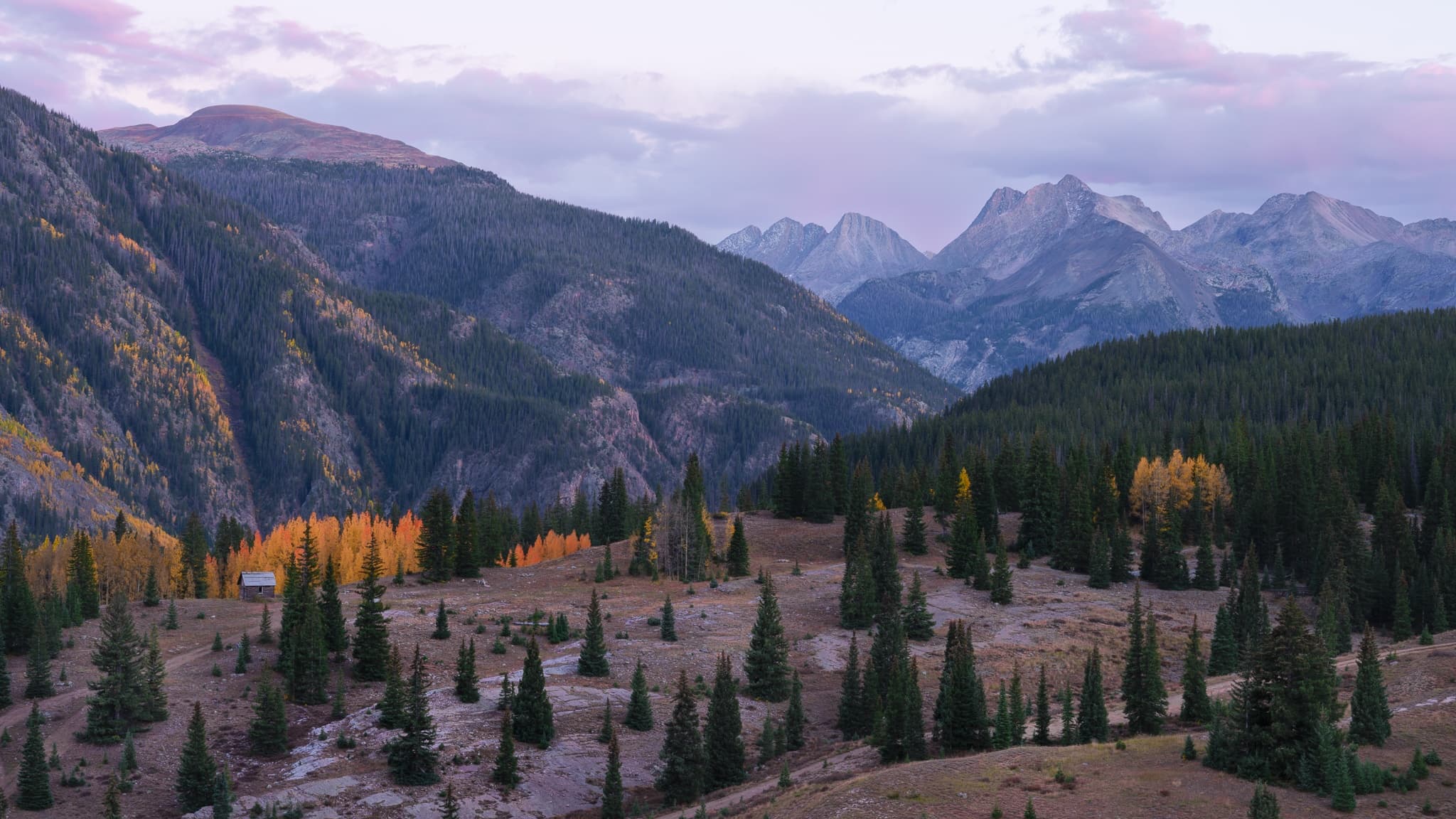
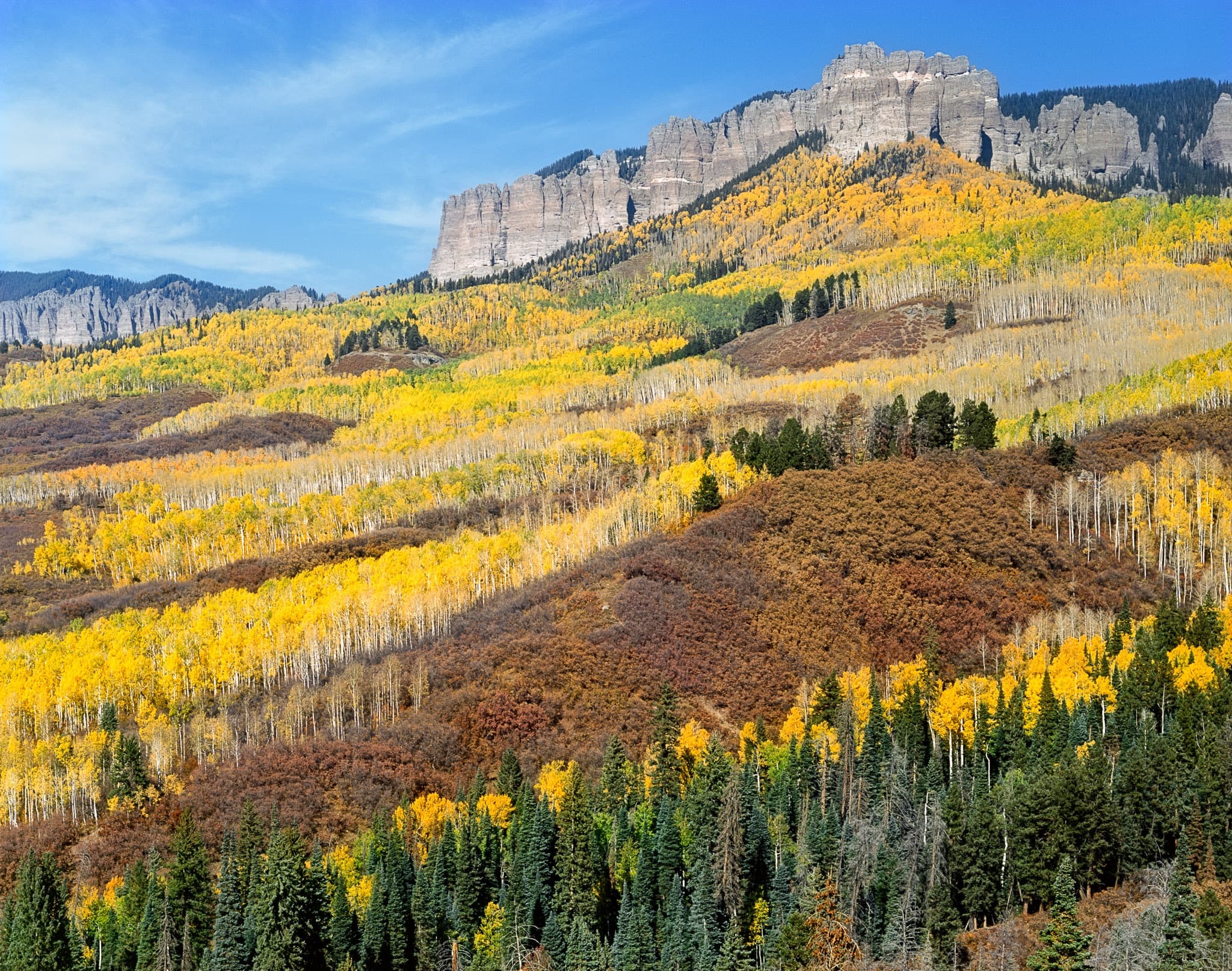
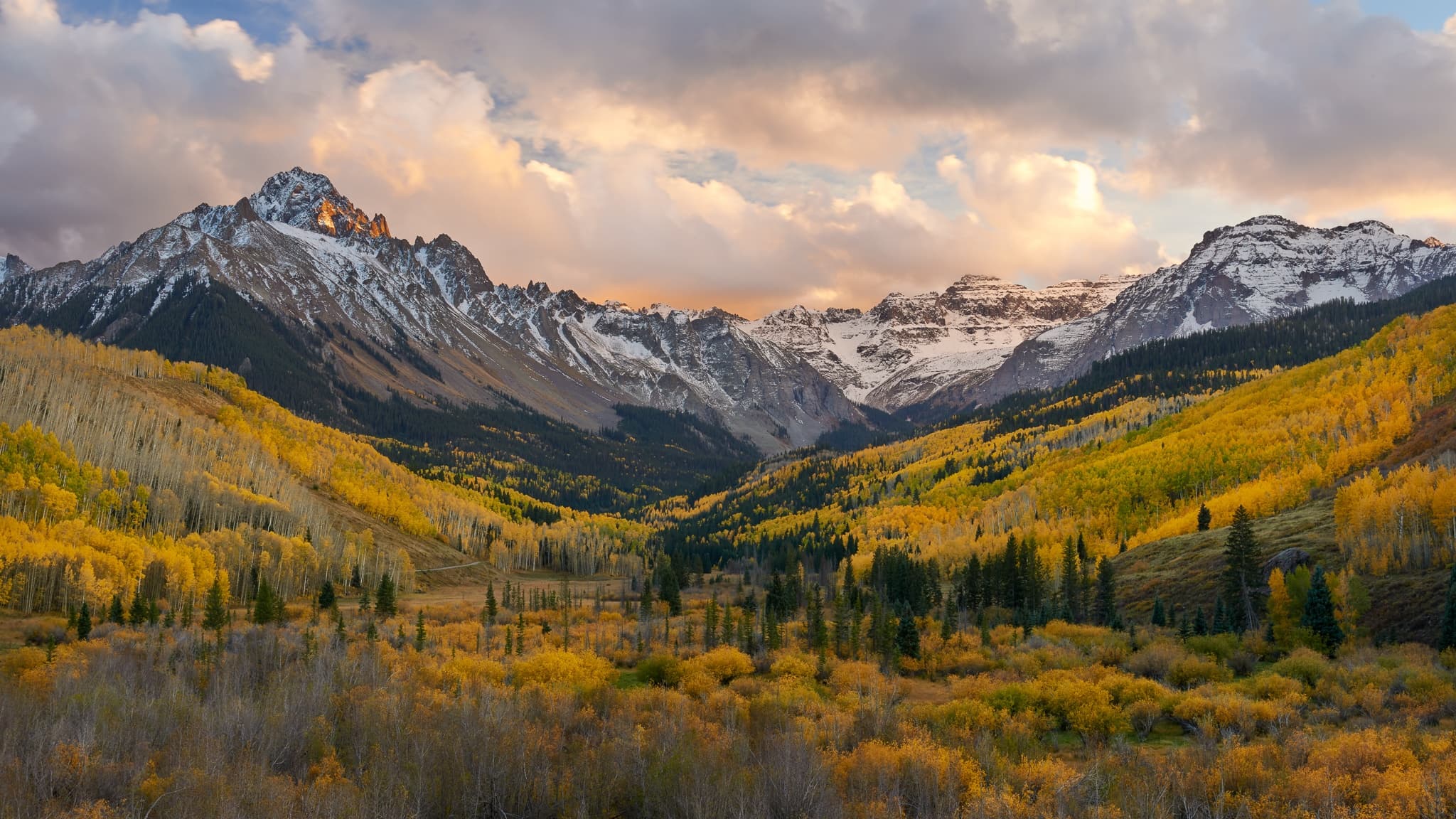
- Transform Rocky Mountain slopes to golden seas
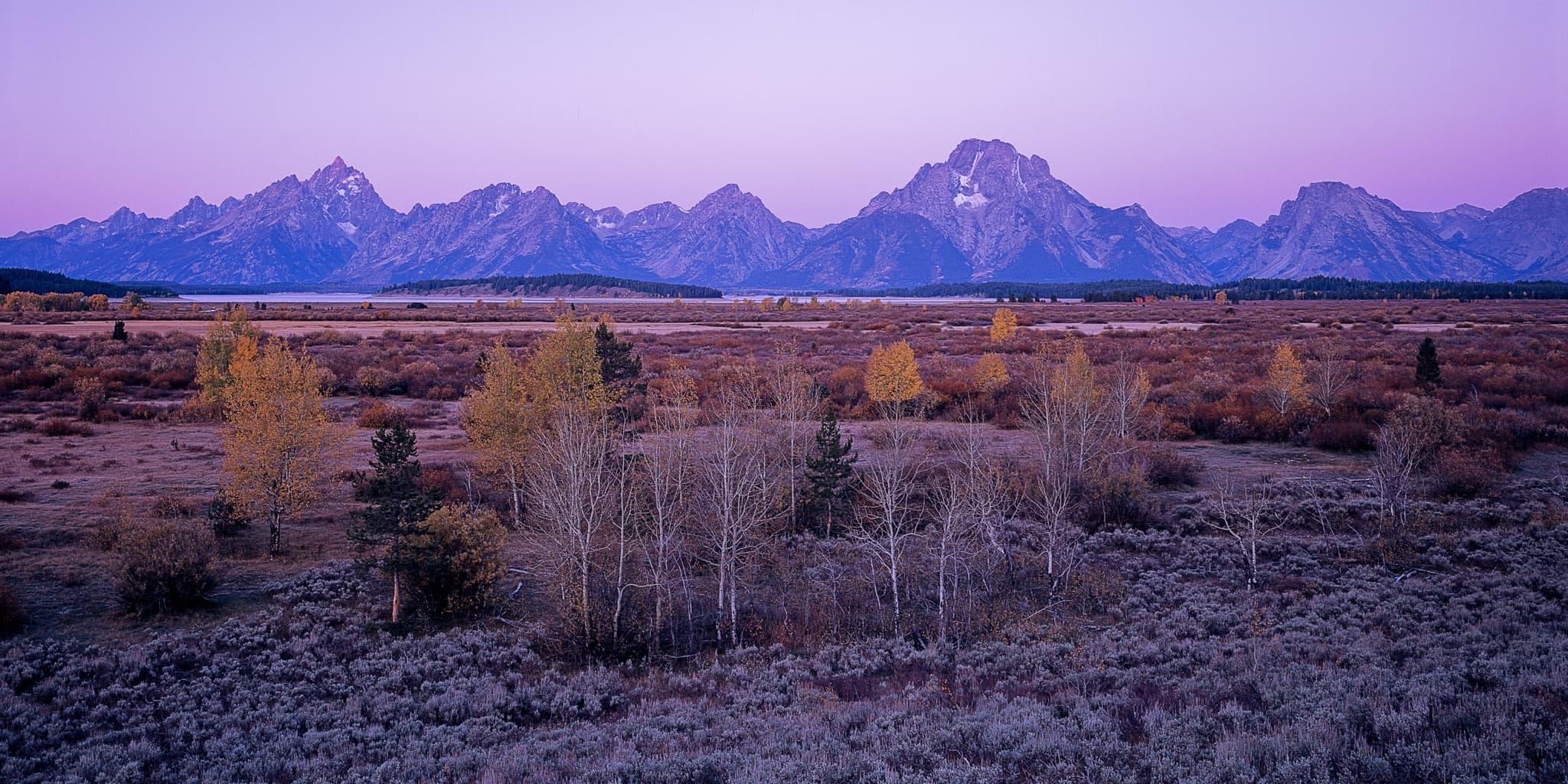
- White bark creates distinctive compositions
- Trembling leaves add movement
Seasonal Tree Photography
Each season reveals different tree character.
Seasonal highlights:
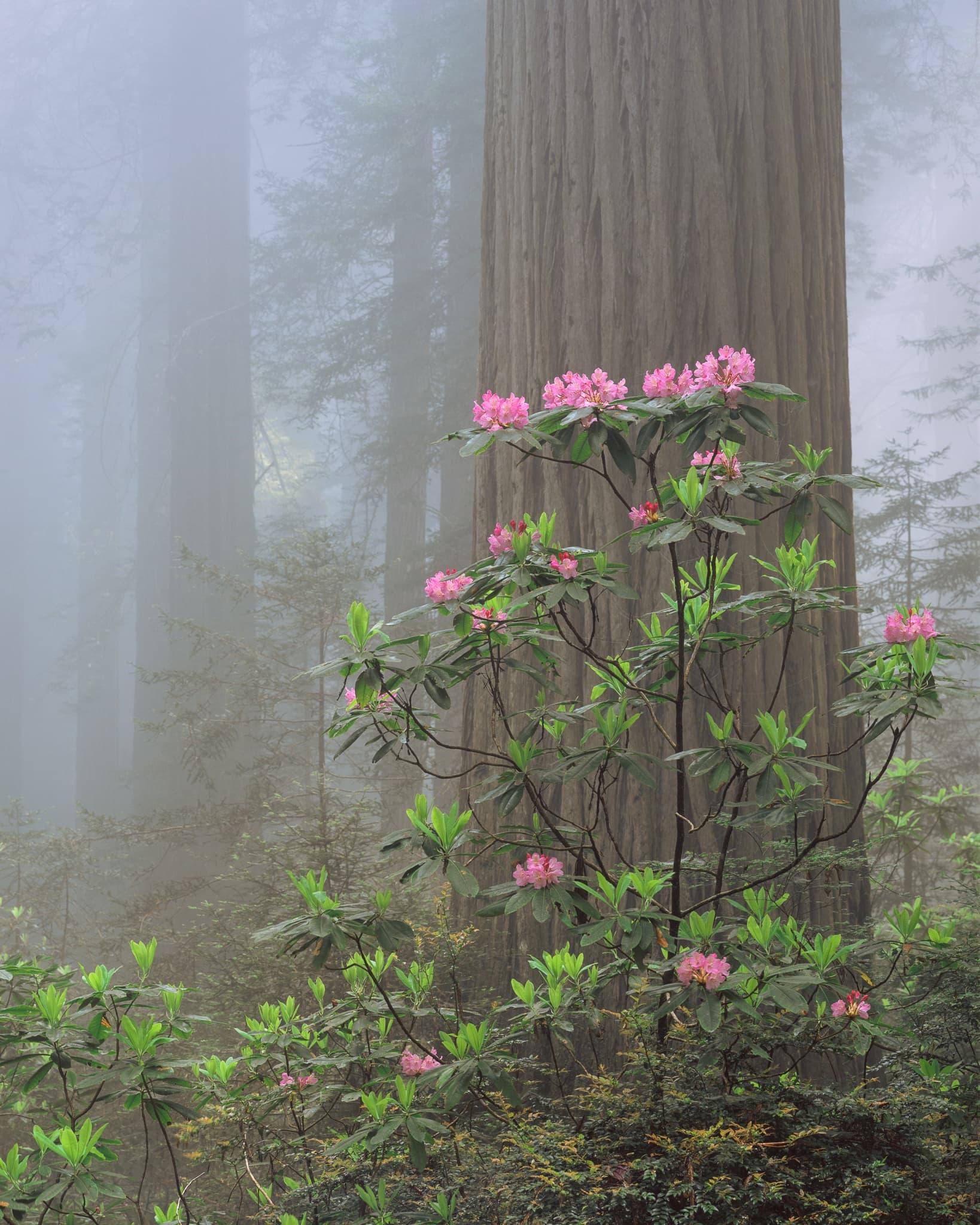
- Spring—fresh green foliage and flowering species
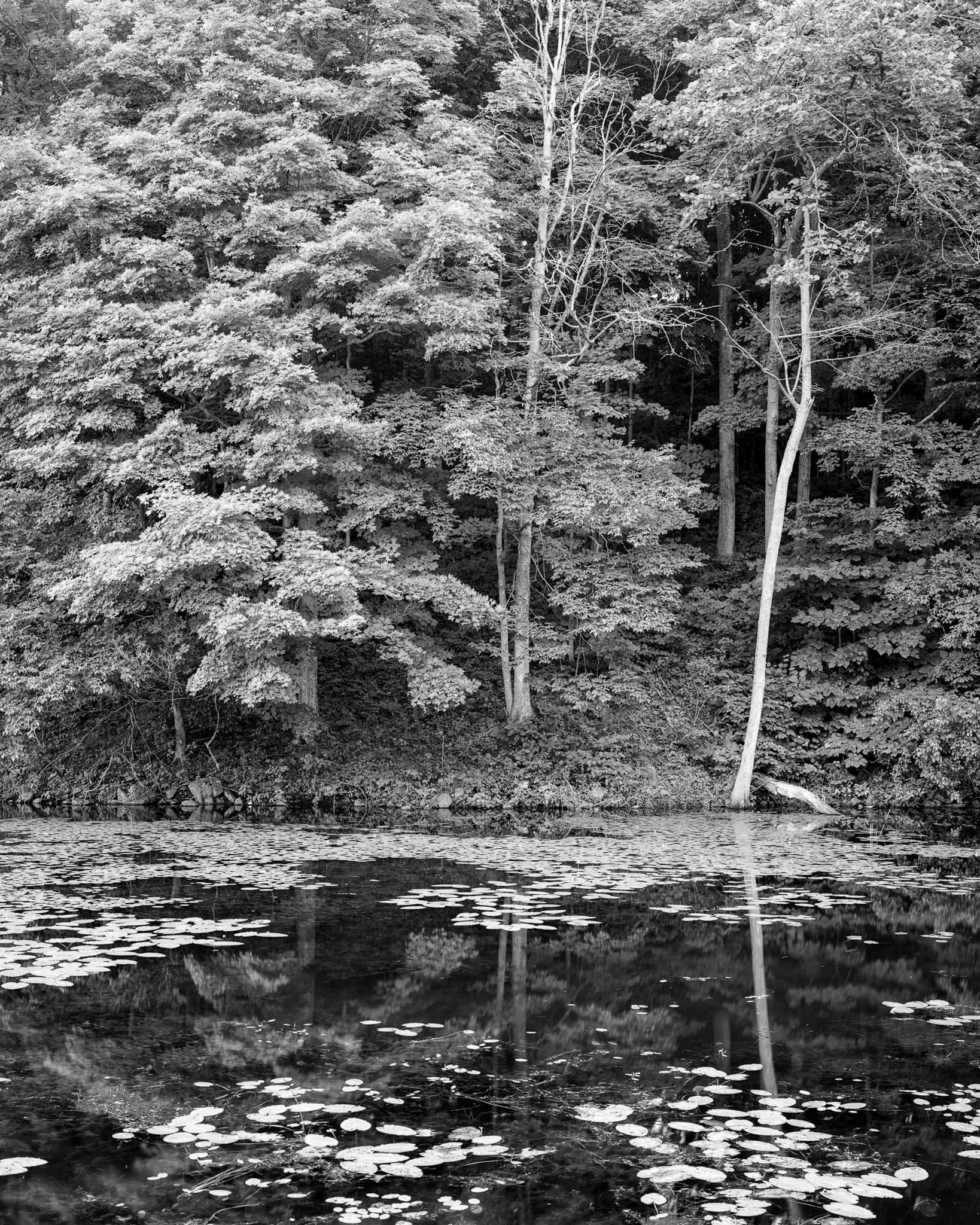
- Summer—mature leaves, full canopies, dramatic shadows
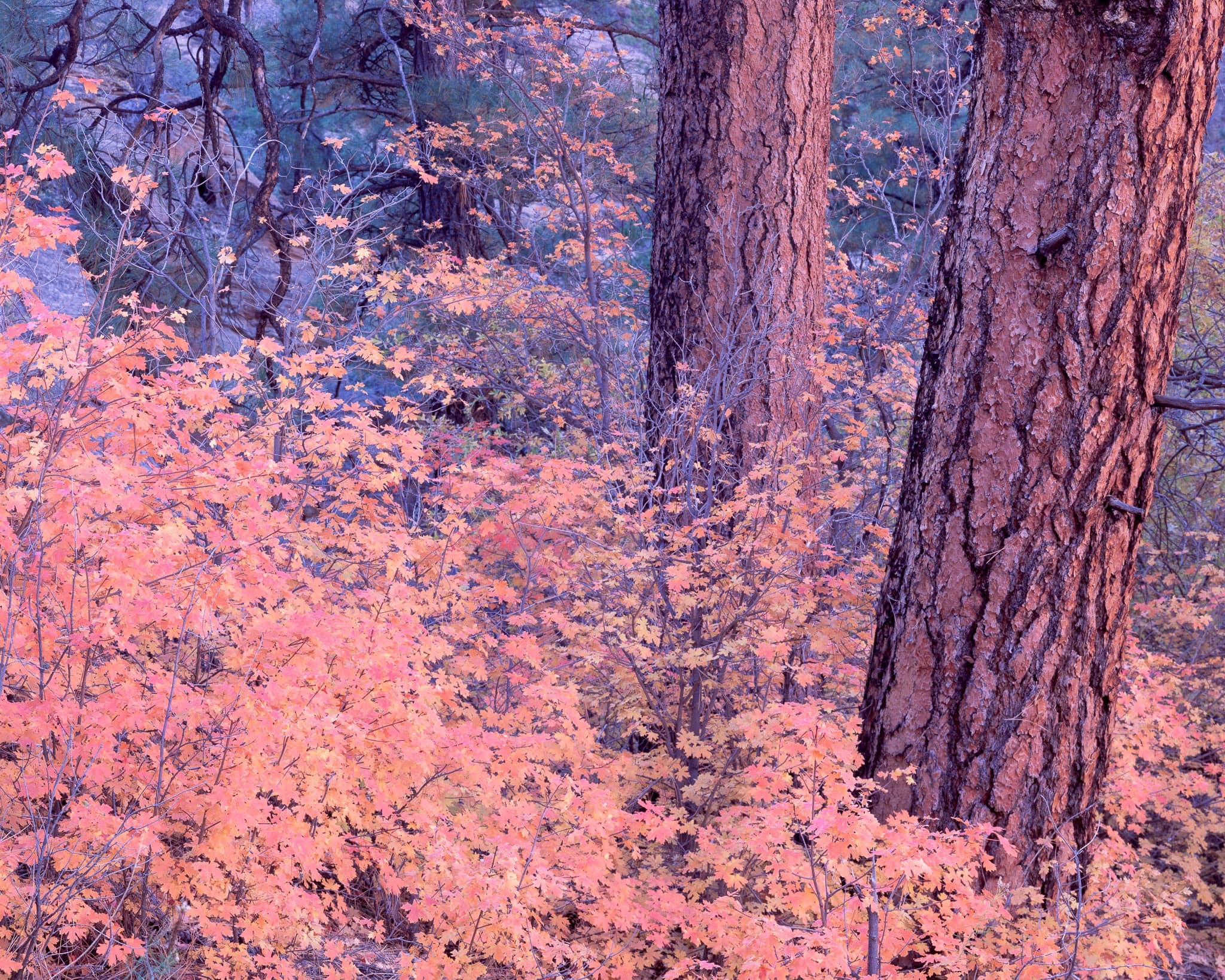
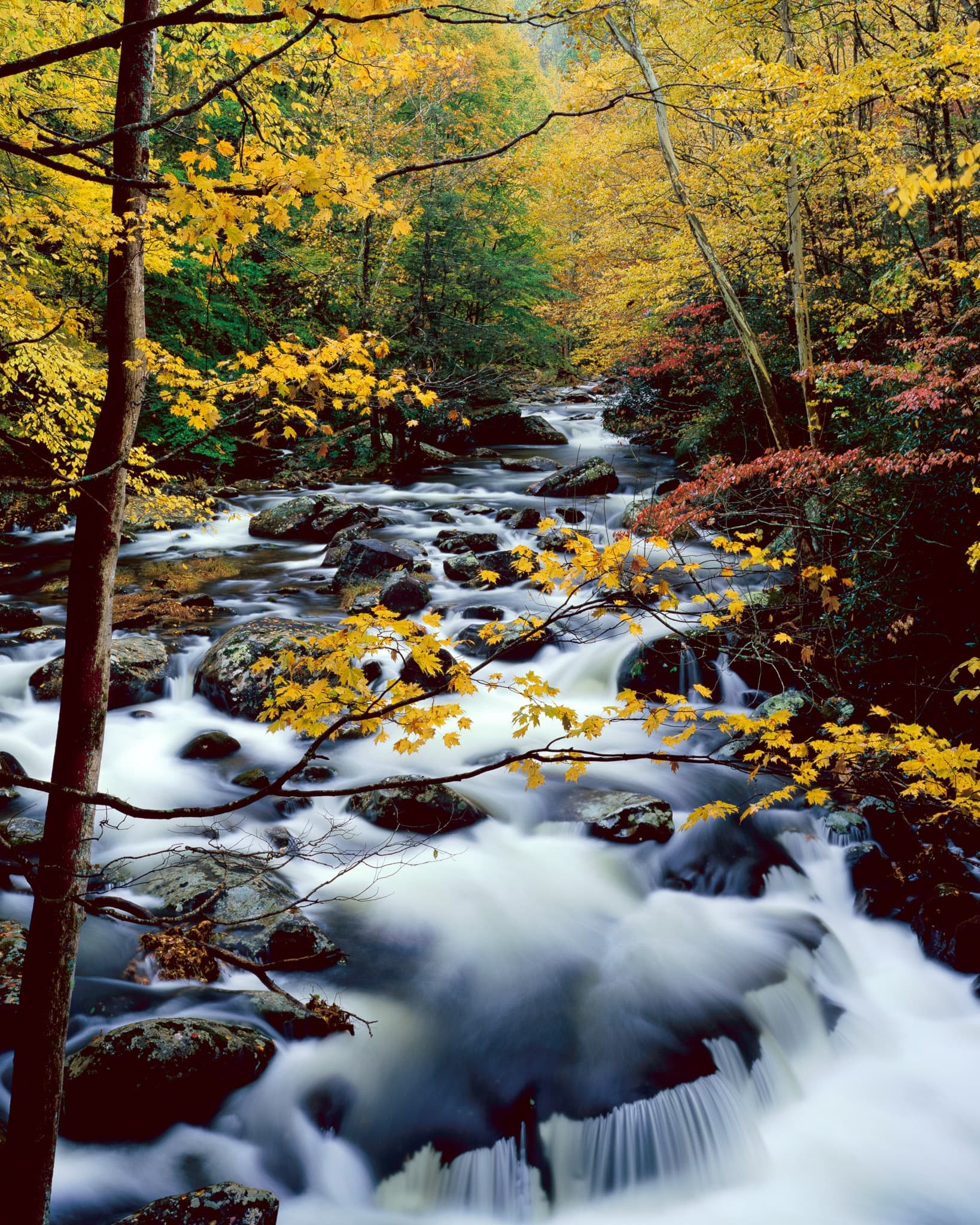
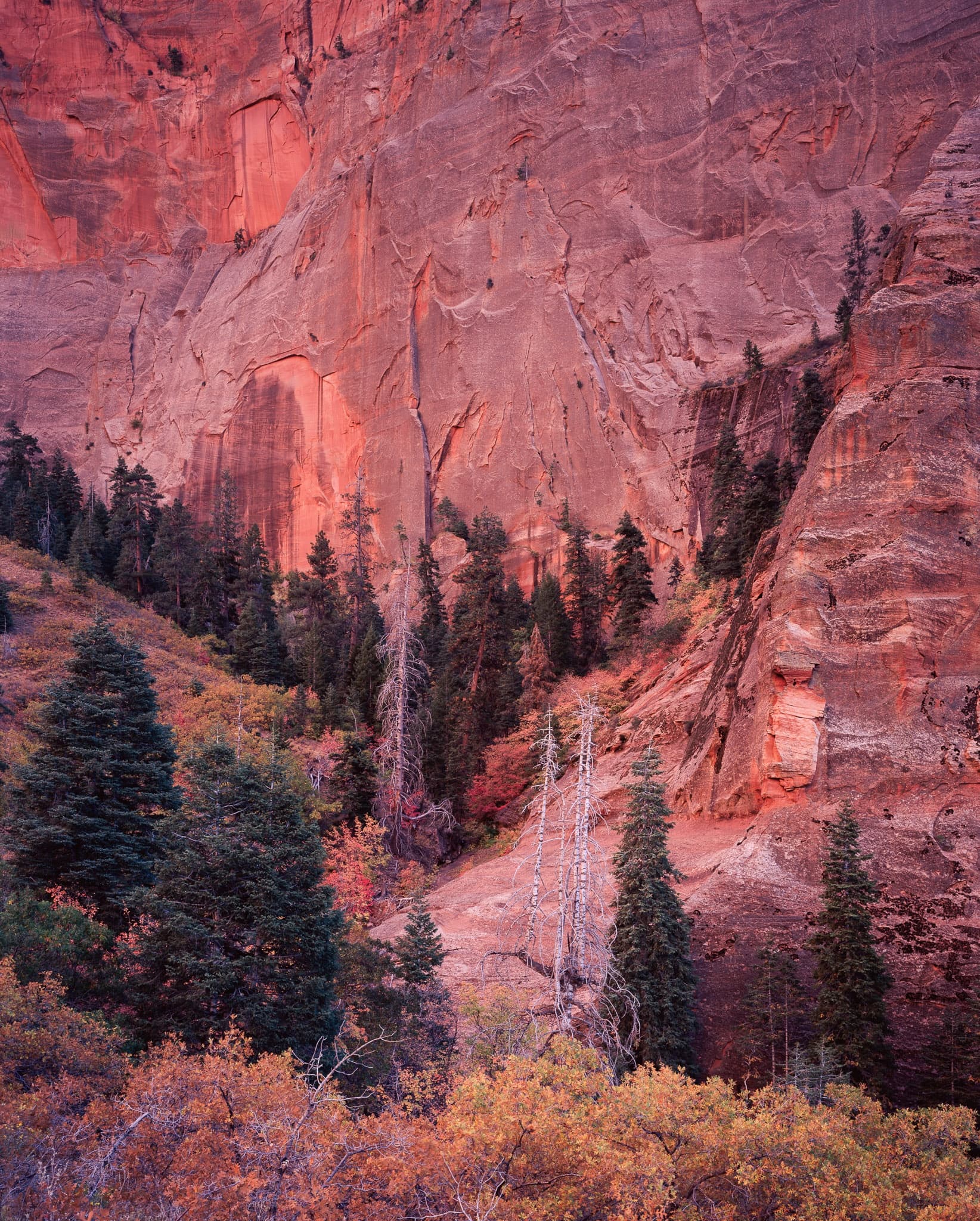
- Autumn—colorful displays that can peak within days
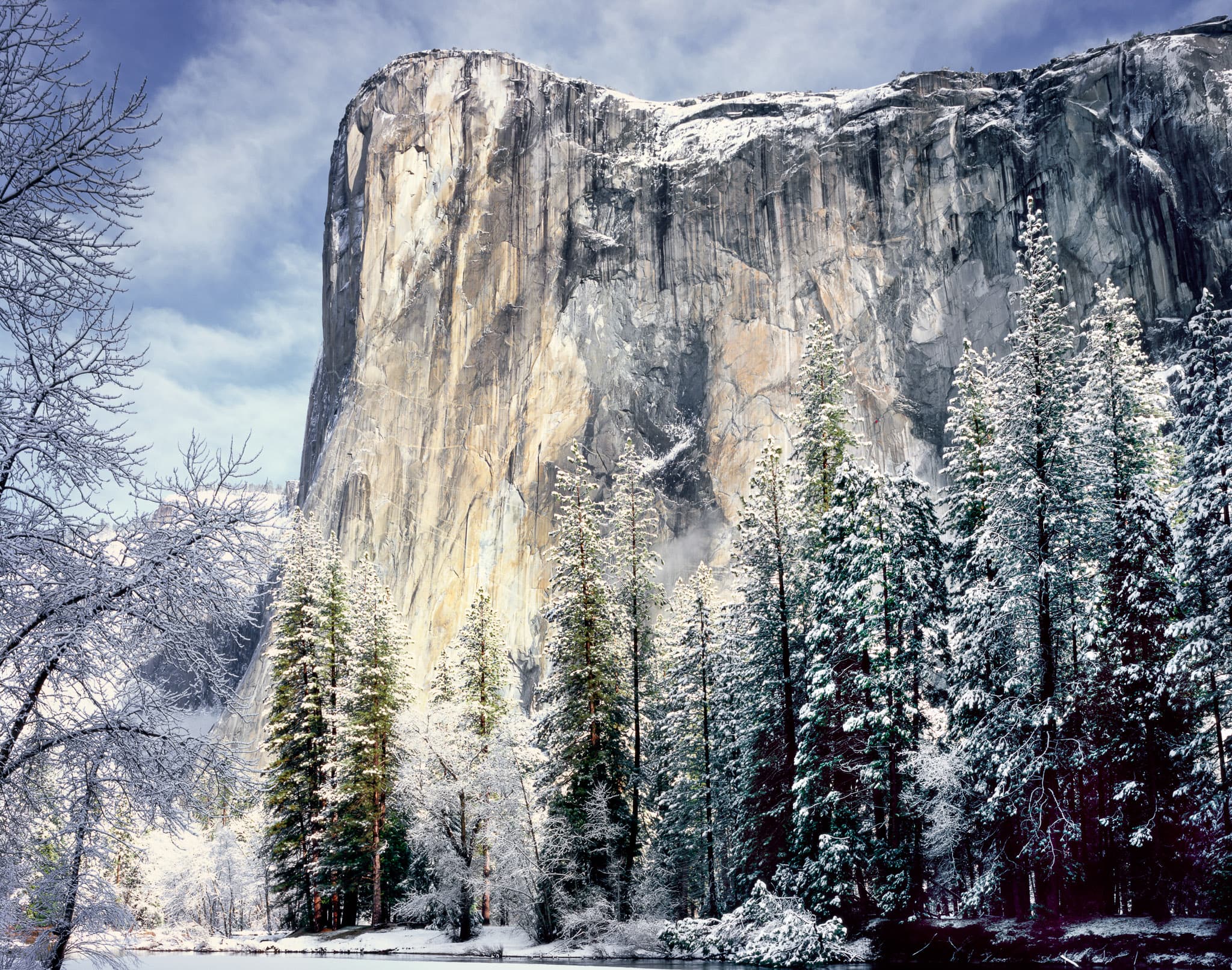
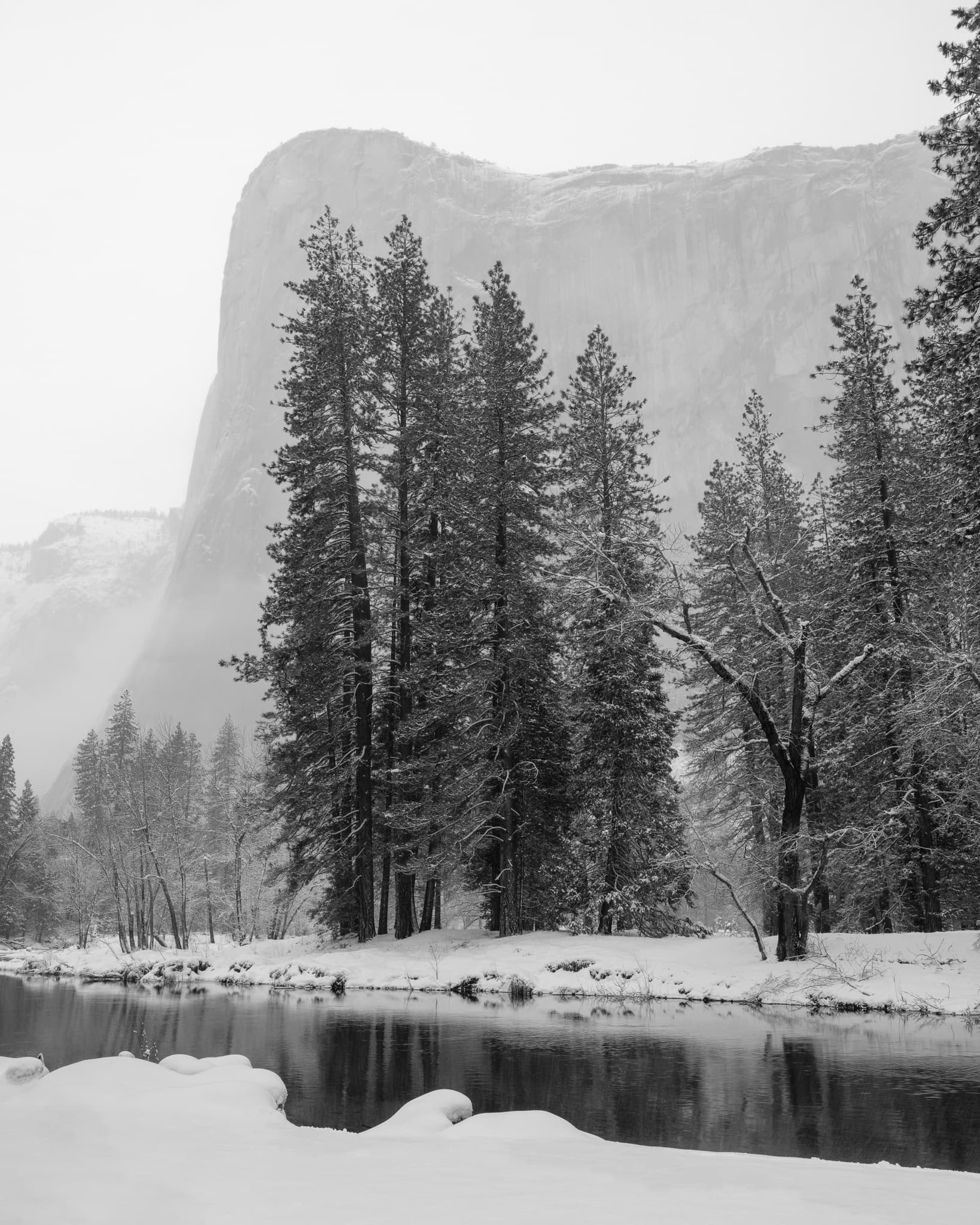
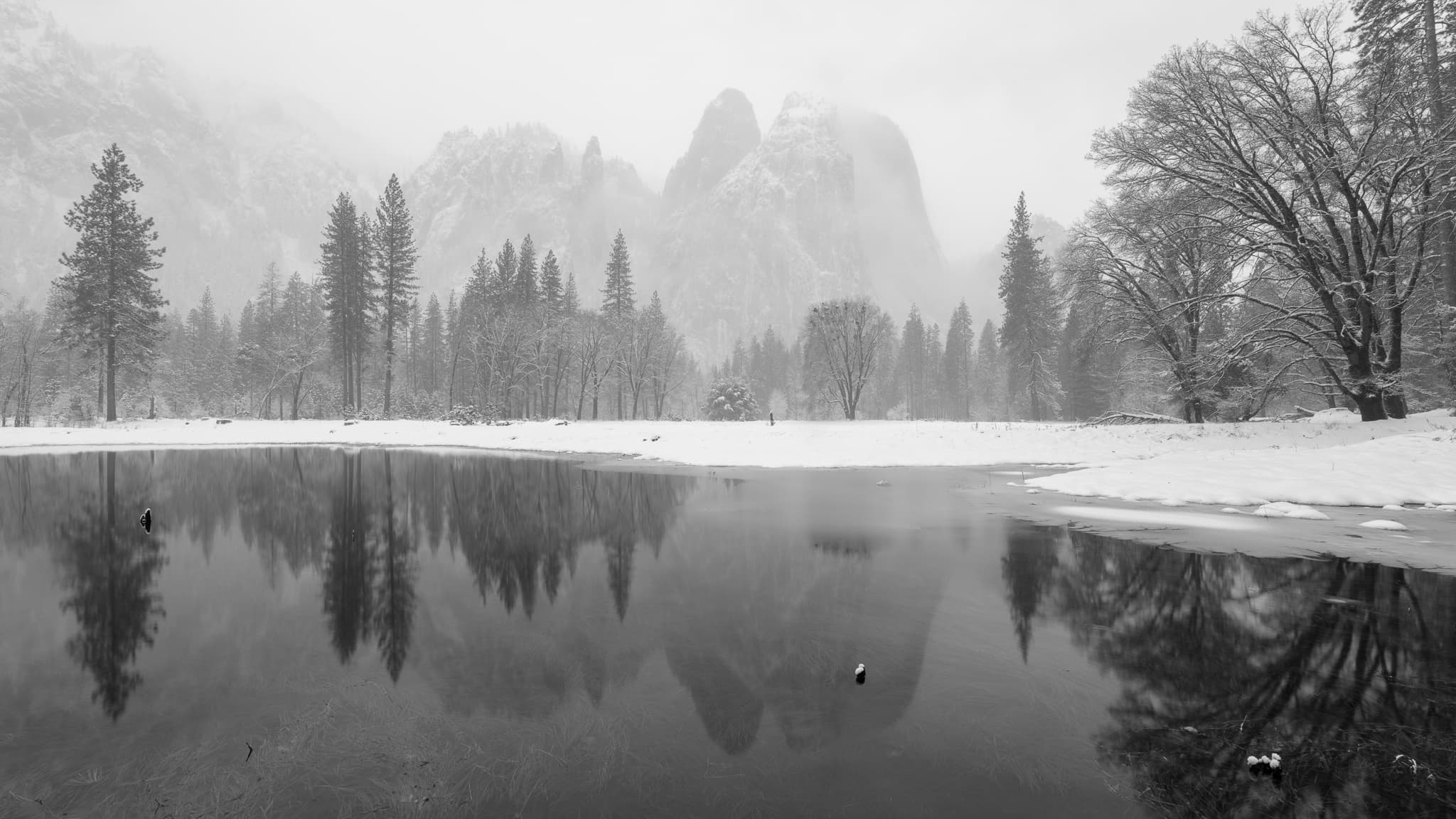
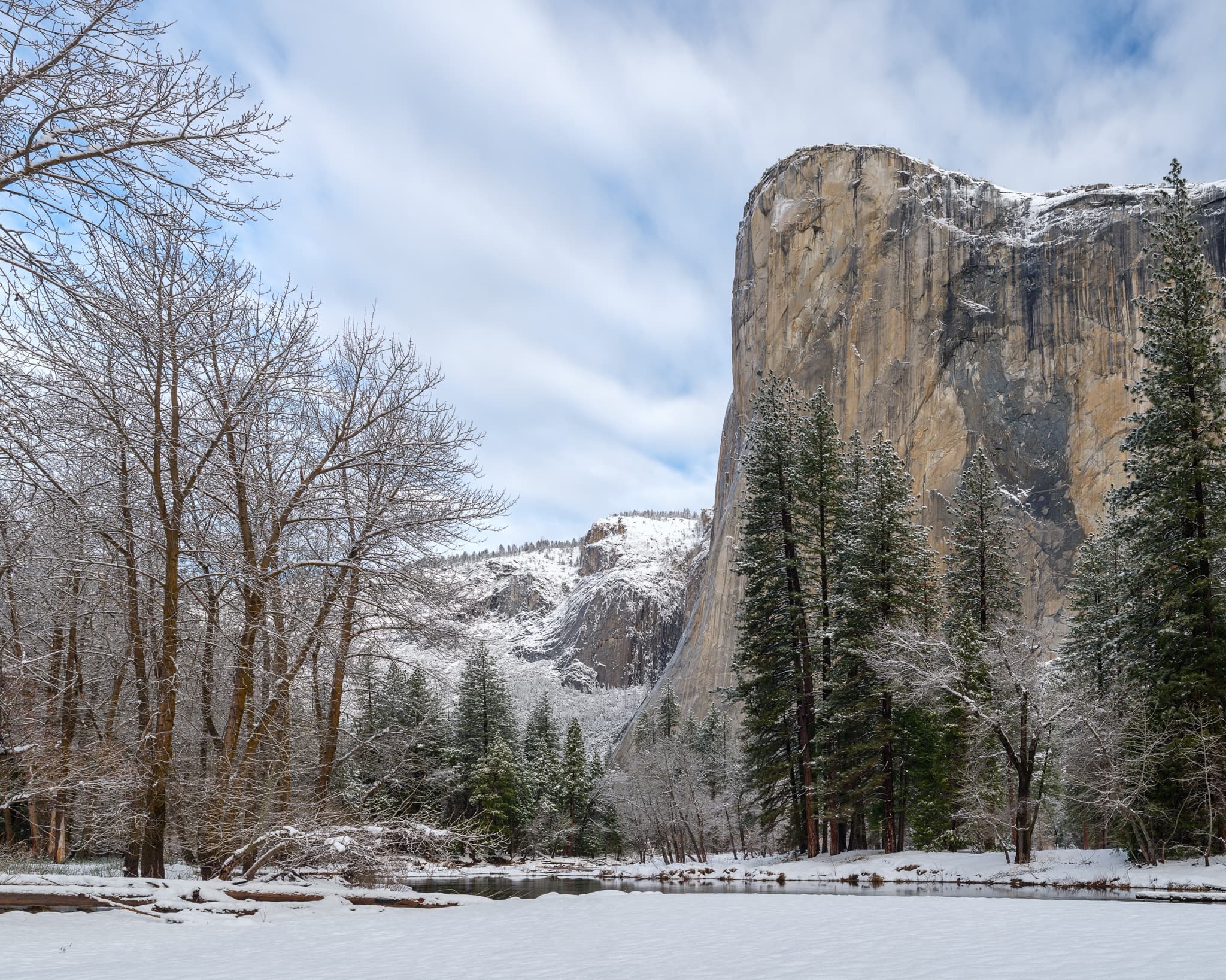
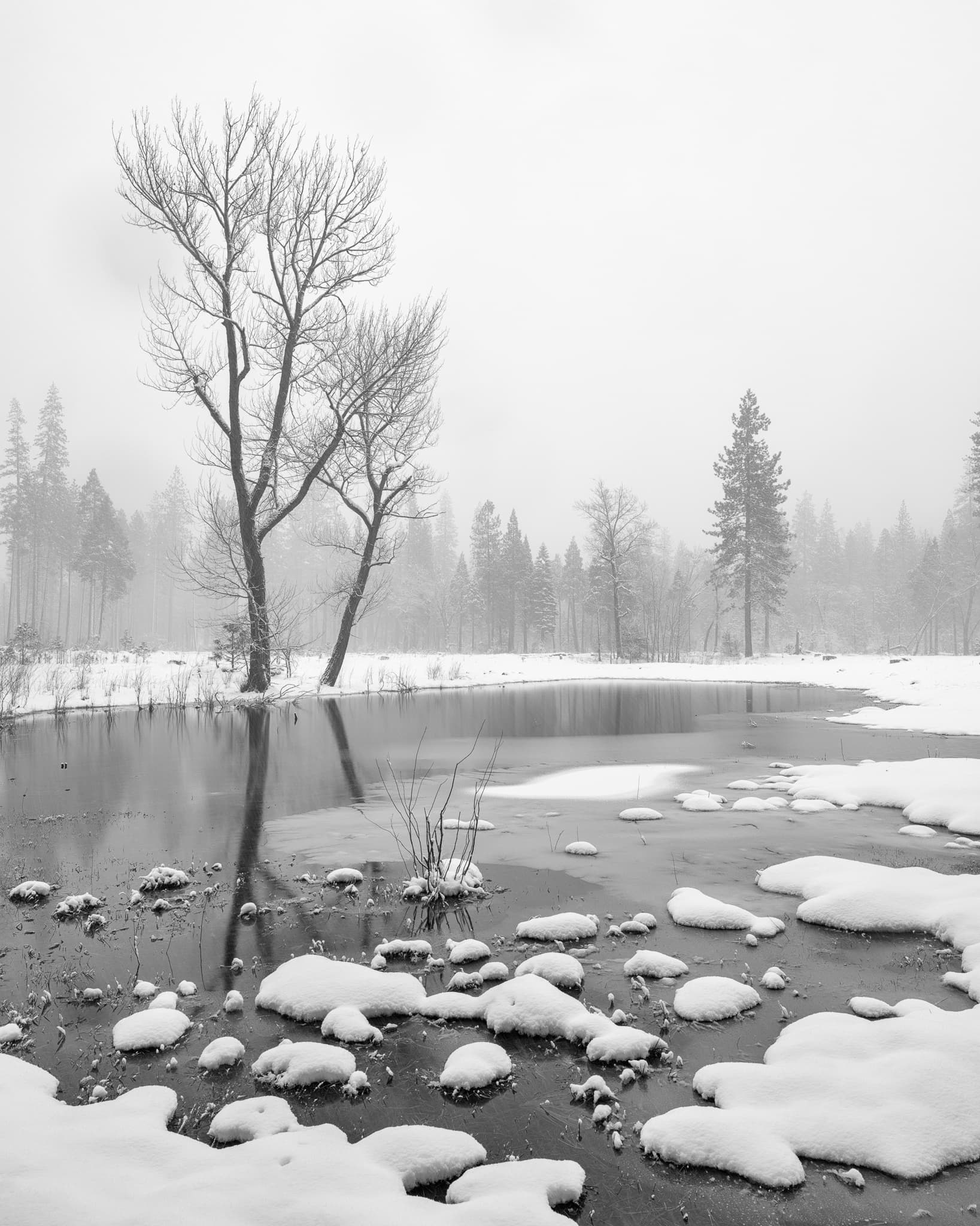
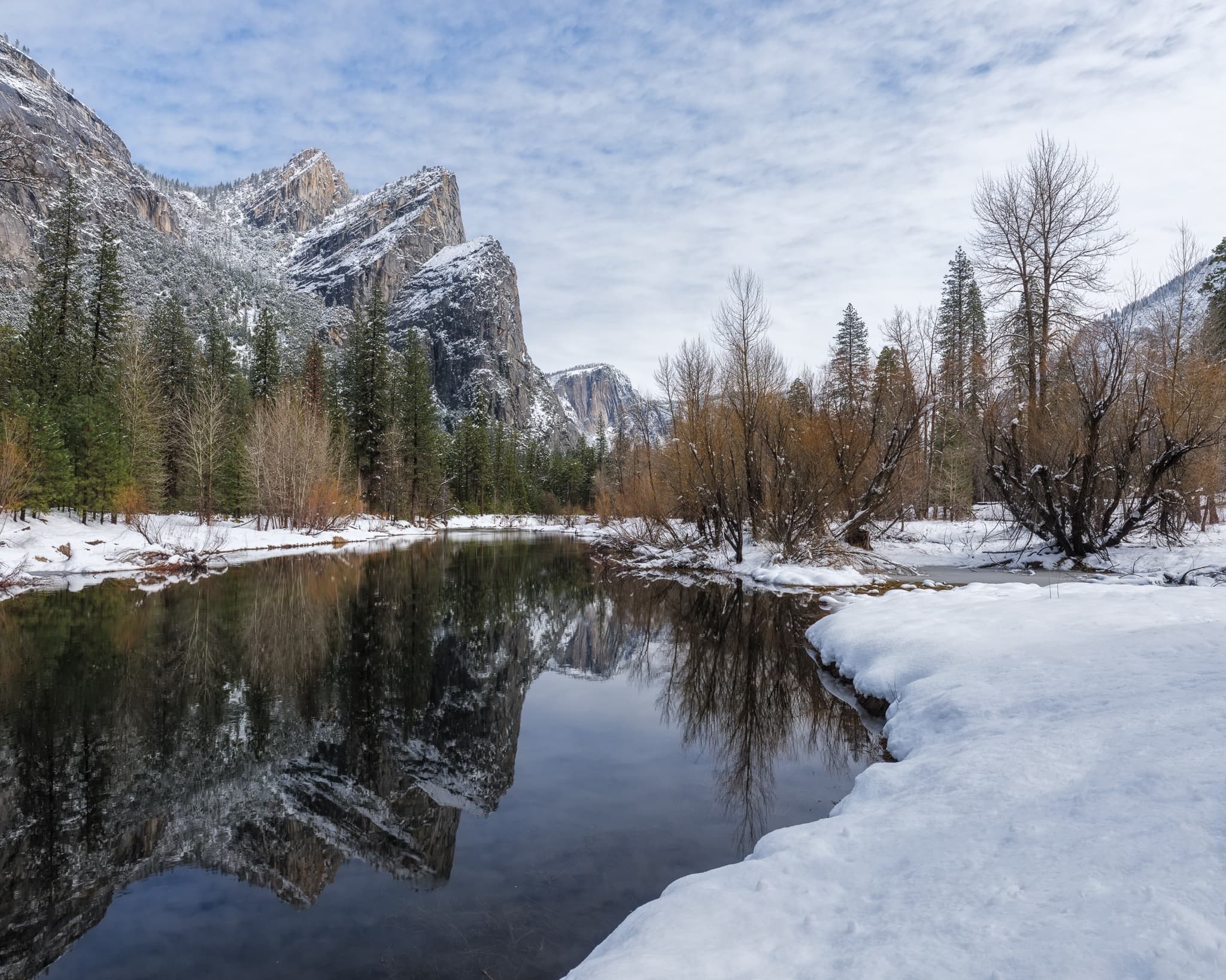
- Winter—structural form revealed, bare branches against snow
Light & Composition for Trees
Tree photography benefits from varied lighting.
Lighting options:
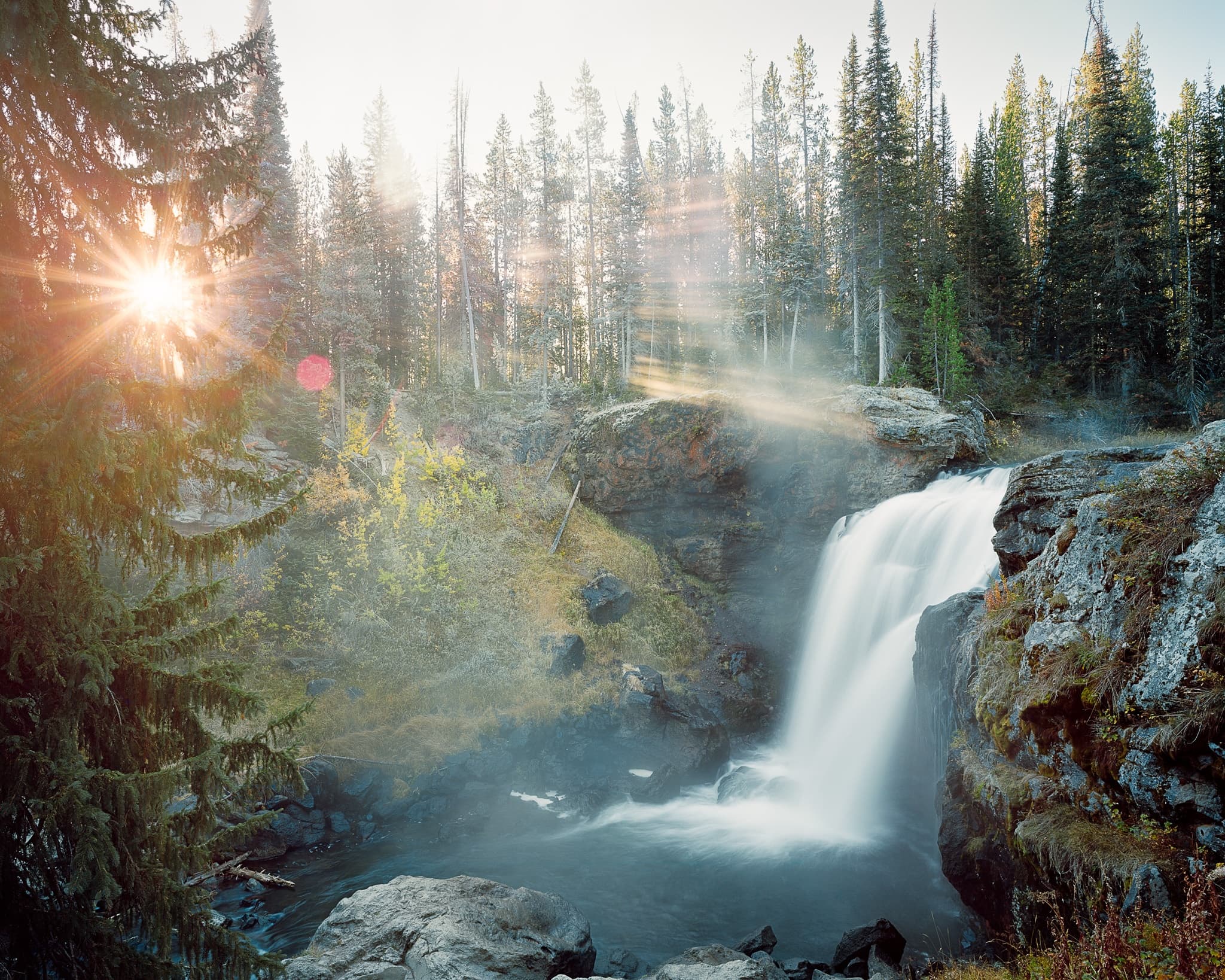
- Backlighting—luminous foliage and dramatic silhouettes
- Sidelight—reveals bark texture and branch structure
- Overcast—saturates autumn colors, eliminates harsh shadows
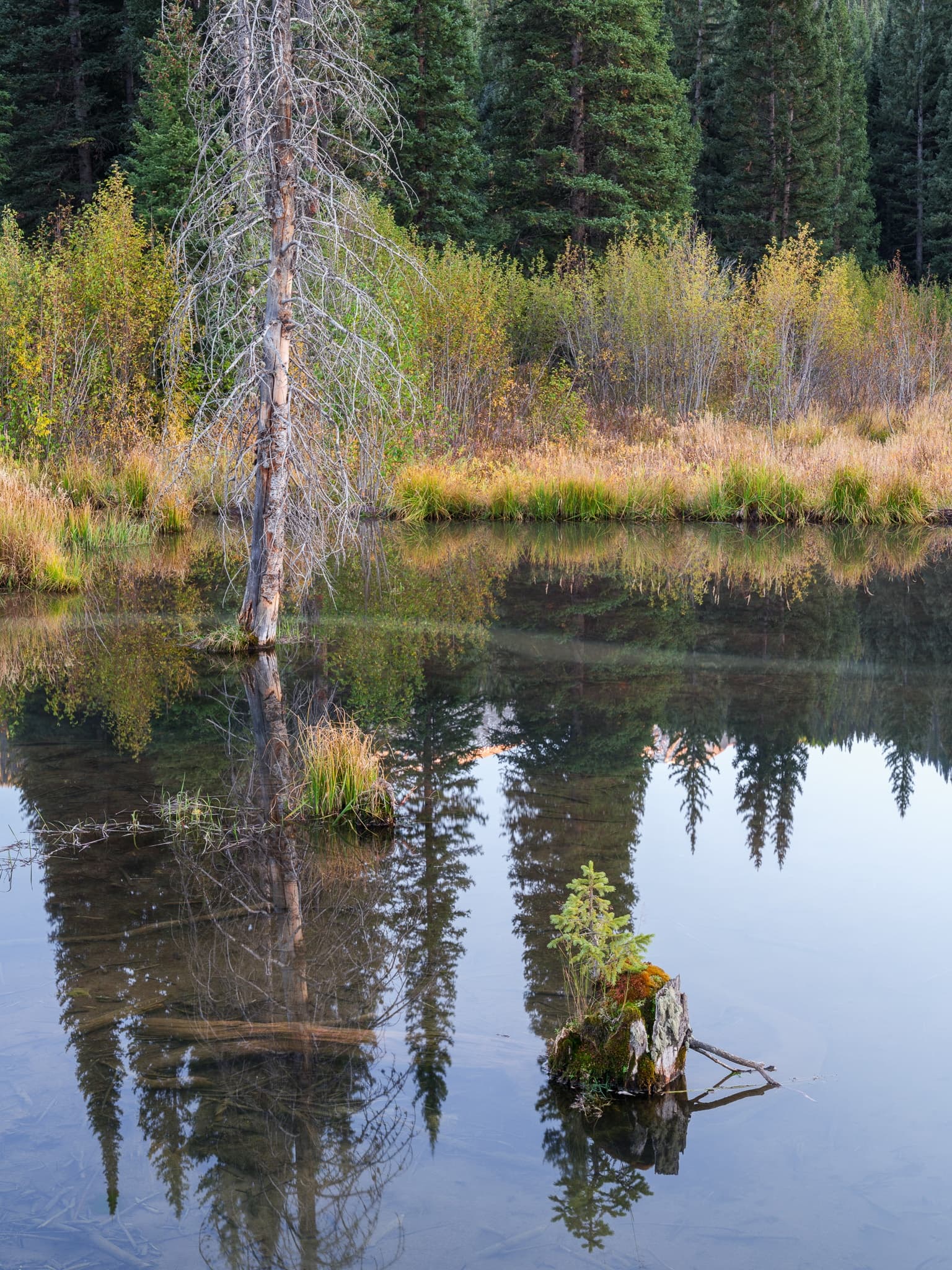
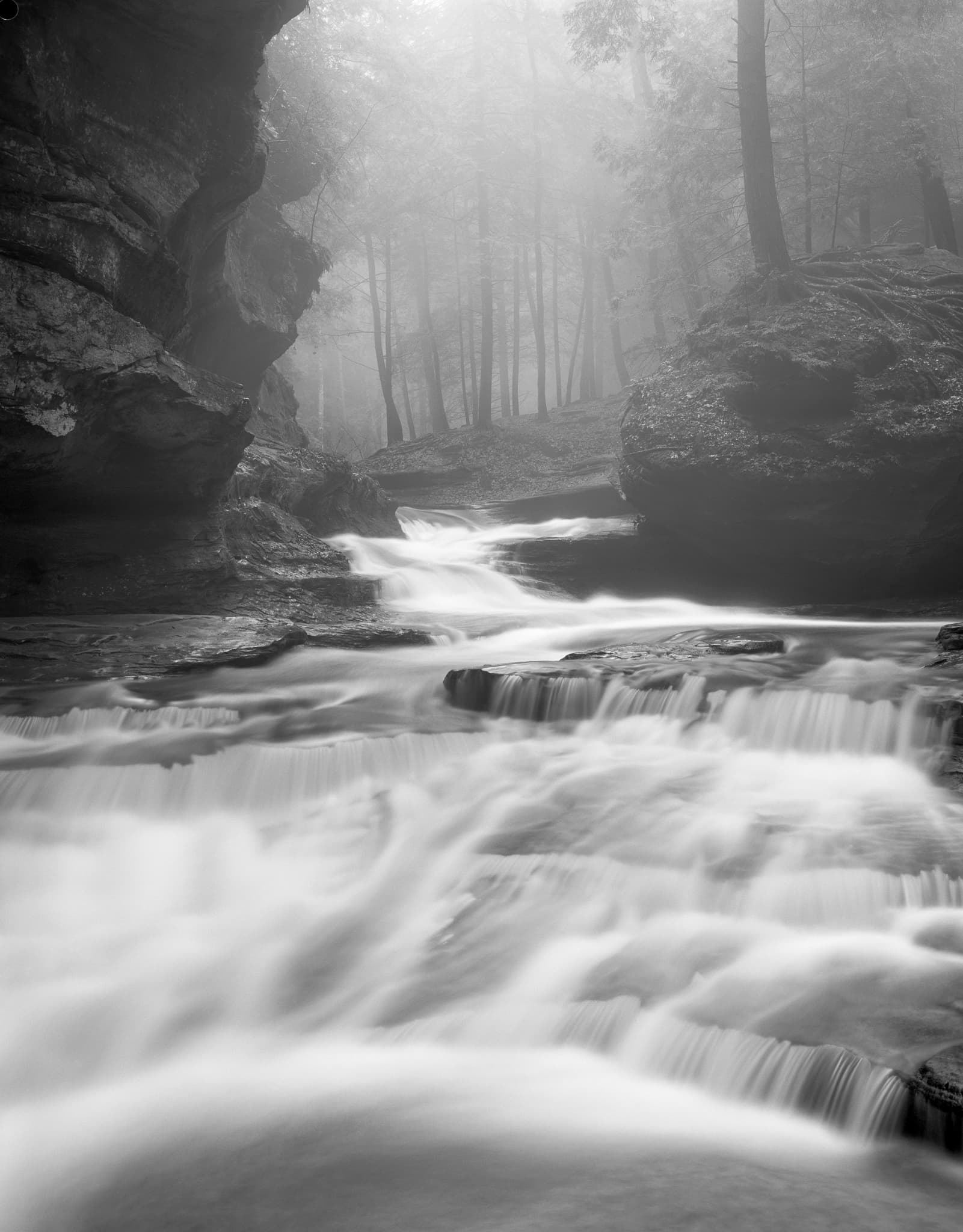
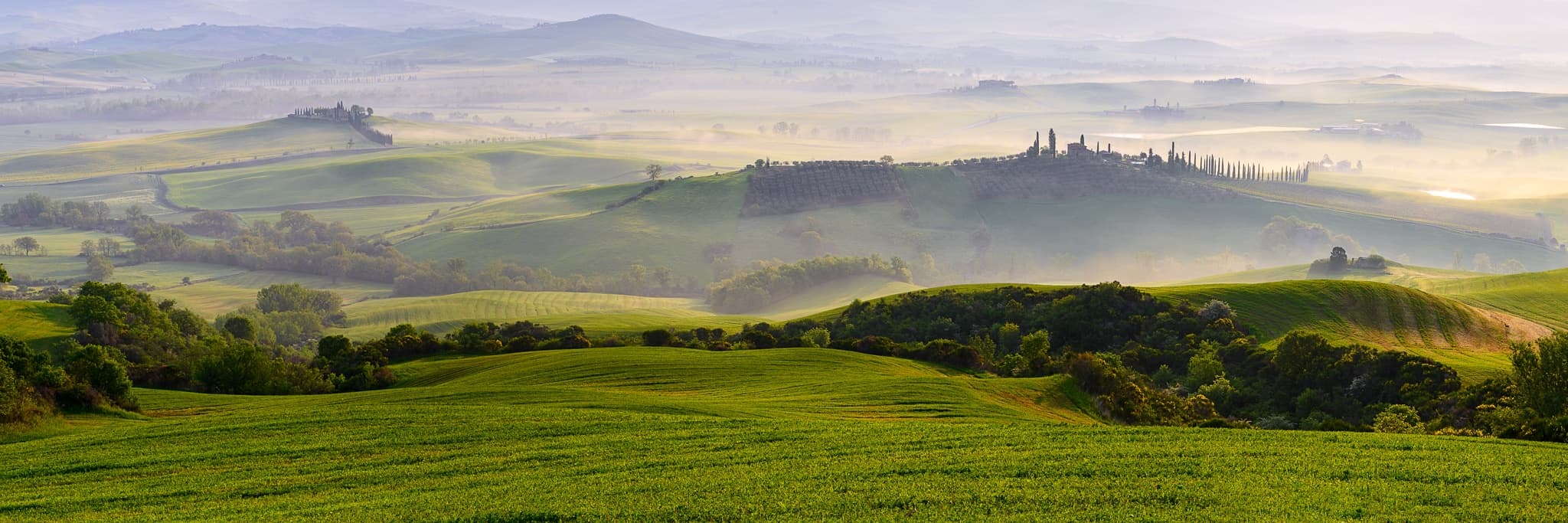
- Fog and mist—creates atmospheric depth
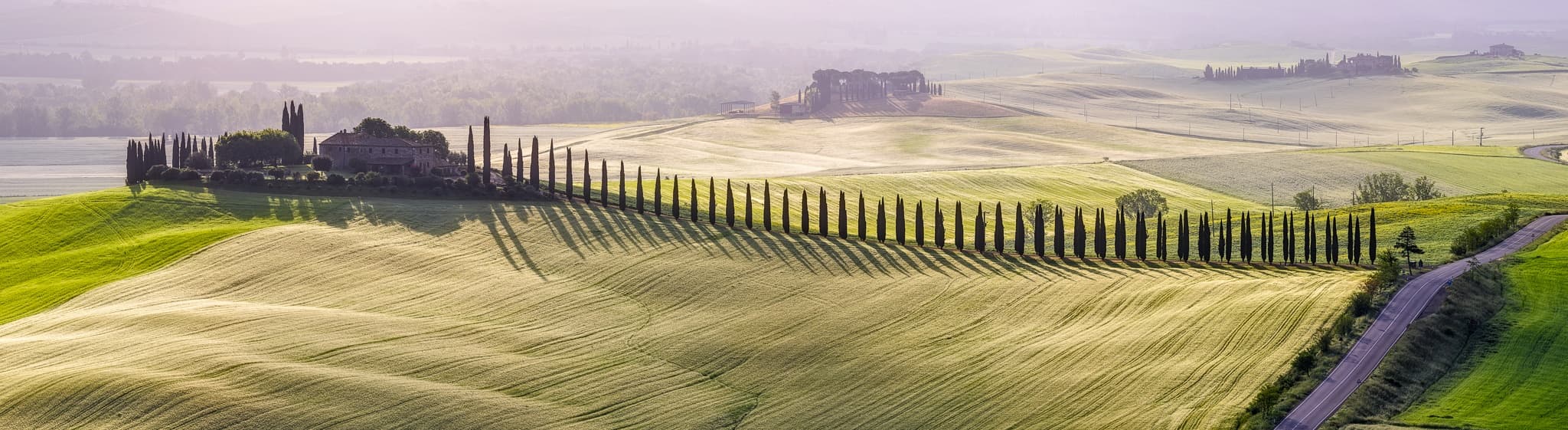
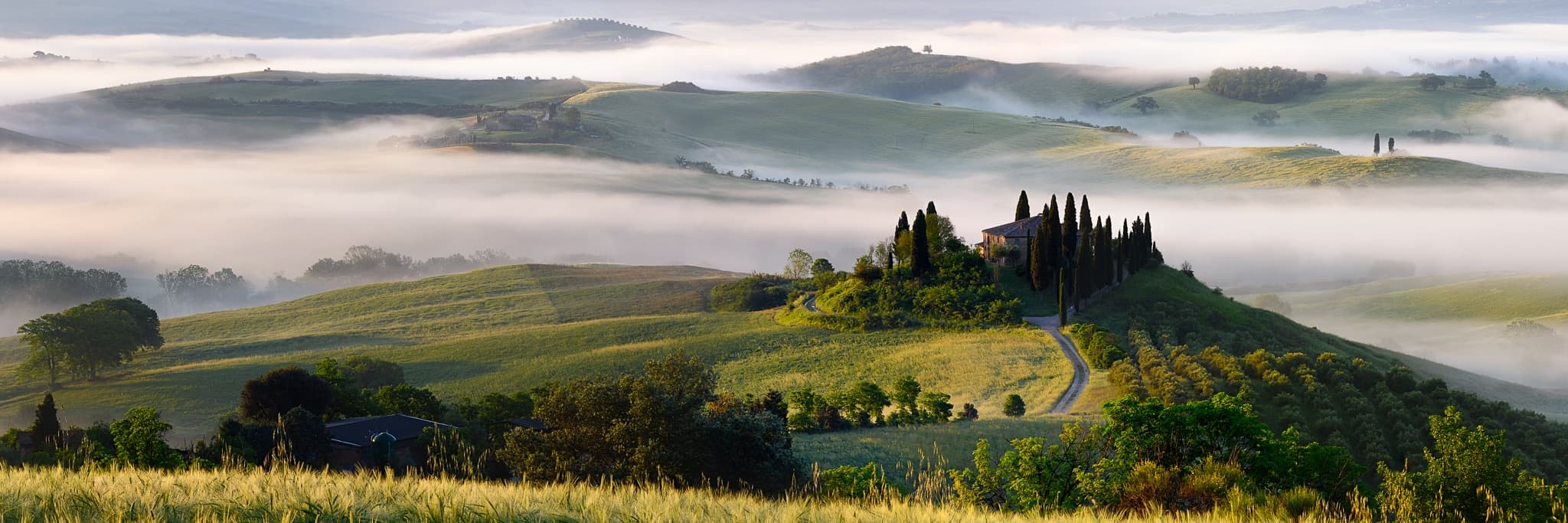
Composition ranges from isolating specimens against clean backgrounds to incorporating trees within broader landscapes.
Collecting Tree Photography
Tree photography appeals to collectors seeking timeless subjects.
Universal qualities trees represent:
- Strength and endurance
- Age and wisdom
- Resilience and survival
- Growth and aspiration
Collection themes:
- Desert specimens—Joshua trees and saguaros
- Ancient subjects—bristlecone pines
- Autumn color—aspens and maples
Display Considerations for Tree Prints
Tree photographs provide visual counterpoint to architectural geometry.
Placement ideas:
- Vertical portraits—narrow wall spaces, hallways, flanking doorways
- Landscape compositions—focal points for living rooms and offices
- Group multiple portraits—different species or seasonal variations
Display tips:
- Even, diffused lighting reveals tonal variations
- Avoid direct sunlight to prevent glare and fading
- Simple black or natural wood frames work best
- Ancient specimens become conversation pieces
Fine Art Tree Prints
Tree photographs are printed using archival techniques designed to capture the intricate bark textures, subtle color variations, and character details that make tree photography compelling. Each print preserves the distinctive qualities and environmental context that give individual trees their unique character and photographic appeal.
Limited edition prints available in sizes from 11x14 inch intimate tree portraits to large 40x50 inch landscape compositions. All prints include certificates of authenticity and are produced on museum-quality materials suitable for collectors of nature and botanical photography.