
Investment Details
Order This Print
Print Medium
• Professional archival quality prints
• Made to order — please allow 2–4 weeks for delivery (3–4 weeks for acrylic)
• Certificate of authenticity included
• Secure packaging and shipping
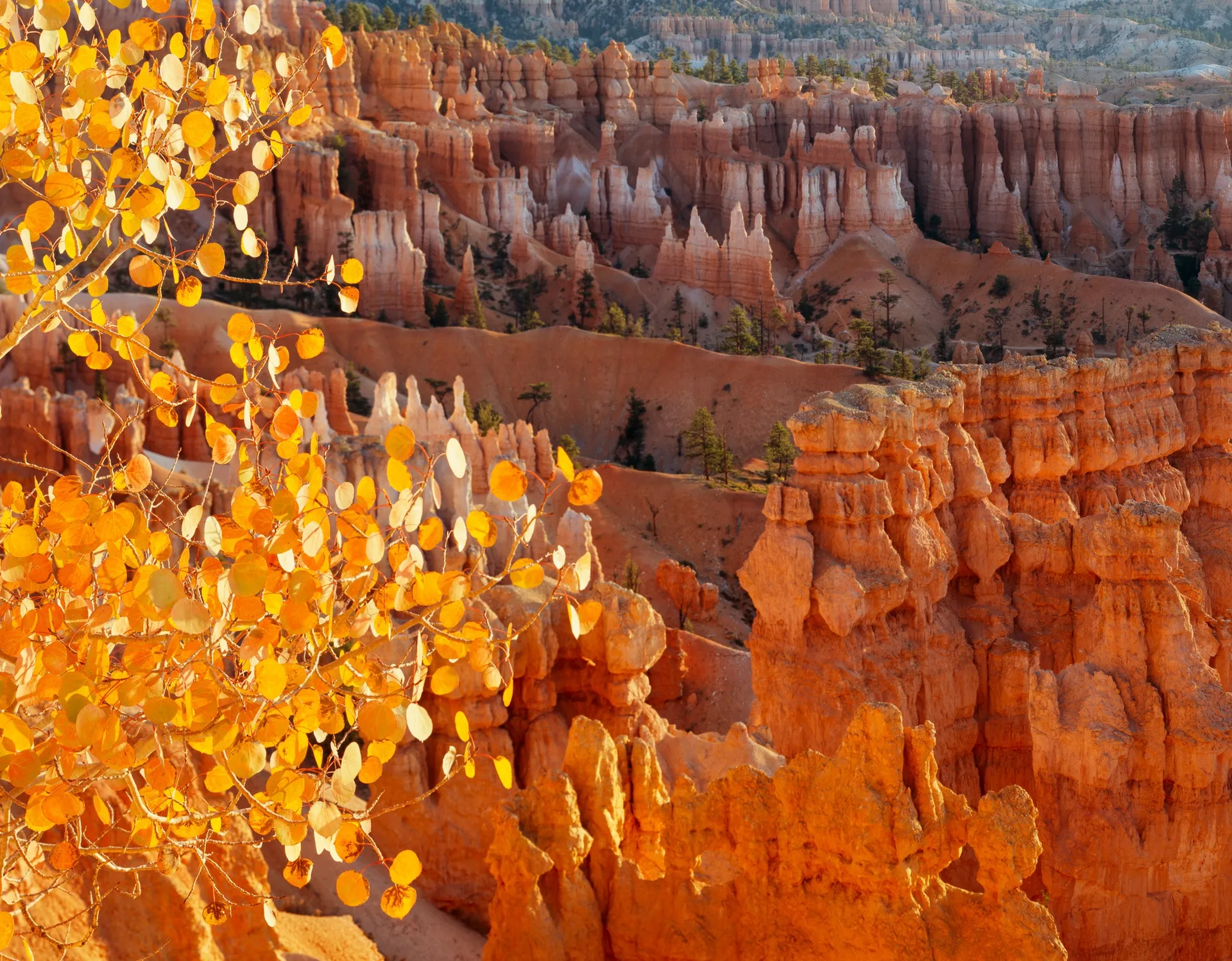
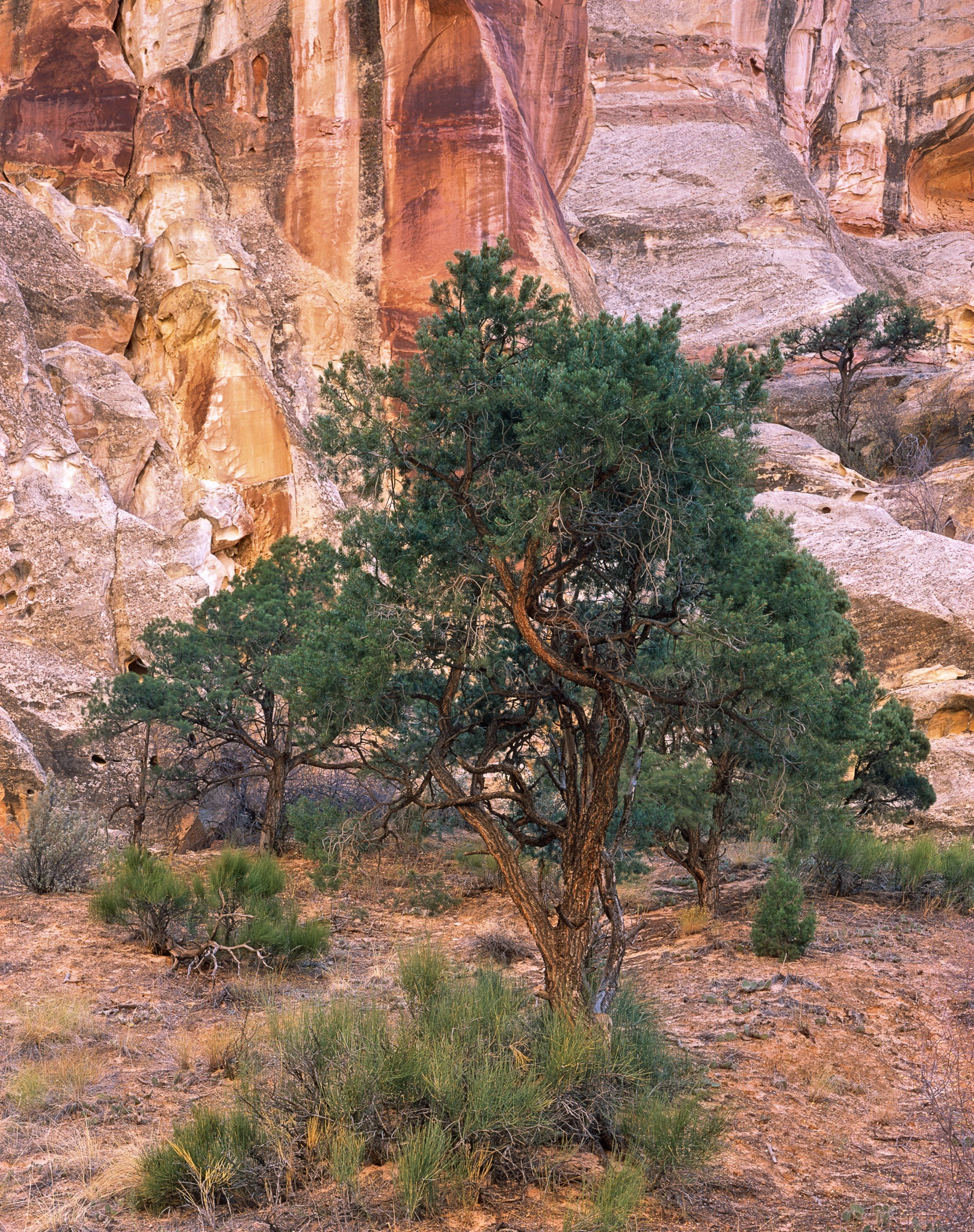
A golden aspen catches the last of the afternoon light at the rim of Bryce Canyon, its leaves nearly the same color as the hoodoos behind it. The orange amphitheater recedes into the distance while the foreground tree holds the whole frame together.
The aspen and the hoodoos are almost the same color.
In another week those leaves will be gone, and in a different light the rock would read as orange against a blue sky rather than gold against gold. But for a few days in October, in the right morning or afternoon light, the aspen understory along the Bryce Canyon rim turns the same warm yellow as the Claron limestone behind it and the canyon becomes monochromatic in a way that shouldn't work but does.
Bryce isn't technically a canyon. It's a series of natural amphitheaters carved by frost, not water, the plateau surface eroding from the edges inward over millions of years. The hoodoos are what's left when everything softer washes away. Some of them are taller than a four-story building. From the rim they look like a city.
The aspen in the foreground is doing structural work. Without it the image is a landscape. With it there's a near and a far, a living thing against a geological one, movement implied against absolute stillness.
Shot on 4x5 large format film in late October, when the window for both the fall color and the warm directional light is open for maybe two weeks.
Bryce Fall
Print Medium
• Professional archival quality prints
• Made to order — please allow 2–4 weeks for delivery (3–4 weeks for acrylic)
• Certificate of authenticity included
• Secure packaging and shipping
Need a custom size or have questions?
Contact for Custom OrdersA golden aspen catches the last of the afternoon light at the rim of Bryce Canyon, its leaves nearly the same color as the hoodoos behind it. The orange amphitheater recedes into the distance while the foreground tree holds the whole frame together.
See This Print In Your Space
Visualize how this fine art print would look in your home or office. Our team can place this print in your actual room so you can see exactly how it fits before you commit.
• Professional room visualization service
• Multiple size and framing options shown
• Accurate scale and lighting representation
• Complimentary for serious collectors
The aspen and the hoodoos are almost the same color.
In another week those leaves will be gone, and in a different light the rock would read as orange against a blue sky rather than gold against gold. But for a few days in October, in the right morning or afternoon light, the aspen understory along the Bryce Canyon rim turns the same warm yellow as the Claron limestone behind it and the canyon becomes monochromatic in a way that shouldn't work but does.
Bryce isn't technically a canyon. It's a series of natural amphitheaters carved by frost, not water, the plateau surface eroding from the edges inward over millions of years. The hoodoos are what's left when everything softer washes away. Some of them are taller than a four-story building. From the rim they look like a city.
The aspen in the foreground is doing structural work. Without it the image is a landscape. With it there's a near and a far, a living thing against a geological one, movement implied against absolute stillness.
Shot on 4x5 large format film in late October, when the window for both the fall color and the warm directional light is open for maybe two weeks.
Investment Details
Investment-Grade Quality
- • Museum-quality archival materials (100+ year permanence)
- • Certificate of authenticity included
- • White-glove delivery available
Collector Consultation
Corporate projects, custom dimensions, or investment inquiries.
Contact for consultation →You Might Also Like
Explore more prints from the same region and style.
Life's Path
Utah
Yucca and Pine Trees
Utah
Zion Canyon Glow
Utah
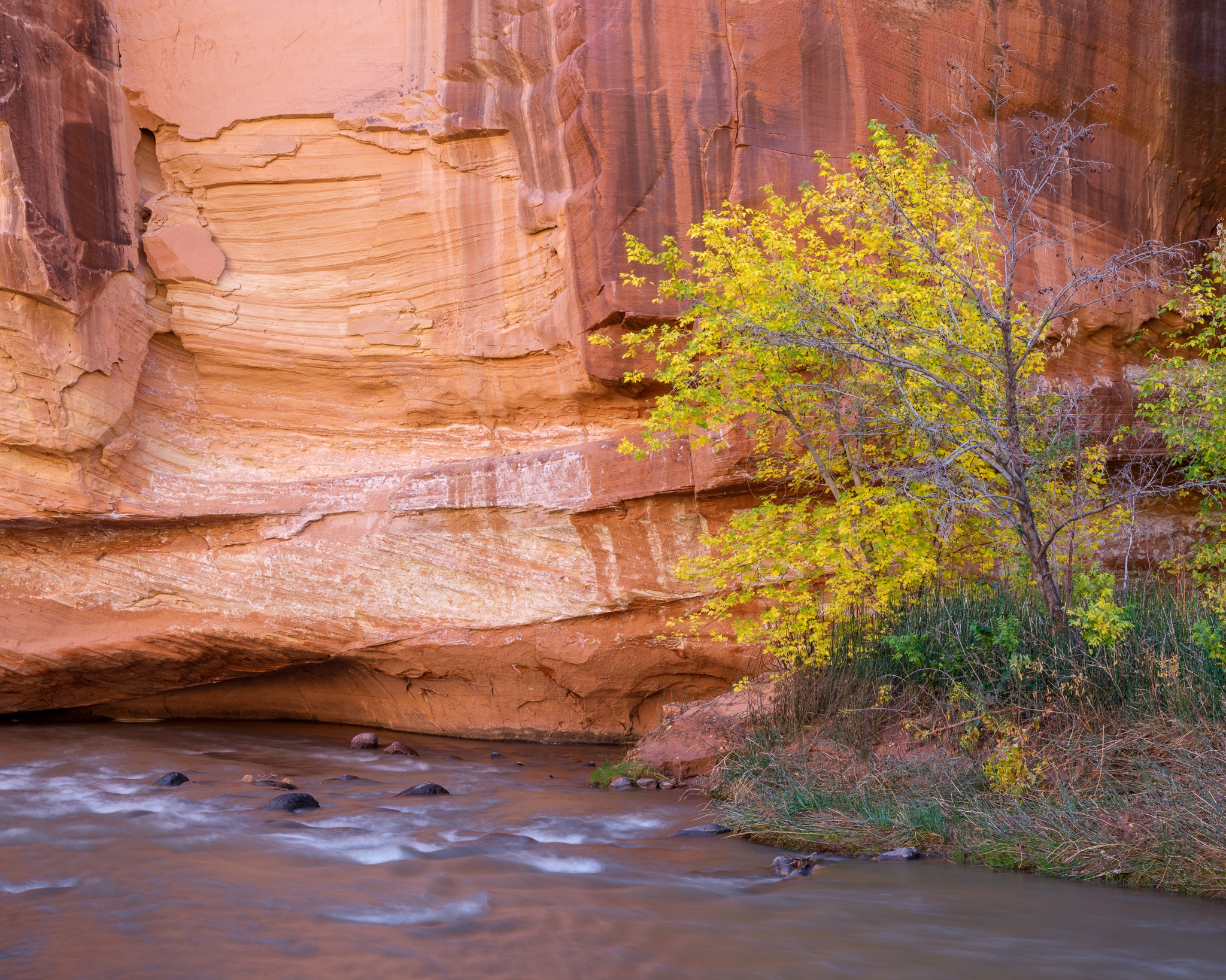
Canyon's Gentle Glow
Utah
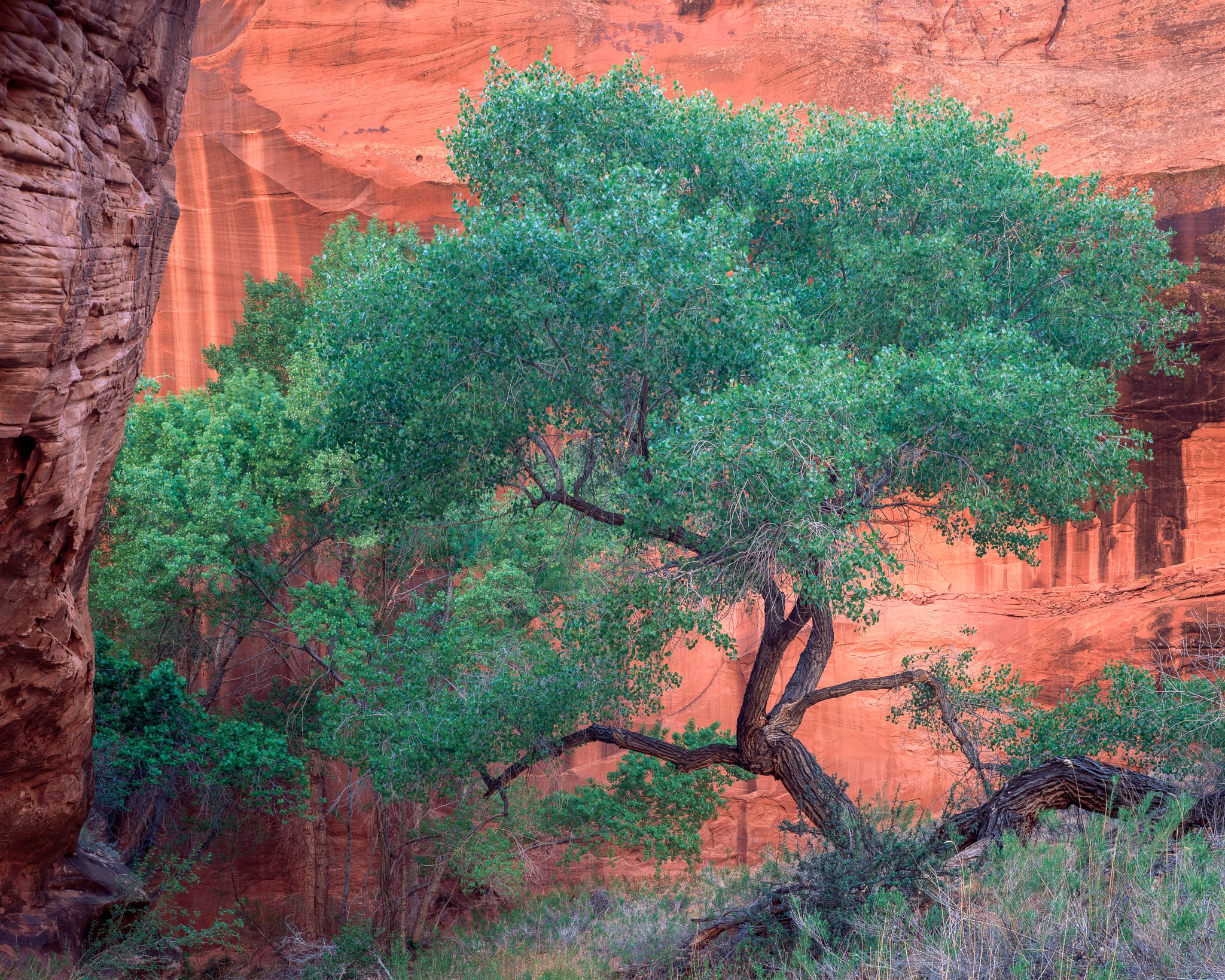
Crooked Cottonwood
Utah
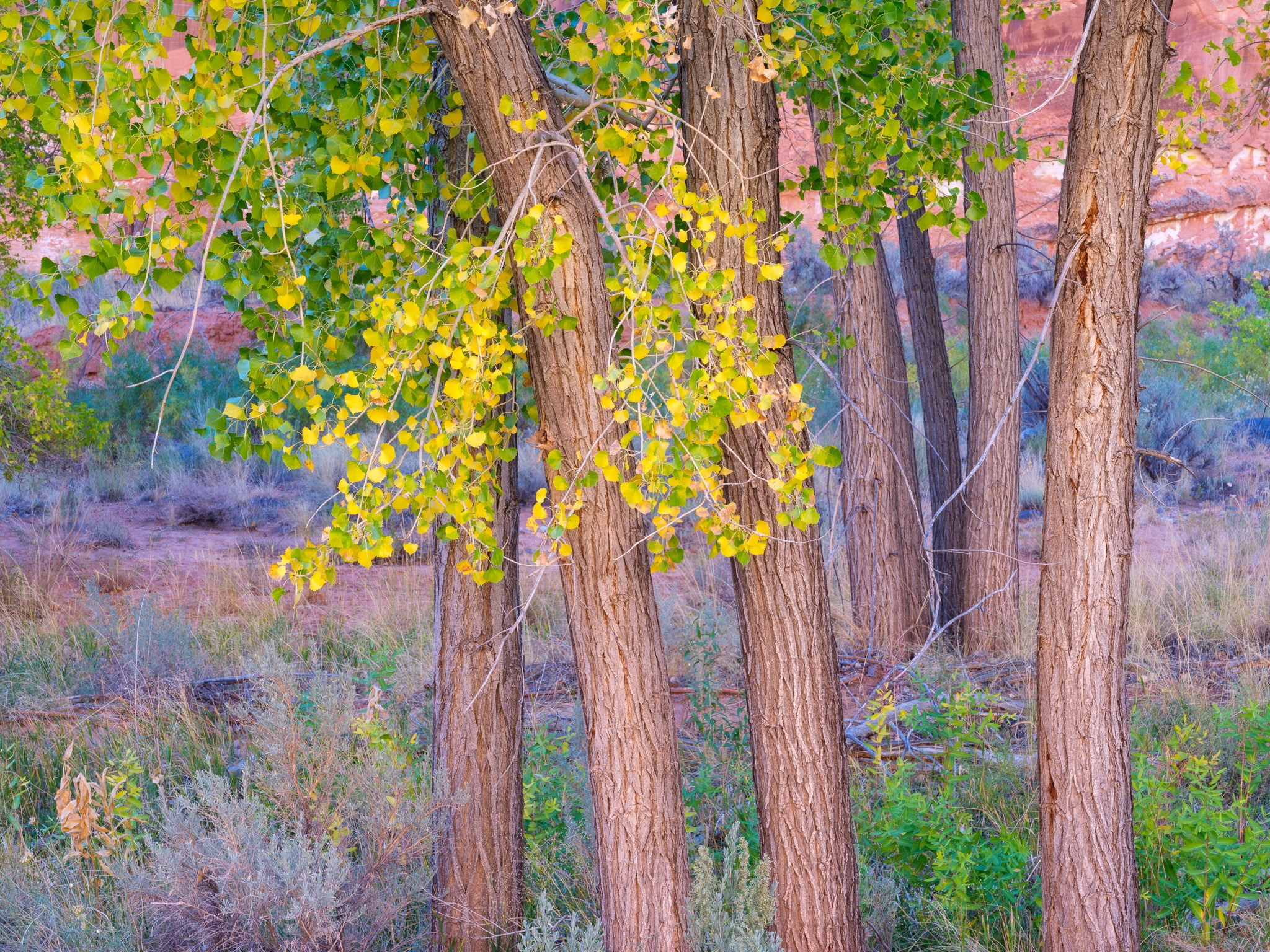
Golden Cottonwood Reflections
Utah
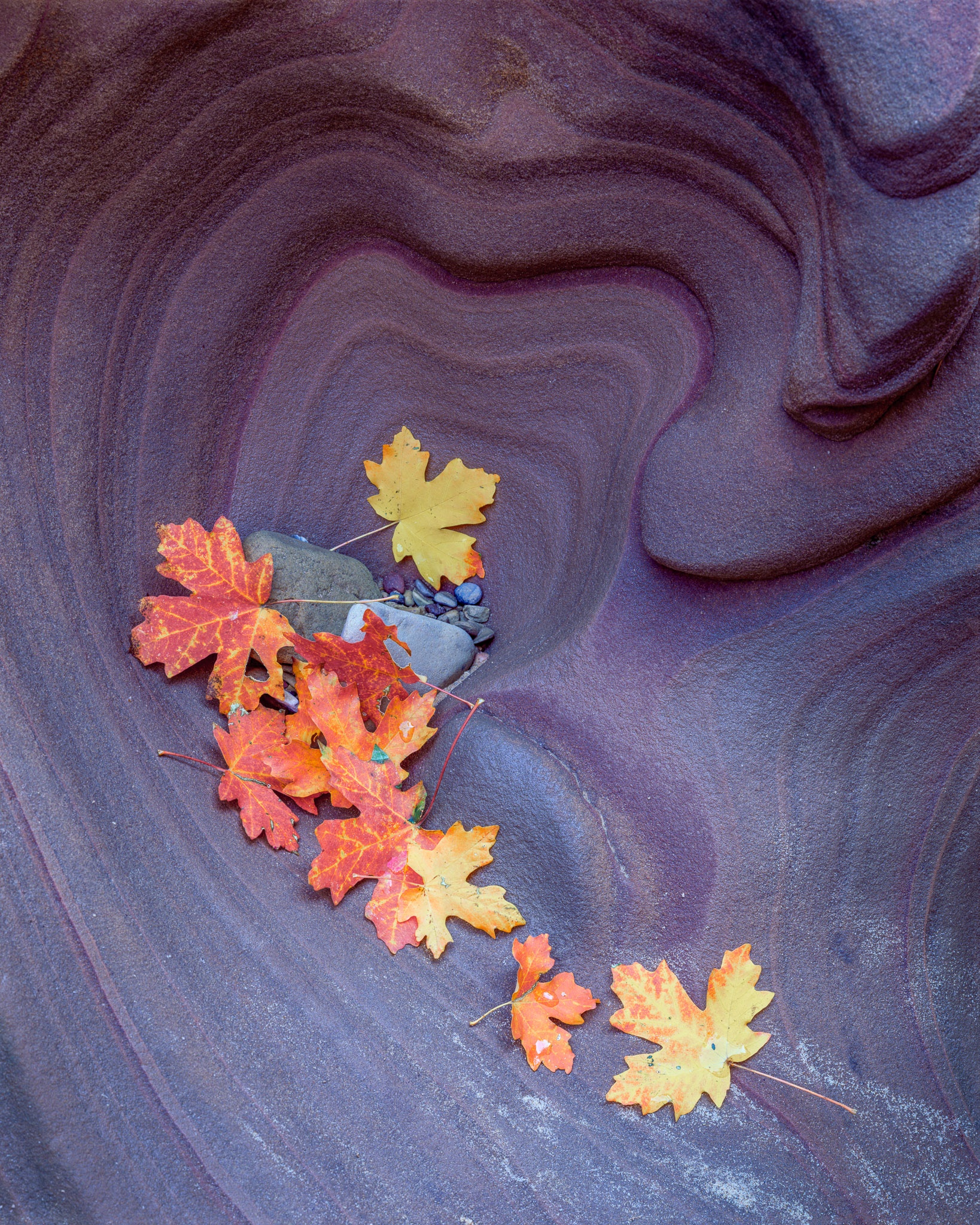
Heart of Maples
Utah
Pinyon Pine Glow
Utah
About “Bryce Fall”
The Image
"Bryce Fall" captures a compelling scene from Bryce Canyon. The aspen and the hoodoos are almost the same color.
In another week those leaves will be gone, and in a different light the rock would read as orange against a blue sky rather than gold against gold. But for a few days in October, in the right morning or afternoon light, the aspen understory along the Bryce Canyon rim turns the same warm yellow as the Claron limestone behind it and the canyon becomes monochromatic in a way that shouldn't work but does.
Bryce isn't technically a canyon. It's a series of natural amphitheaters carved by frost, not water, the plateau surface eroding from the edges inward over millions of years. The hoodoos are what's left when everything softer washes away. Some of them are taller than a four-story building. From the rim they look like a city.
The aspen in the foreground is doing structural work. Without it the image is a landscape. With it there's a near and a far, a living thing against a geological one, movement implied against absolute stillness.
Shot on 4x5 large format film in late October, when the window for both the fall color and the warm directional light is open for maybe two weeks.
Technical Approach
This photograph was captured using a 4x5 Large Format camera loaded with Fujichrome Provia 100F. Shot during sunrise, the quality of light at this hour defined the mood and tonal range of the final image. Autumn color transformed the landscape, adding warmth and visual richness to the natural scene. Provia's neutral color balance faithfully renders the natural tones of the landscape without artificial enhancement. The large film area records extraordinary detail, producing prints that remain sharp at virtually any size. Camera movements allow precise control over perspective and depth of field impossible with smaller formats.
Location & Subject
Utah's landscape represents millions of years of geological artistry. The state contains more national parks than almost any other, each showcasing distinct formations—from Zion's towering sandstone cliffs to Bryce Canyon's delicate hoodoos, from Arches' natural stone bridges to Capitol Reef's colorful waterpocket fold. The interplay of light on red rock creates conditions that reward patient photographers with extraordinary images. Canyon environments create extraordinary lighting conditions prized by photographers. Reflected light bouncing between sandstone walls produces warm, diffused illumination impossible to replicate with artificial sources. Slot canyons in particular concentrate this effect, transforming harsh midday sun into soft, glowing color that shifts as the sun moves overhead.
Collector Information
"Bryce Fall" is offered as a limited edition fine art print, individually produced using museum-quality archival materials. each print includes a signed certificate of authenticity documenting its place in the edition. Available print options include traditional photographic paper for matting and framing, ChromaLuxe metal for contemporary presentation, and Lumachrome TruLife acrylic for maximum visual impact and longevity.
Need a Custom Size or Have Questions?
Corporate projects, custom dimensions, or investment inquiries — happy to discuss your specific needs.