
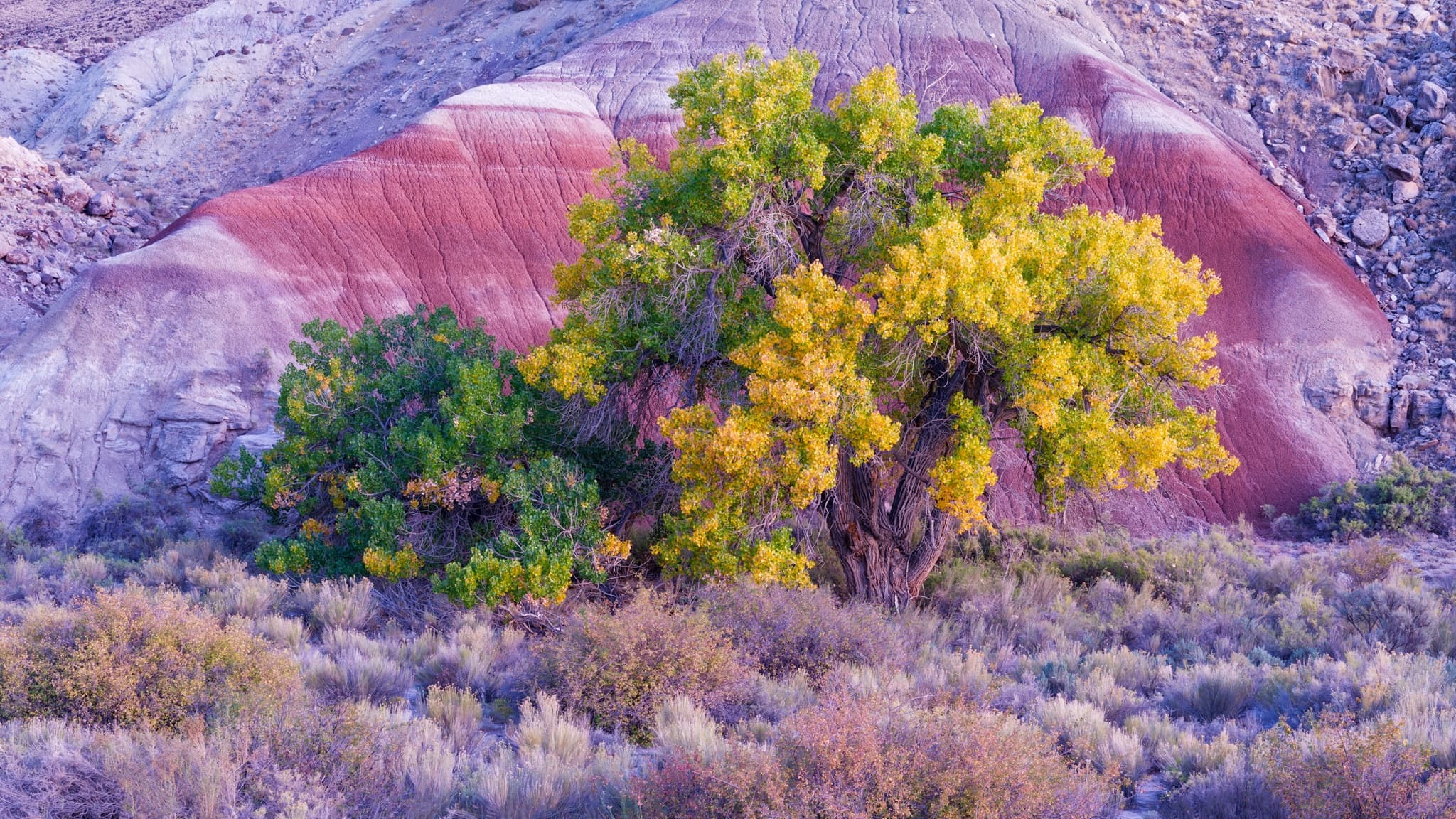
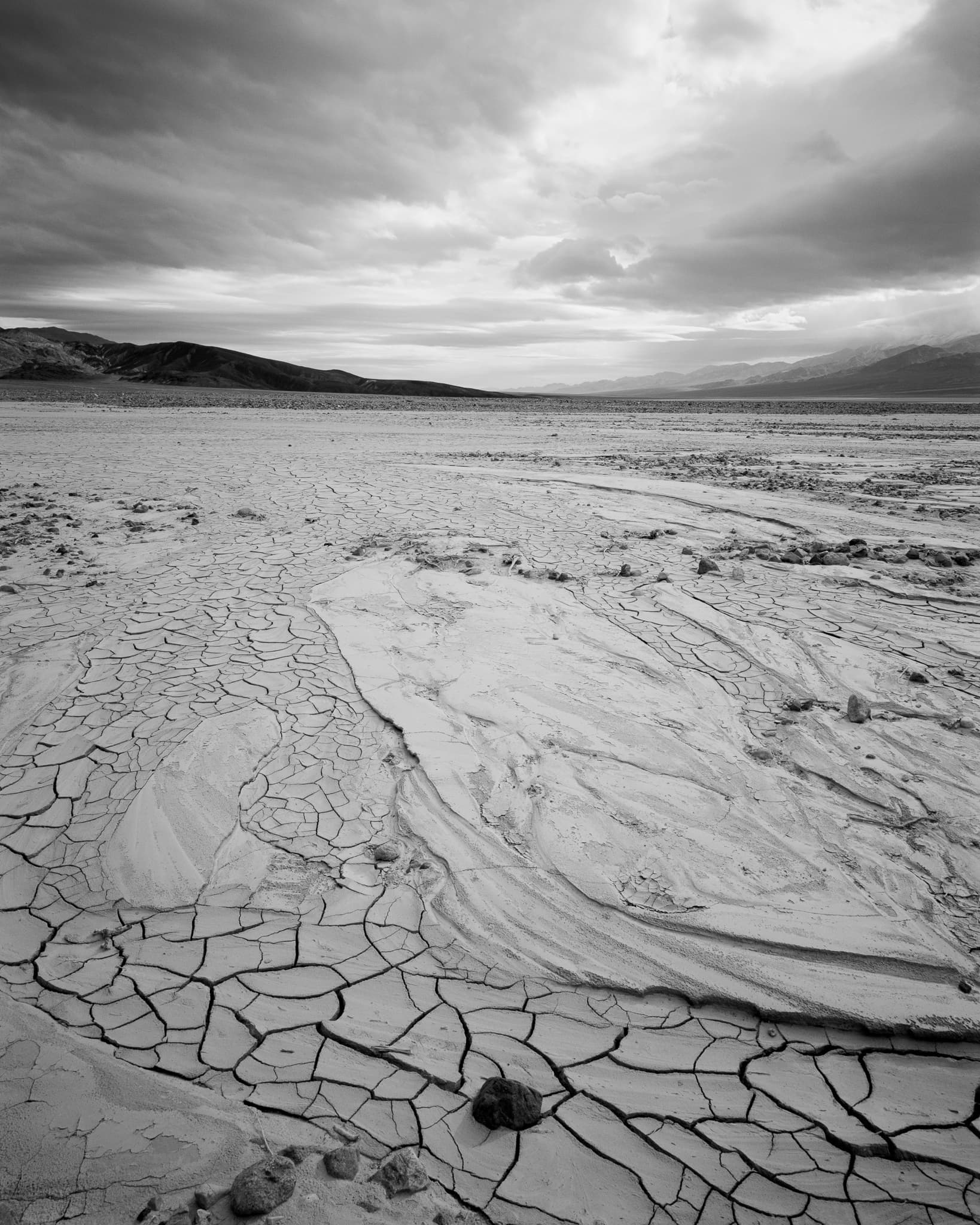
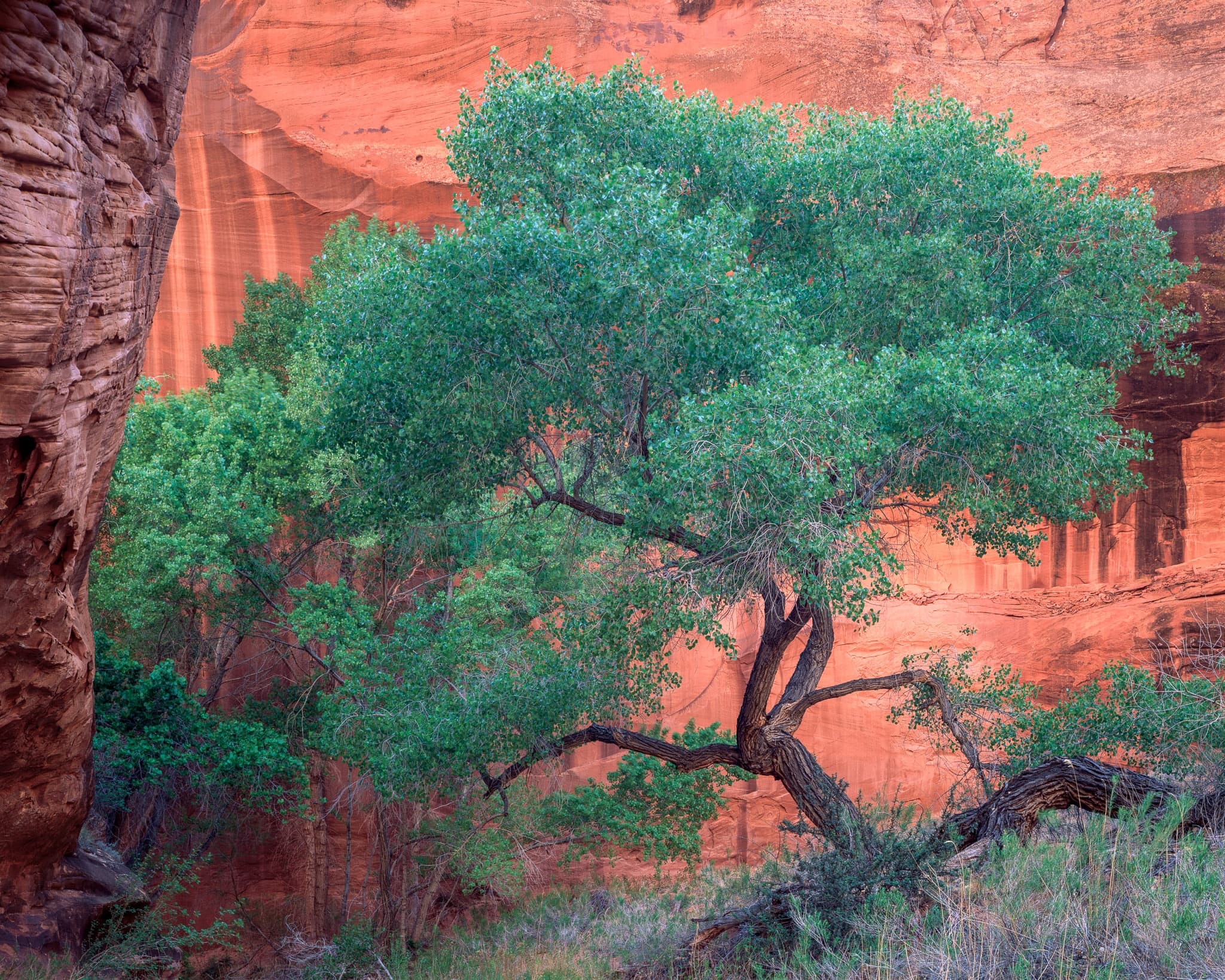
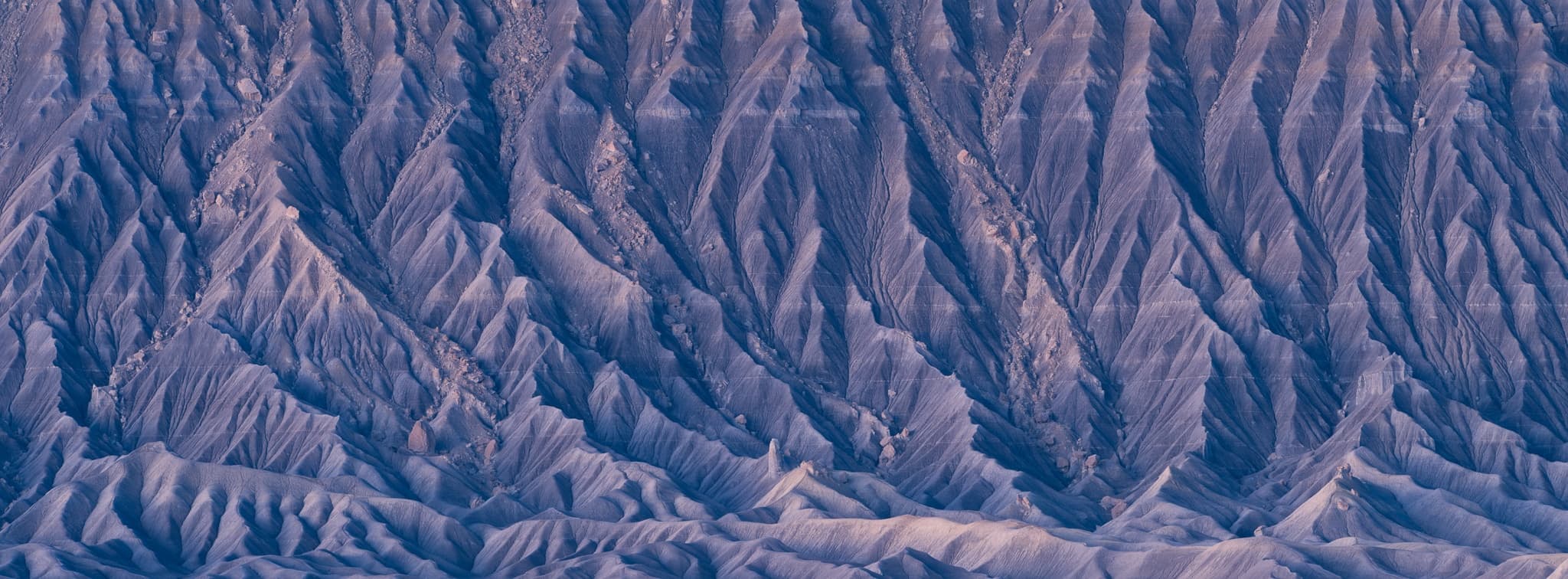
Desert Light Landscape Photography
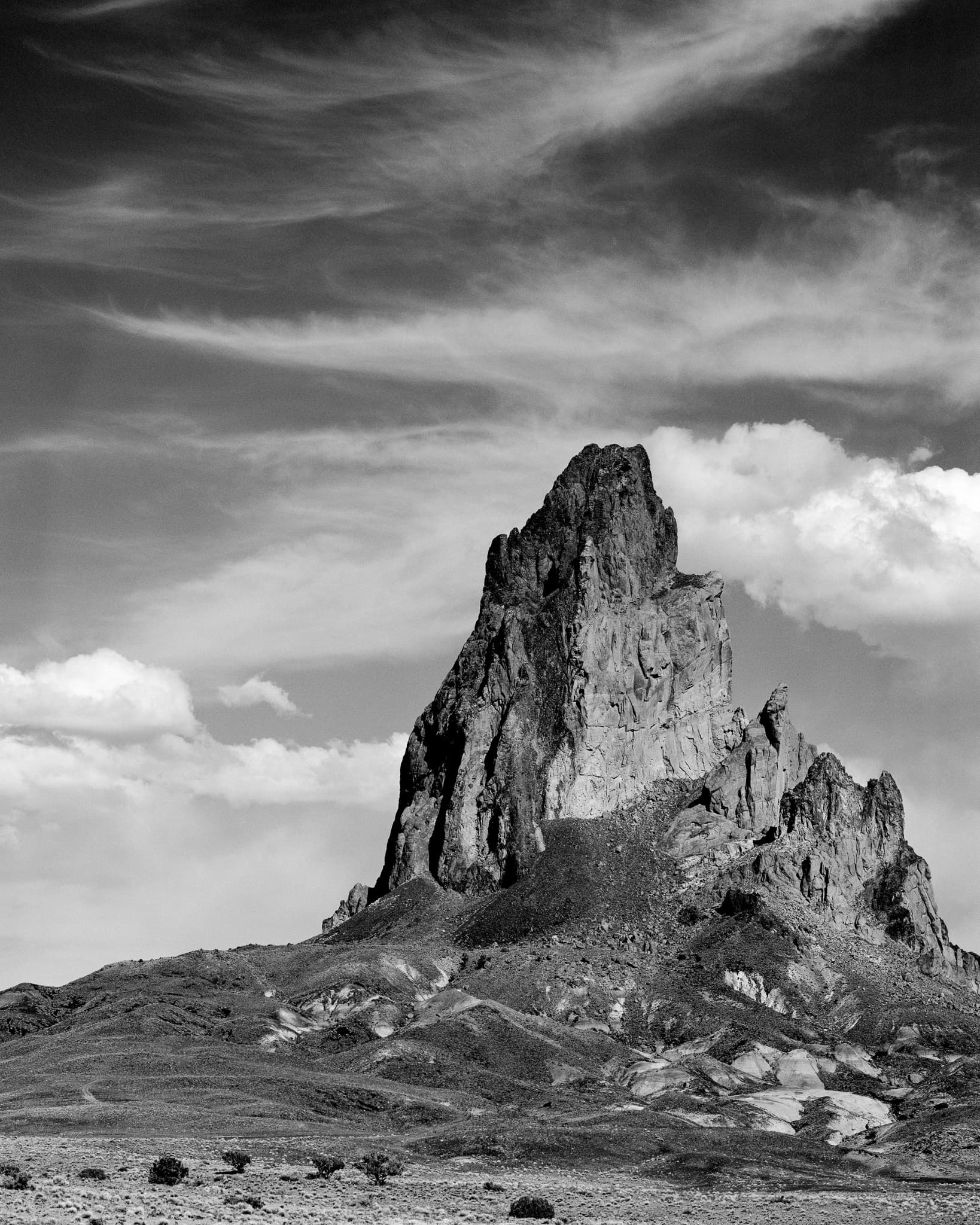
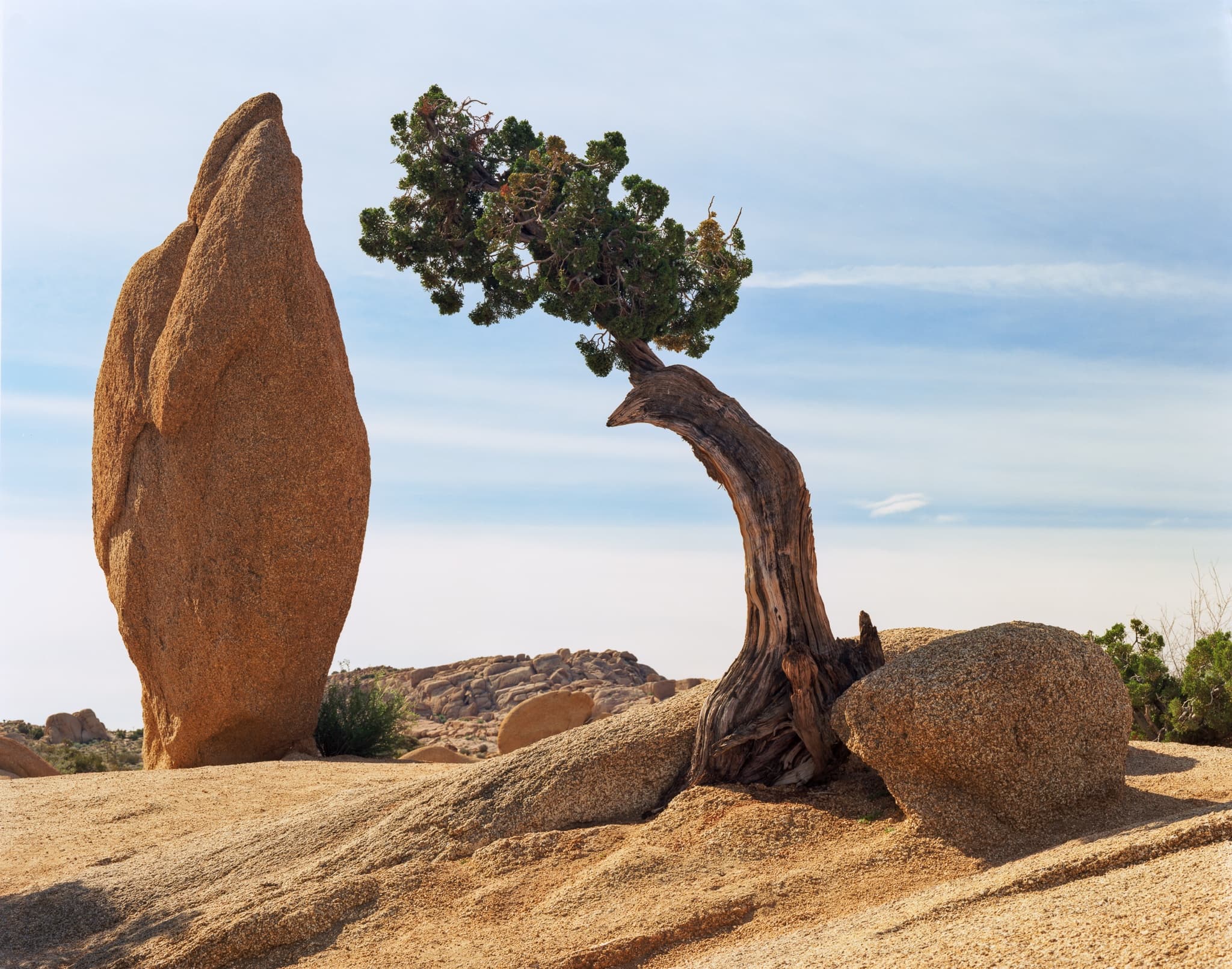
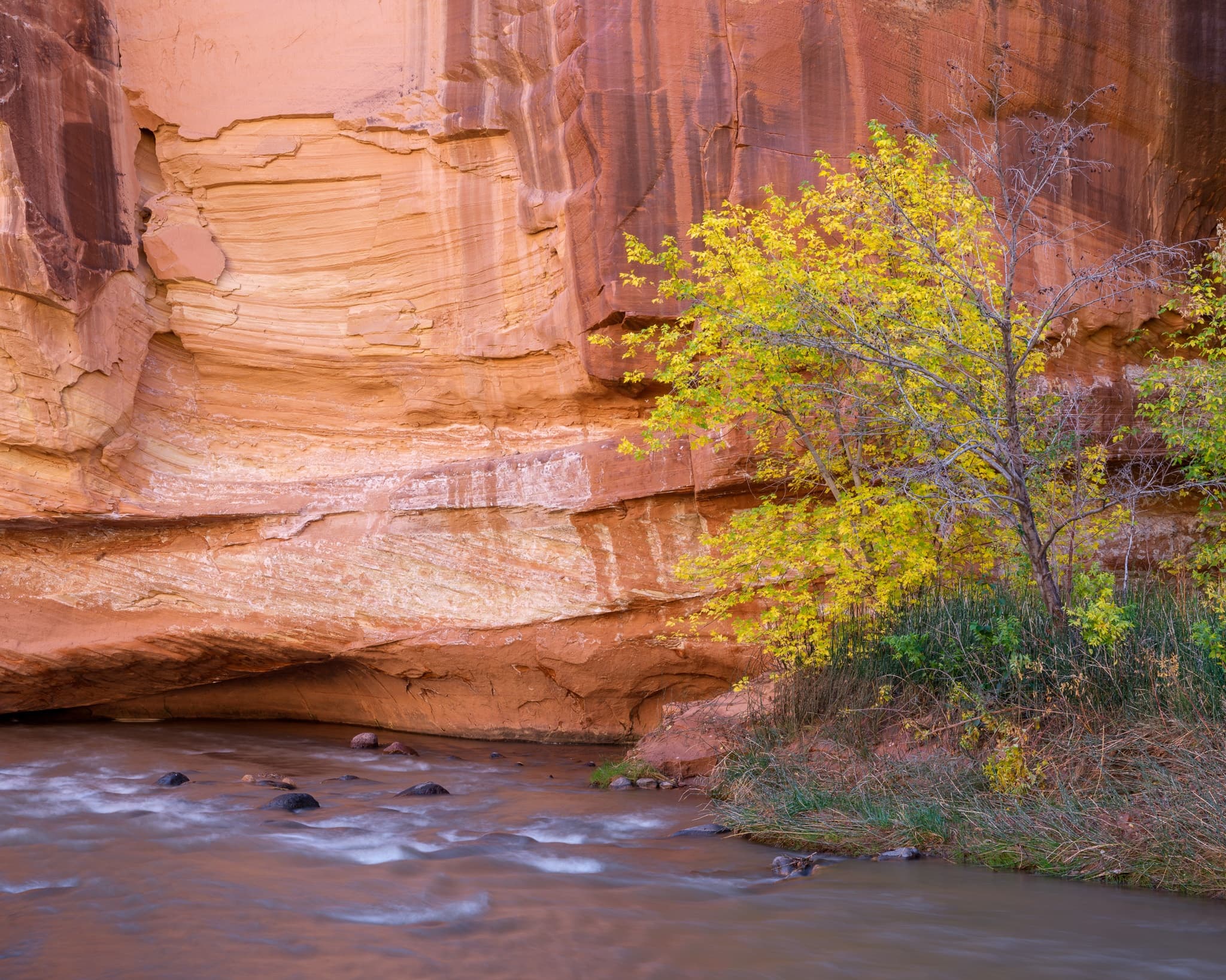
Desert light possesses unique qualities unavailable in more humid regions. The arid atmosphere's clarity creates intense colors and sharp shadows.
What makes desert light special:
- Sunlight travels unfiltered through minimal moisture
- Low humidity reduces atmospheric haze
- Distant features appear crisp even at great distances
- Dramatic topography enhances light effects
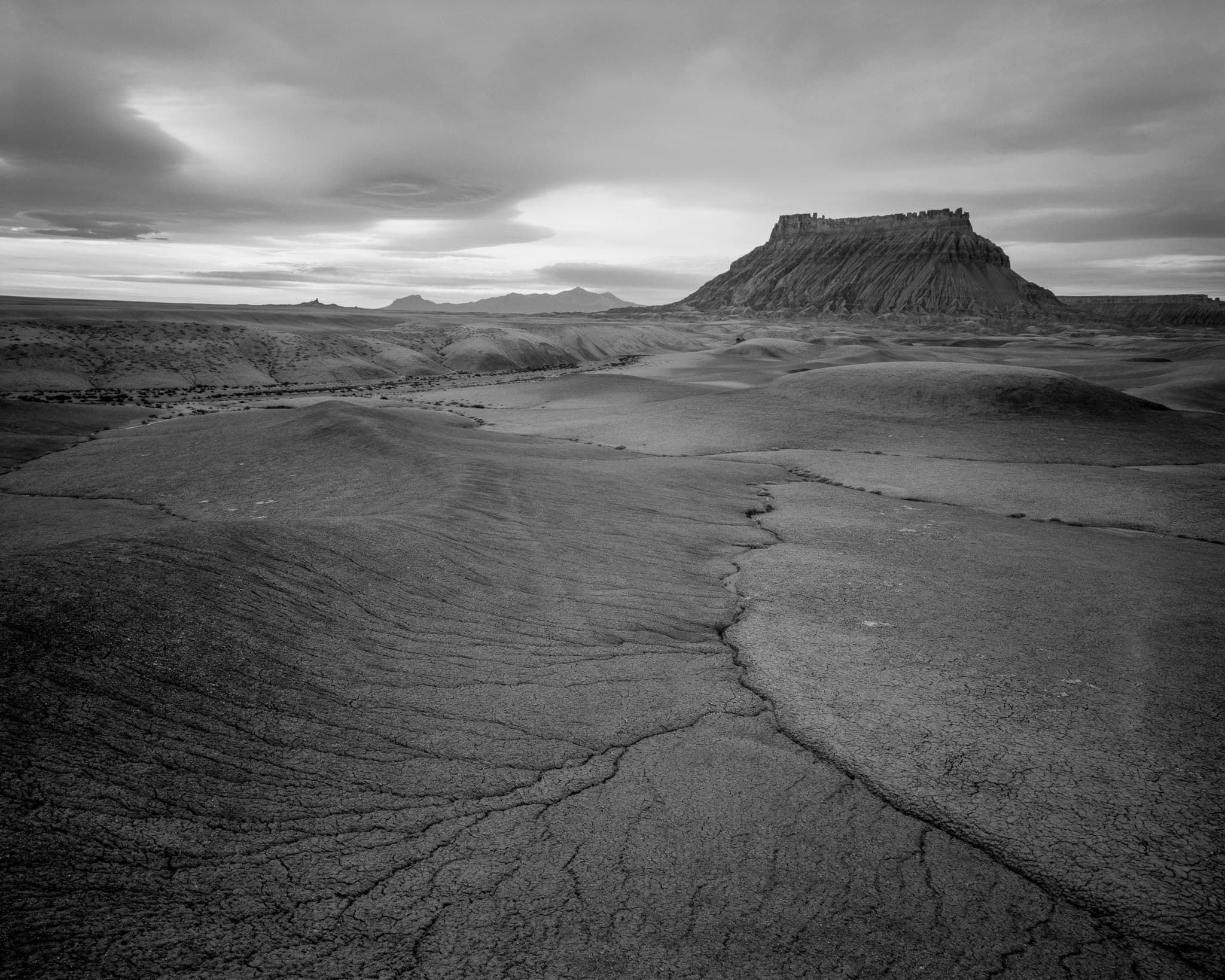
Large format film's superior dynamic range handles extreme brightness values common in desert scenes. The contemplative approach encourages patience for capturing optimal light that often lasts only minutes — something I explore in depth in The Role of Patience in Landscape Photography.
Golden Hour in the Desert
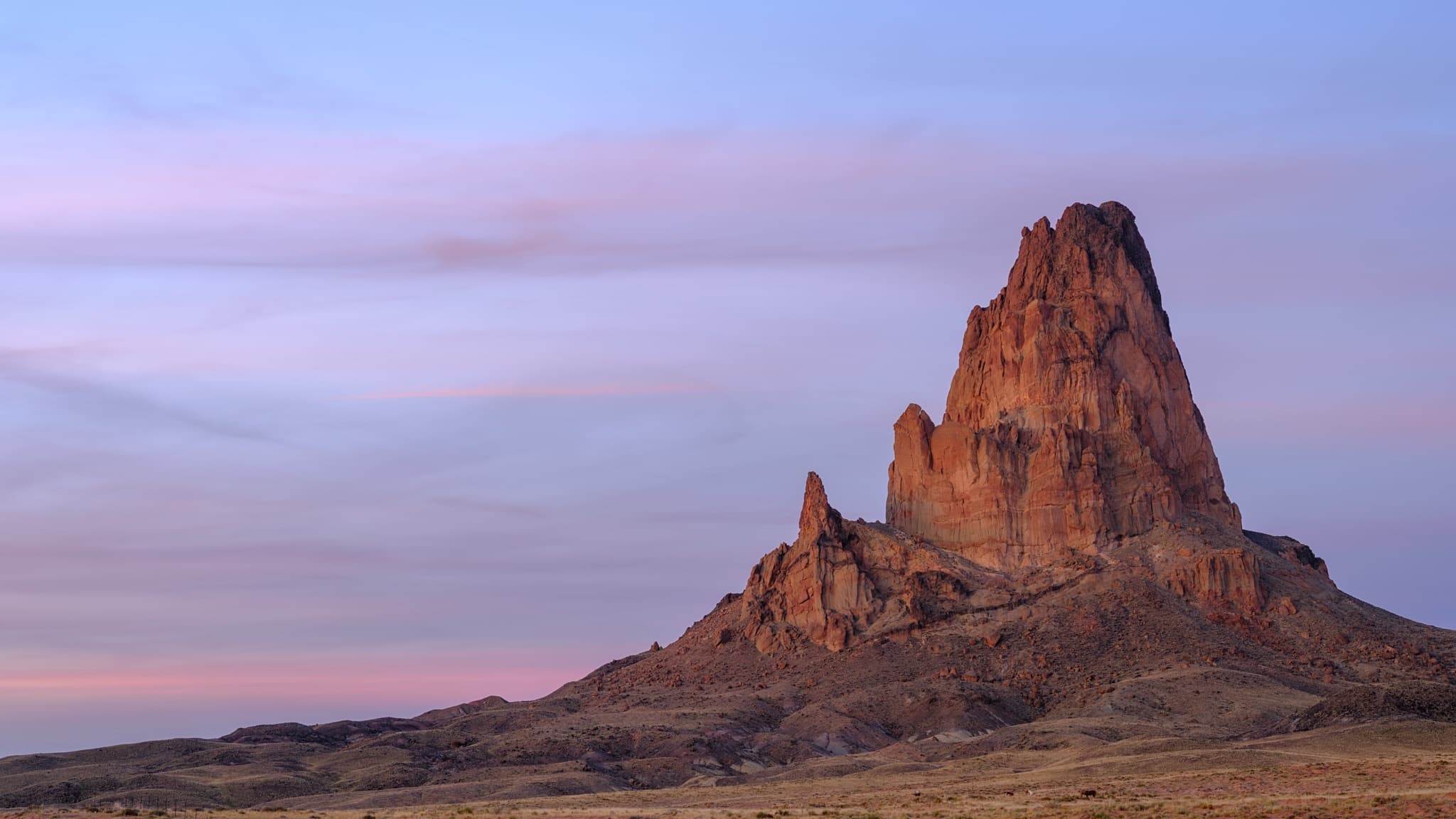
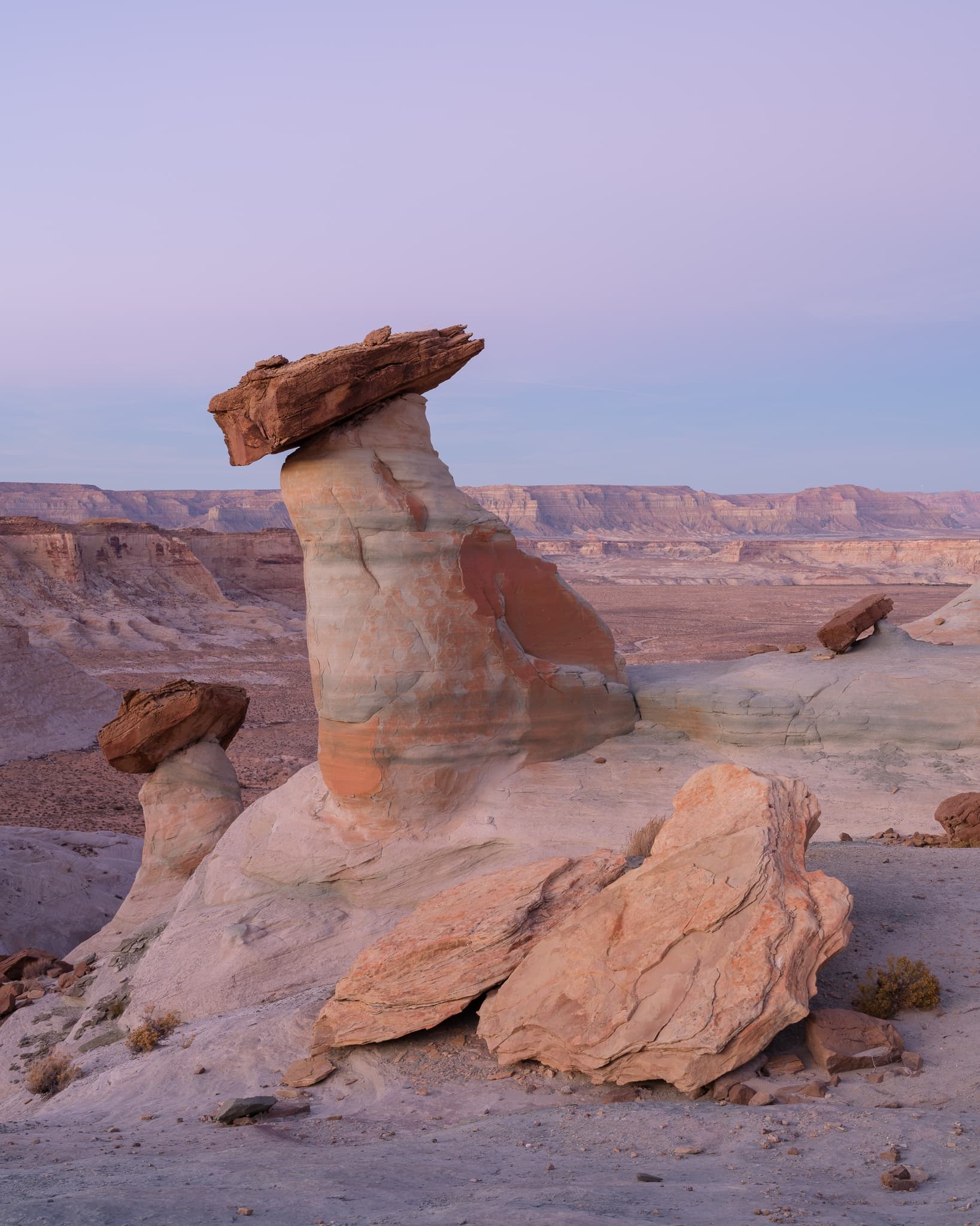
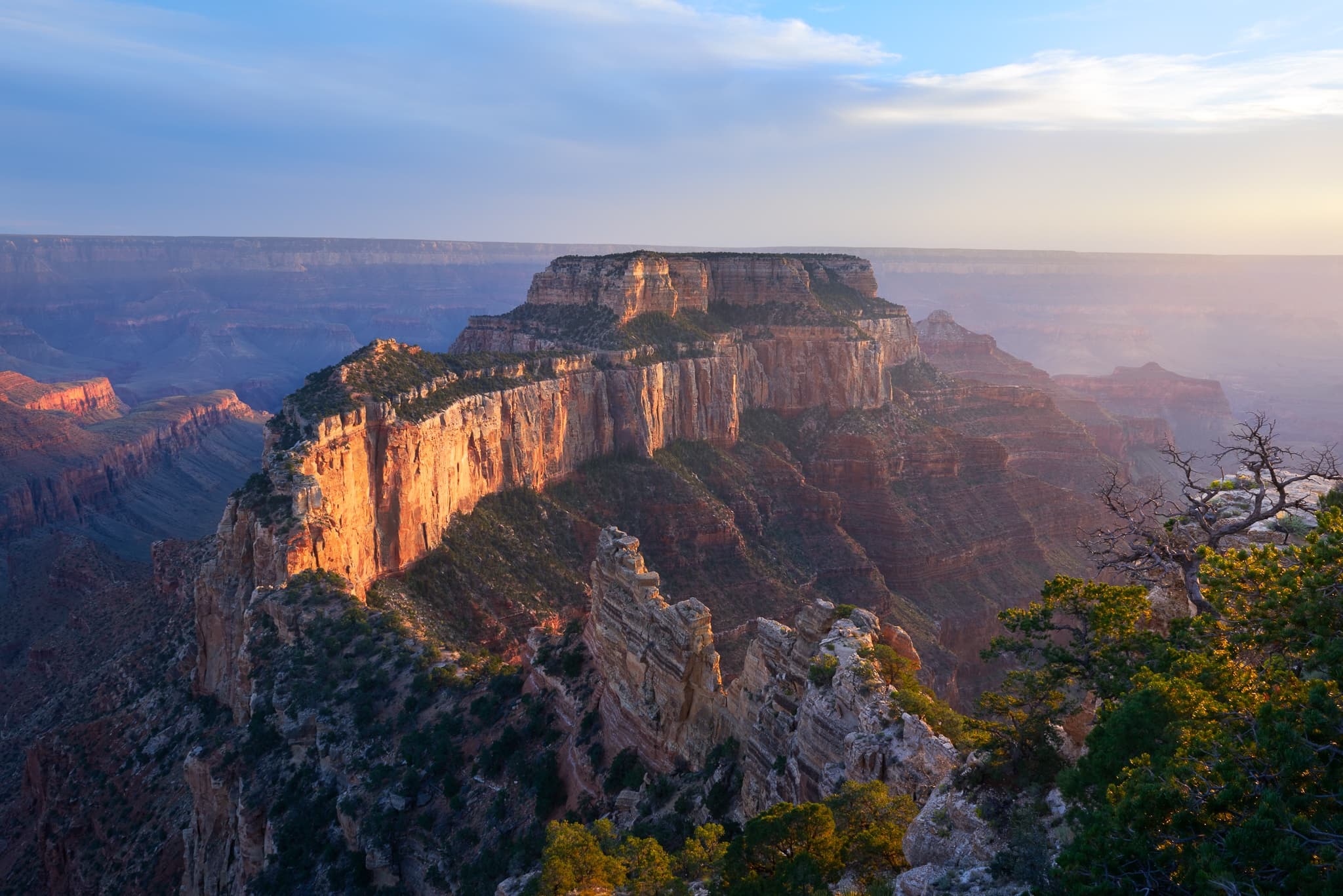
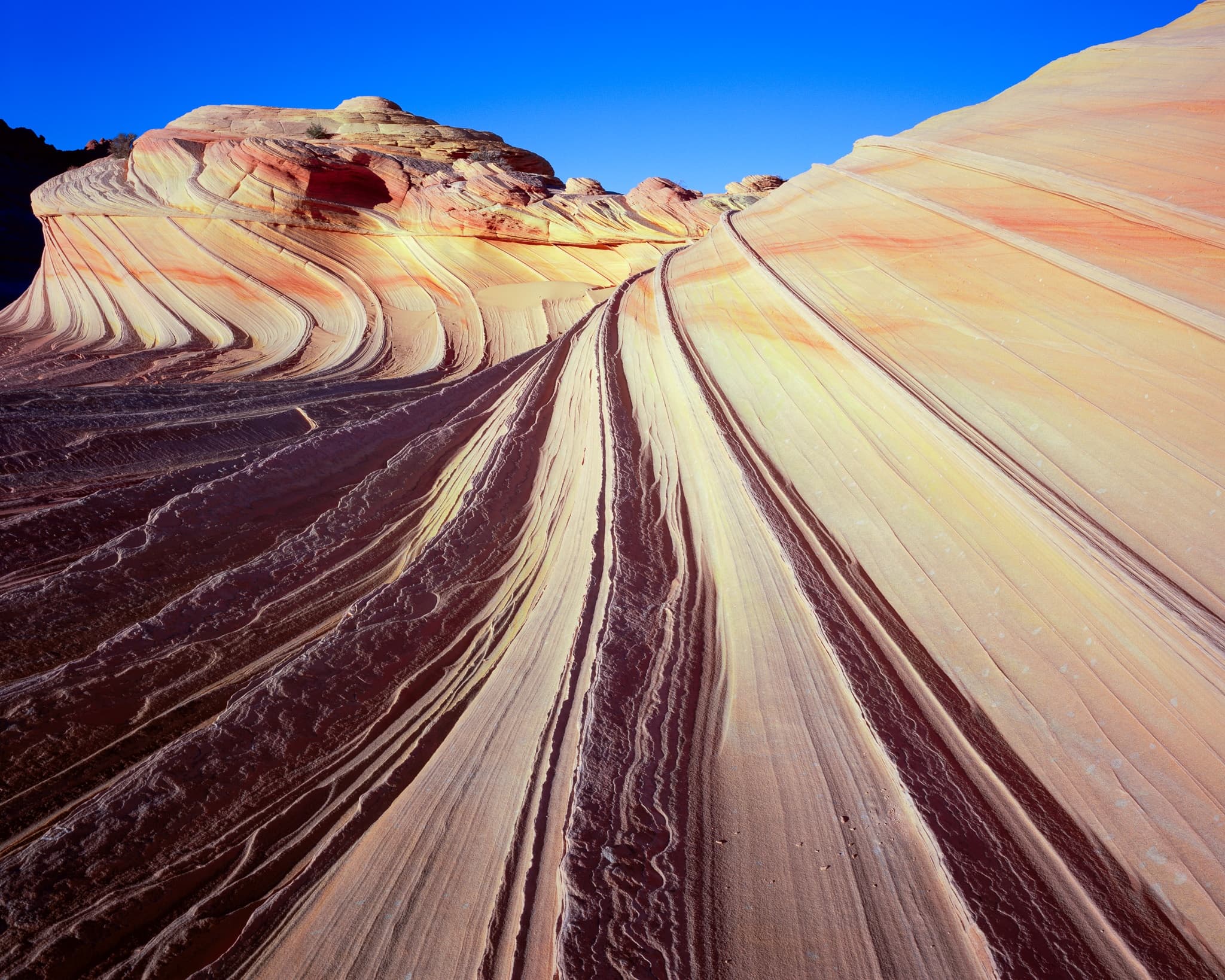
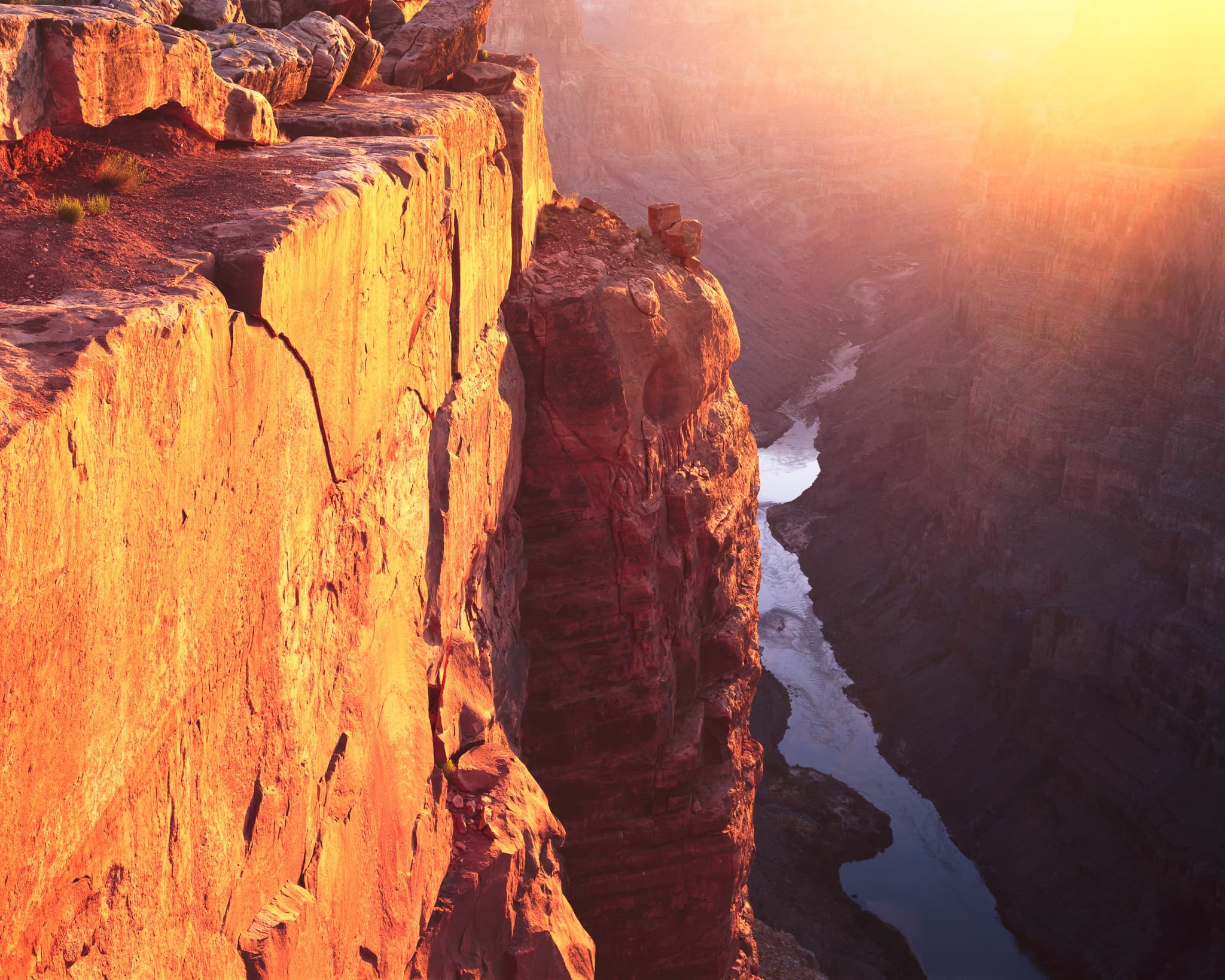
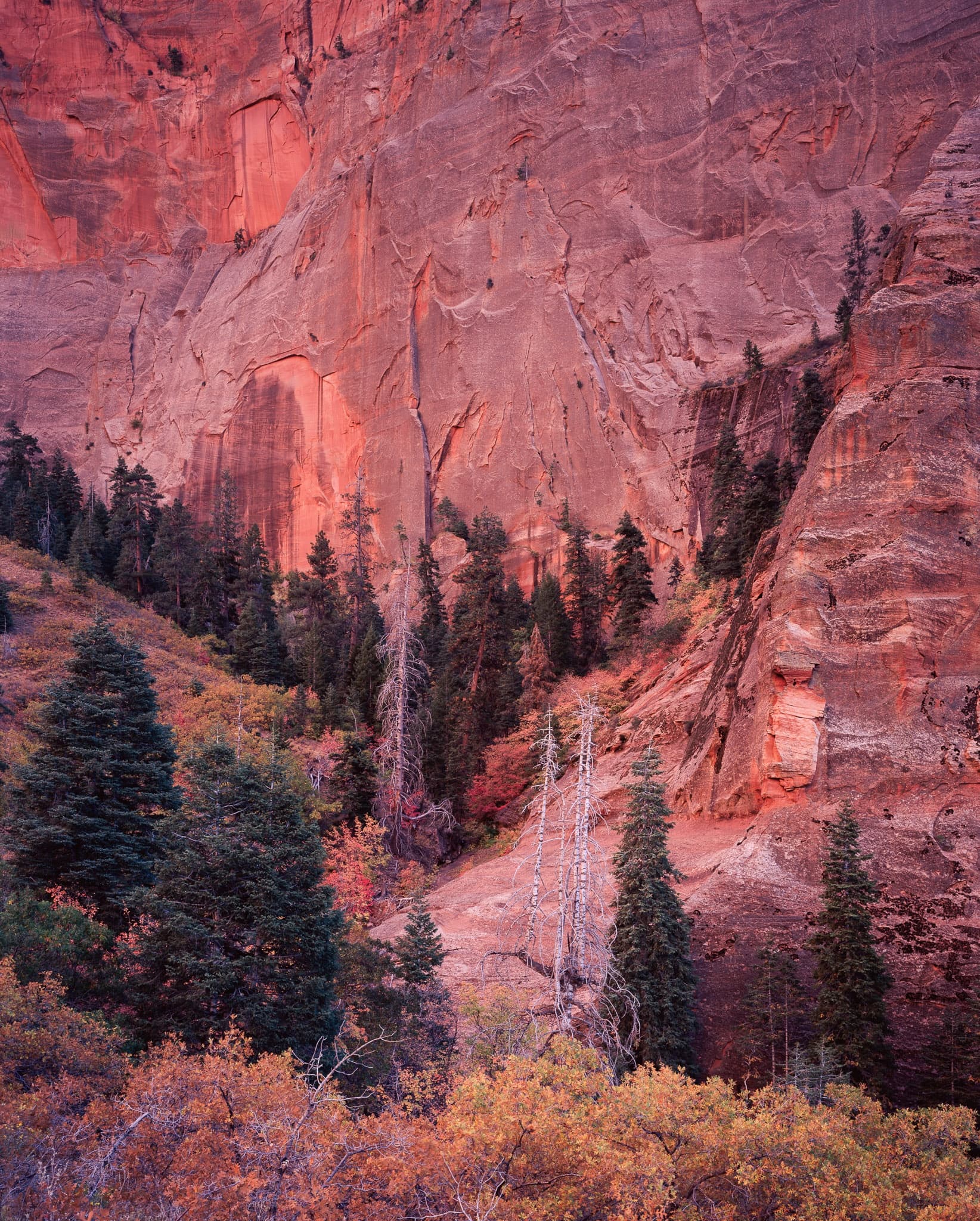
Golden hour transforms desert landscapes with warm, directional light that enhances textures and creates long shadows.
What golden hour provides:
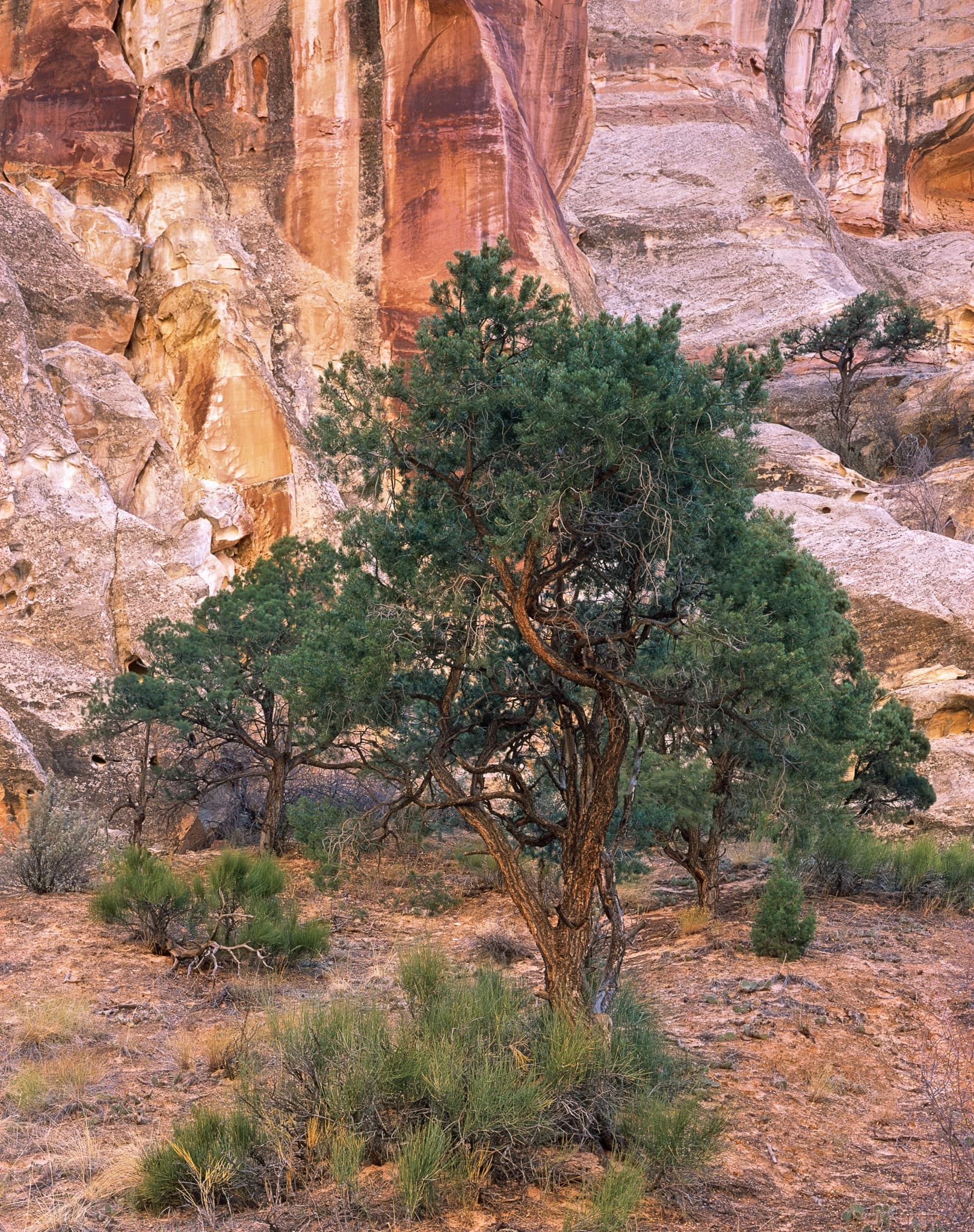
- Rich orange and red tones on rock faces and dune slopes
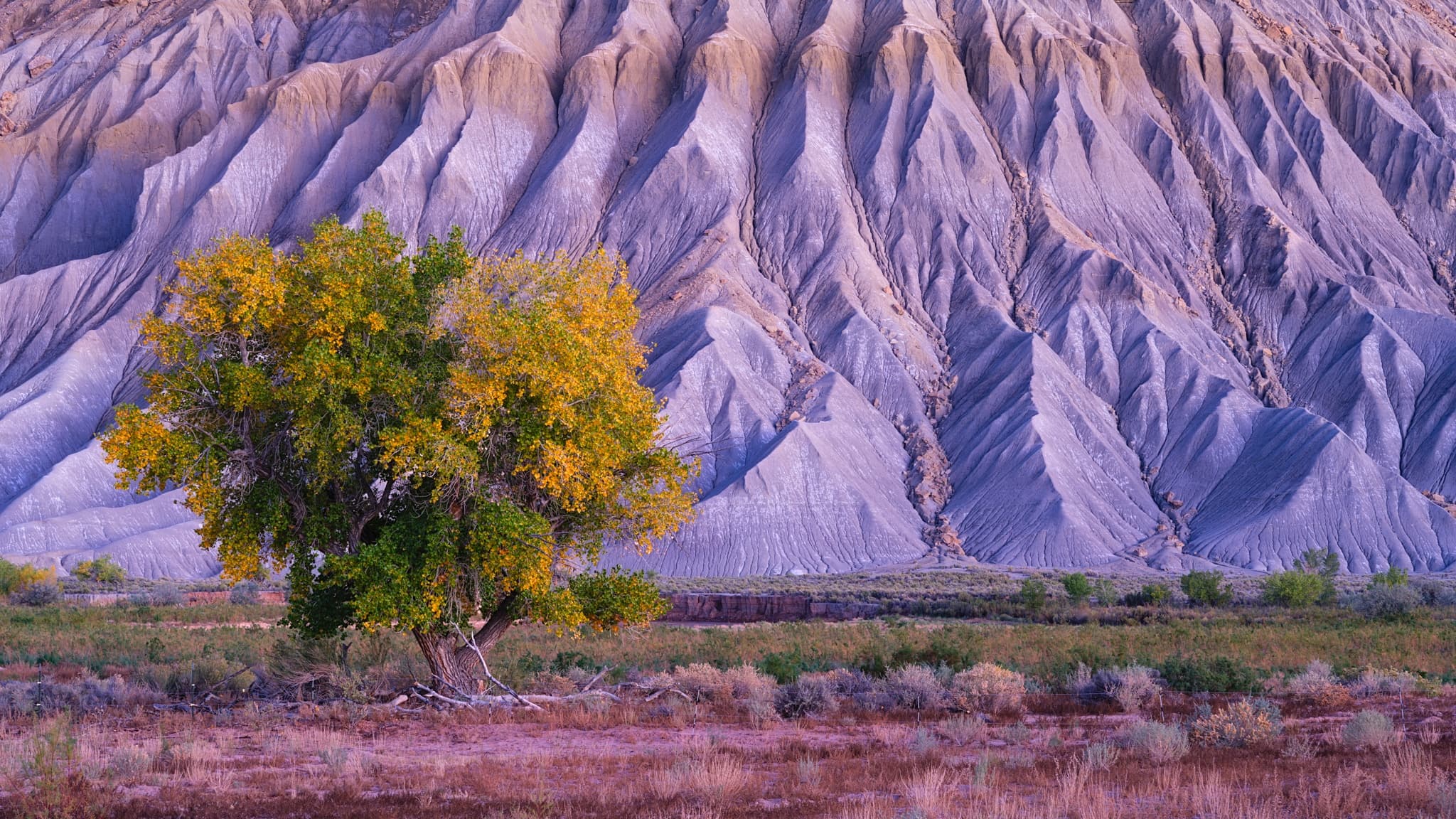
- Cool blue-purple tones in shadows
- Dramatic color contrasts
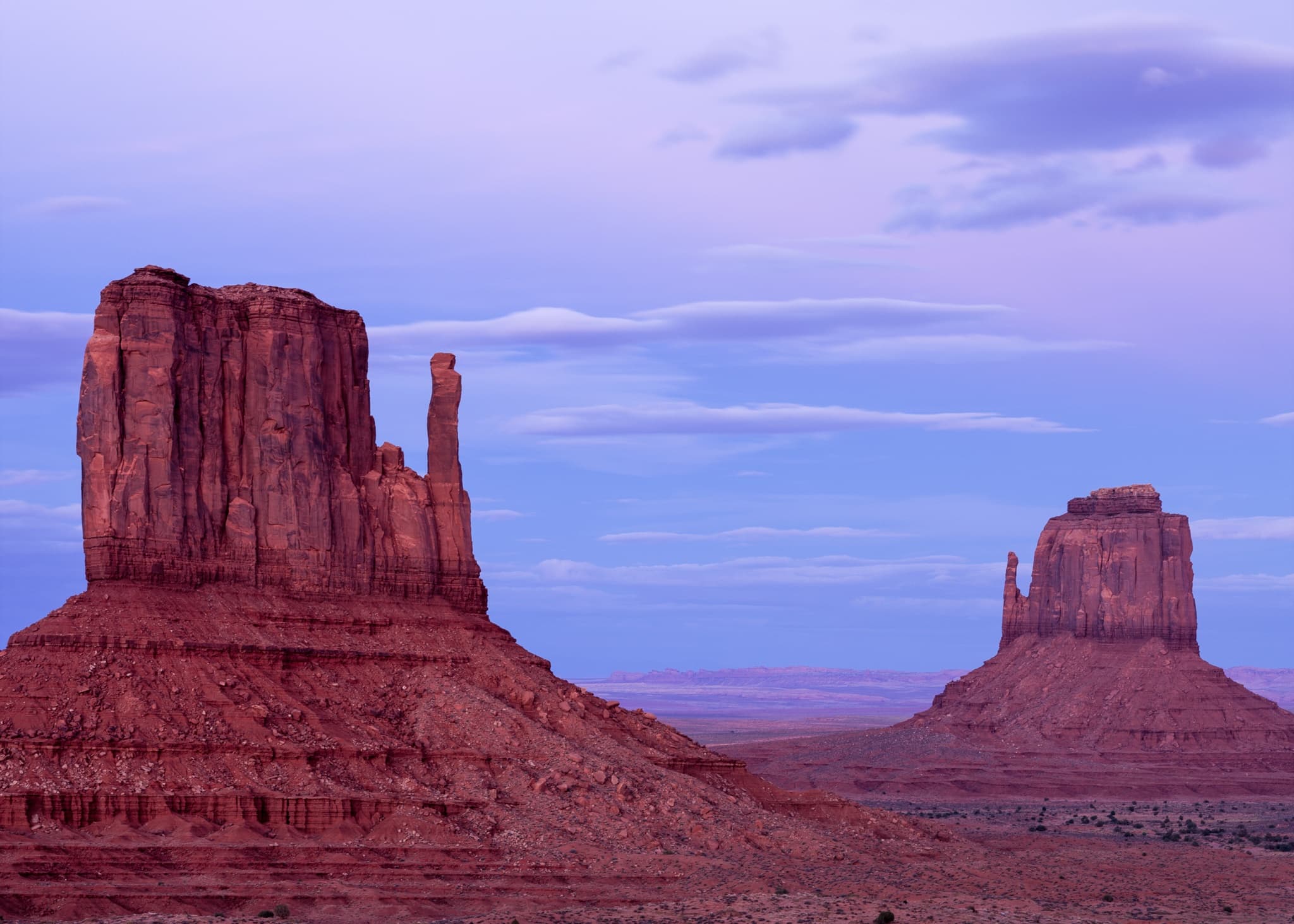
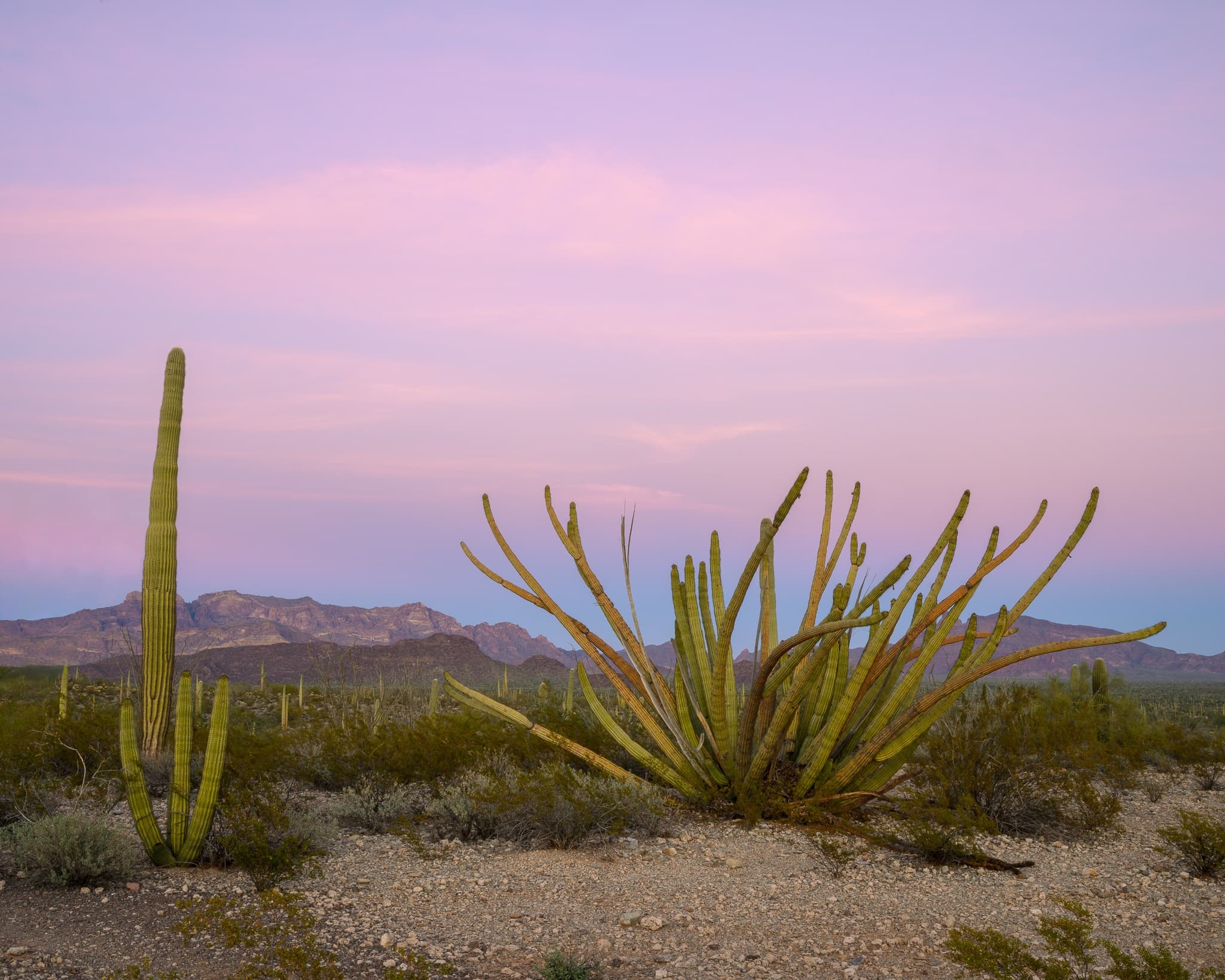
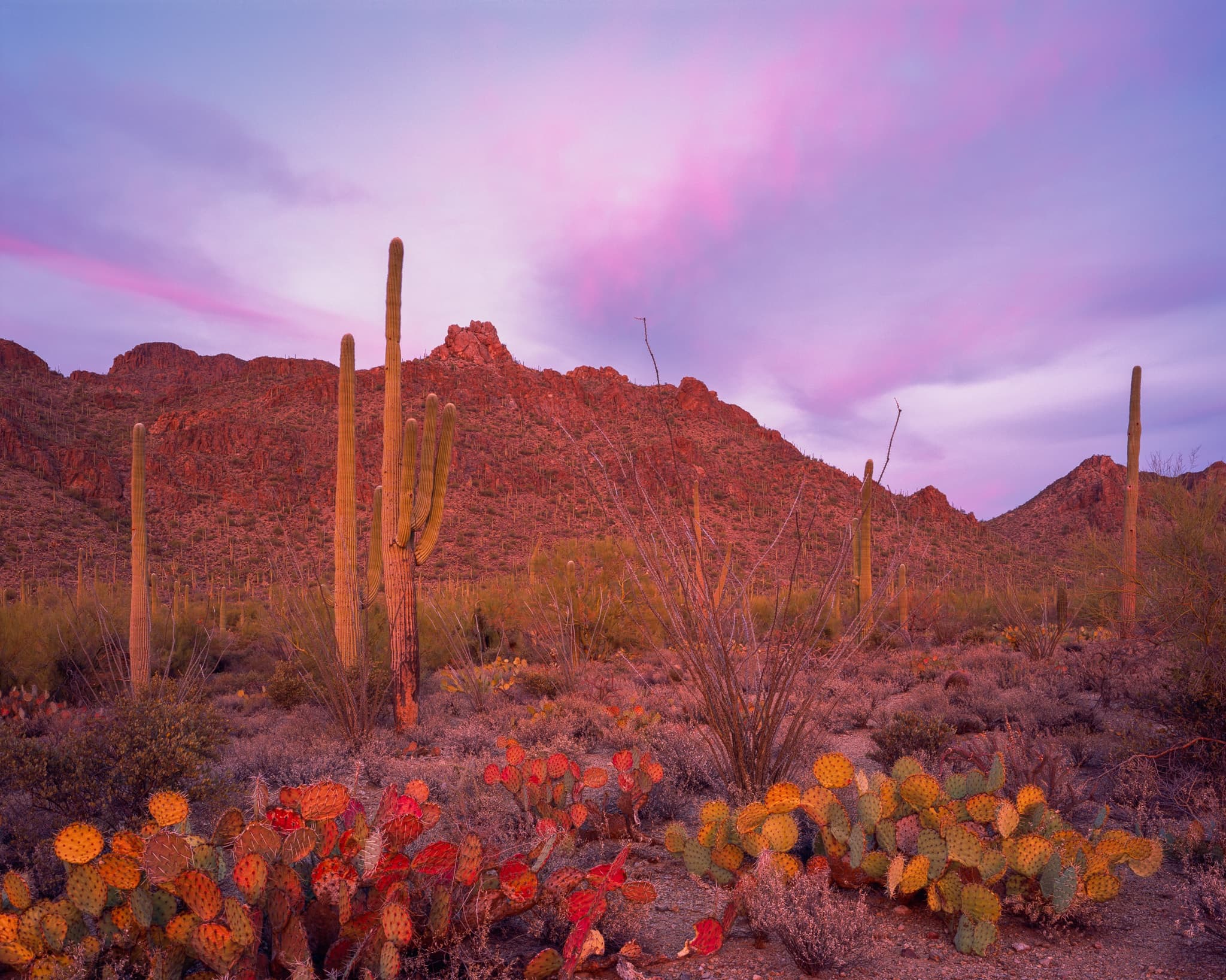
Monument Valley, Death Valley's dunes, and Arizona's Sonoran Desert achieve their most photogenic character during these brief lighting periods.
Dramatic Desert Skies
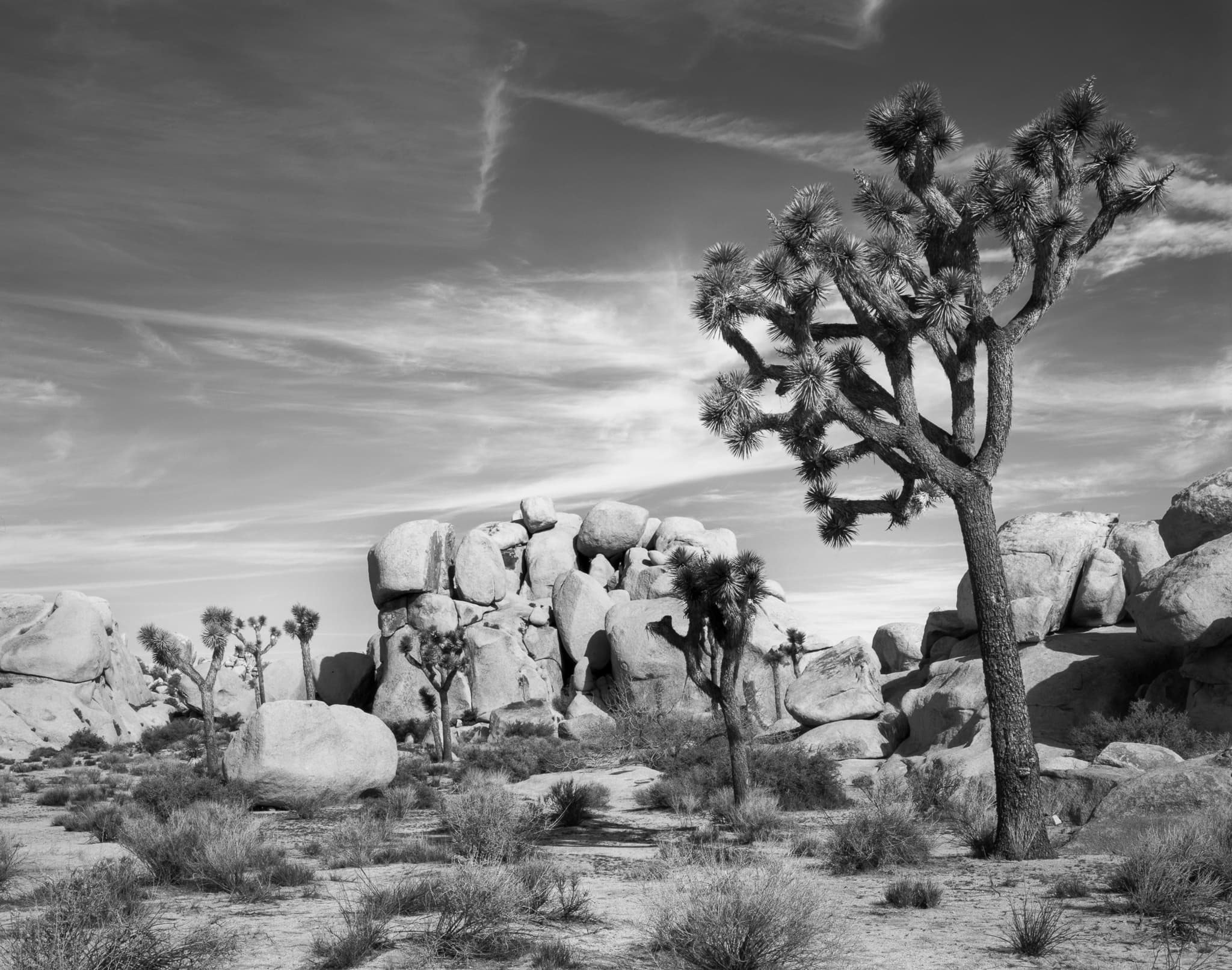
Desert regions produce exceptional sky conditions for photography.
Sky features:
- Deep blue skies contrasting with warm earth tones
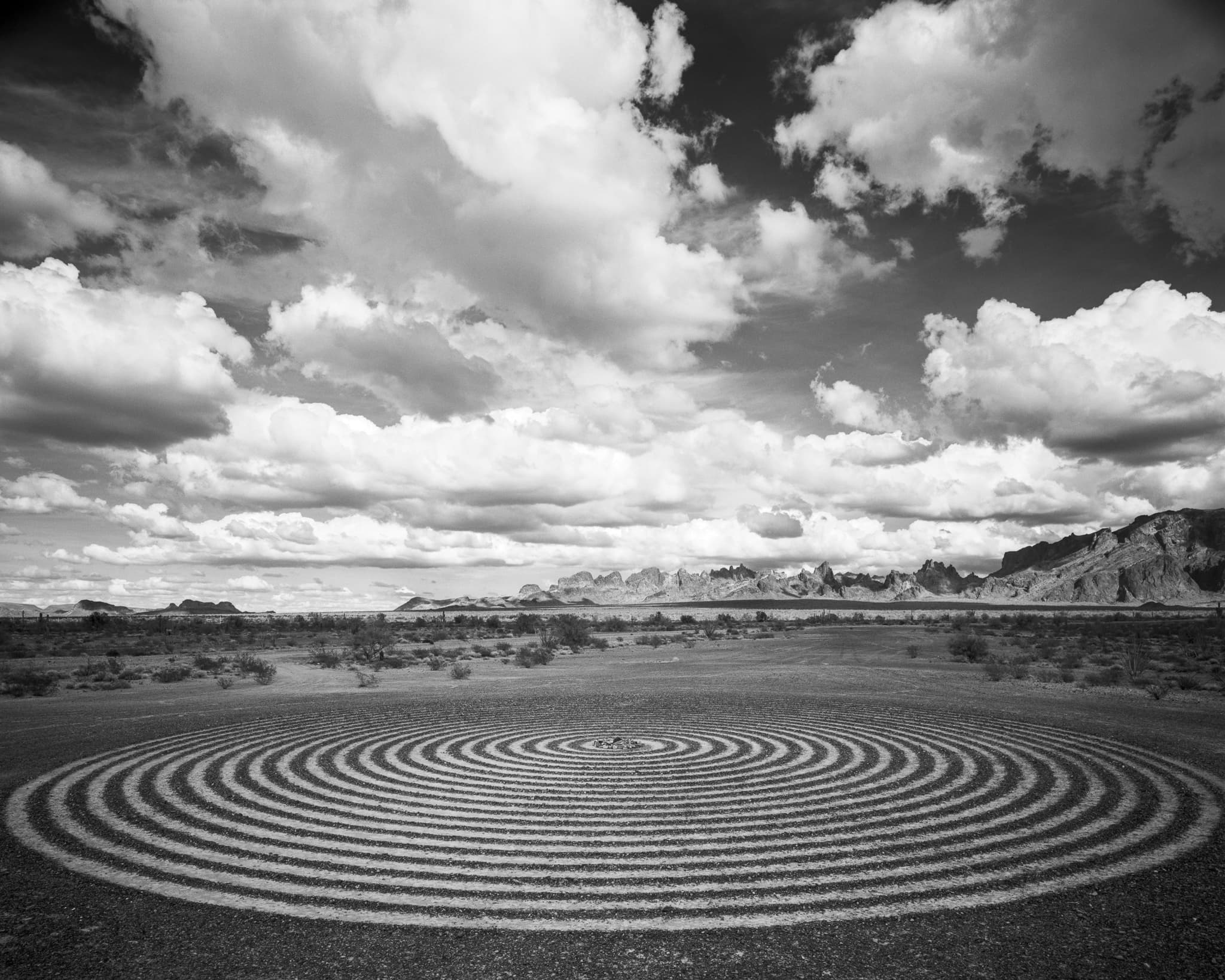
- Summer monsoon thunderstorms with dramatic clouds
- Lightning and rainbow opportunities
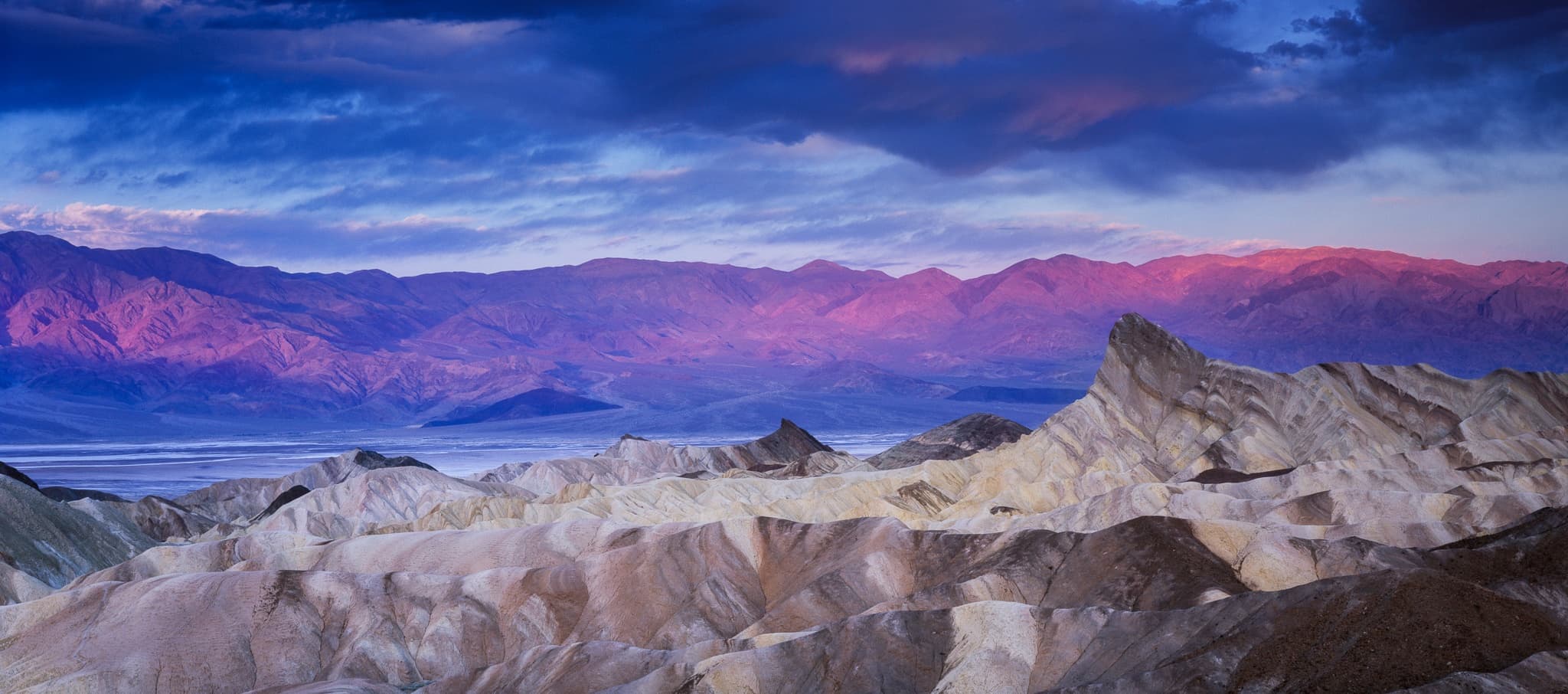
- Gradient skies at sunrise and sunset
- Brilliant red and purple twilight from dust particles
Sidelight & Shadow Play
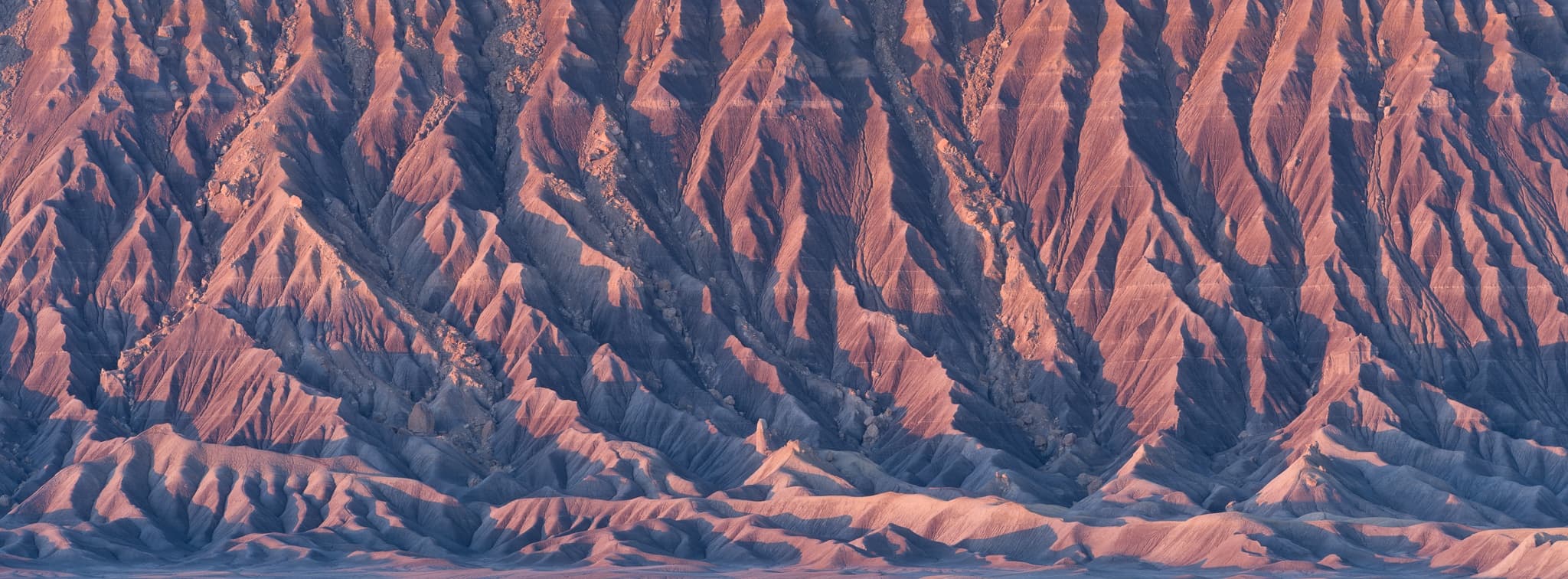
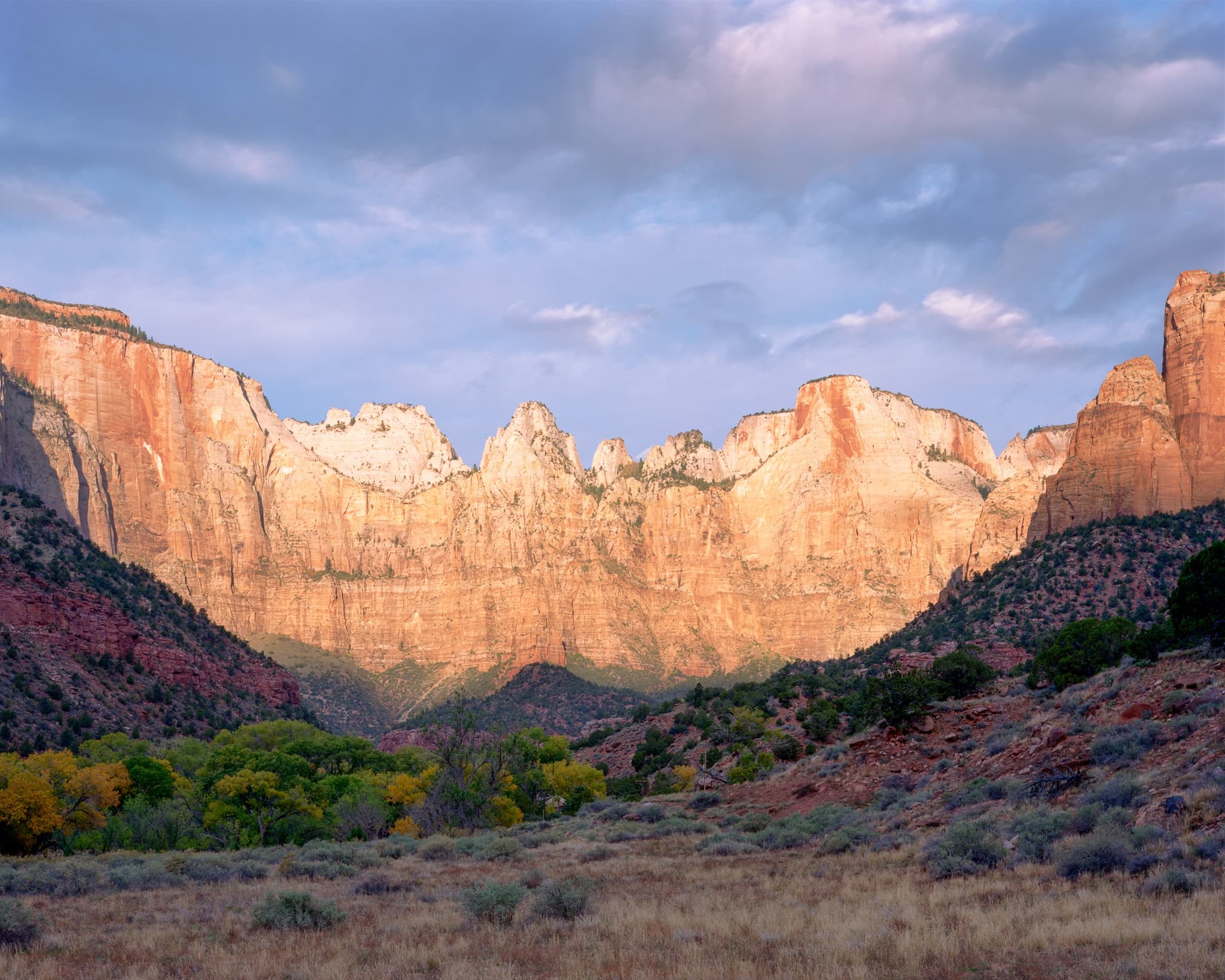
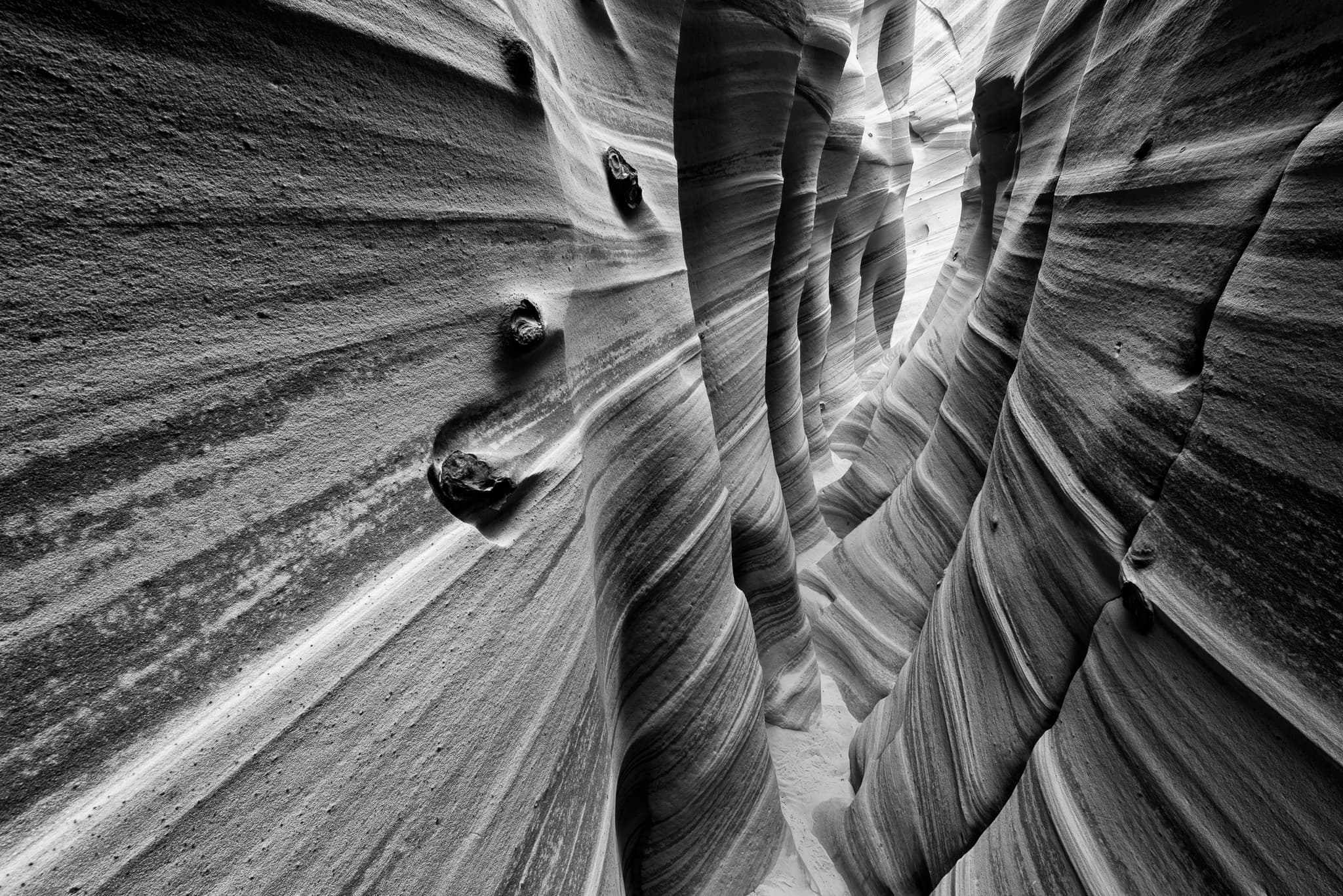
Sidelighting reveals three-dimensional form through illuminated surfaces and cast shadows.
Sidelight benefits:
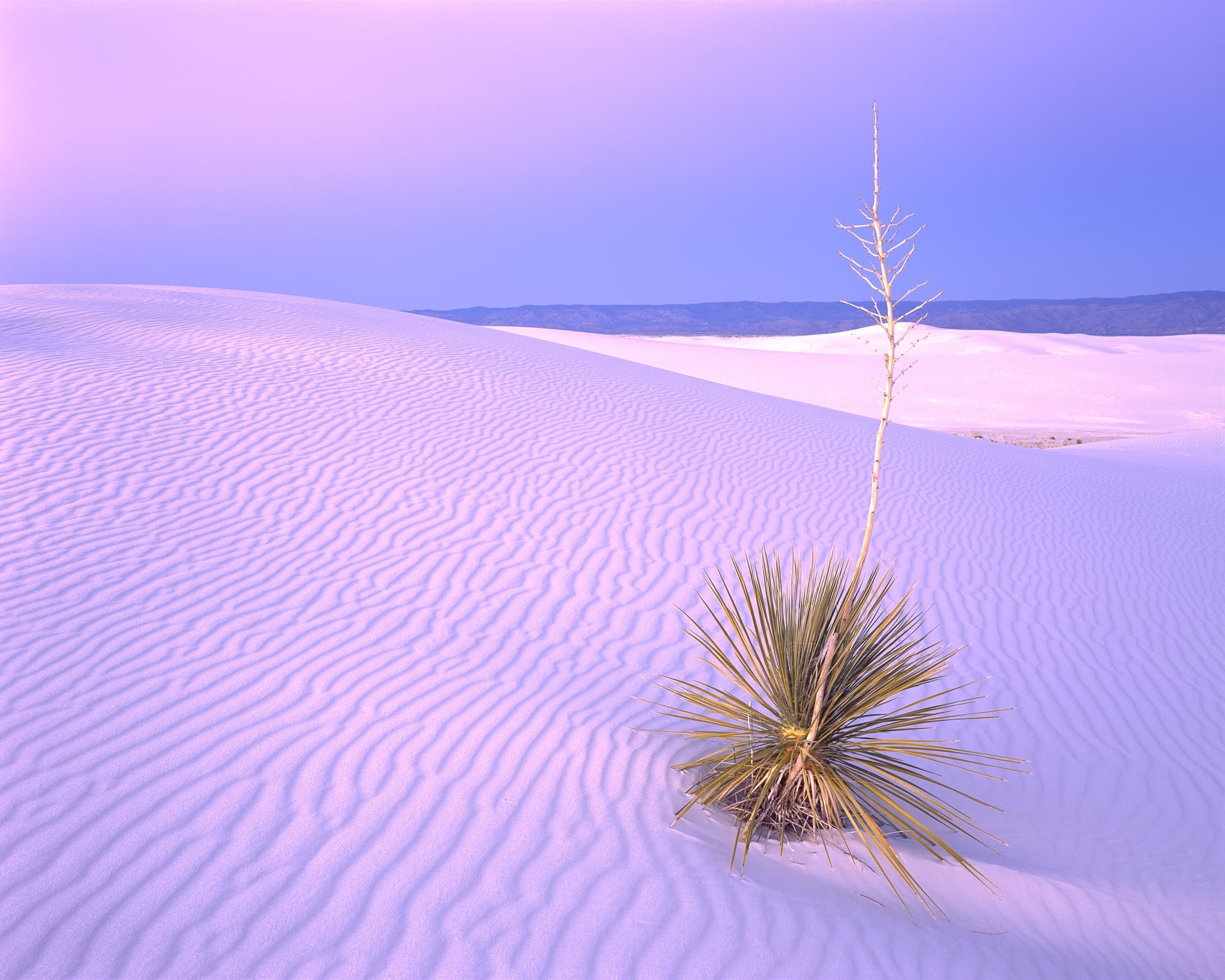
- Creates alternating light and shadow patterns on dunes
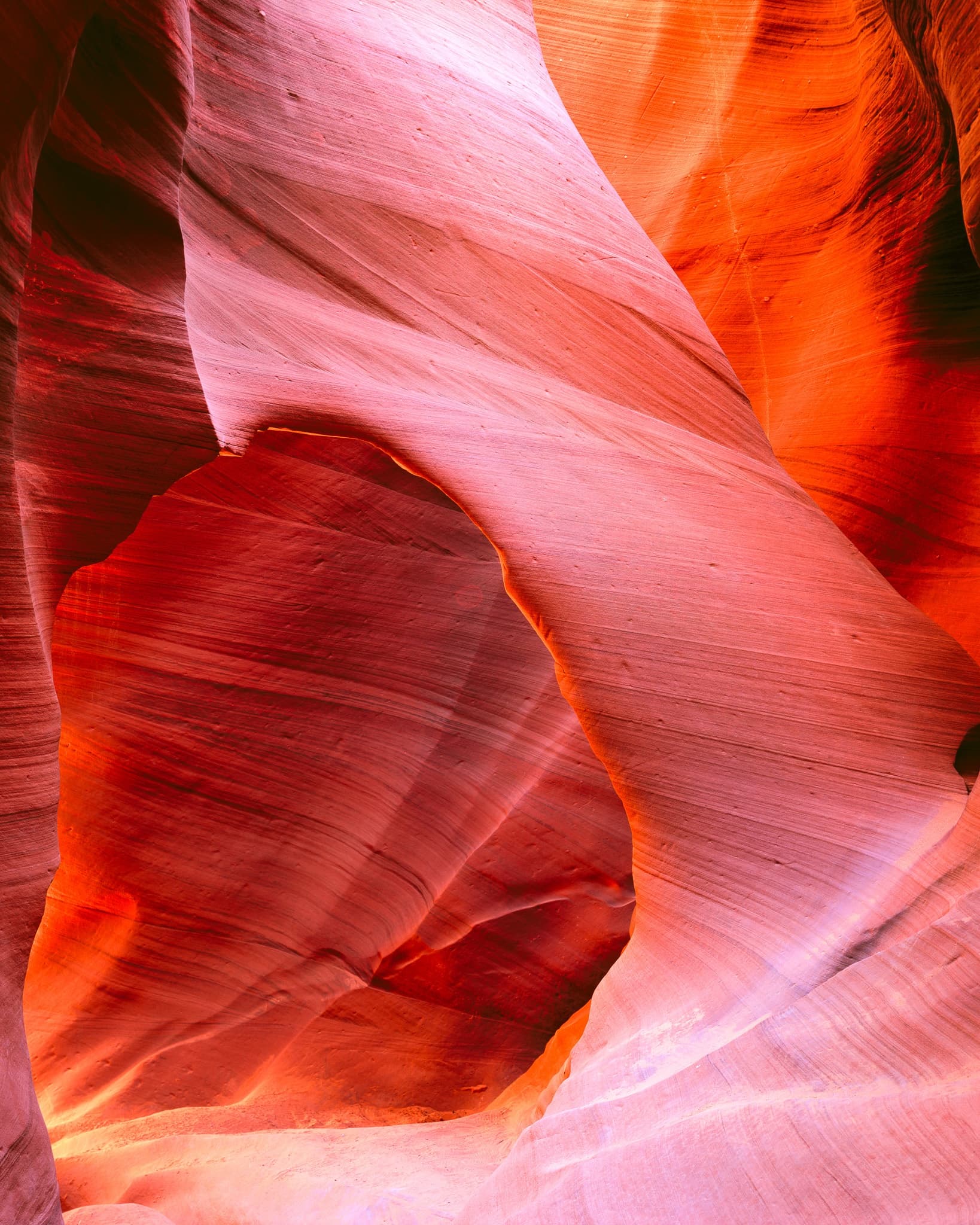
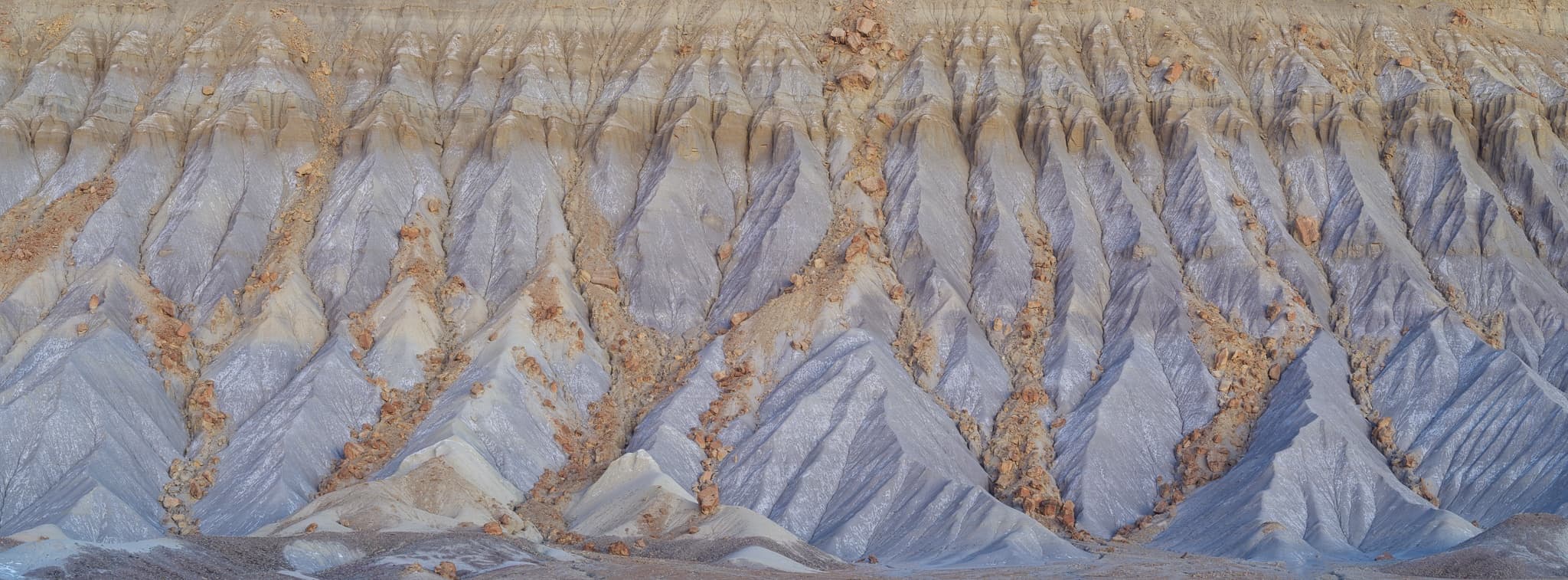
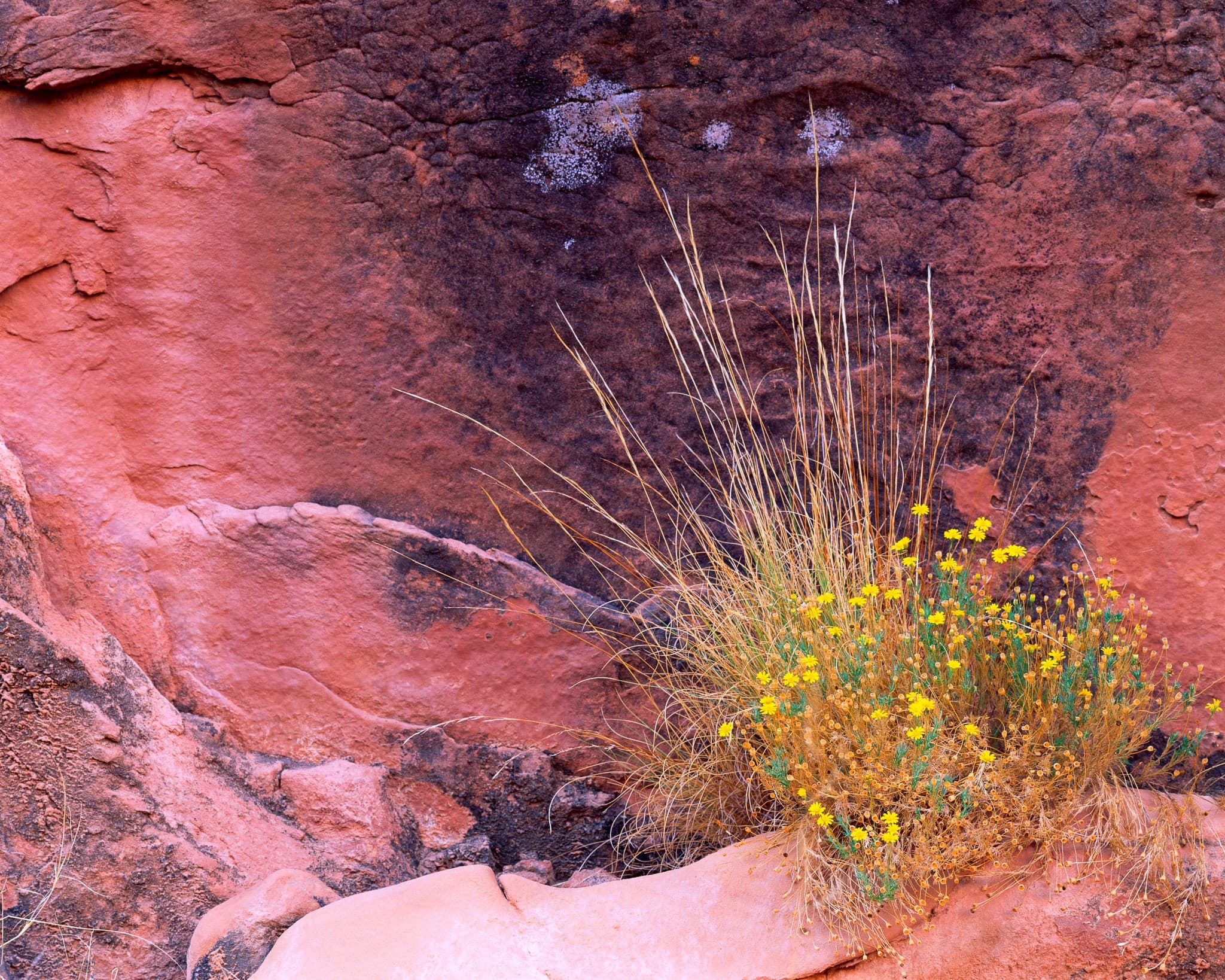
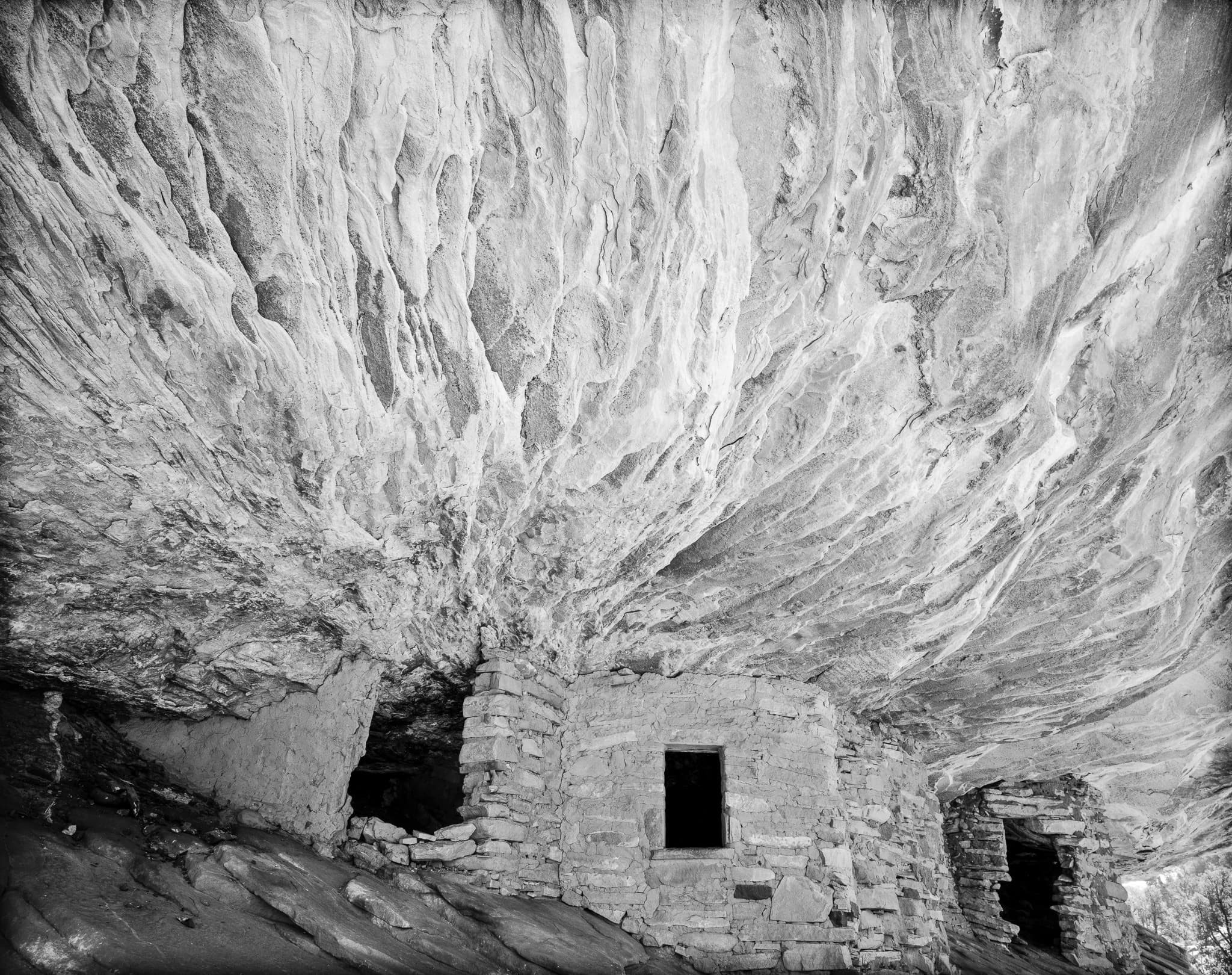
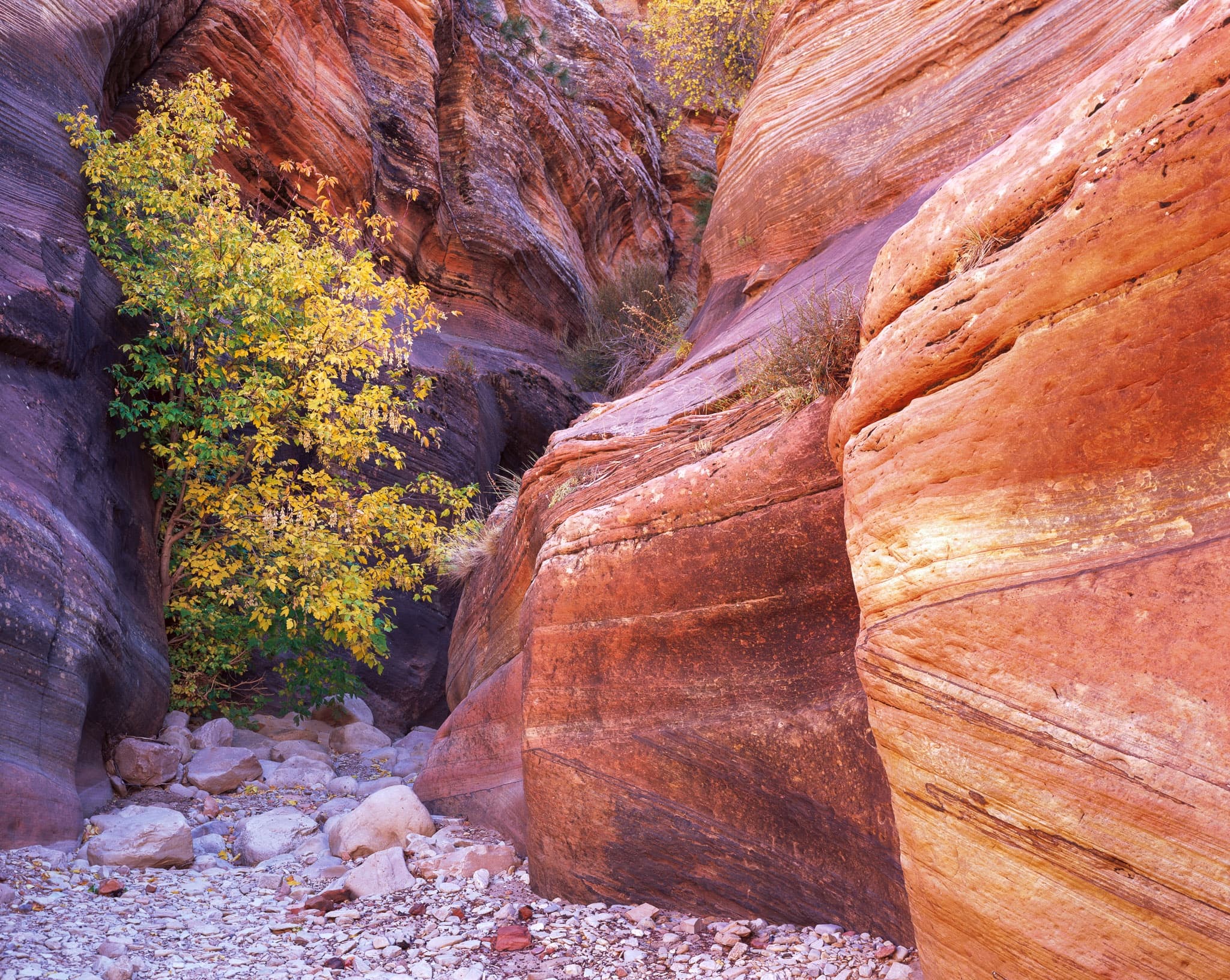
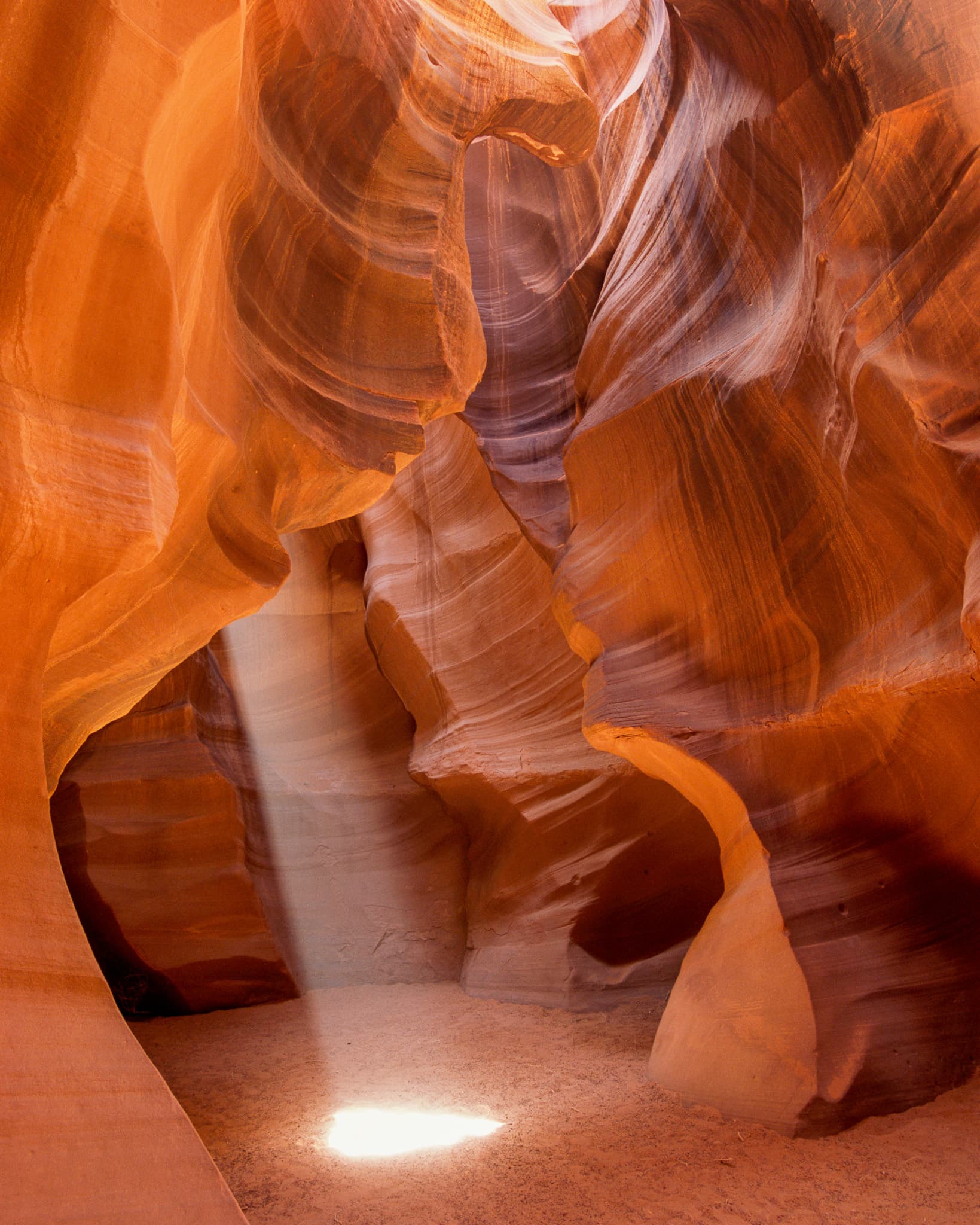
- Reveals texture and color in rock formations
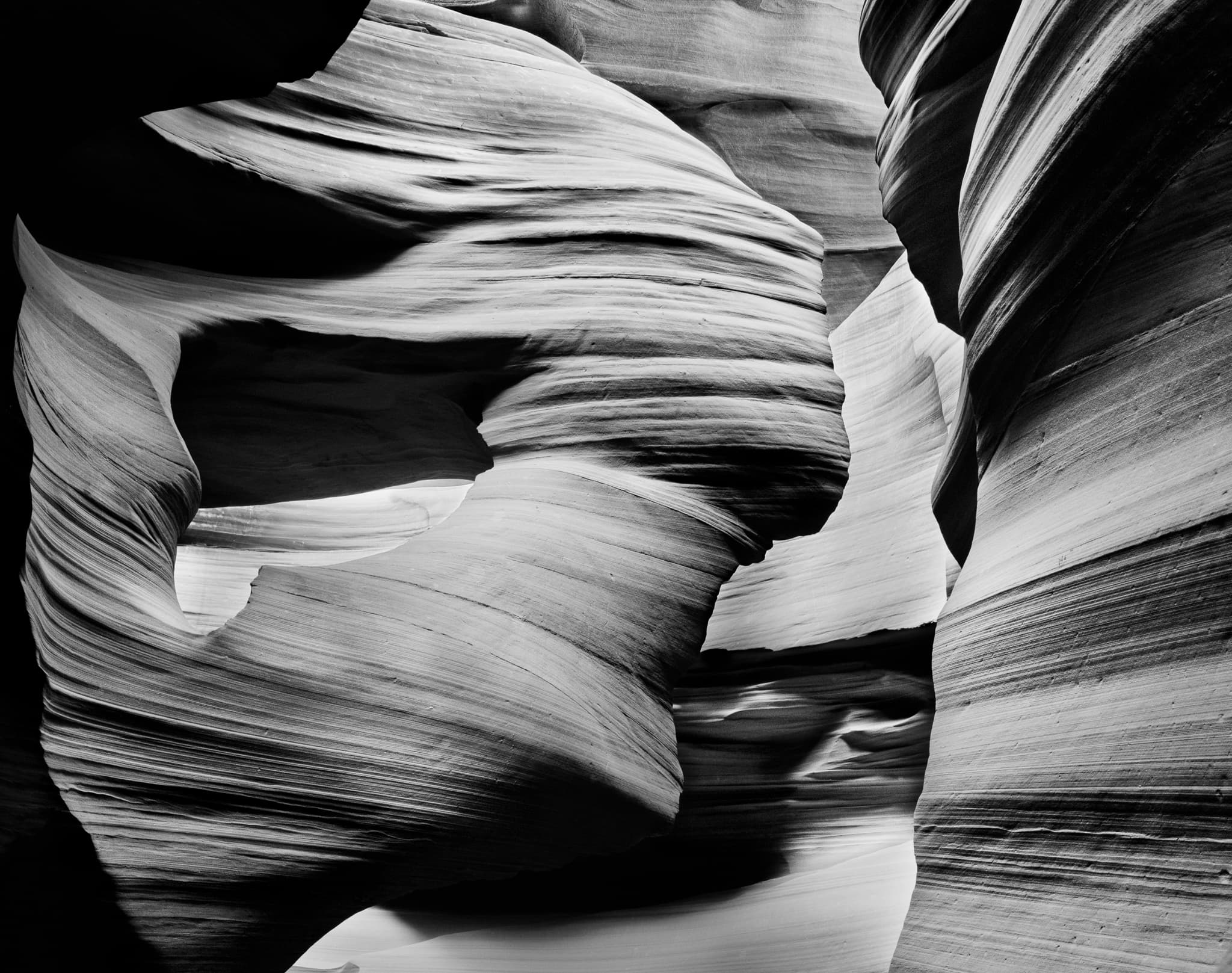
- Shows geological features in canyon walls
Optimal sidelight conditions often last only 30-45 minutes. Understanding light angles is essential.
Blue Hour & Twilight
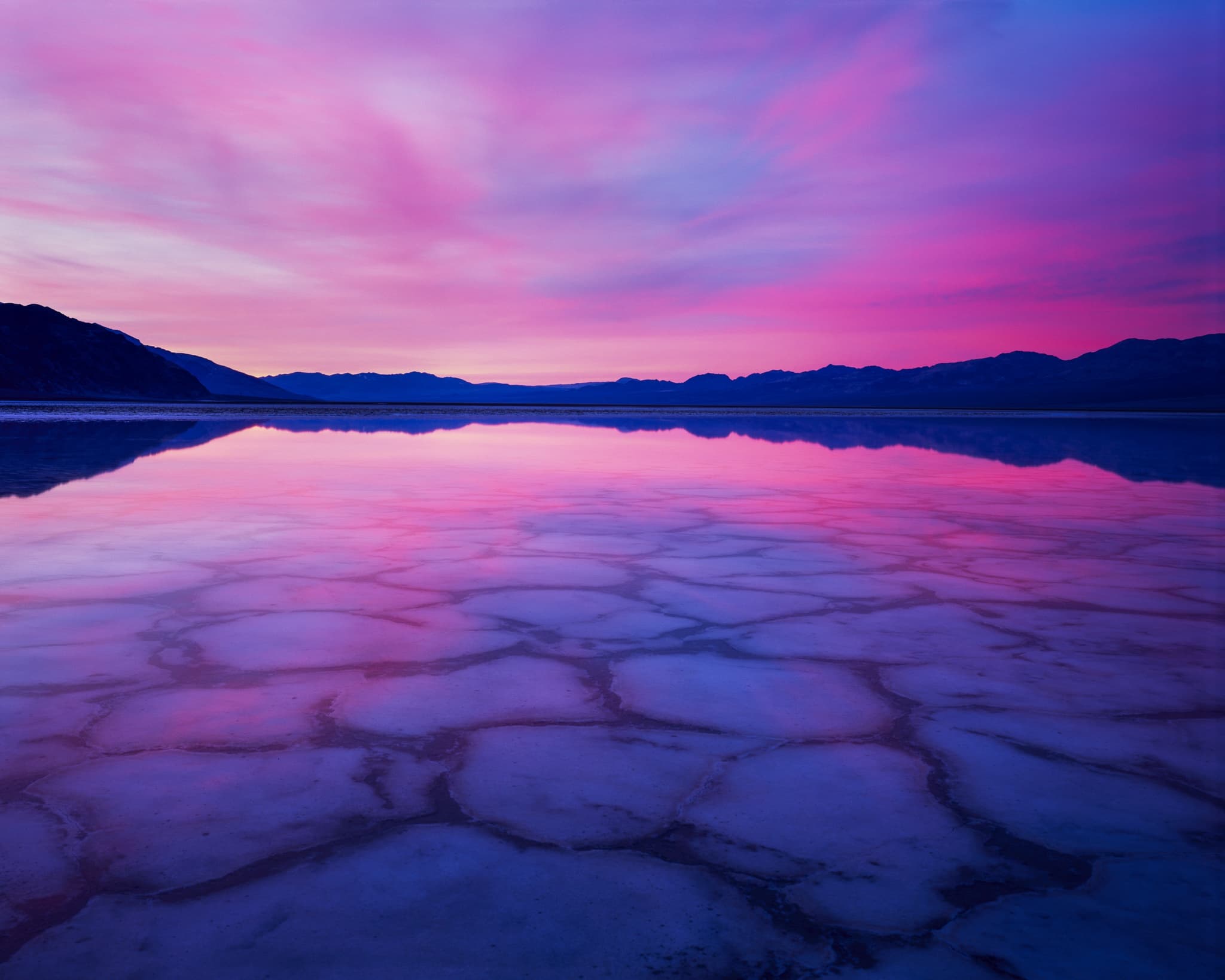
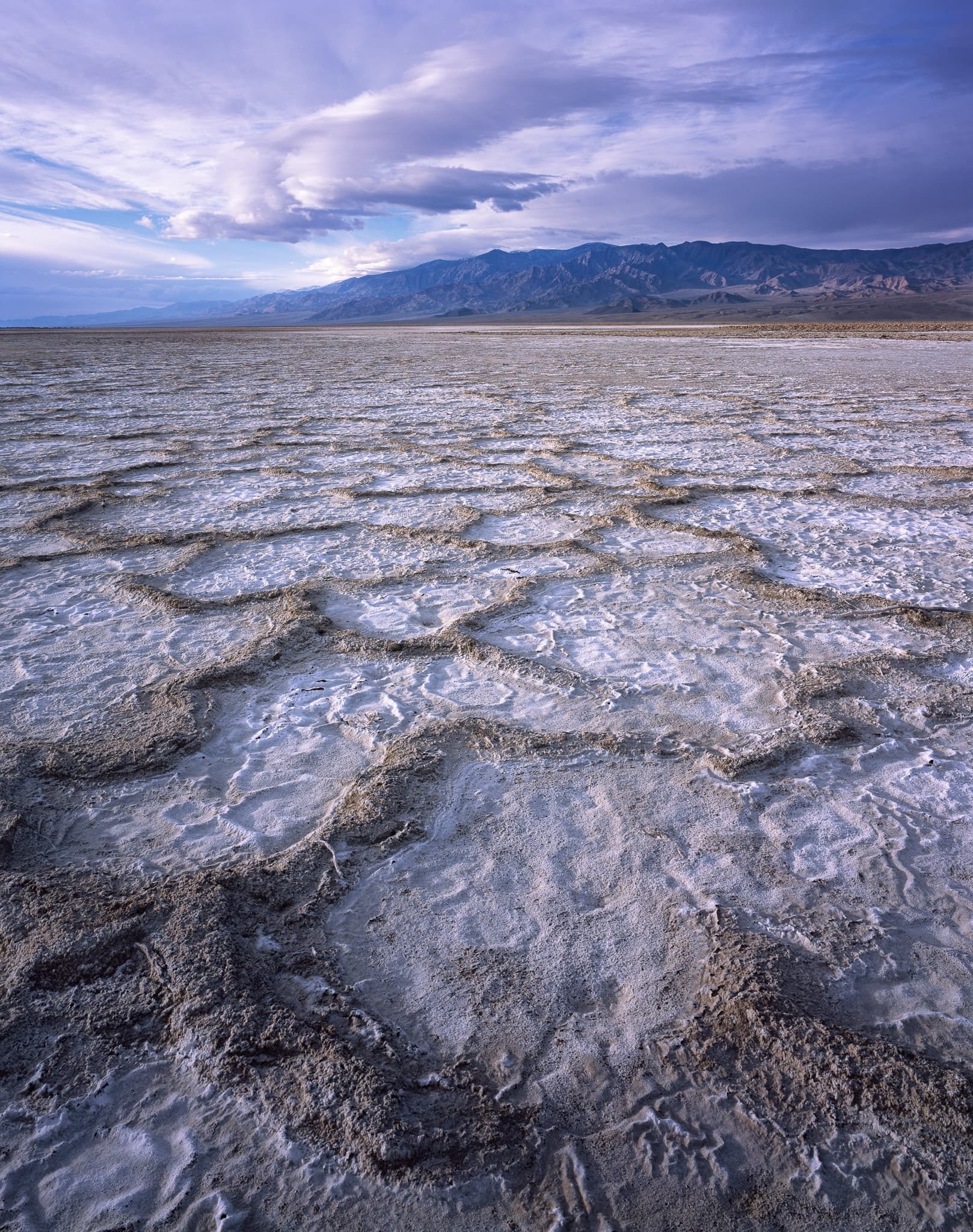
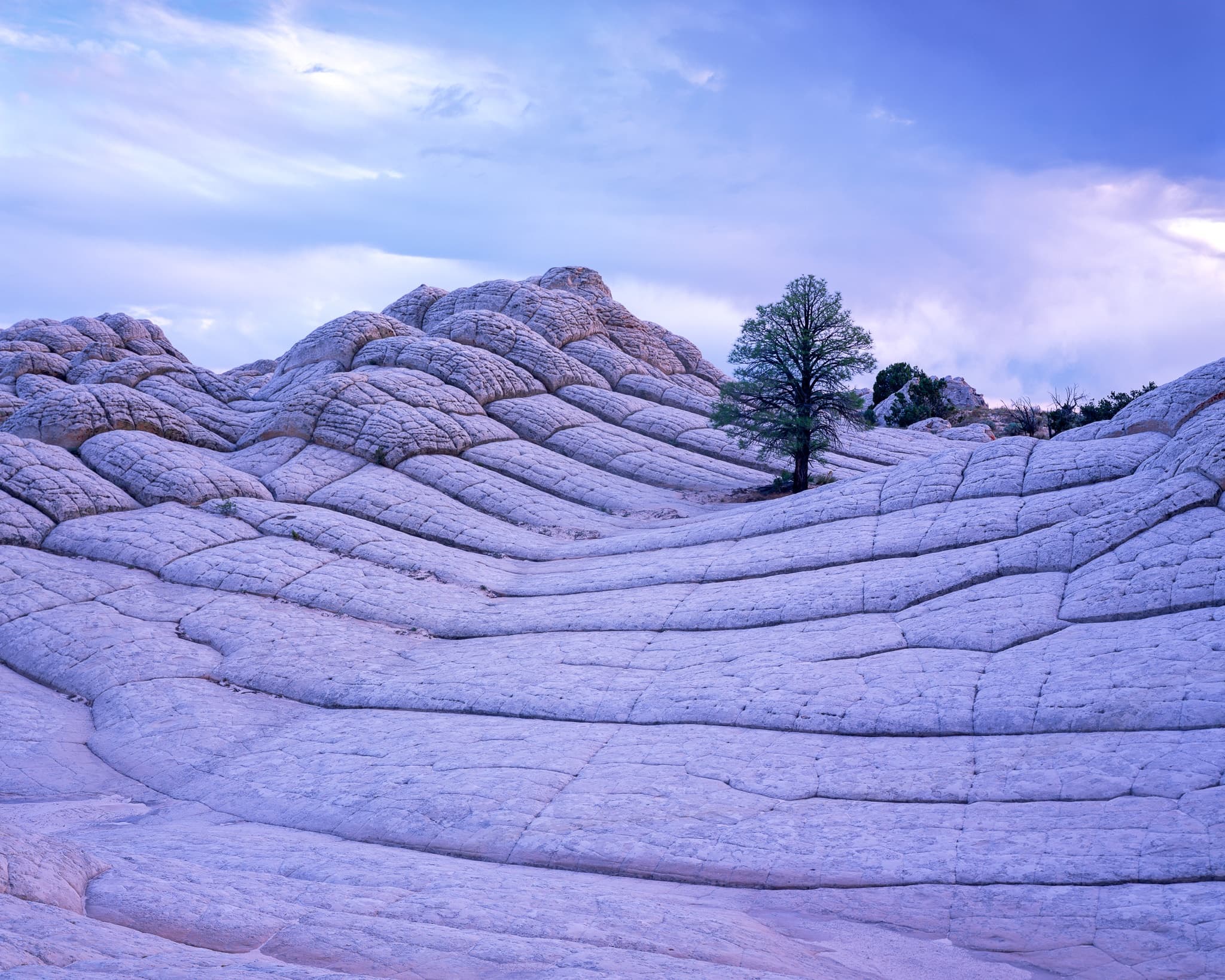
Desert regions offer exceptional blue hour photography due to atmospheric clarity.
Blue hour advantages:
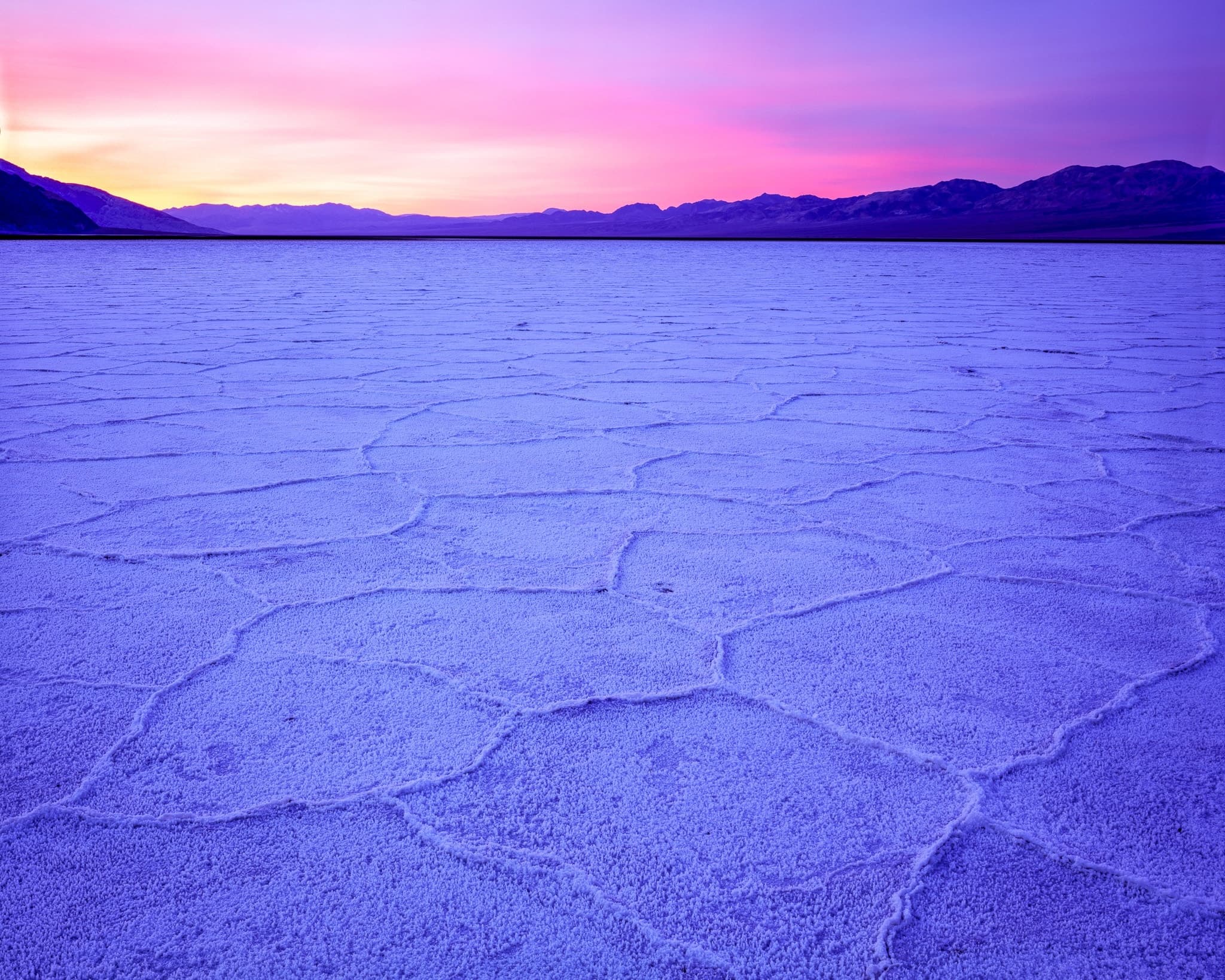
- Soft, cool blue light contrasts with warm horizon colors
- Extended twilight provides longer working windows
- Minimal light pollution
- Ideal conditions for astrophotography
- Milky Way visible from remote locations year-round
Desert Weather & Atmospheric Conditions
Interesting weather creates the most dramatic photography opportunities.
Weather conditions to watch for:
- Summer monsoon thunderstorms with dramatic clouds
- Lightning and rainbow opportunities
- Dust storms creating ethereal lighting
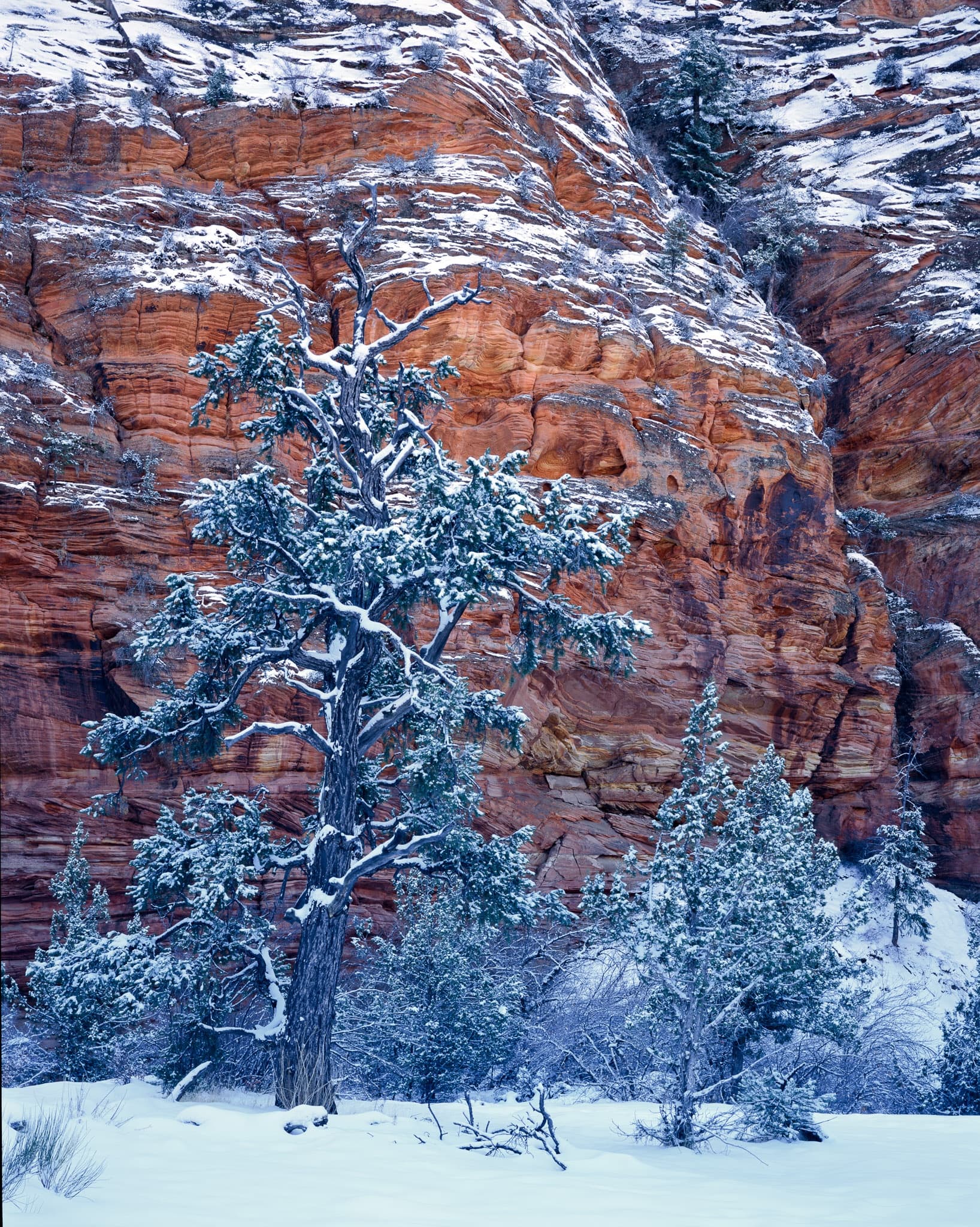
- Rare winter snow on red rock
Weather watching and willingness to photograph in challenging conditions separates outstanding work from simple documentation.
Premier Desert Light Locations
Top locations for desert light photography:
- Monument Valley—iconic mittens and buttes, dramatic silhouettes
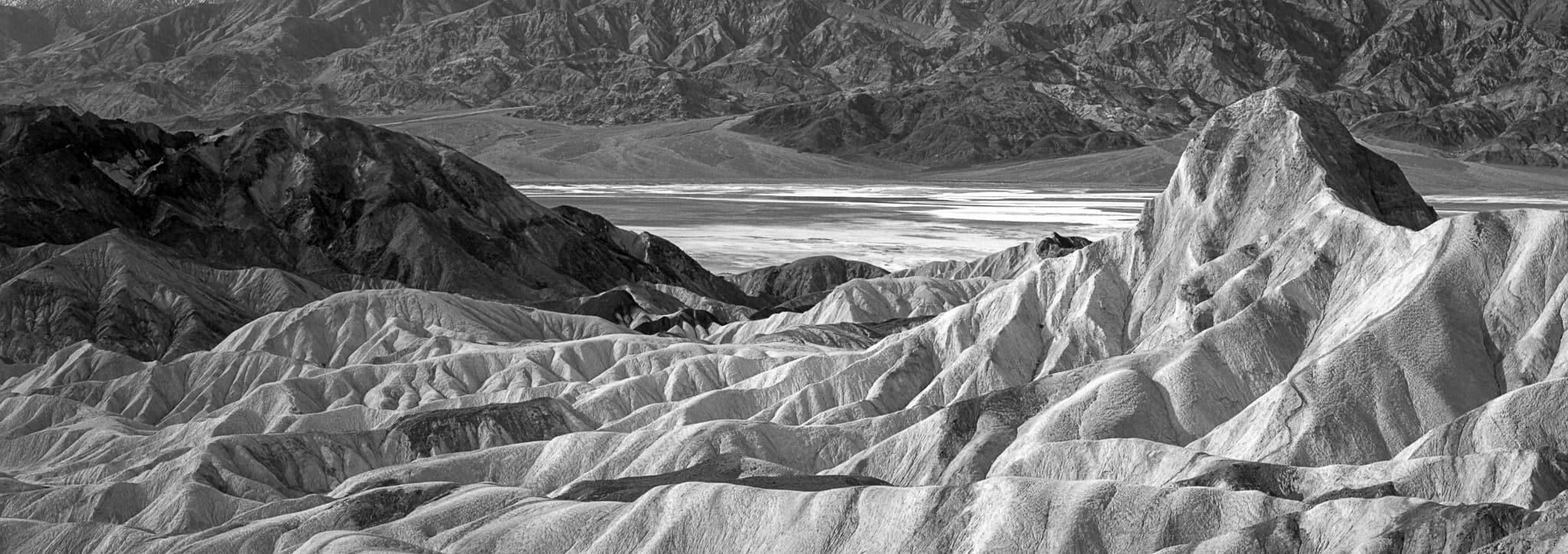
- Death Valley—Mesquite Flat Dunes and Zabriskie Point sunrises
- Utah—Delicate Arch and Mesa Arch framing light displays
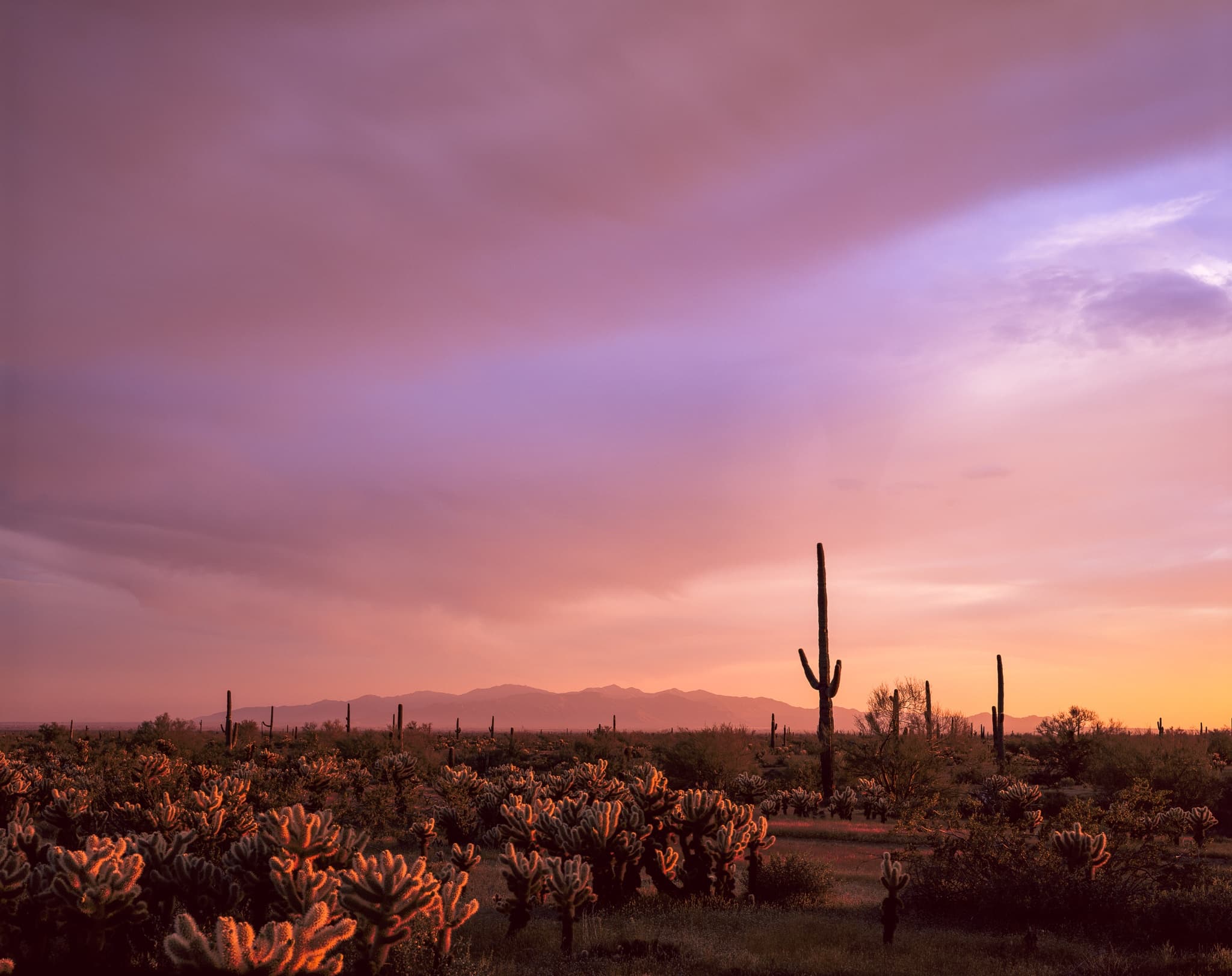
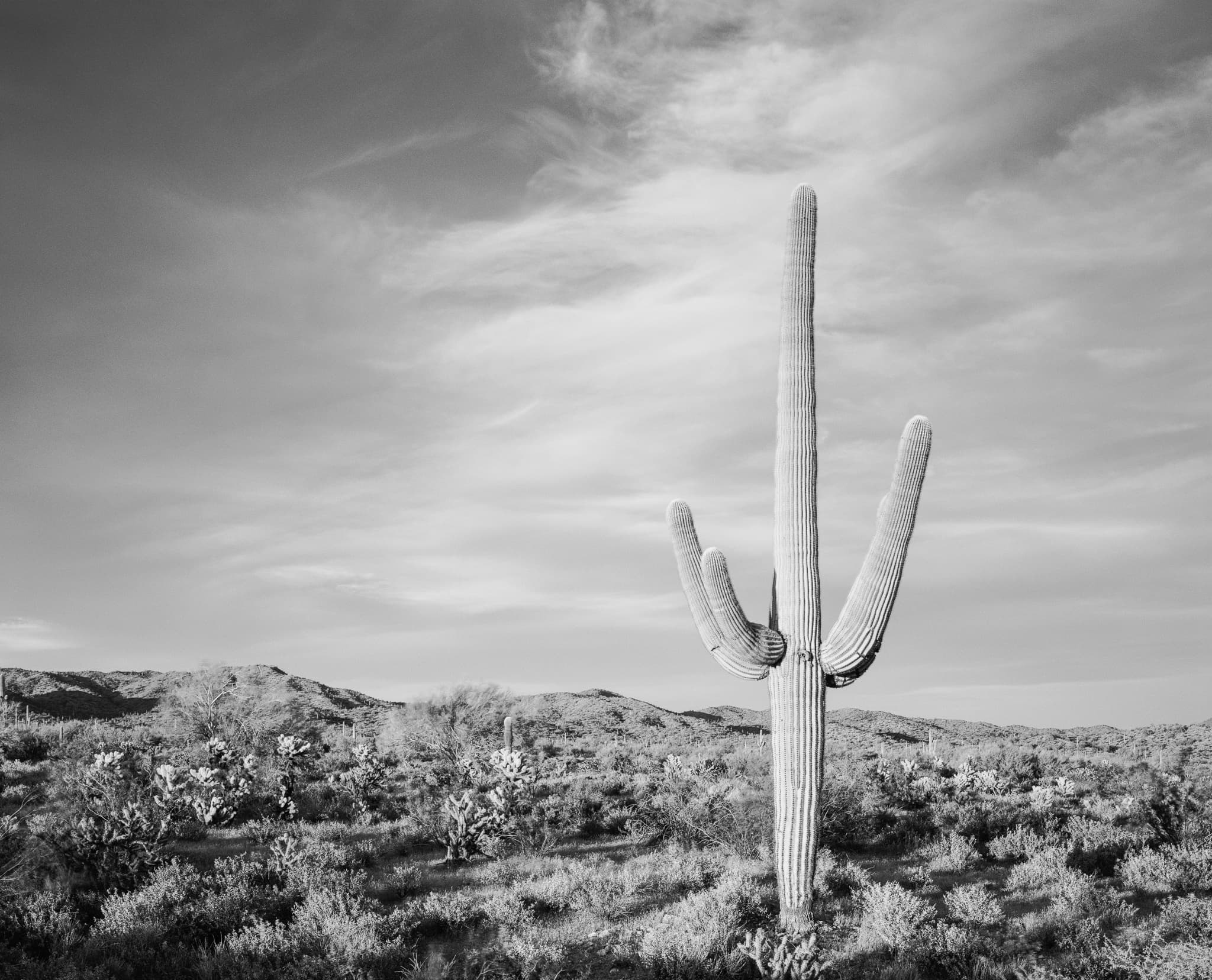
- Arizona Sonoran Desert—saguaro silhouettes at sunset
Each location has specific optimal timing. Dedicated photographers learn through repeated visits and observation.
Collecting Desert Light Photography
Desert light photographs offer warmth, drama, and distinctive Southwest atmosphere.
Why collectors choose desert light imagery:
- Brings warmth and energy to interior spaces
- Timeless subjects that age gracefully
- Particularly valuable during darker months
Building a collection:
- Soft golden hour scenes—peace and contemplation
- Storm-lit landscapes—power and transformation
- Monument Valley silhouettes—iconic Southwest symbolism
- Intimate dune studies—abstract contemporary qualities
Display Considerations for Desert Light Prints
Desert light photographs bring warmth to any space.
Placement tips:
- Effective in rooms with cool color palettes
- Position to catch afternoon natural light
- Warm tones complement neutral walls
Size and format options:
- Large prints—dramatic focal points for living rooms and lobbies
- Intimate studies—dune patterns and textures for smaller spaces
- Metal prints—metallic substrate enhances golden hour glow
Fine Art Desert Light Prints
Desert light photographs are printed using archival techniques designed to preserve the warm color palette and dramatic tonal range that define golden hour desert photography. Each print captures the luminous quality and atmospheric clarity that make desert light subjects compelling for fine art photography collectors.
Limited edition prints available in sizes from 11x14 inch intimate desert studies to large 40x50 inch expansive landscape vistas. All prints include certificates of authenticity and are produced on museum-quality materials suitable for collectors of Southwest landscape photography.