
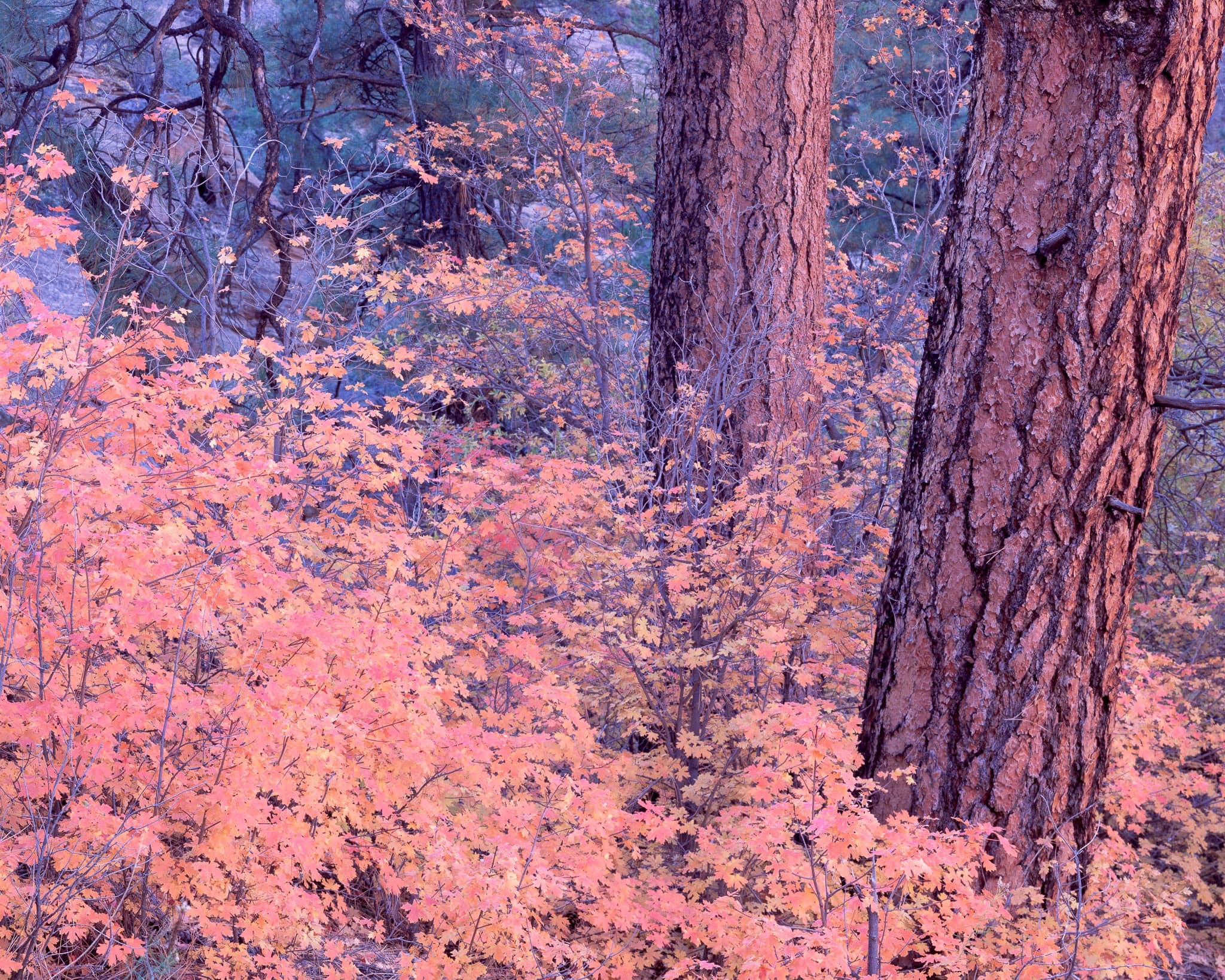
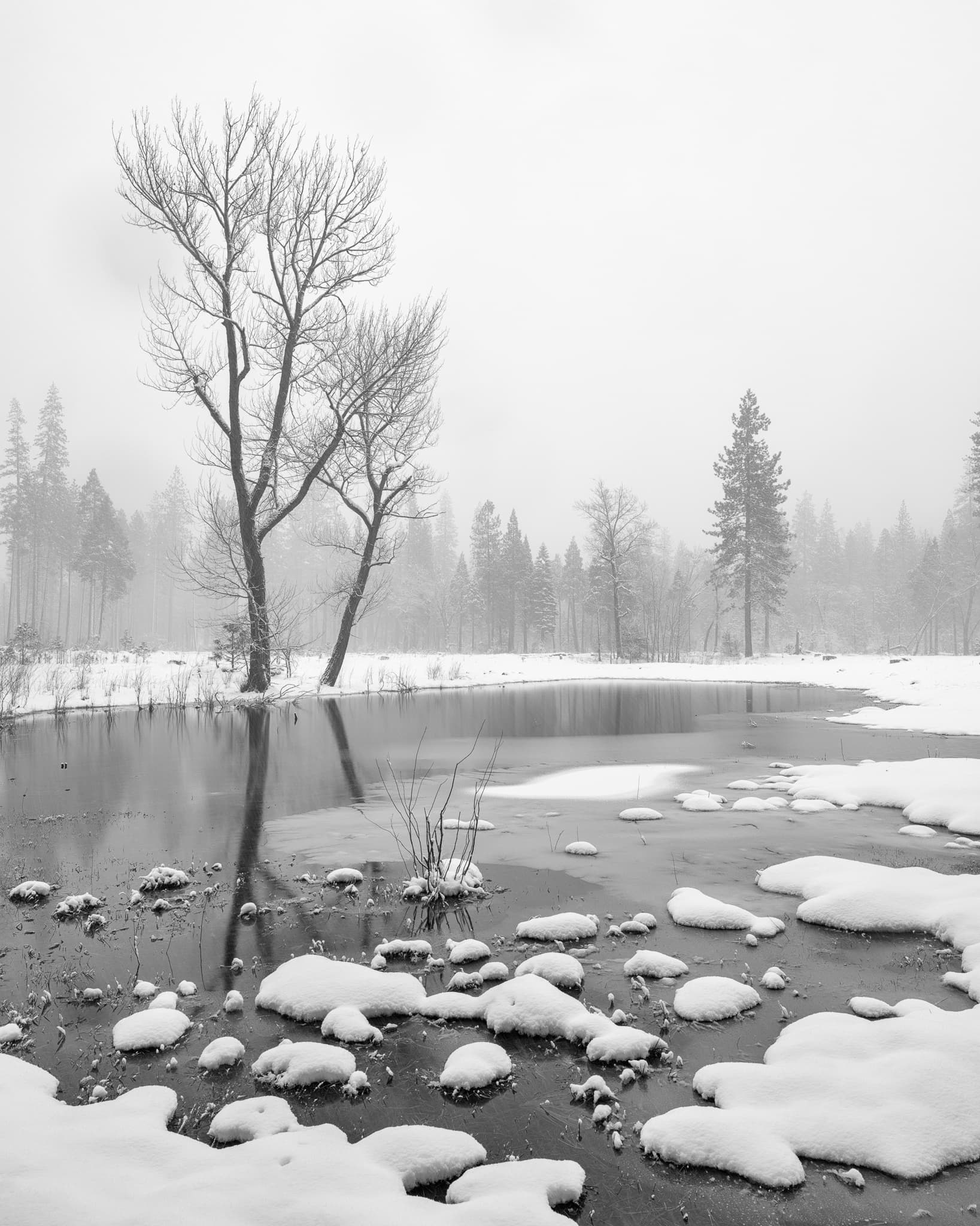
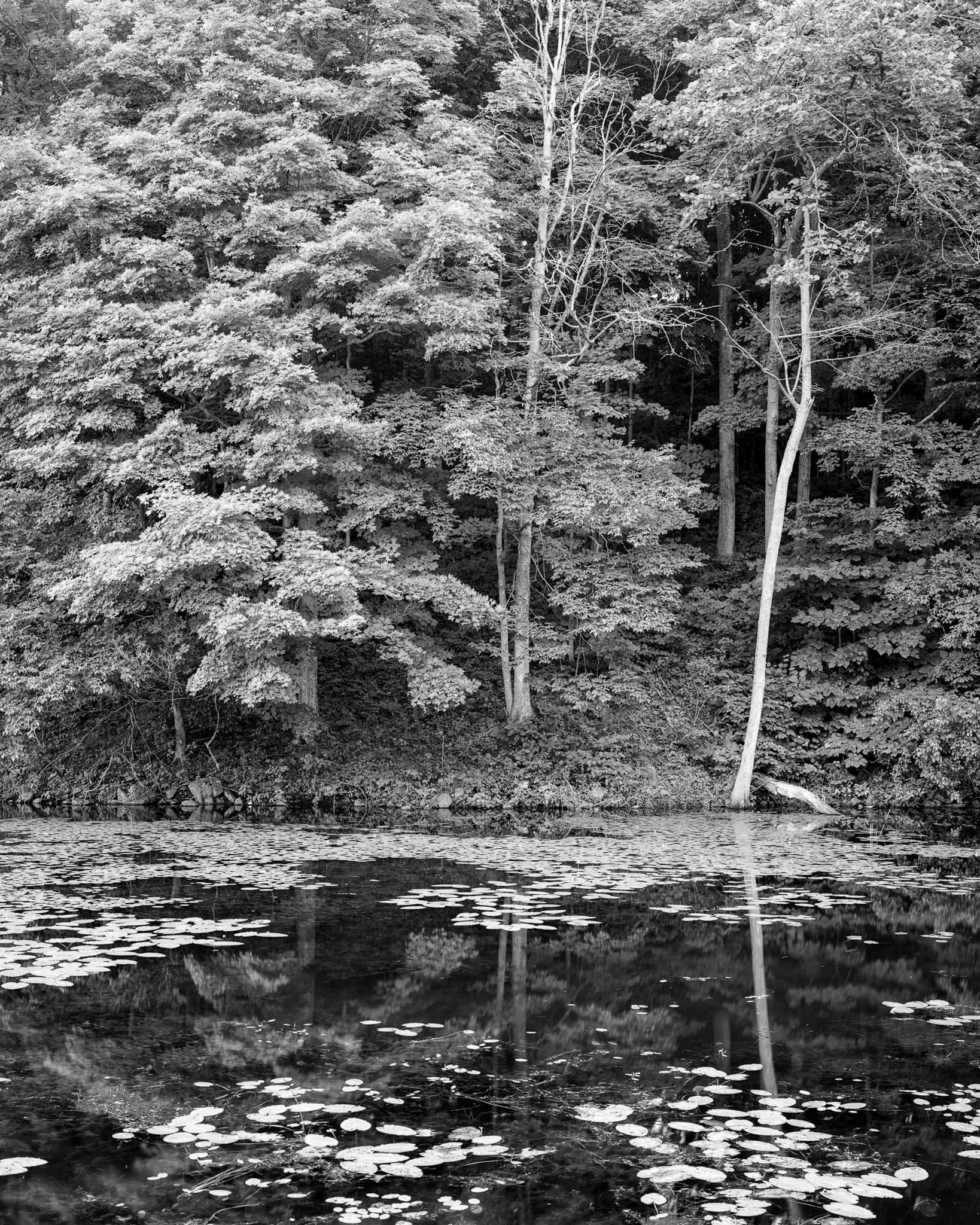
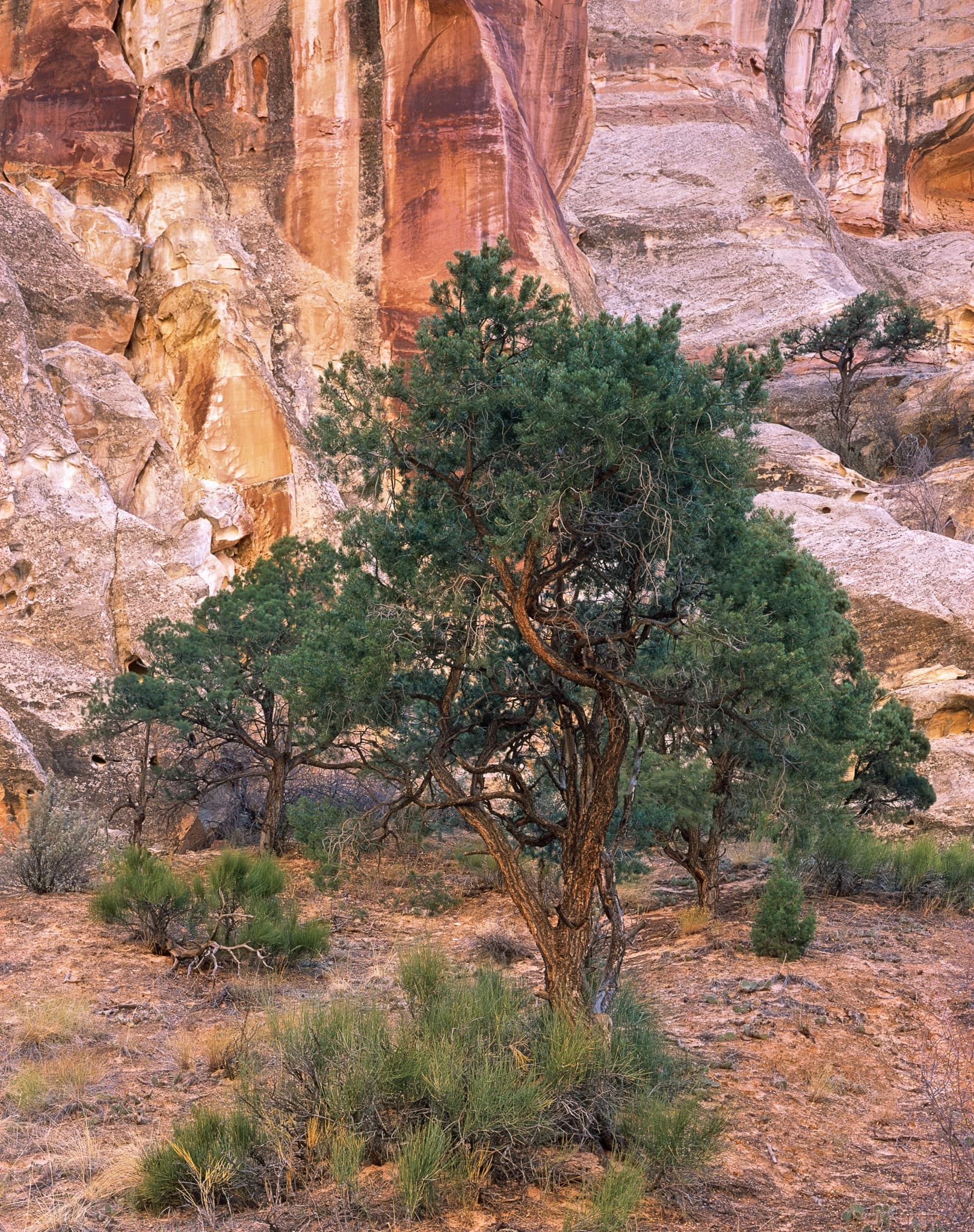

Nature's Details Landscape Photography
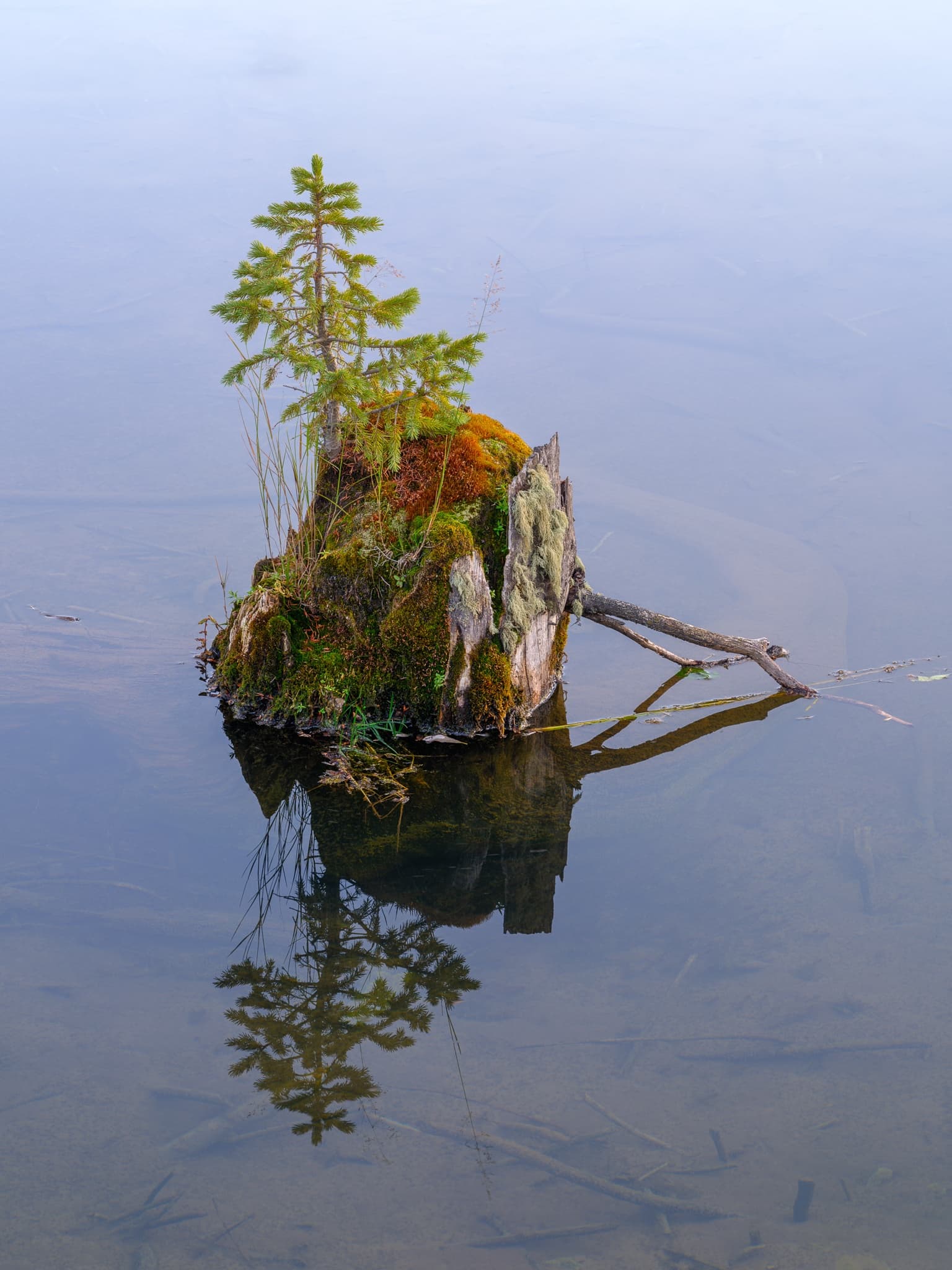
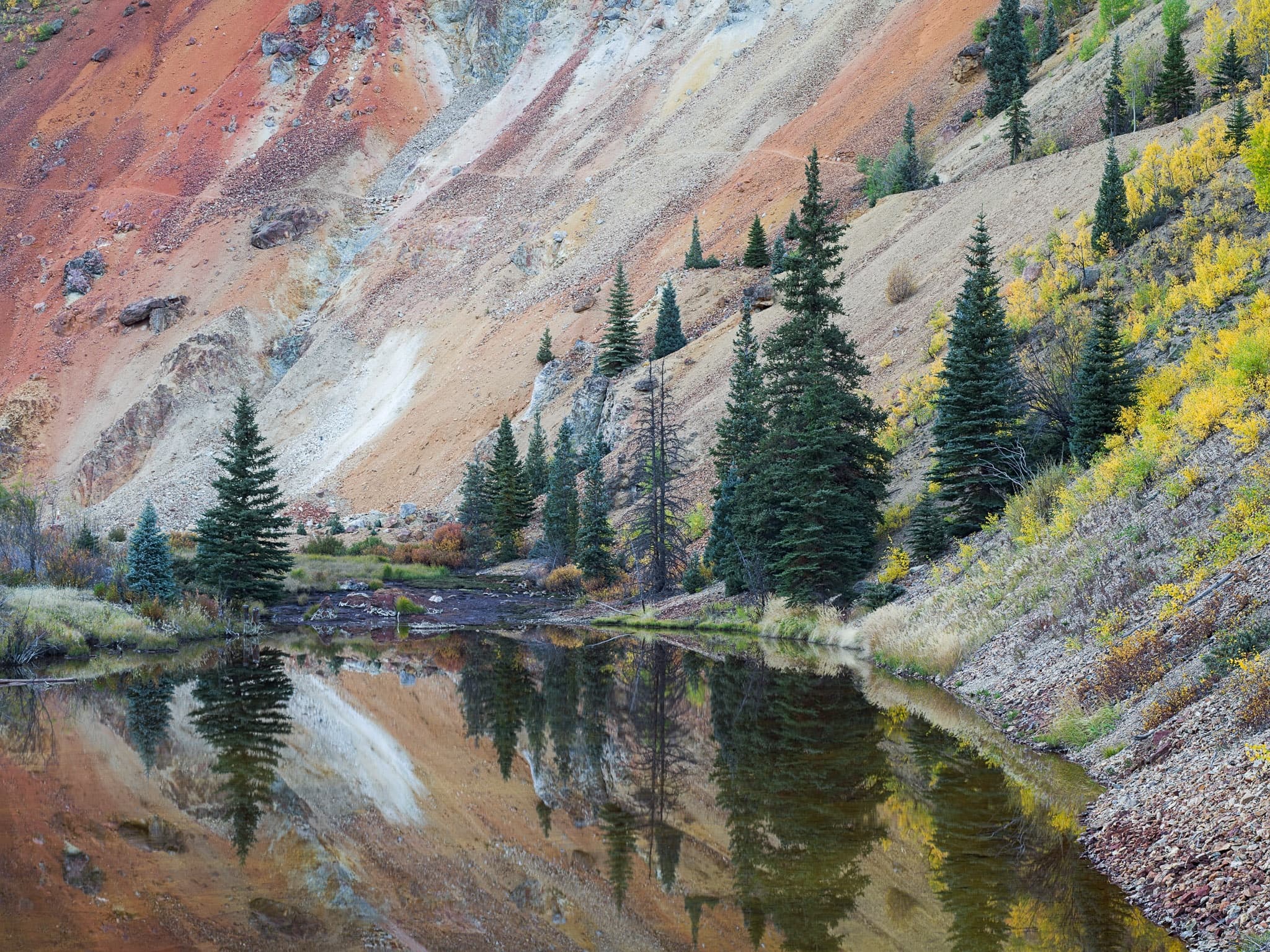
Intimate landscape photography shifts focus from grand vistas to smaller-scale subjects.
What you'll discover:
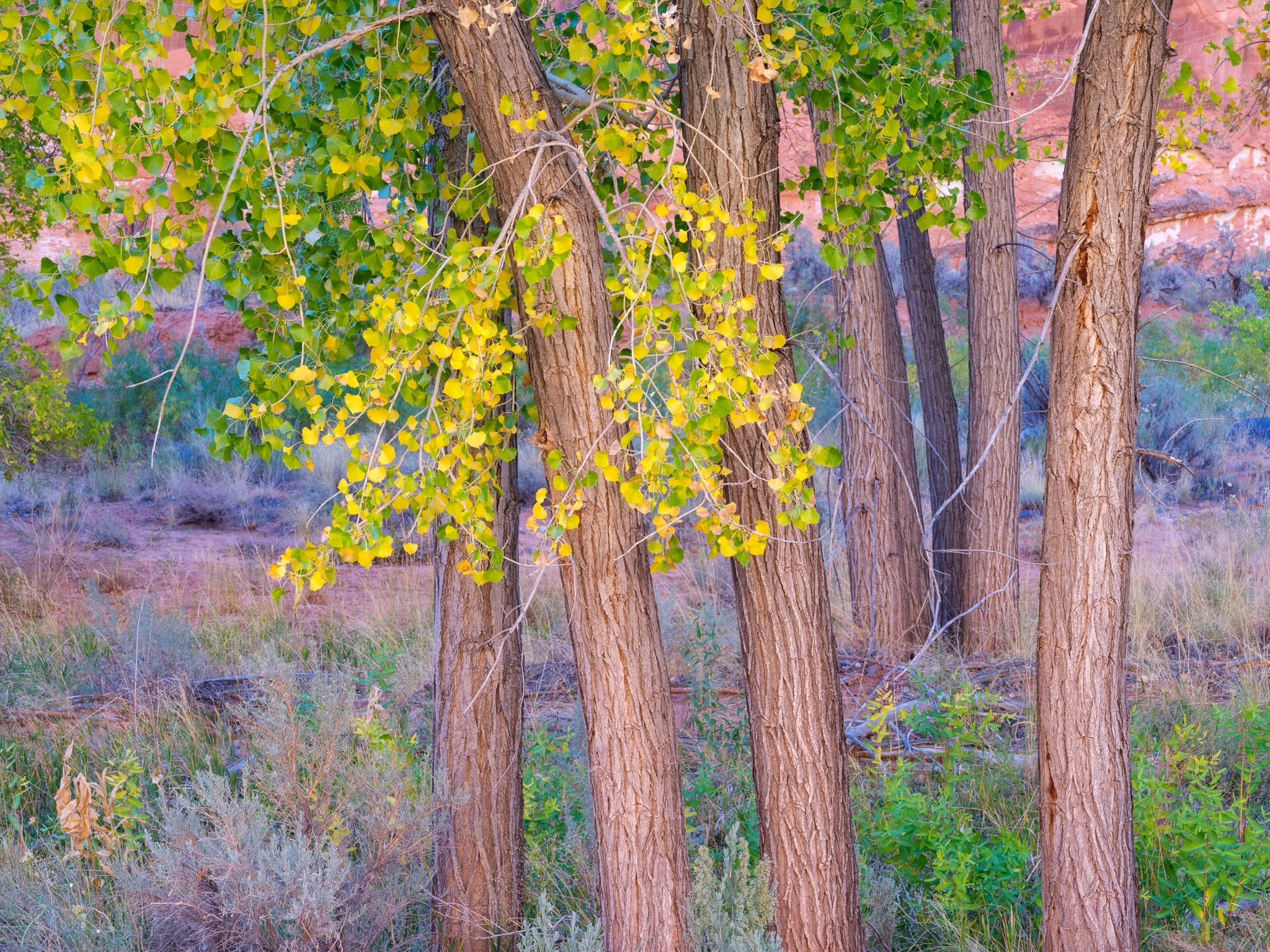
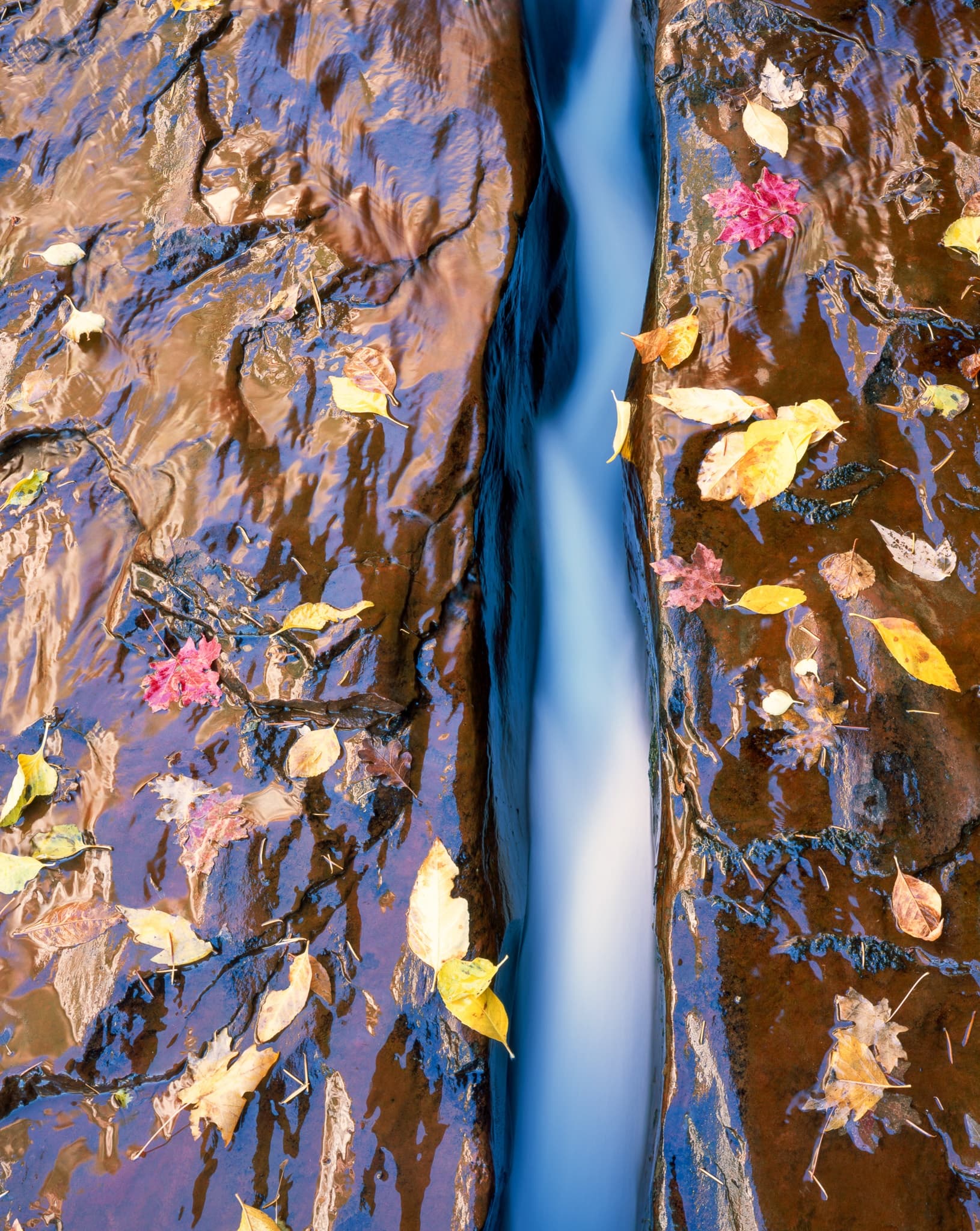
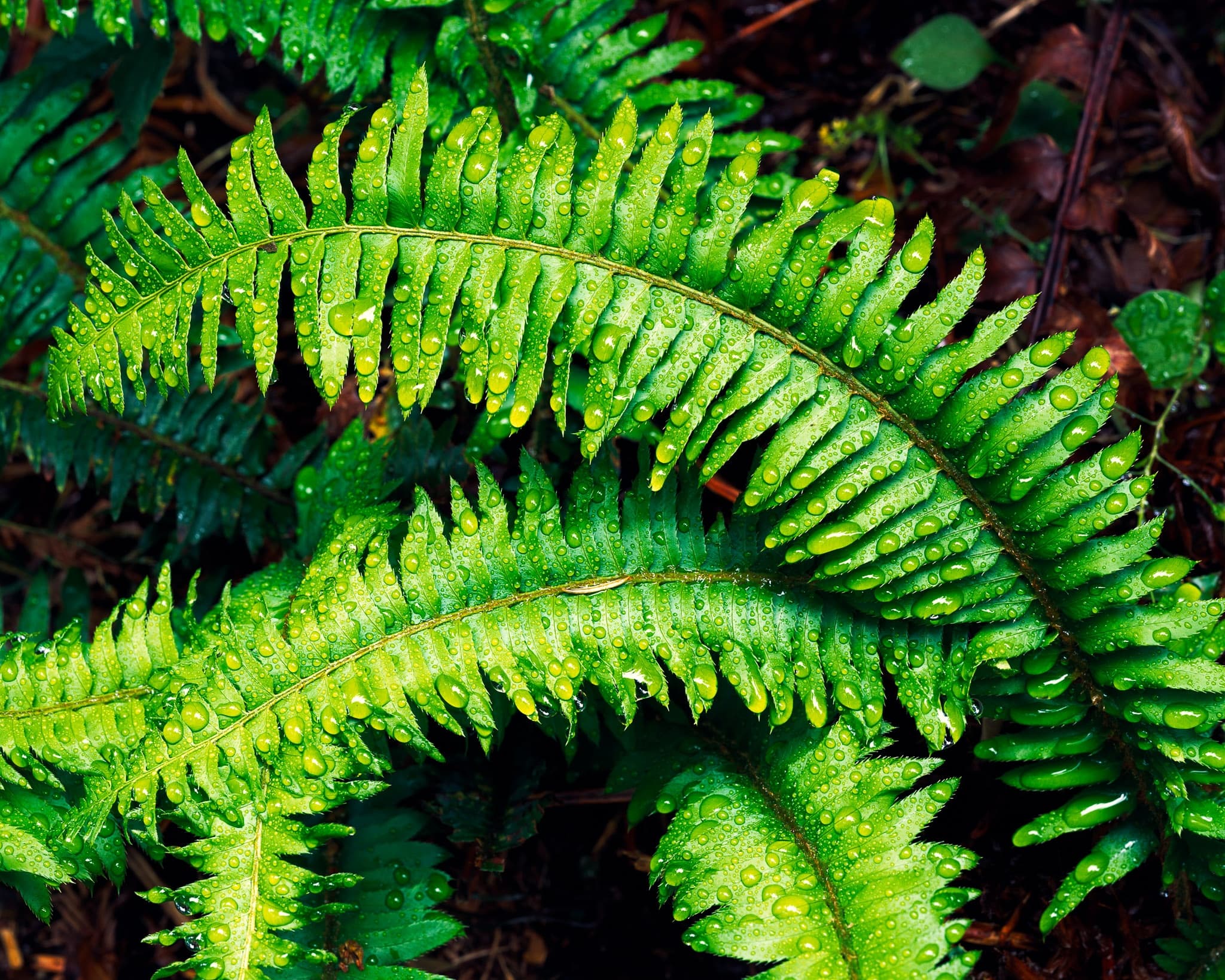
- Bark textures and leaf patterns
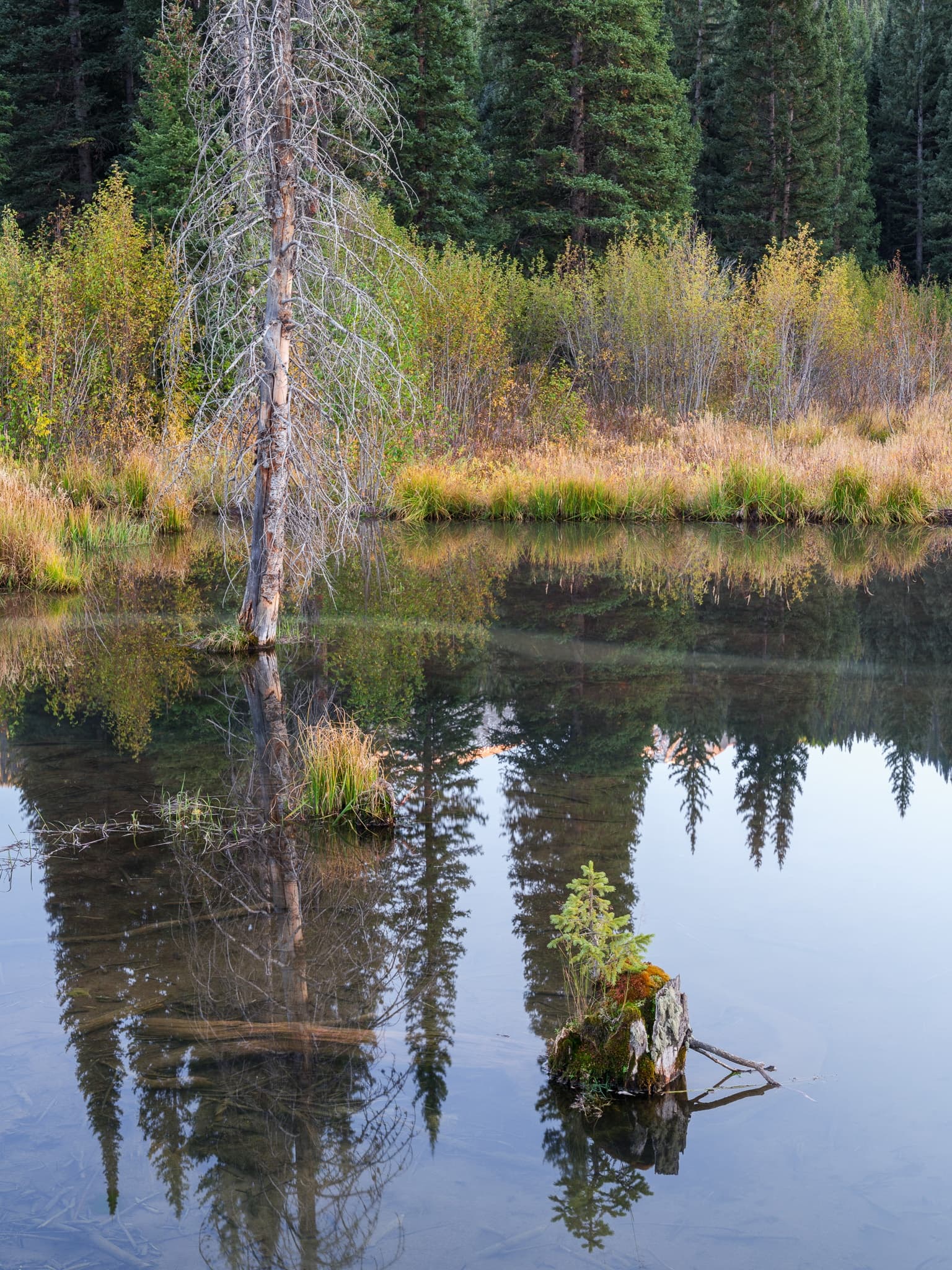
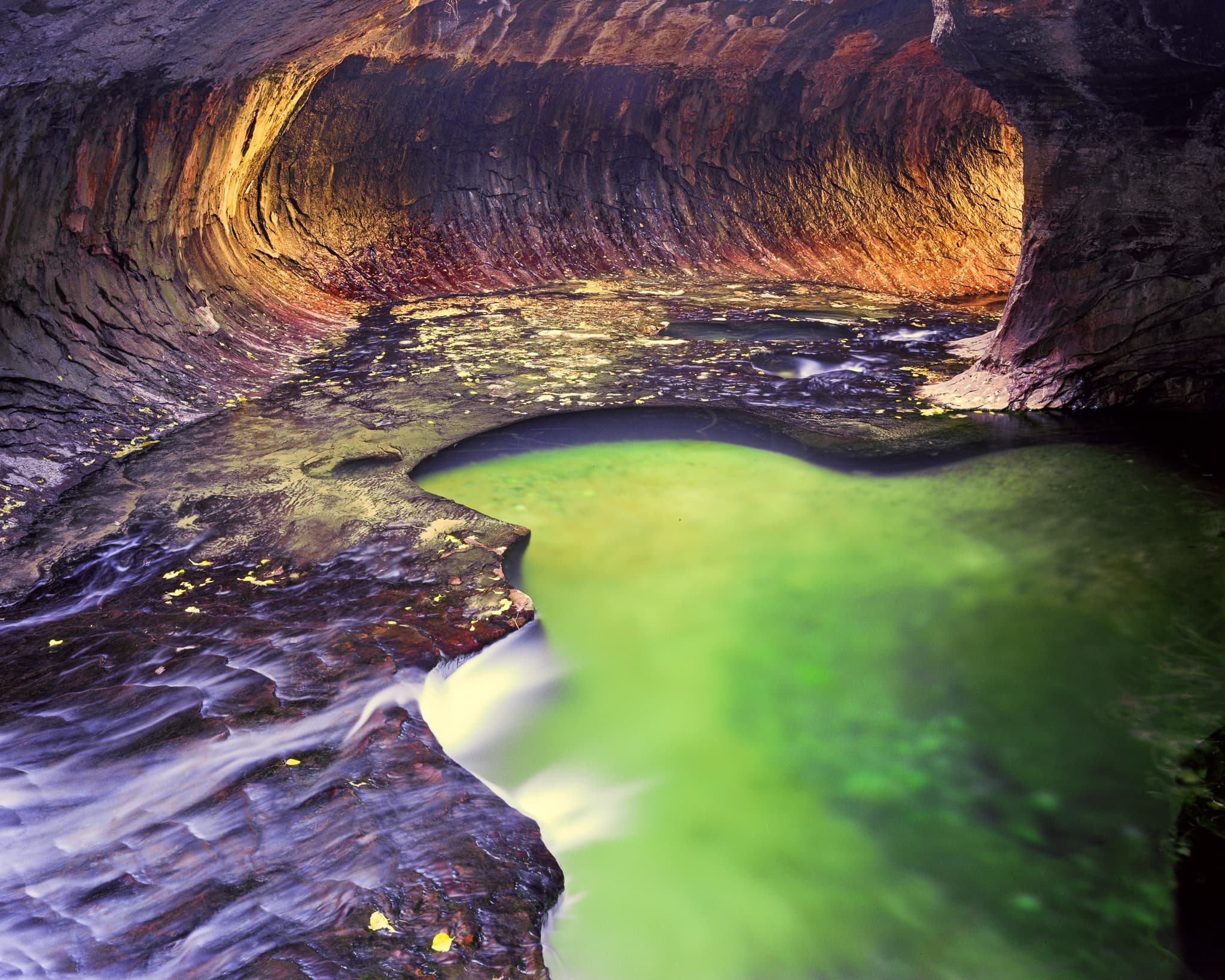
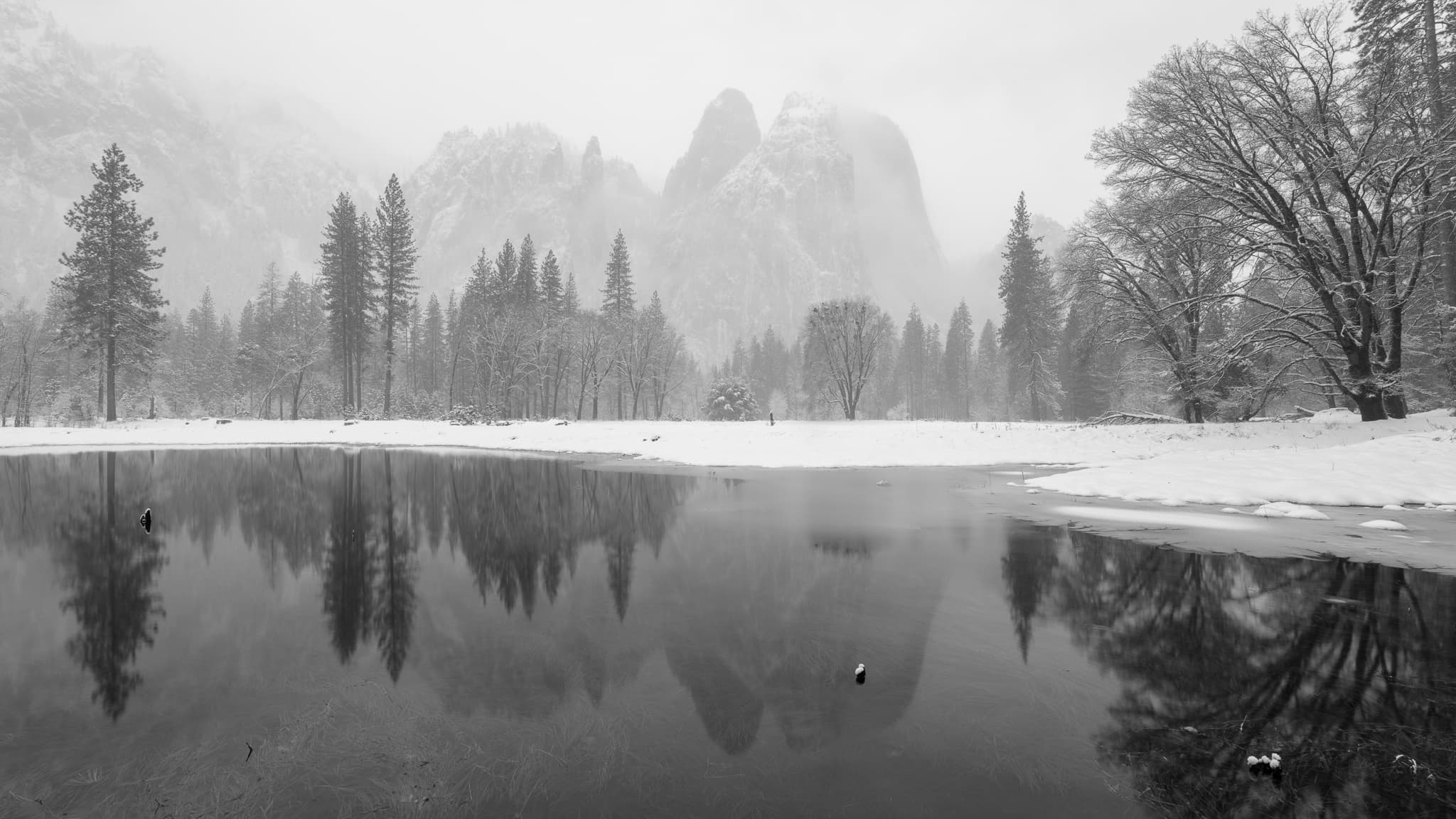
- Water ripples and reflections
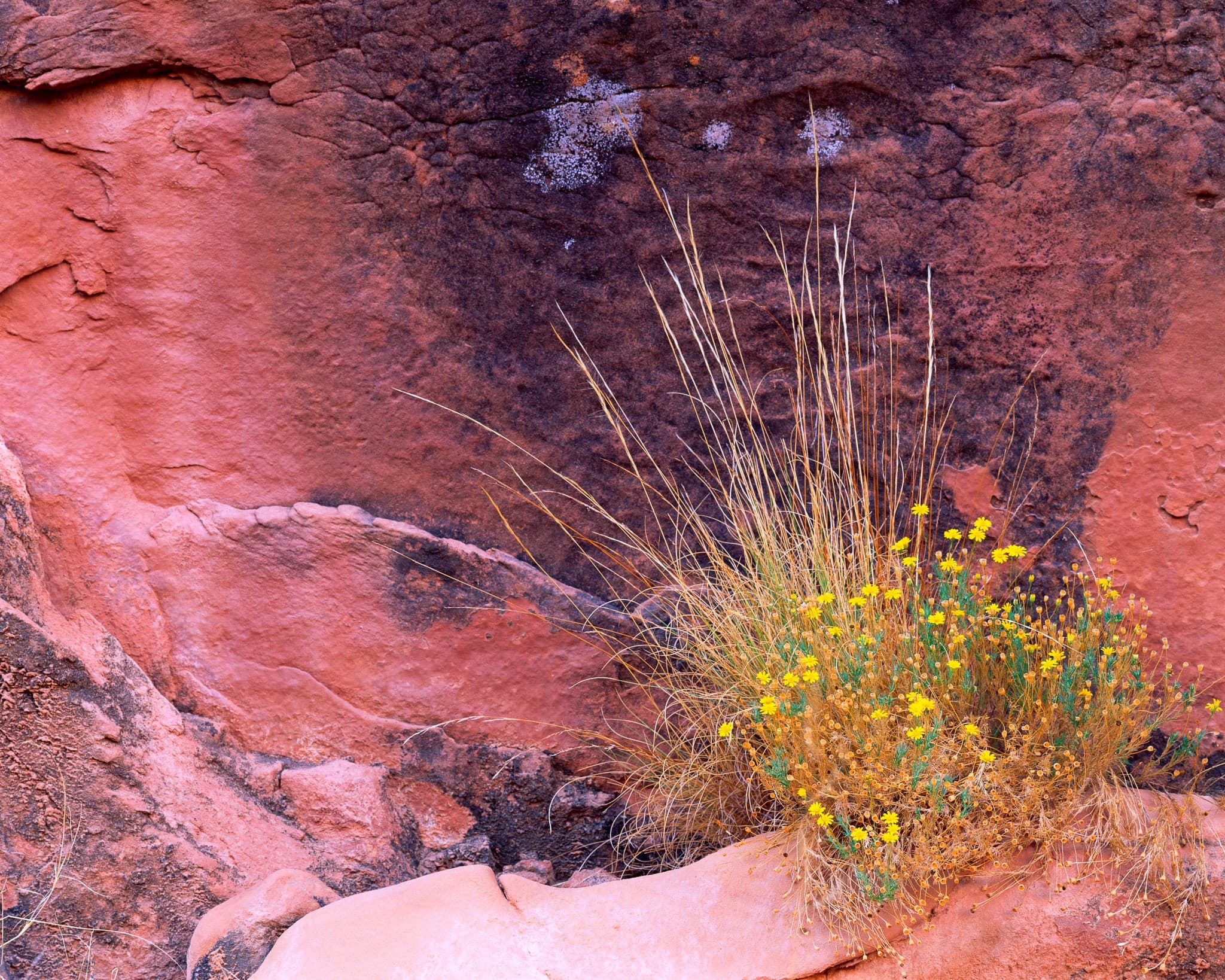
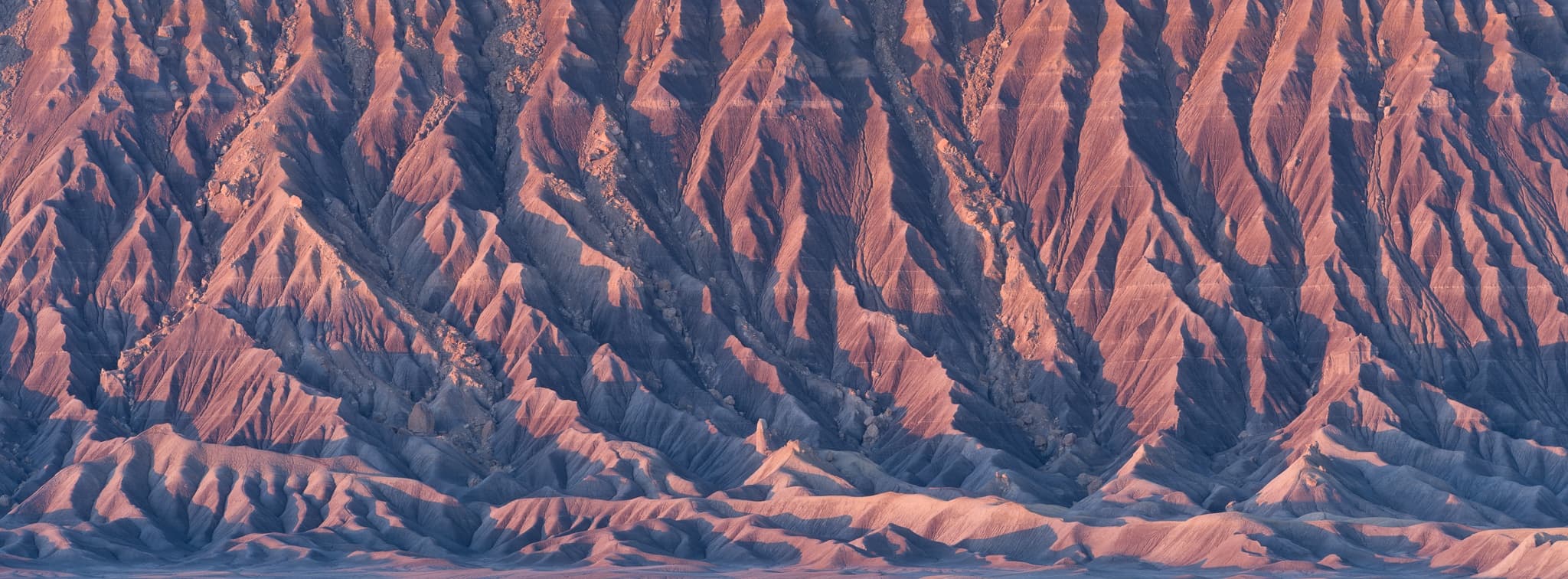
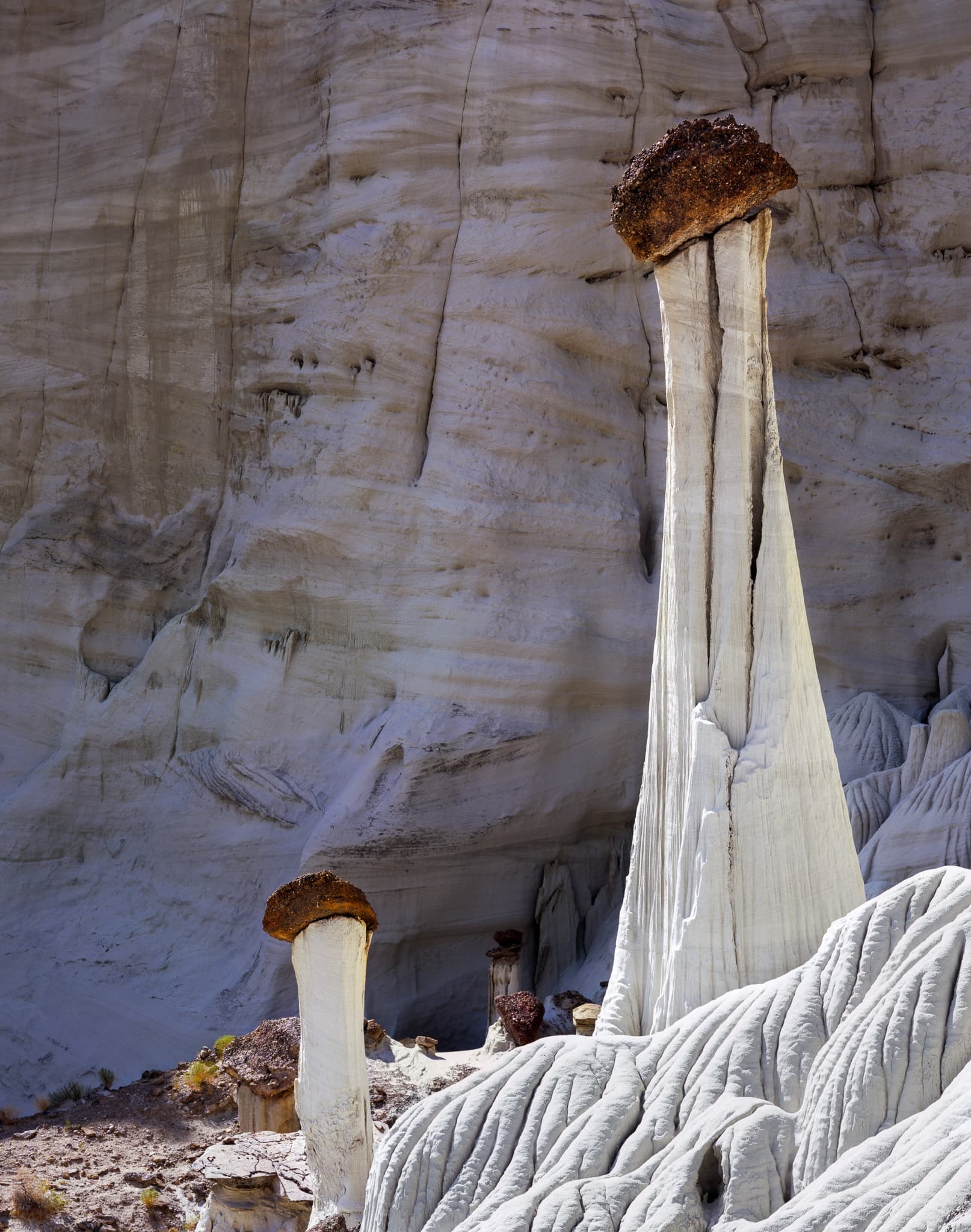
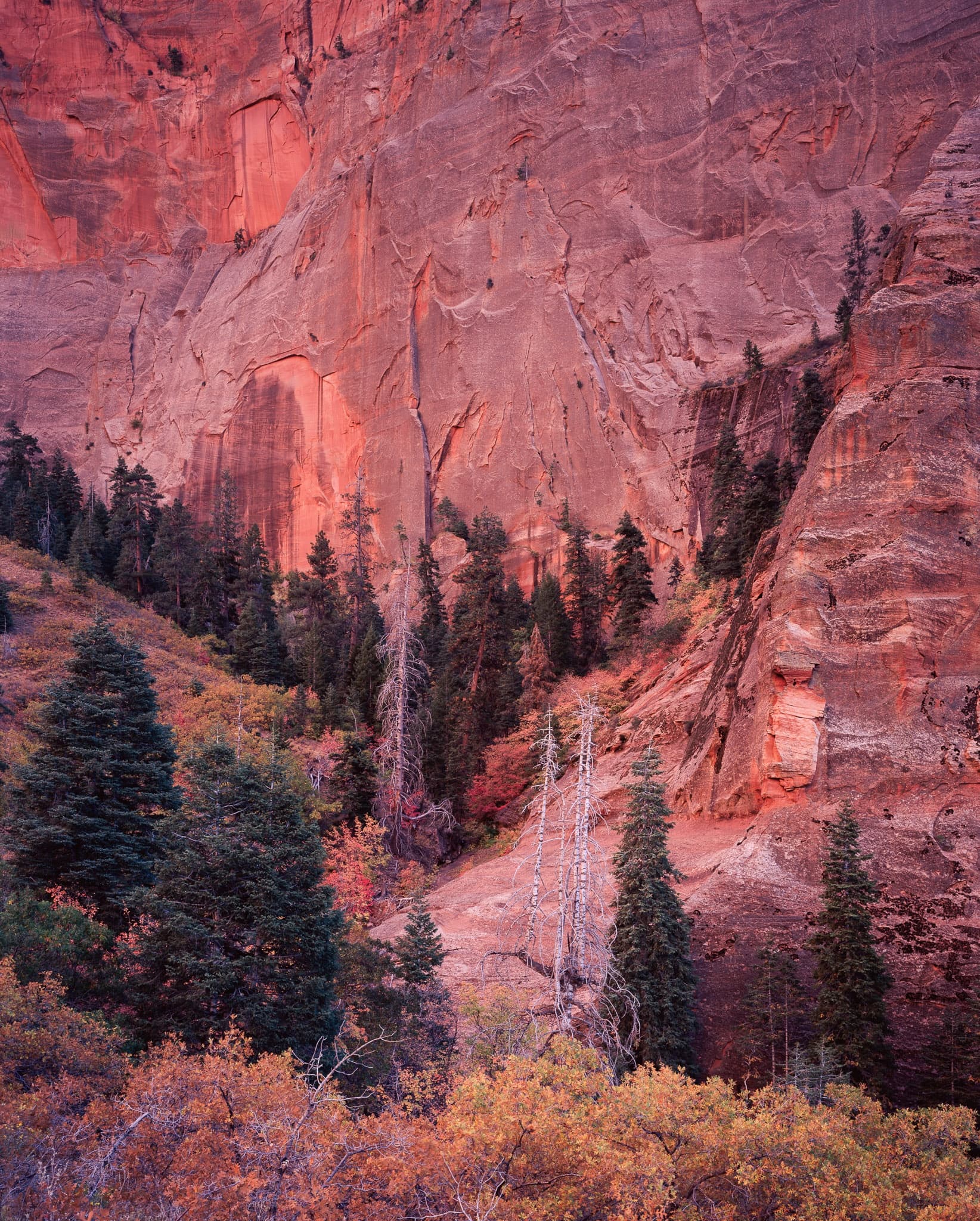
- Rock formations and surfaces
- Elements often overlooked in panoramas
Large format photography resolves fine details with exceptional clarity. The methodical process encourages careful observation essential for recognizing compelling details.
Natural Patterns & Textures
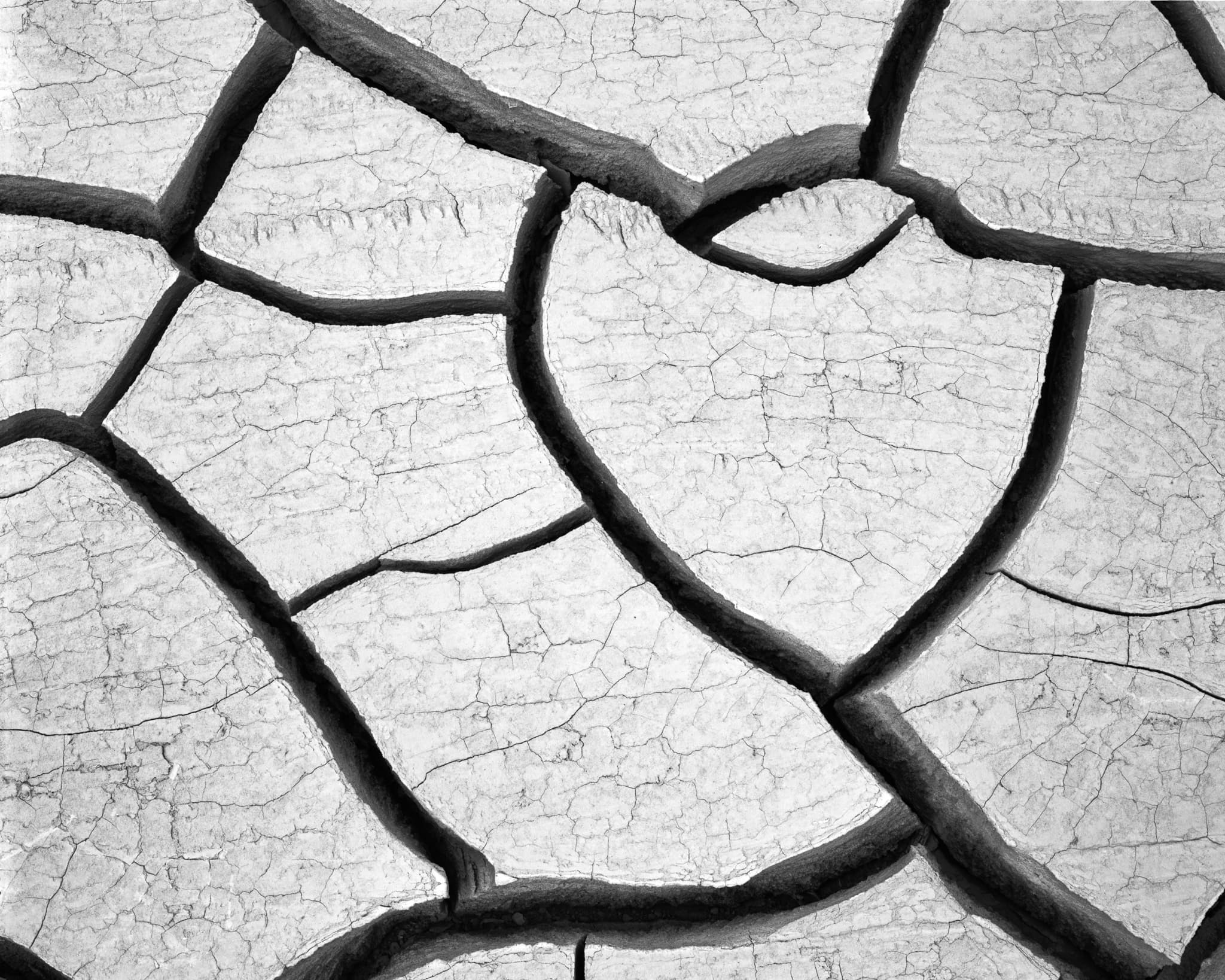
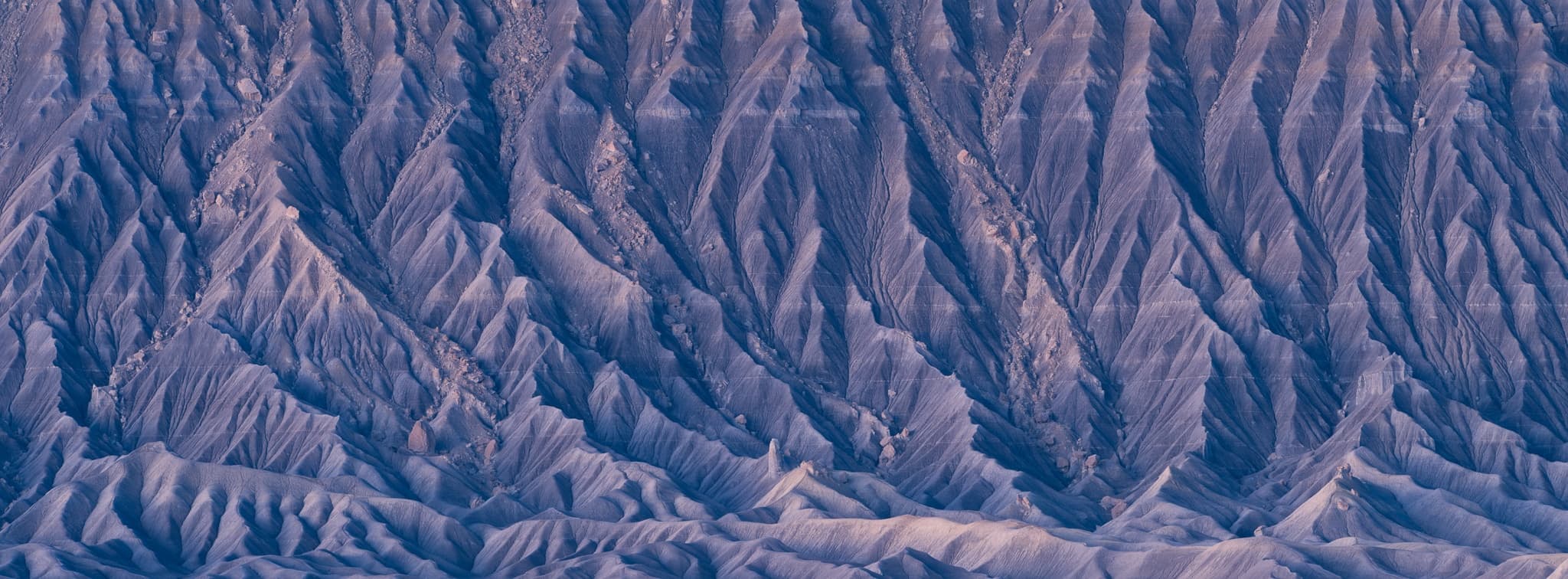
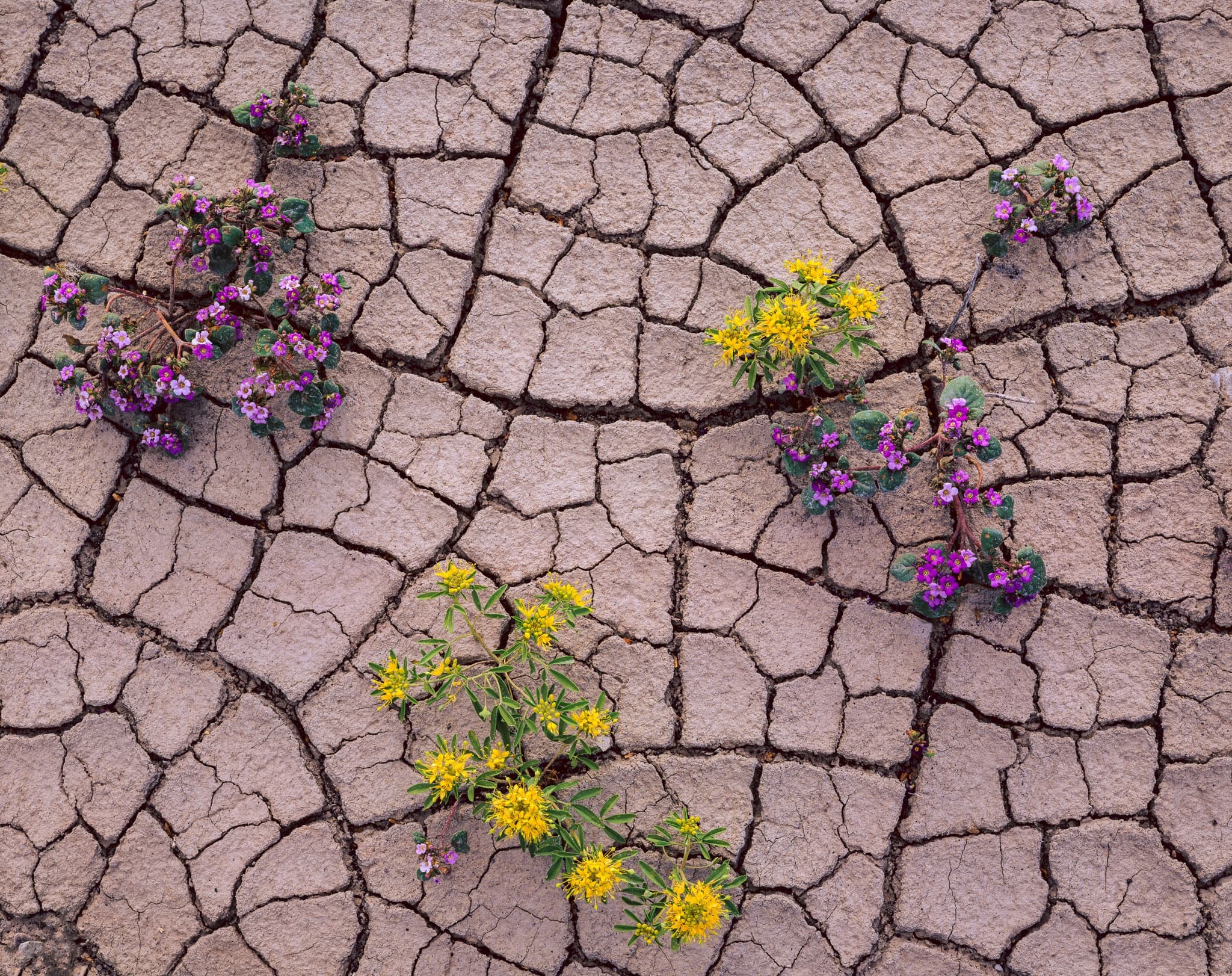
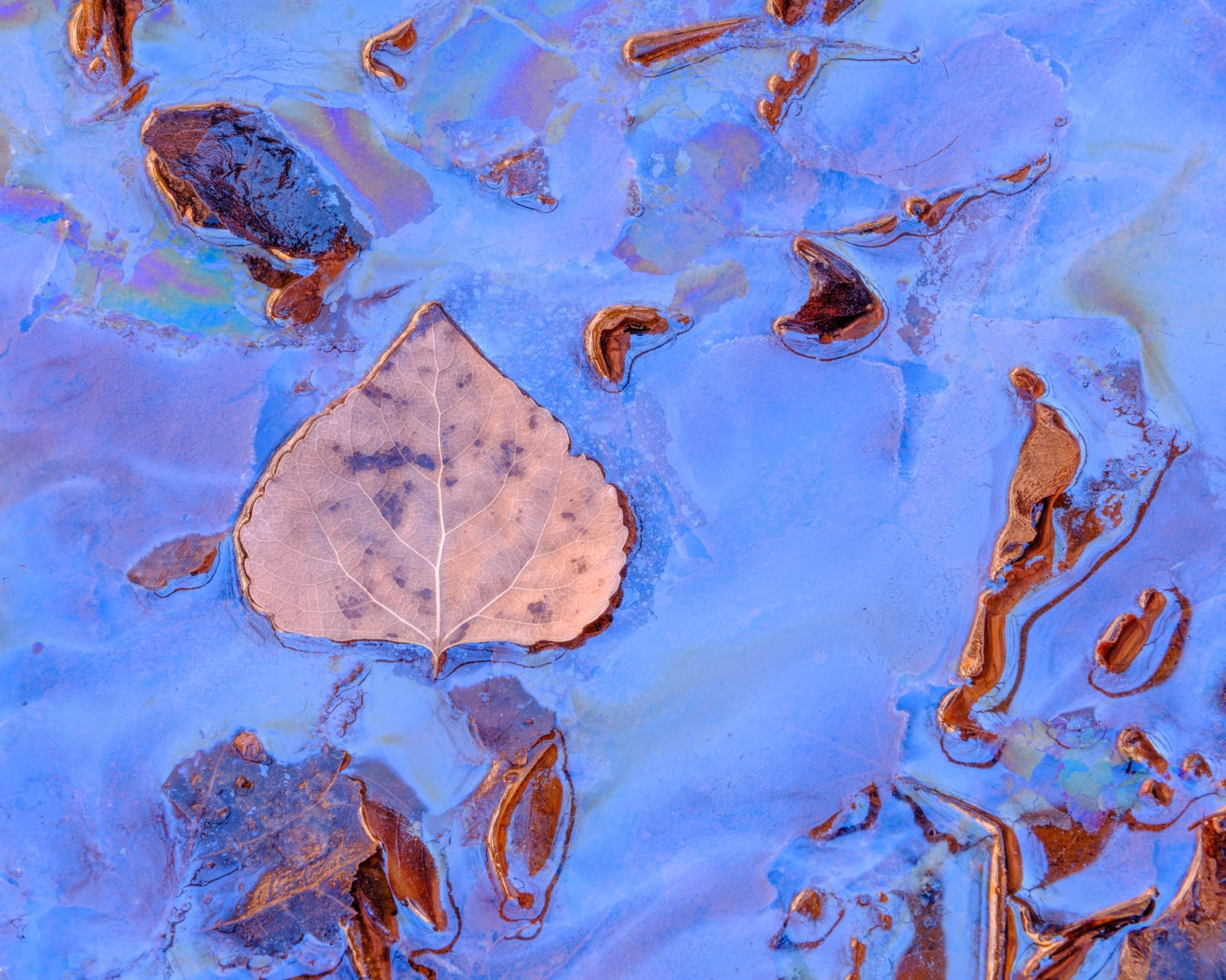
Nature creates patterns at every scale.
Pattern subjects include:
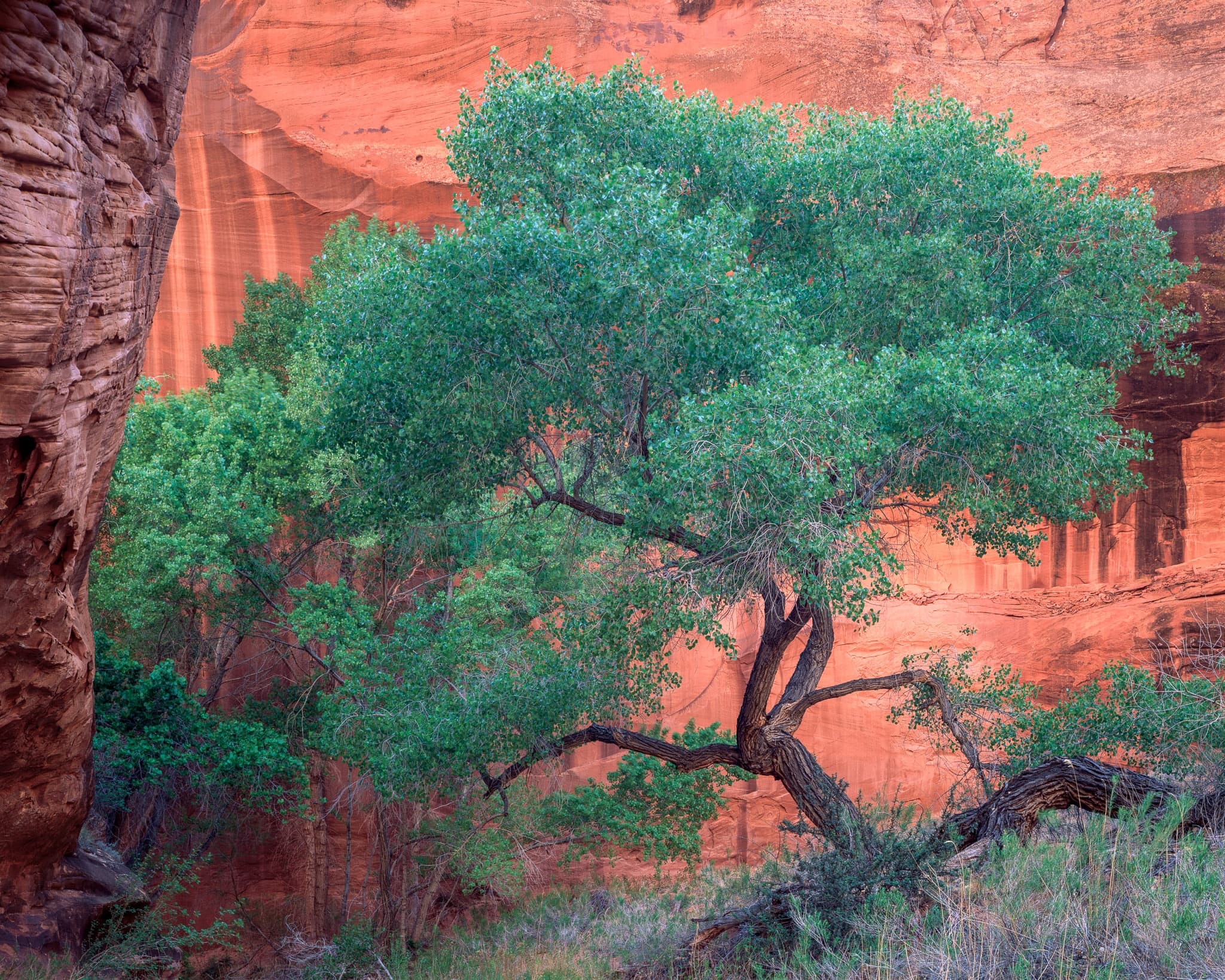
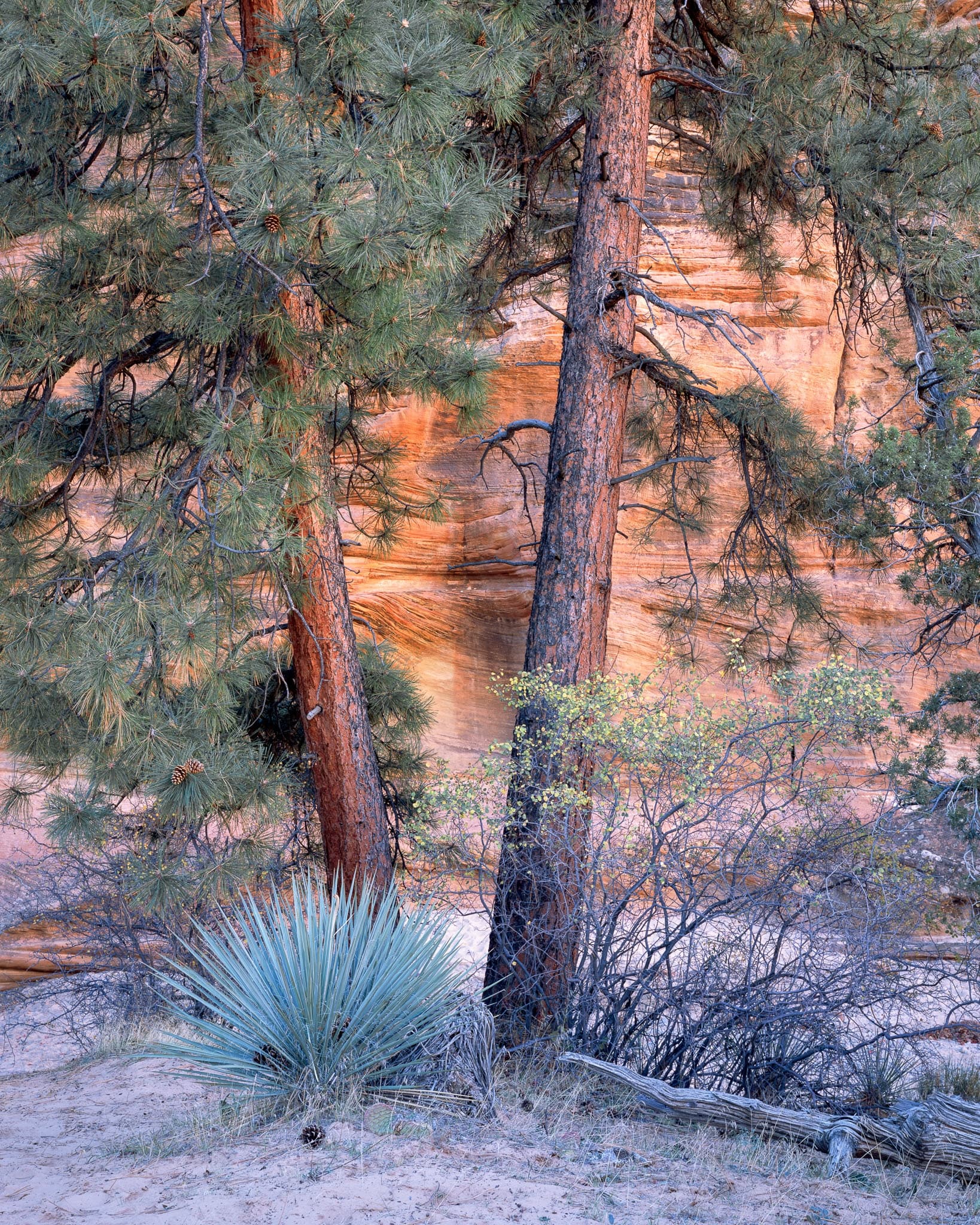
- Tree bark fissures
- Leaf veins
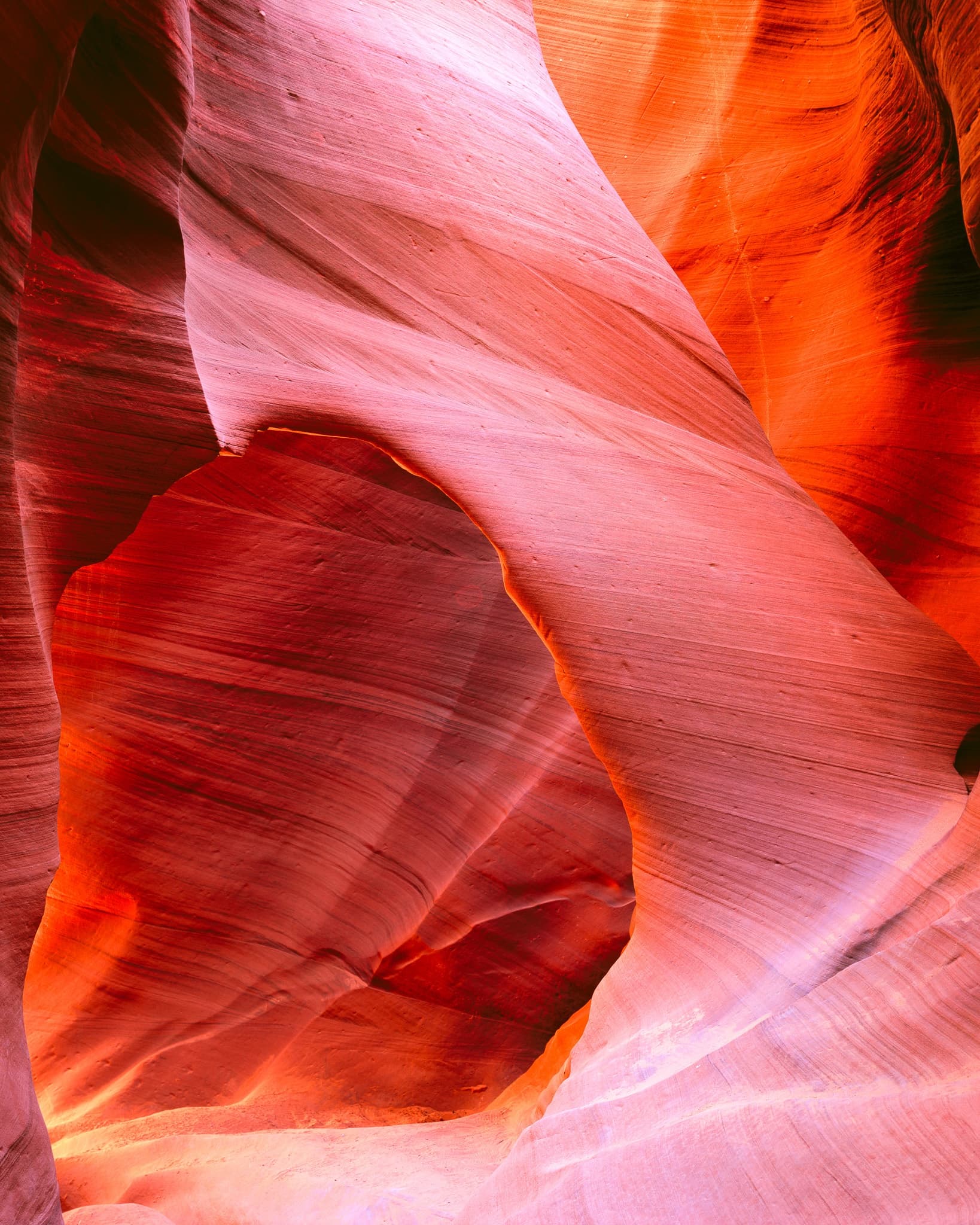
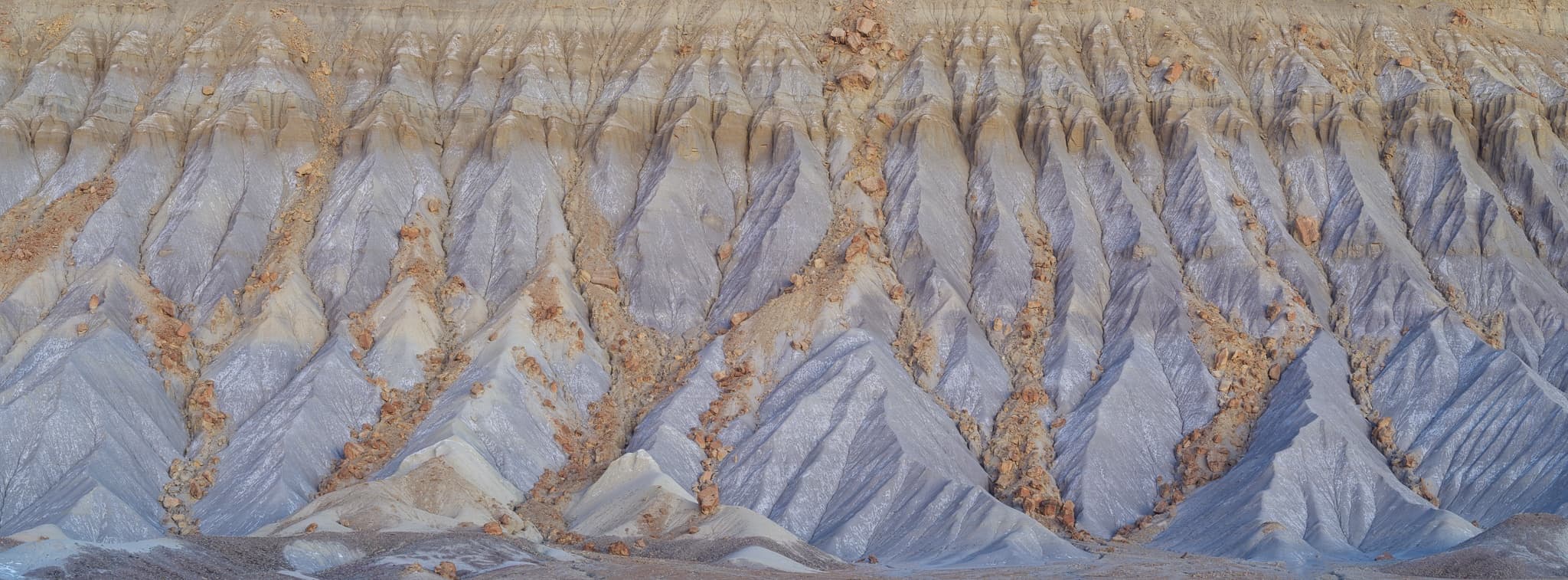
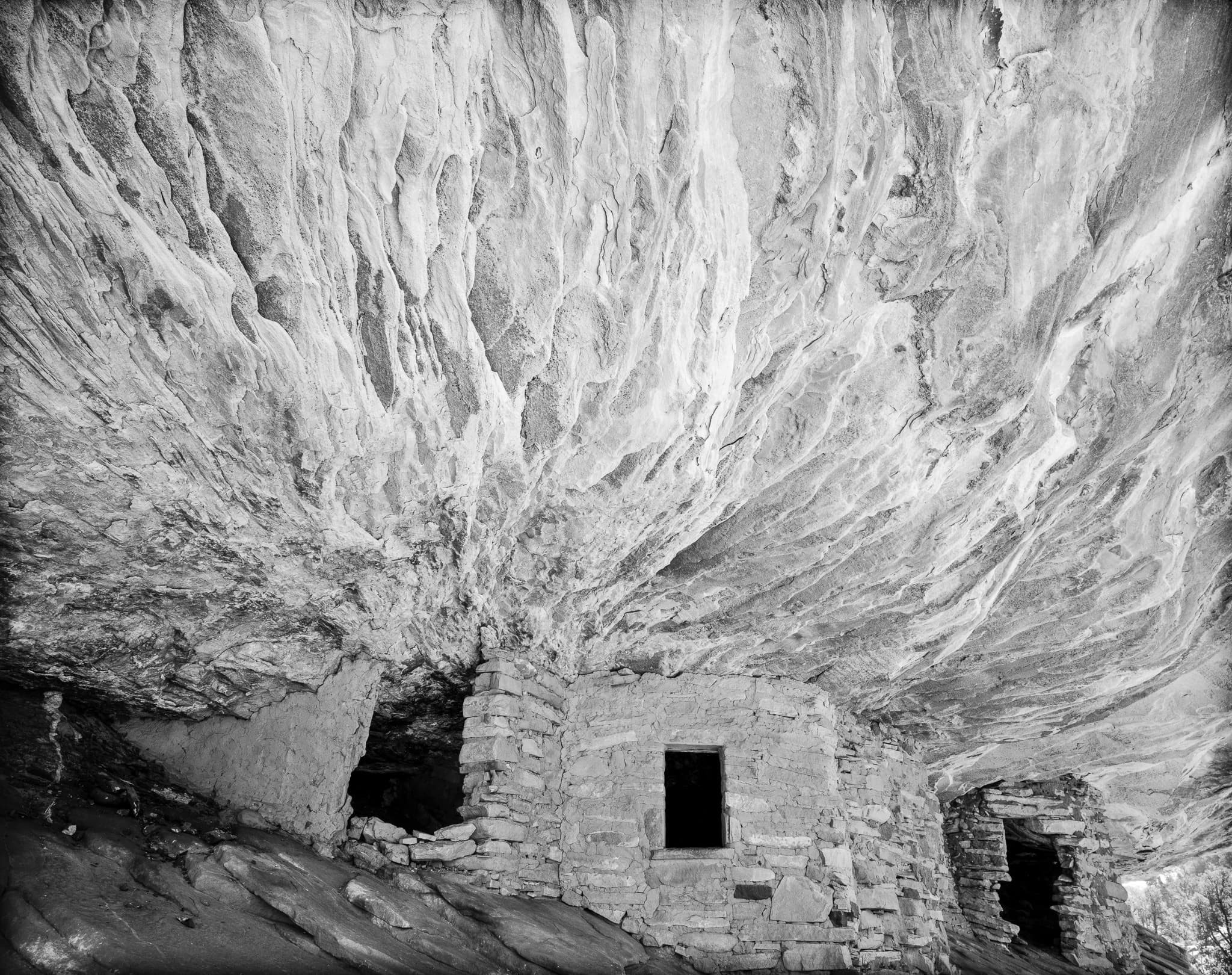
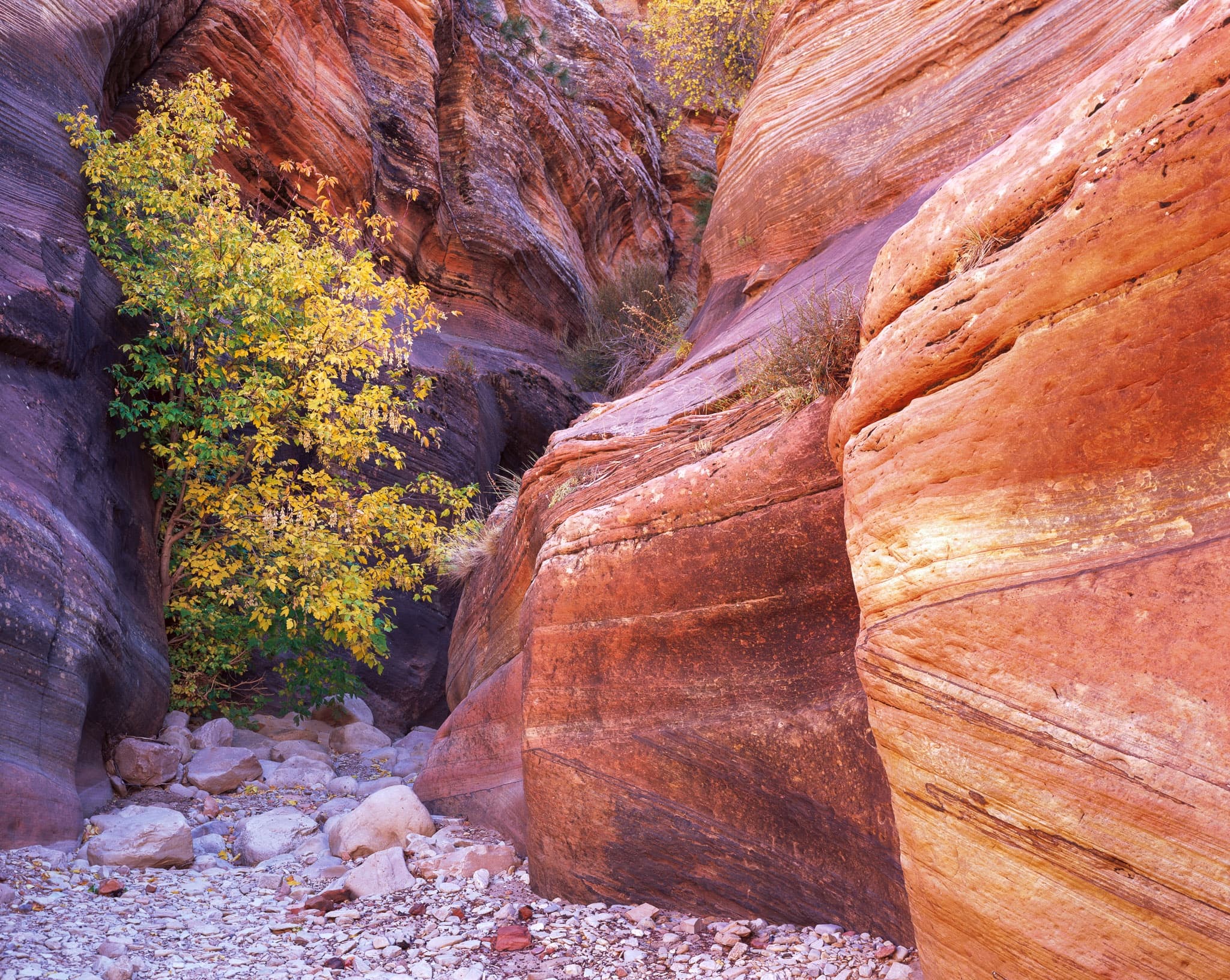
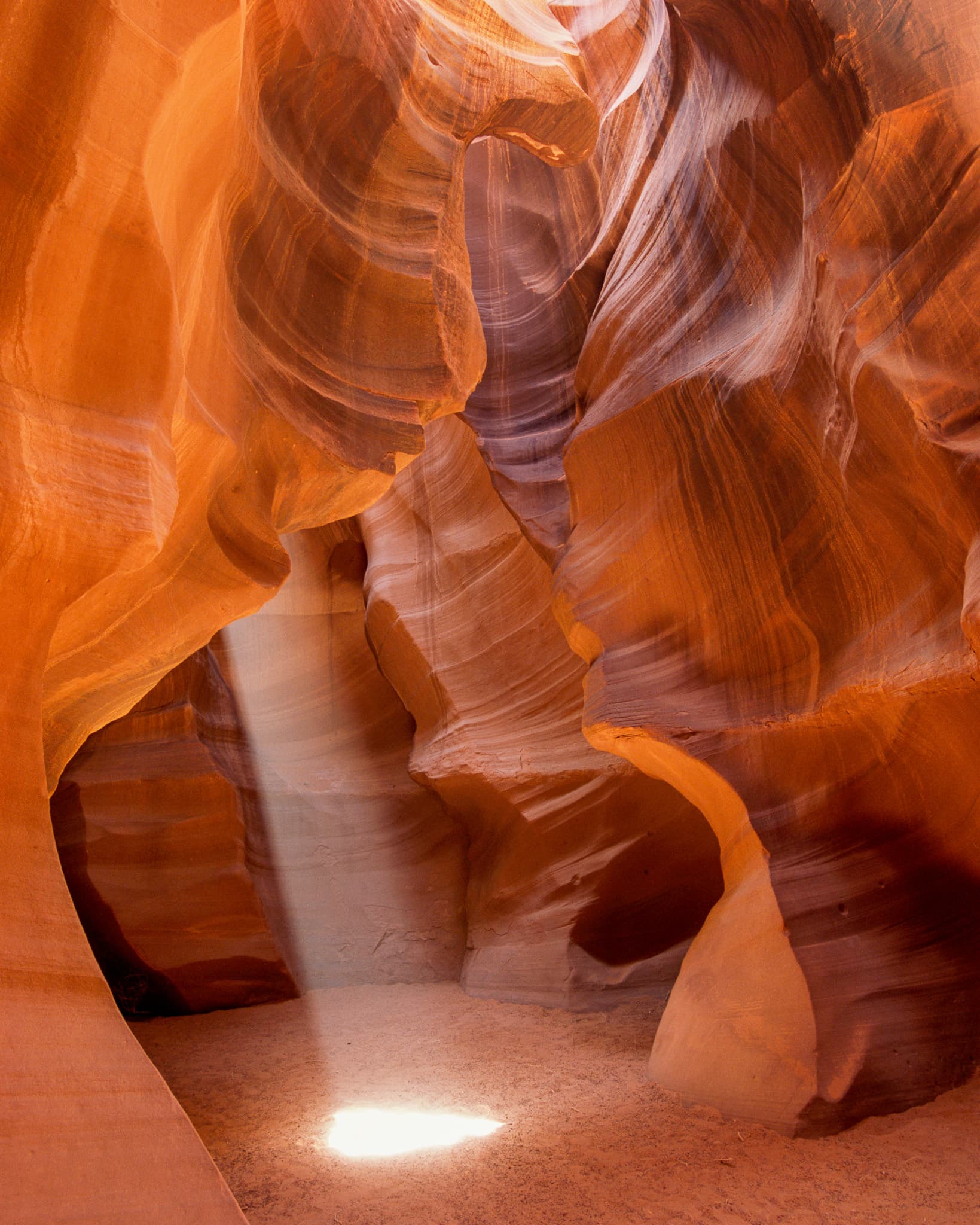
- Rock strata
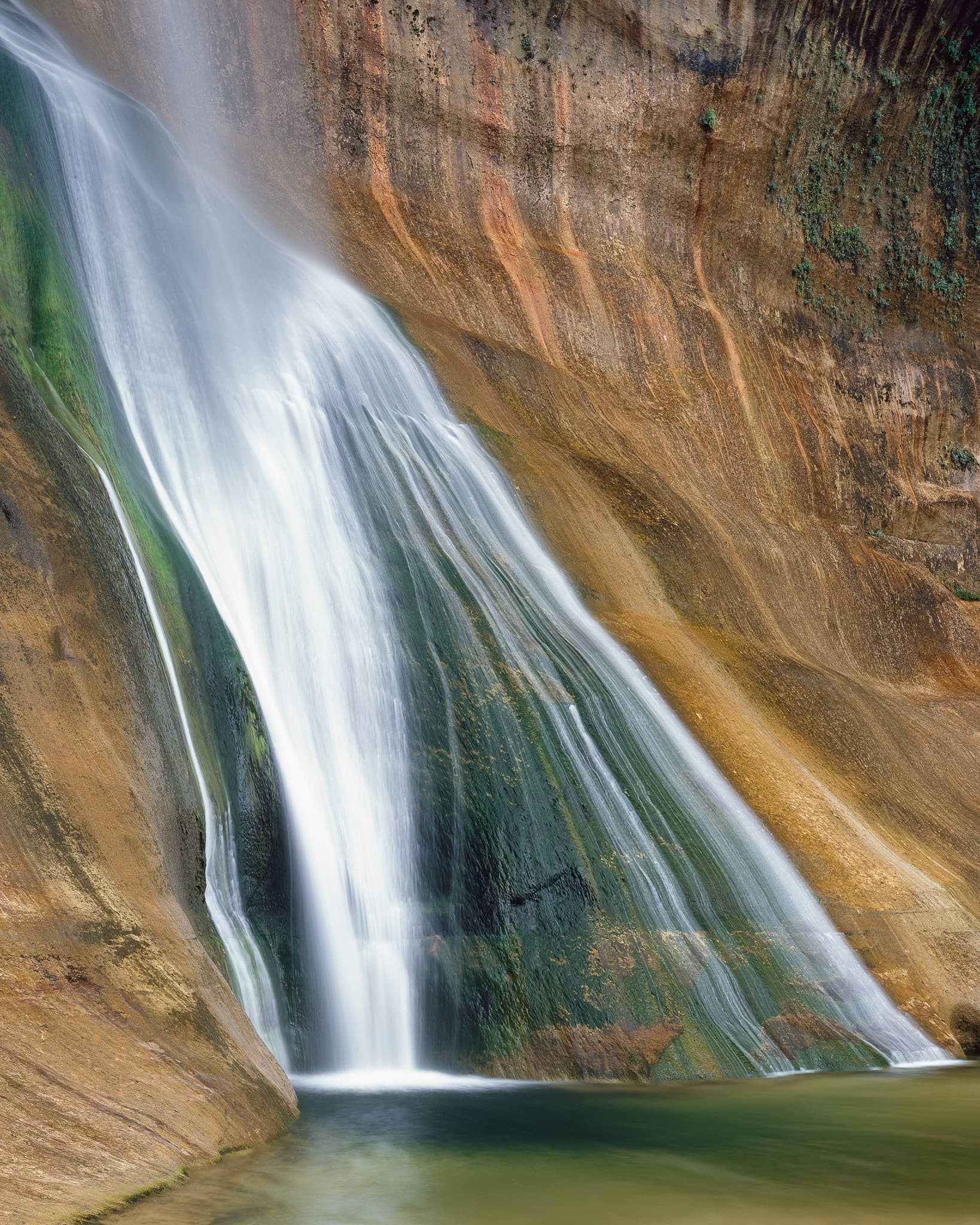
- Water ripples
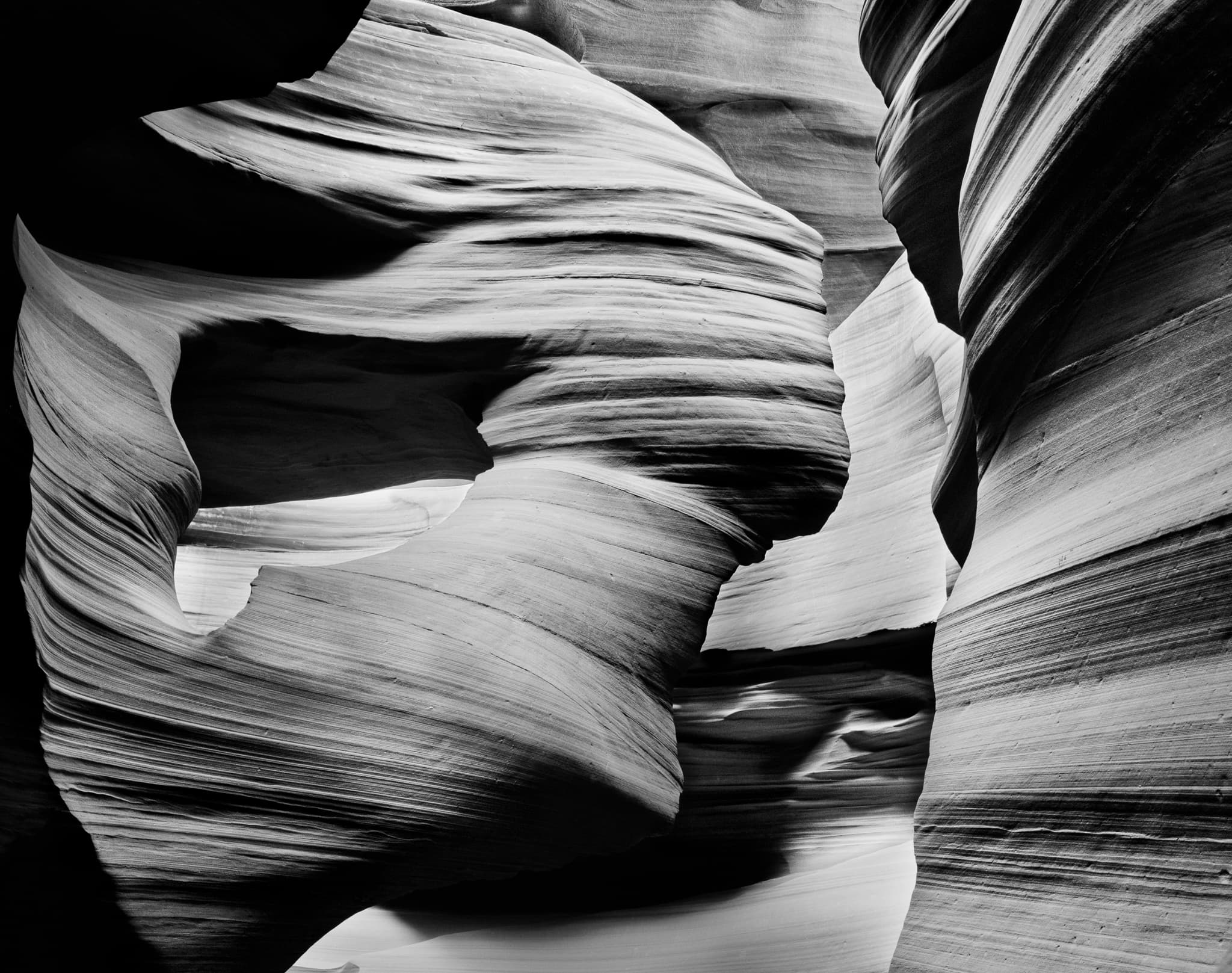
Side lighting often works best, creating shadows that emphasize three-dimensional texture and surface variation.
Intimate Compositions
Intimate photography demands different compositional approaches.
Key principles:
- Simplify—eliminate distracting elements
- Background selection is crucial
- Use depth of field to isolate subjects
- Watch edges to prevent intrusive elements
Light and Shadow in Detail Work
Lighting transforms intimate subjects more dramatically than grand landscapes.
Lighting approaches:
- Sidelight—reveals texture in bark, stone, foliage
- Backlighting—creates luminous effects in leaves and petals
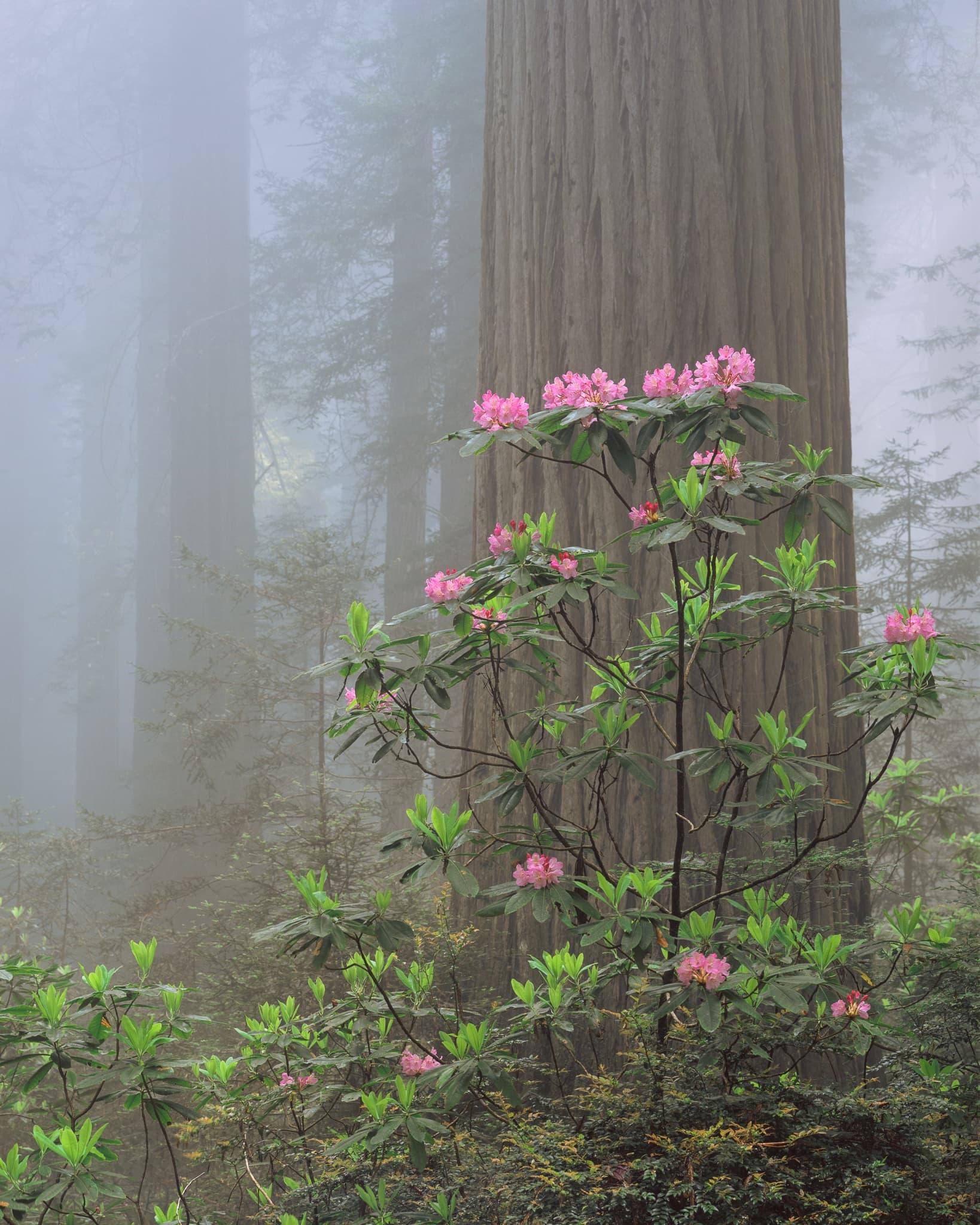
- Overcast—even illumination for subtle color variations
- Morning dew—adds reflective qualities
Finding Detail Subjects in Nature
Compelling subjects exist everywhere once you develop sensitivity.
Where to look:
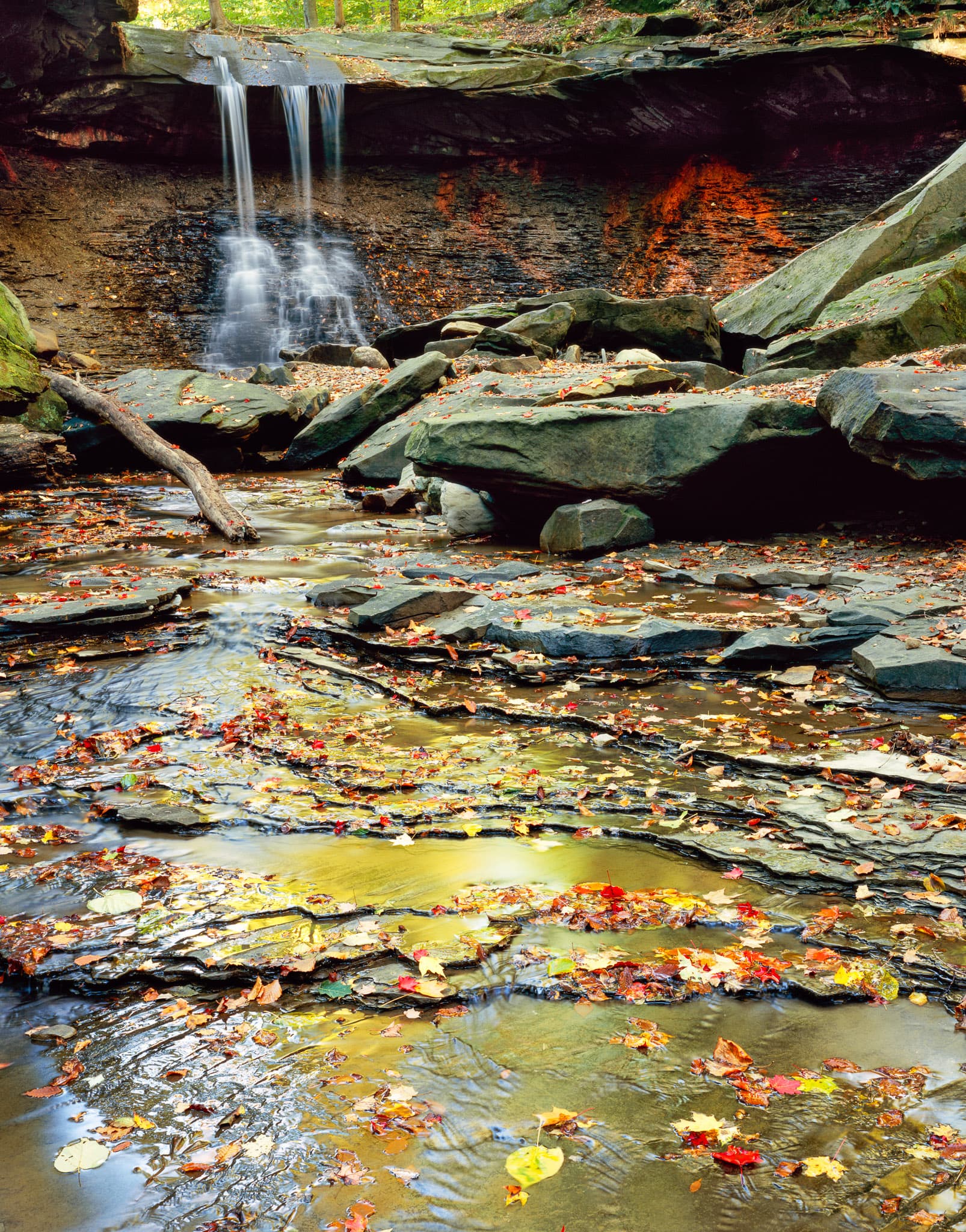
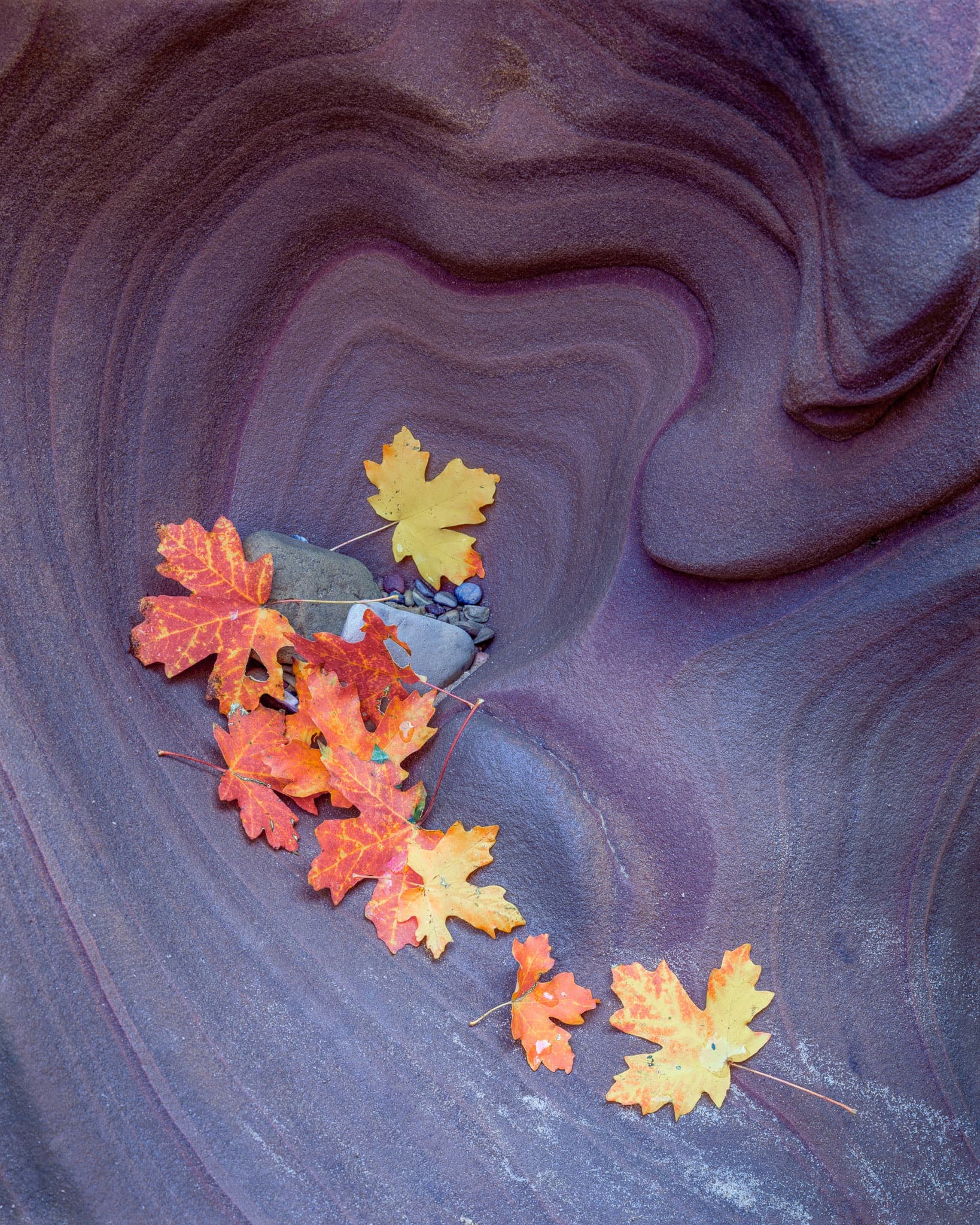
- Forest floors—fallen leaves, fungal growths, moss patterns
- Rock surfaces—lichen colonies, mineral inclusions, weathering
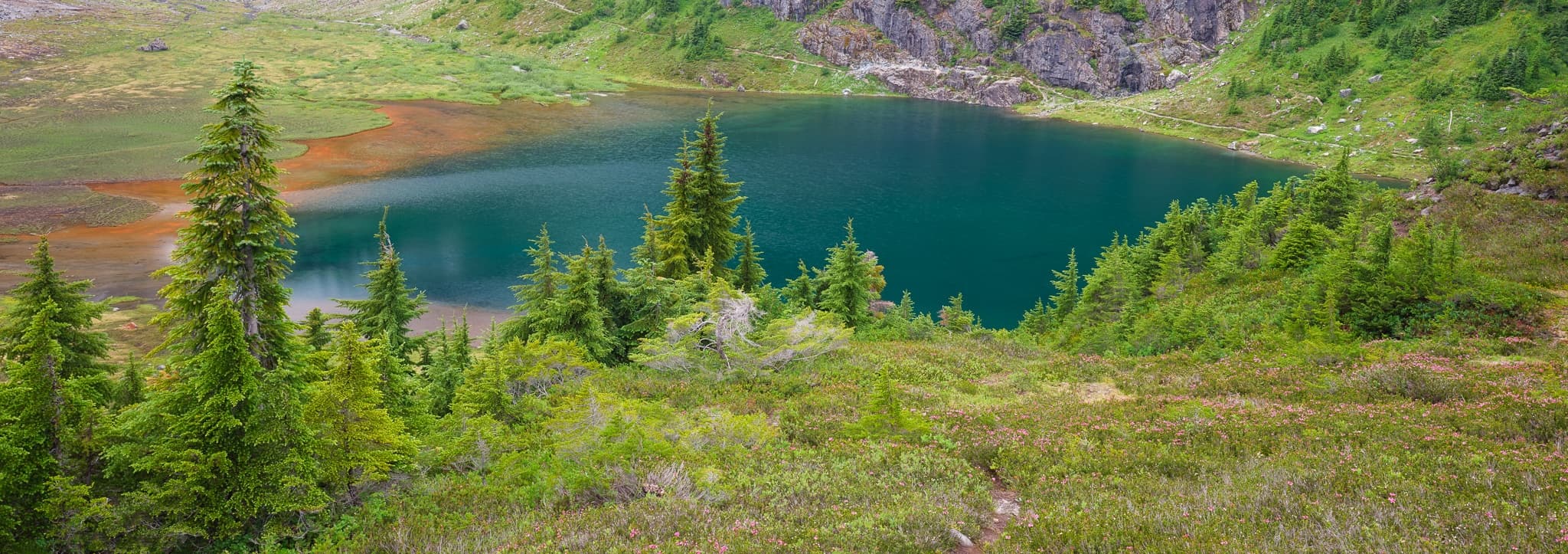
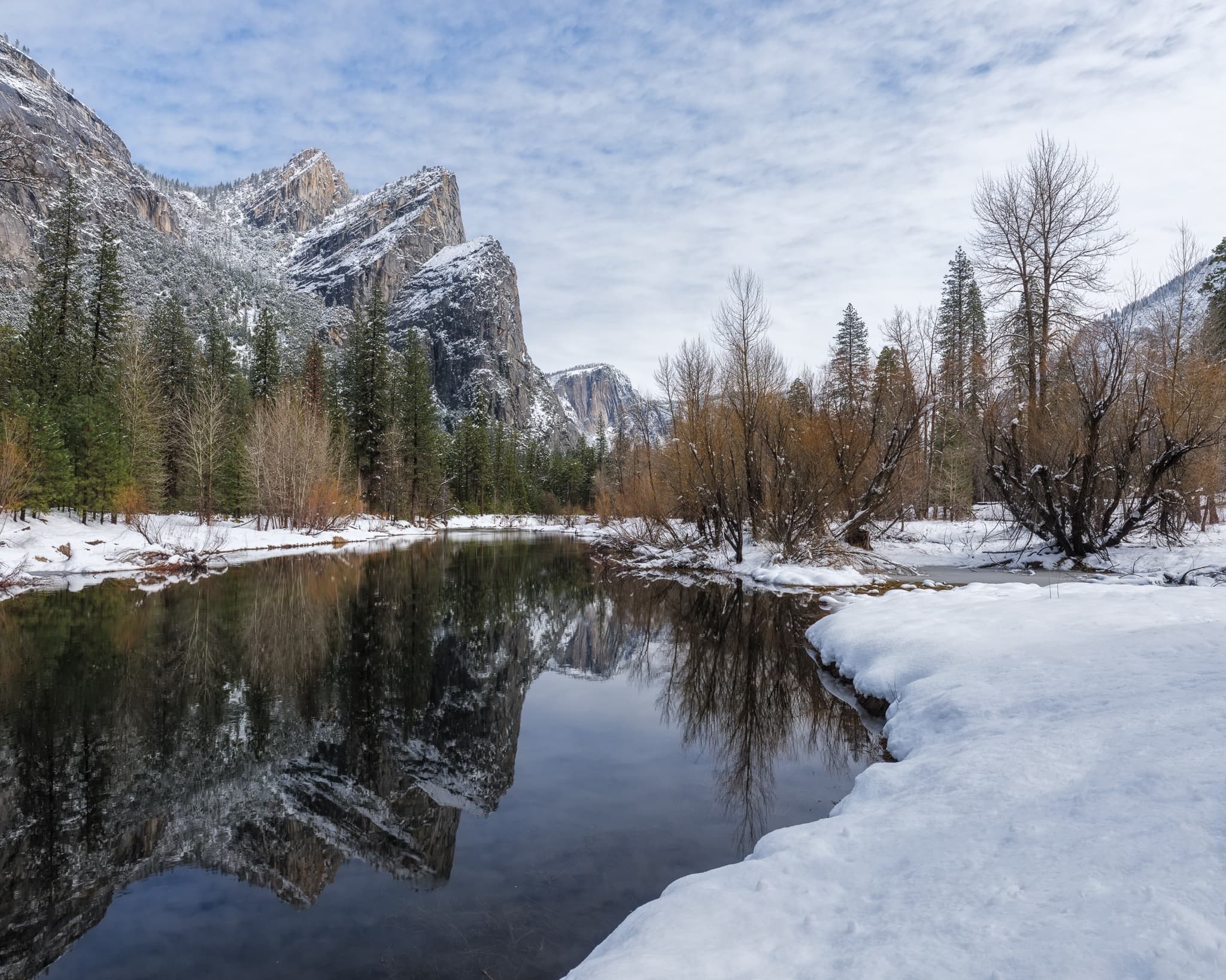
- Water—reflections, ripples, ice formations
Slow down and look closely. Patient observation reveals subjects that hurried photographers walk past.
Seasonal Detail Opportunities
Each season offers unique subjects.
Seasonal highlights:
- Spring—emerging growth, fresh leaves, flower details
- Summer—mature foliage, insects, water subjects
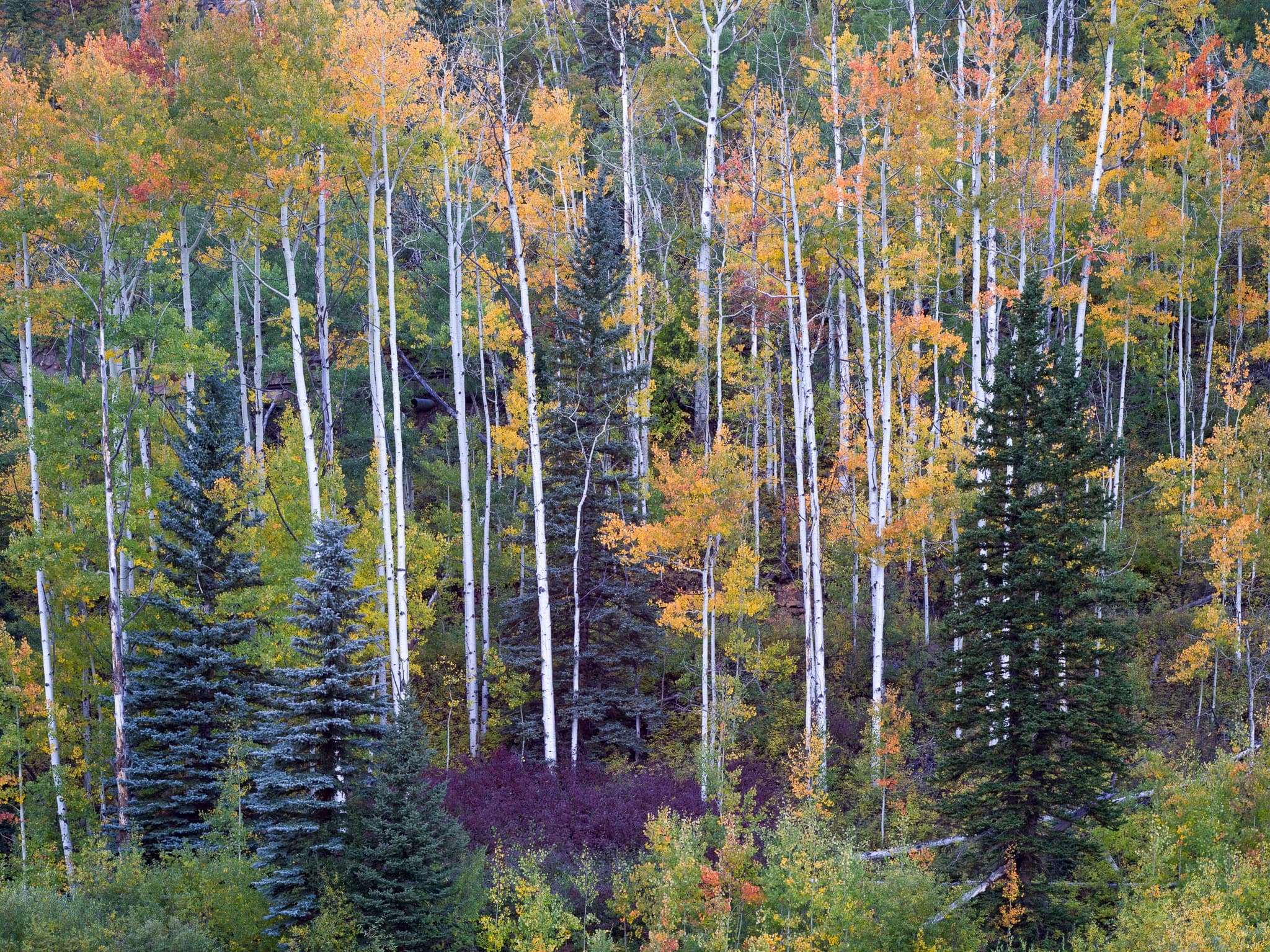
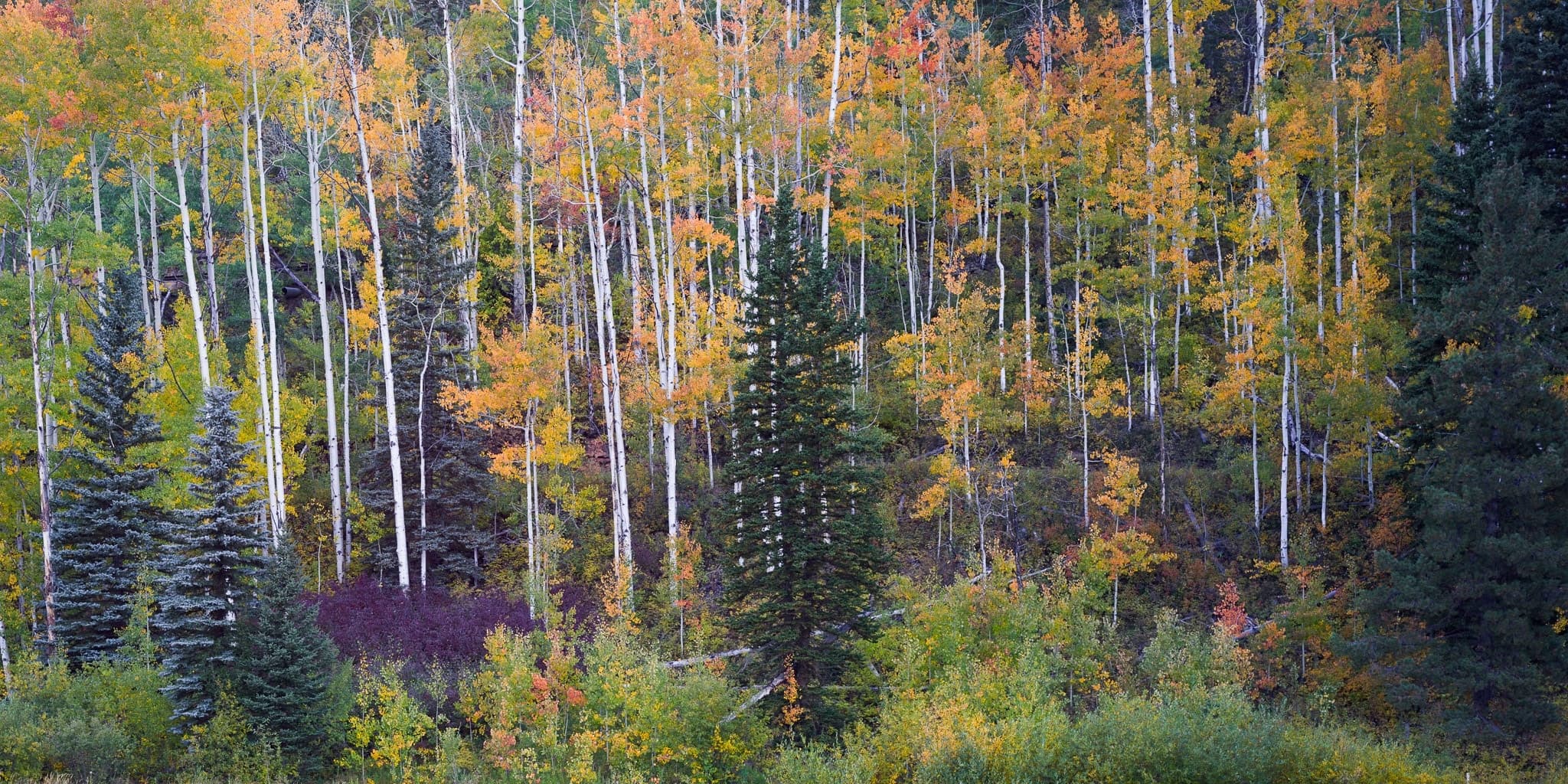
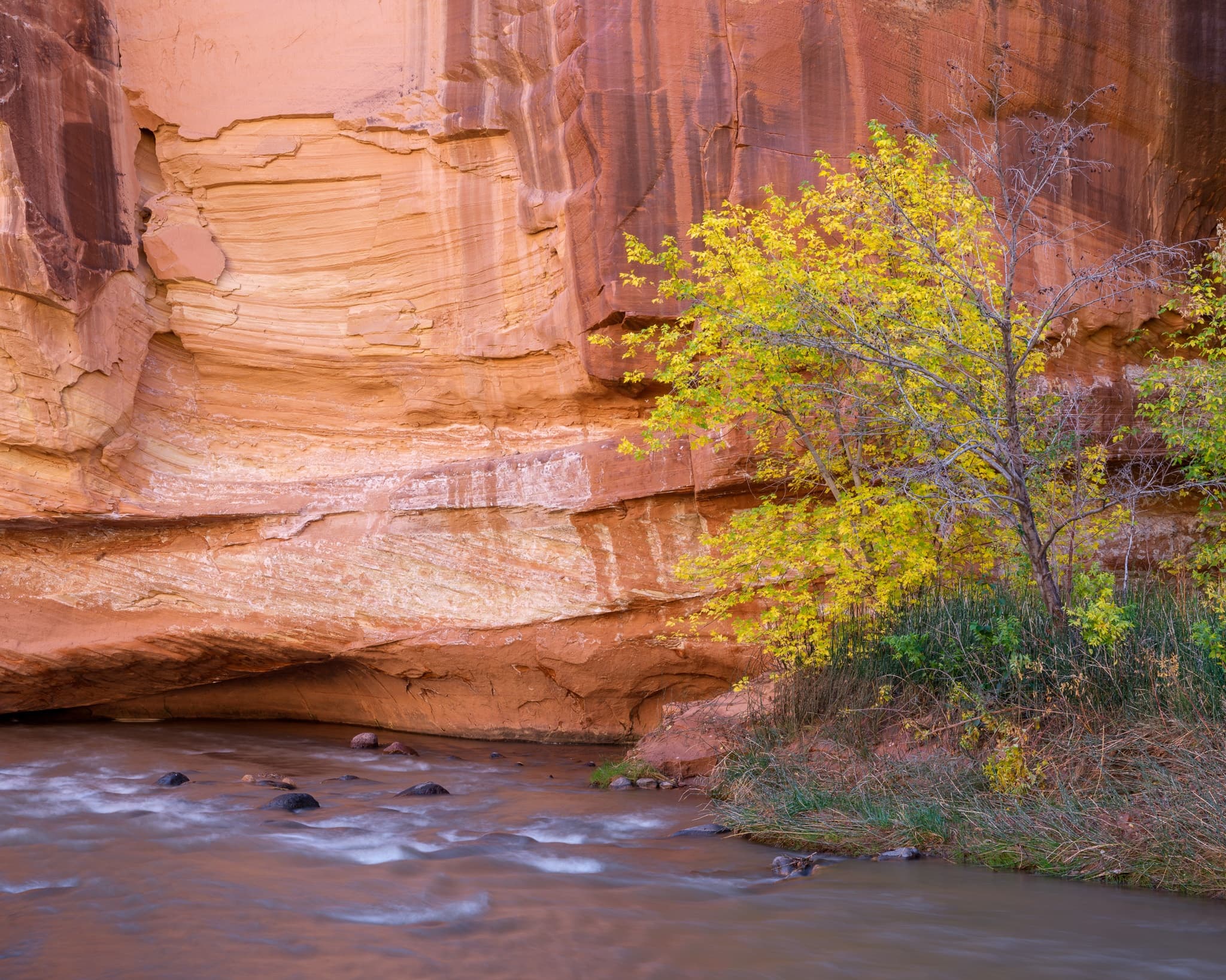
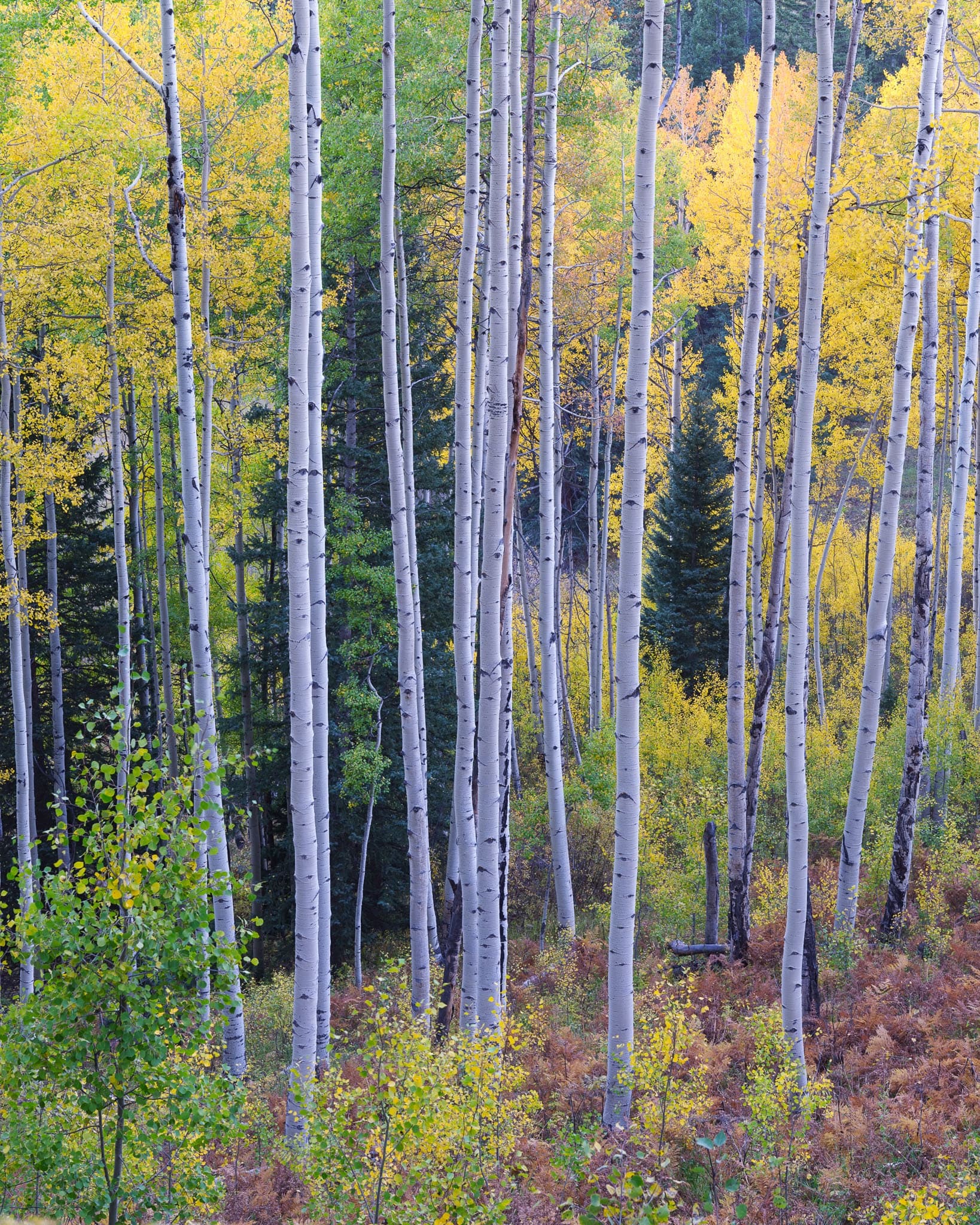
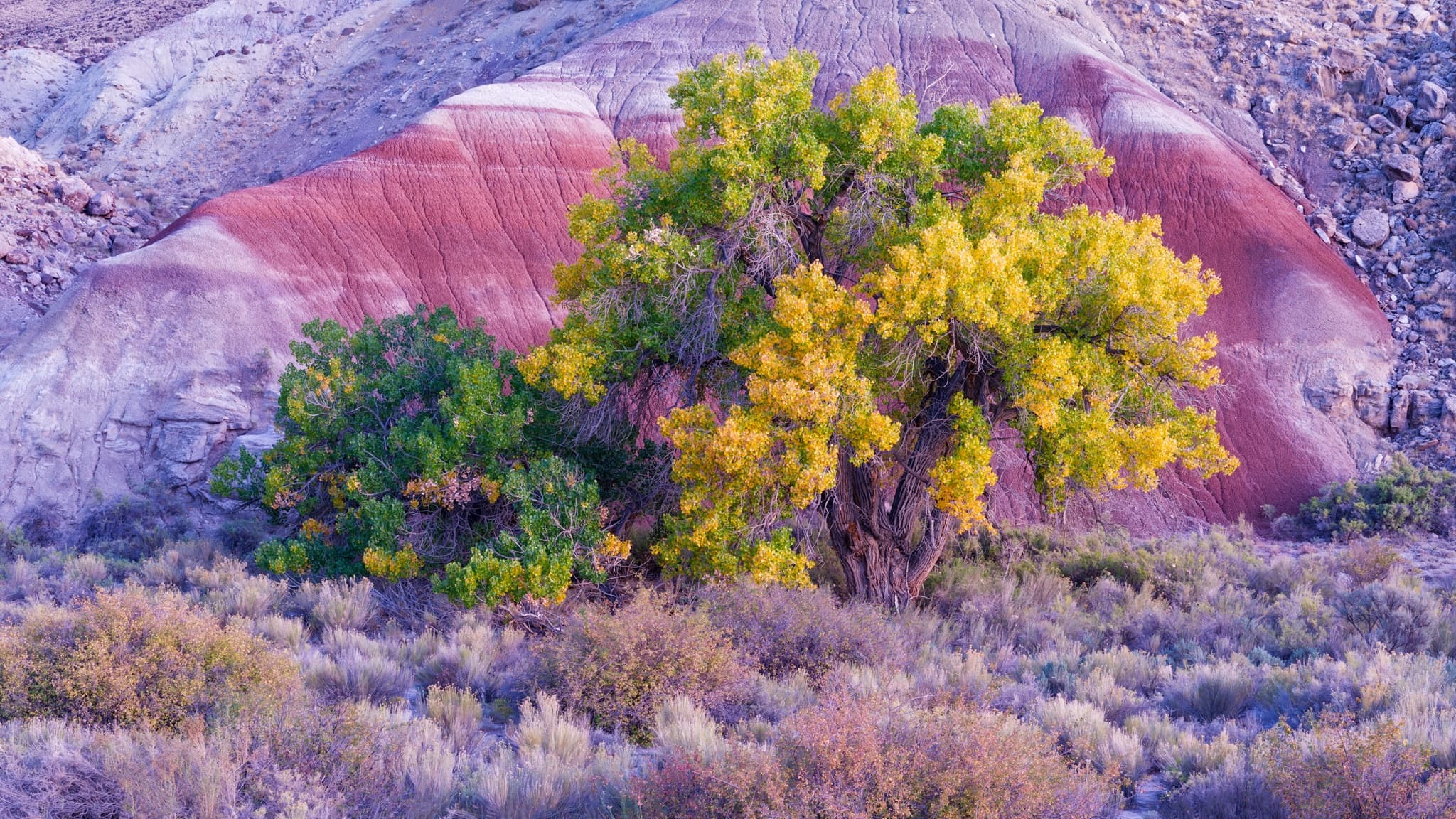
- Autumn—spectacular leaf color, decay patterns
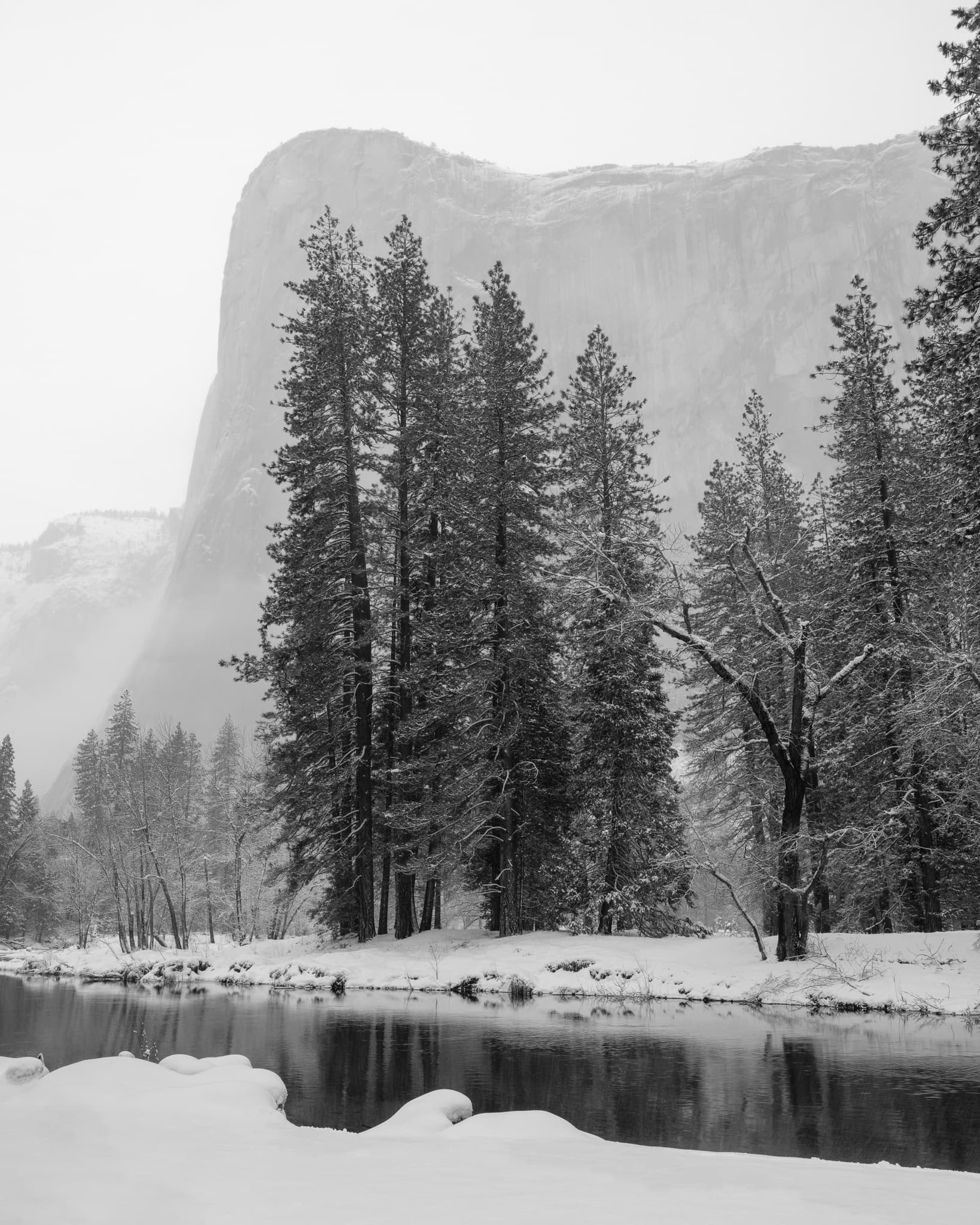
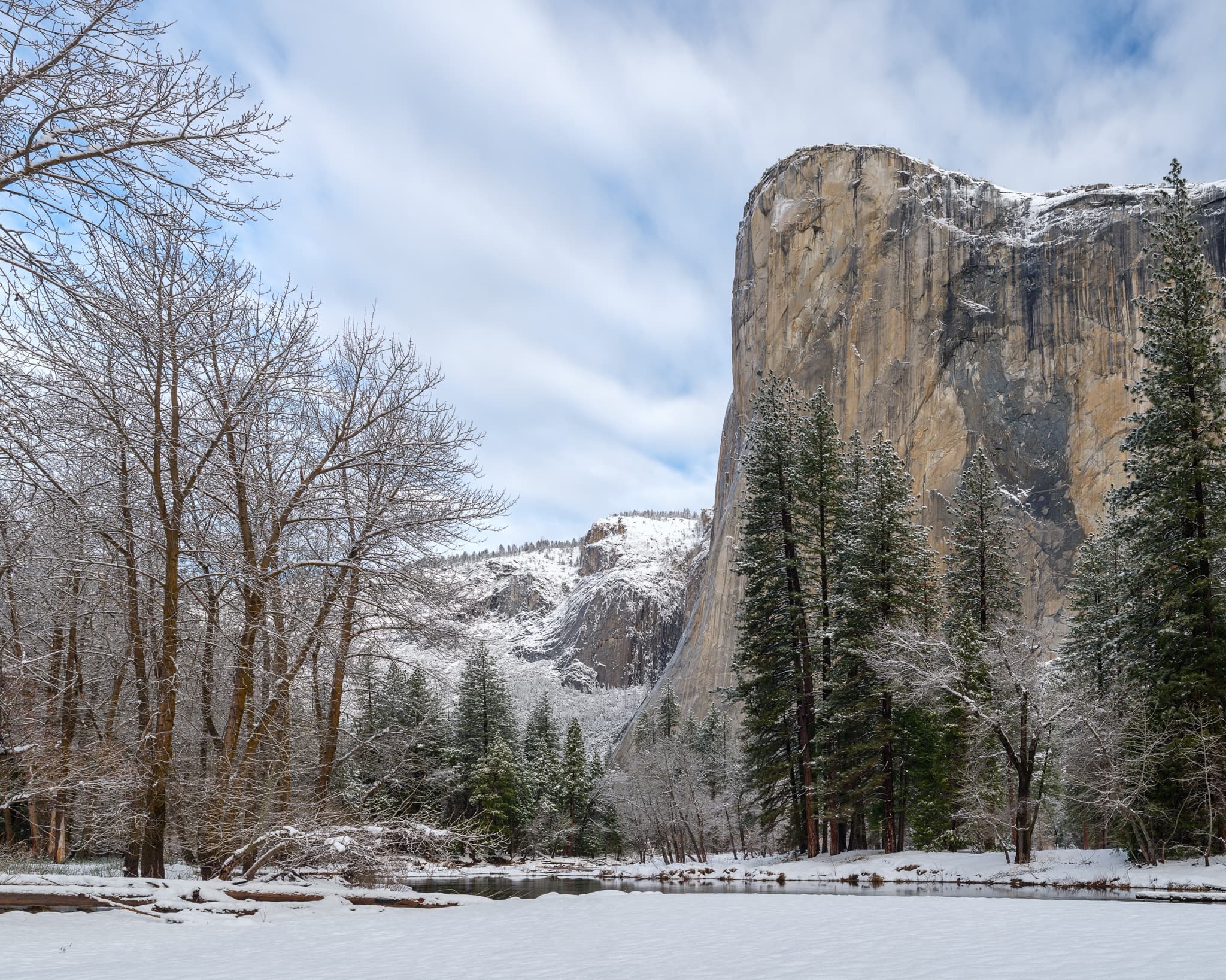
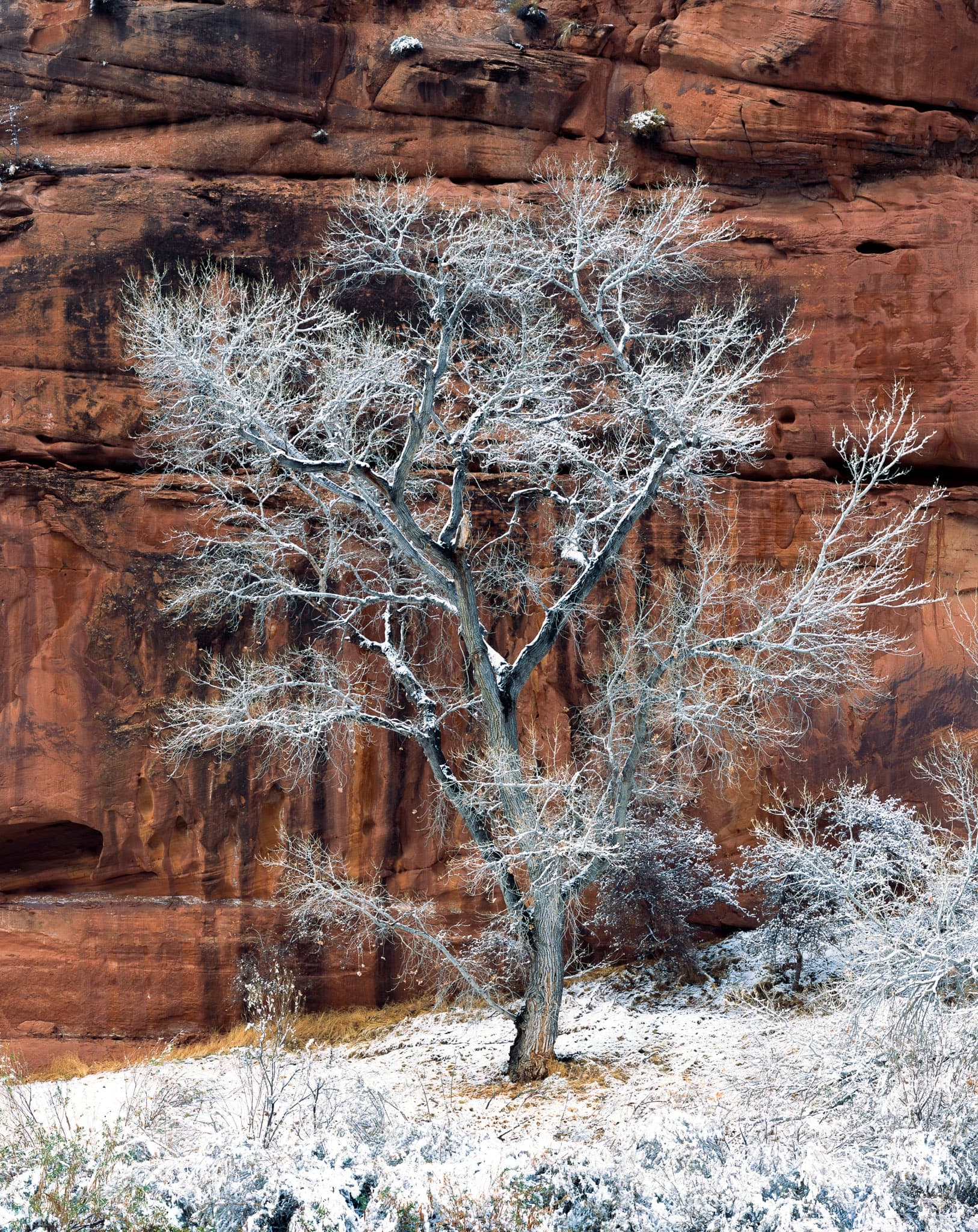
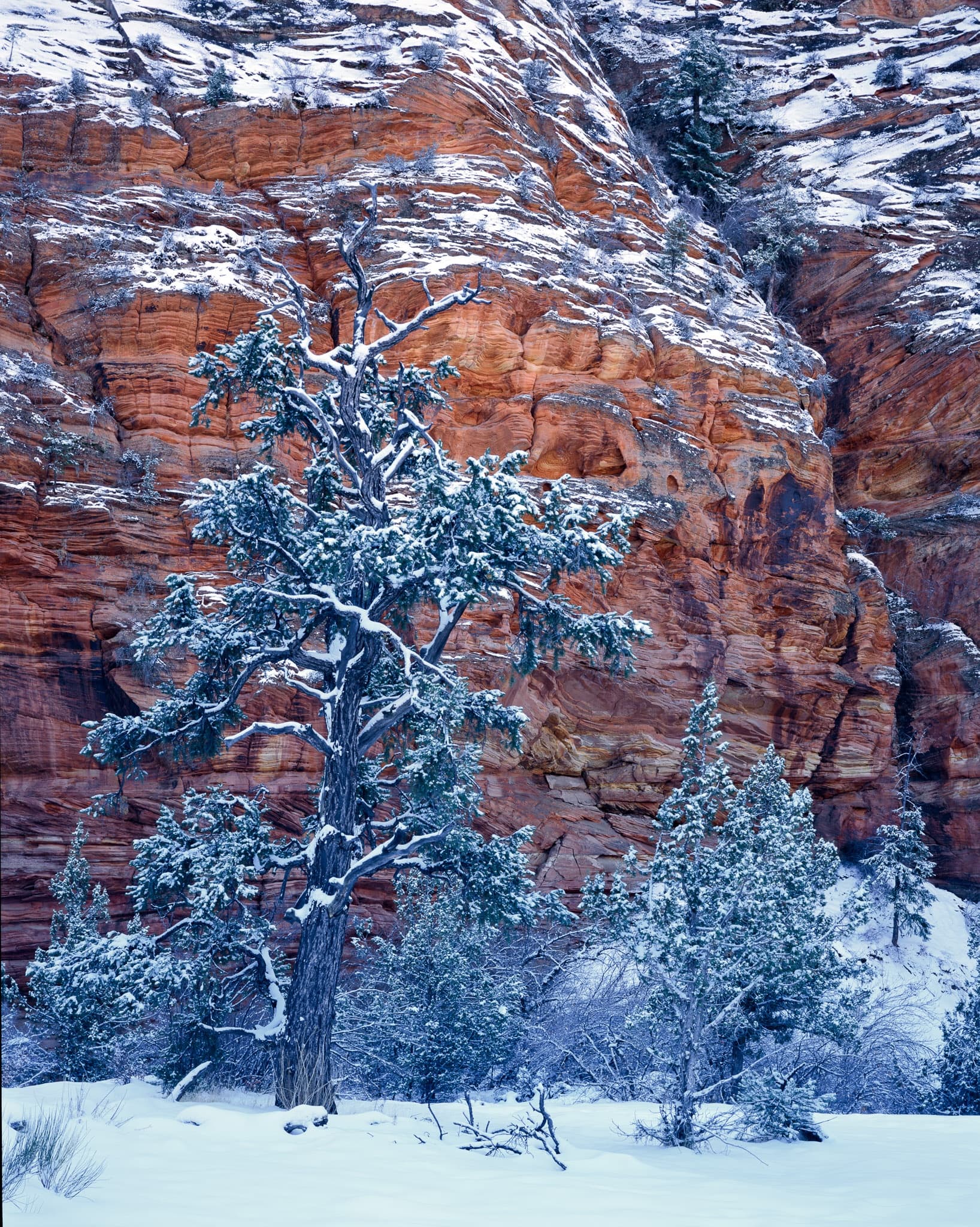
- Winter—ice formations, frost, snow textures, bare branches
Technical Considerations for Detail Photography
Detail photography requires precise technical execution.
Essential techniques:
- Tripod use—essential at close distances
- Focus stacking—extends depth of field
- Extension tubes or macro lenses—for tiny subjects
- Early mornings—calm conditions for delicate subjects
Wind poses challenges at high magnifications. Even slight movement during exposure destroys sharpness.
Collecting Intimate Nature Photography
Intimate photographs offer unique advantages for collectors.
Why collectors choose detail work:
- Smaller scale suits diverse spaces
- Works in offices, hallways, powder rooms
- Rewards extended viewing
- Creates personal connections
Matching subjects to spaces:
- Botanical details—complement gardens and plant-filled homes
- Rock abstracts—suit contemporary interiors
- Water subjects—bring calm to meditation spaces
For color-forward compositions, see the Colors in Nature collection. Our color coordination guide helps match prints to your interior palette.
Display Considerations for Detail Prints
Detail photographs benefit from placement at eye level.
Display tips:
- Smaller sizes (11x14 to 16x20) preserve intimate scale
- Group 3-5 related images for visual dialogue
- Consistent framing unifies diverse subjects
- Proper lighting reveals textural qualities
Consider thematic groupings—autumn leaves, bark textures, or water abstracts—for gallery-style arrangements.
Fine Art Detail Prints
Nature detail photographs are printed using archival techniques that preserve the fine textures, subtle patterns, and intricate qualities that make these intimate subjects compelling. Each print captures the remarkable detail and clarity that large format photography provides for close-up nature work.
Limited edition prints available in sizes from 8x10 inch intimate studies to 24x30 inch detailed compositions. All prints include certificates of authenticity and are produced on museum-quality materials suitable for collectors of intimate nature photography. See print options and pricing.
Explore Related Collections
For light playing on natural surfaces, browse the Reflected Light gallery — our bounce light in slot canyons article explains the technique. For broader landscape compositions, explore the full collection.