Marty Quinn Photography
Photography Philosophy12 min read

The Role of Patience in Landscape Photography

Landscape photography requires not only technical skills and a keen eye but also a great deal of patience. Learn how waiting for the perfect moment, enduring challenging conditions, and embracing the unexpected leads to extraordinary images of the American Southwest.

The Role of Patience in Landscape Photography

The Foundation of Great Images

After two decades of photographing the American Southwest with large format cameras, I've learned that patience isn't just a virtue—it's the fundamental difference between a snapshot and a photograph that truly captures the essence of a place. While camera equipment and technical knowledge are important, the willingness to wait, observe, and remain present has yielded far more successful images than any piece of gear ever could.

Working with a 4x5 camera naturally enforces a slower, more deliberate approach. Setting up a view camera, composing on the ground glass, and loading individual sheets of film takes time. But beyond these mechanical necessities, I've discovered that the real magic happens in those quiet moments of observation—watching how light moves across the landscape, how shadows lengthen and shift, how the quality of illumination transforms a scene minute by minute.

Waiting for the Perfect Light

The quality, direction, and intensity of light can completely transform a landscape. I've learned through countless pre-dawn expeditions that the best light often appears during narrow windows of time—those golden hours just after sunrise and before sunset when the sun sits low on the horizon. During these brief periods, light takes on a warm, directional quality that reveals texture and depth in ways that harsh midday sun never could.

Canyon photography has taught me particularly valuable lessons about patience and light. The reflected light bouncing off canyon walls creates a soft, even glow that's unlike any other natural illumination. This magical light can persist for extended periods as the sun tracks across the sky, providing surprisingly long windows of optimal shooting conditions. The quality of this indirect light remains remarkably consistent, allowing me to work methodically through compositions without the urgency that comes with rapidly changing direct sunlight. I've spent entire afternoons in slot canyons, camera set up and ready, watching as the reflected light maintains its perfect intensity hour after hour.

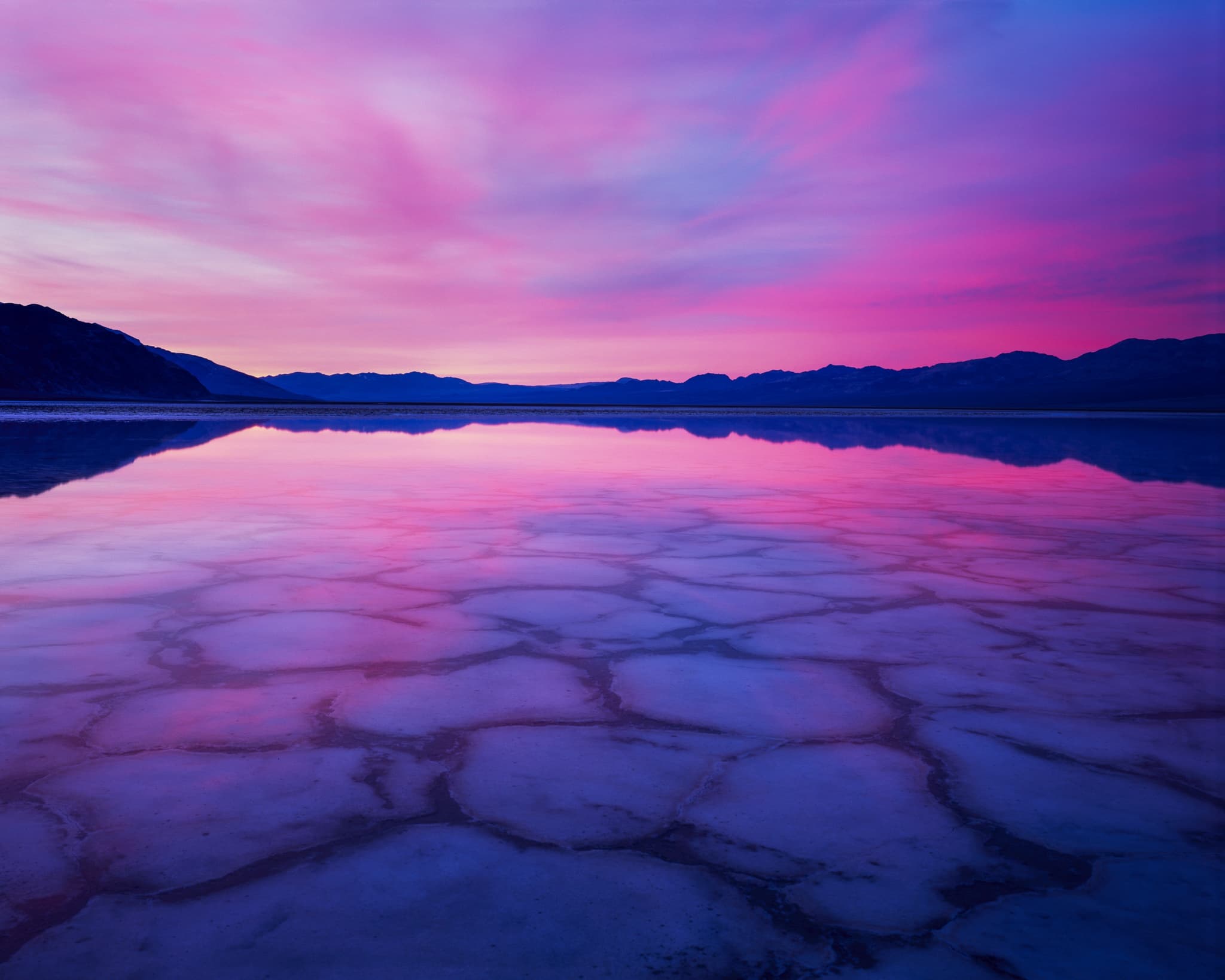
One memorable morning at Badwater Basin in Death Valley perfectly illustrates this principle. I arrived two hours before sunrise to catch the first light hitting the salt flats. As I waited in the pre-dawn darkness, the landscape appeared flat and lifeless. But as dawn approached, the light began to paint the clouds overhead with warm pinks and purples—the sun hadn't yet reached any land, but the sky was transforming above me. This colorful light from the illuminated clouds then reflected off the shallow pools of water left from recent rains on the salt flats below. The entire scene transformed from monochrome to a palette of subtle reflected colors. The image I captured during that brief ten-minute window became one of my most successful photographs—not because of any special technique, but simply because I was willing to wait for nature's perfect moment.

Working Through Challenging Conditions

Landscape photography in the Southwest often means working in challenging conditions that test both physical and mental endurance. I've stood in near-freezing conditions at Bryce Canyon, waiting for sunrise light while snow accumulated on my equipment. I've worked through windy conditions that required extra care in setting up the camera. Each challenging situation demands patience not just with the elements, but with the entire process of making photographs under difficult circumstances.

The weight of large format equipment adds another dimension to these challenges. A typical setup weighs around 30 pounds, and reaching many prime locations requires significant hiking. I've learned to pace myself, accepting that moving slowly and methodically is essential. On trips to remote locations like the White Pocket area of Arizona, navigating uneven slickrock terrain with camera gear requires patience and careful footing. Rather than rushing and exhausting myself, I take frequent breaks, use the opportunity to scout compositions along the way, and arrive at my destination fresh enough to spend several hours working the location as light conditions evolve.

Weather patience has become another crucial skill. Some of my best images have come from sessions where I initially arrived to disappointing conditions but chose to wait rather than pack up and leave. Storm light, in particular, creates dramatic possibilities that clear skies never offer. I've learned to shelter my equipment and wait out uncertain weather, knowing that the brief period after conditions improve often produces extraordinary light and cloud formations. These moments of uncertainty—wondering if conditions will improve—require trusting in patience and experience rather than giving up too quickly.

The Value of Revisiting Locations

One of the most important lessons I've learned is that truly knowing a location requires multiple visits across different seasons, times of day, and weather conditions. A place that appears ordinary during my first visit might reveal itself as extraordinary under different circumstances. I've returned to favorite locations dozens of times, and each visit offers new discoveries and photographic opportunities.

Monument Valley provides a perfect example of this principle. My first visit produced serviceable images of the iconic mittens at sunset—the classic composition that every photographer captures. But on subsequent visits during different seasons, I discovered how morning light from the east creates entirely different moods, how winter snow transforms the usually rust-colored landscape, and how approaching storms create dramatic cloud formations that add depth and interest to compositions. Each visit built upon knowledge gained from previous trips, allowing me to anticipate conditions and plan more effectively.

Seasonal patience has revealed some of my most unique images. I've photographed favorite subjects like cottonwood trees in Utah's Capitol Reef National Park during different seasons. Spring brings delicate green leaves backlit by morning sun. Summer offers full foliage and dramatic storm clouds. Autumn transforms trees with golden leaves against red sandstone. Winter presents stark, graphic branches against fresh snow. Revisiting subjects across seasons creates opportunities to capture a location's full character in ways that a single visit never could reveal.

The photography itself also improves through revisitation. Knowing a location intimately allows me to work more efficiently when conditions are right. I've pre-visualized compositions, identified ideal camera positions, and understand how light will interact with the landscape at different times. This knowledge base, built through patient, repeated visits, means I can respond quickly when those perfect moments arrive, rather than scrambling to find compositions while optimal light fades.

Embracing the Unexpected

While planning and patience often lead to successful images, I've learned that some of the most compelling photographs come from unexpected moments that couldn't have been predicted or planned. The key is remaining patient and observant enough to recognize these opportunities when they appear, and being flexible enough to adapt my approach on the fly.

Weather, in particular, creates unpredictable opportunities. I've driven to locations expecting clear skies only to encounter cloud cover that initially seemed disappointing. But rather than simply packing up and leaving, patience and observation often reveal that diffused light can be perfect for certain subjects—particularly intimate details and forest scenes that would be harshly contrasted under direct sunlight. Some of my favorite forest images were made on overcast days when I had initially hoped for dramatic sunrise light.

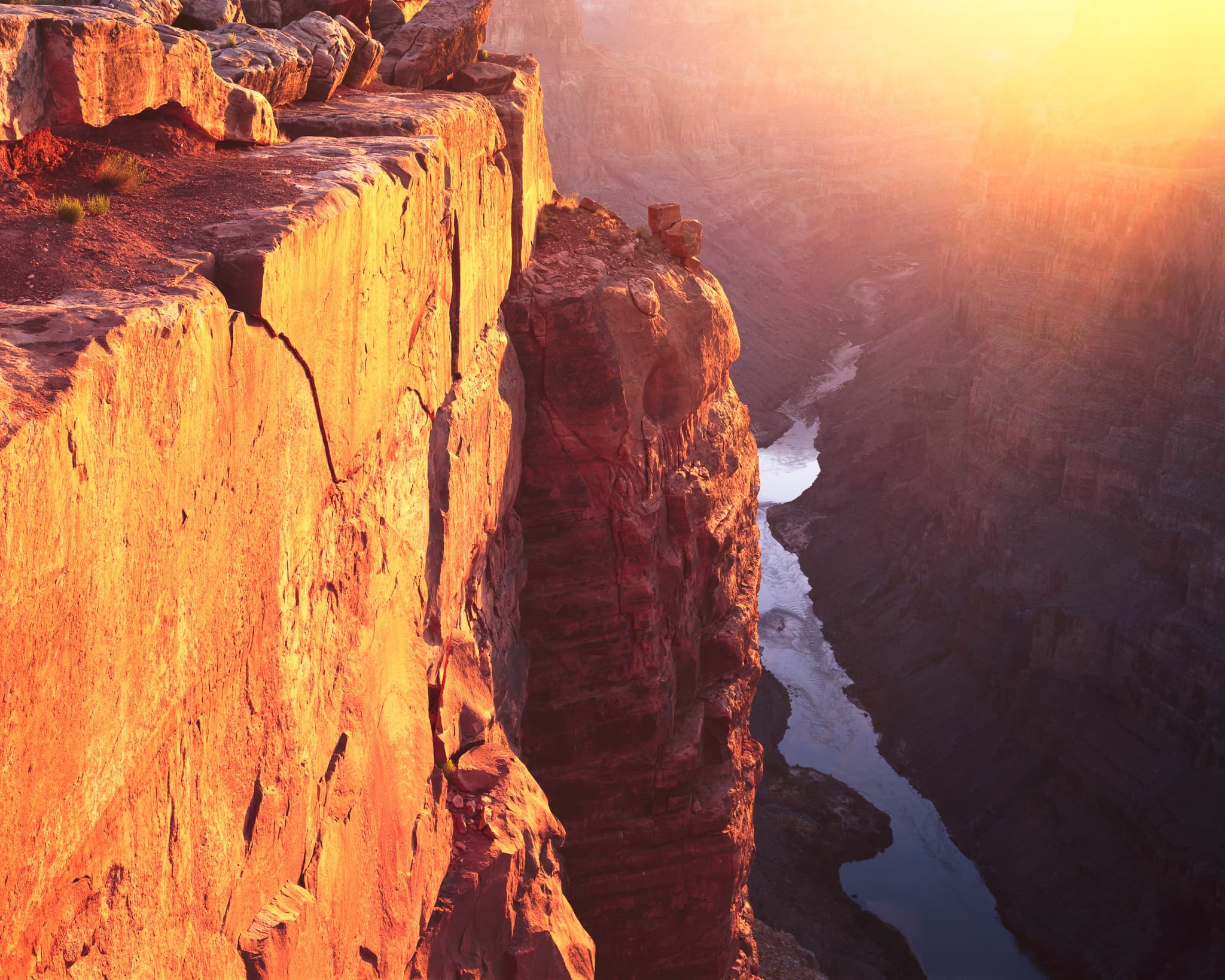
One particularly memorable example occurred at Toroweap Point on the North Rim of the Grand Canyon. I had planned an overnight camping trip to photograph sunrise, anticipating clear skies based on weather forecasts. Instead, I awoke to complete cloud cover. Rather than viewing this as a failed expedition, I waited patiently through the morning, observing how the clouds moved and shifted. Just after sunrise, a brief break in the clouds created a single beam of light that illuminated the Colorado River 3,000 feet below while everything else remained in shadow. This dramatic effect lasted perhaps three minutes, but because I had remained patient and observant rather than packing up in disappointment, I captured an image that would have been impossible under the "ideal" clear conditions I had originally hoped for.

Wildlife encounters provide another category of unexpected opportunities. While landscape photography is my primary focus, patient observation often brings animal subjects into my carefully composed scenes. I've learned to keep my camera ready even when the primary subject is the landscape, because a passing raven, a browsing deer, or even wind moving through vegetation can transform a static landscape into a more dynamic image. These moments require patience both before they occur—being in position and ready—and during their brief duration, waiting for the precise moment when all elements align.

The Patient Creative Process

Beyond waiting for external conditions to align, patience plays a crucial role in the creative process itself. Large format photography inherently encourages this deliberate approach, but I've found that the principles apply regardless of equipment. Taking time to truly observe a scene, to walk around and explore different vantage points, and to let a composition develop naturally rather than rushing to capture the first idea that comes to mind consistently produces stronger images.

When I arrive at a location, especially one I'm visiting for the first time, I resist the urge to immediately set up my camera. Instead, I spend time walking the area, observing how light falls across different features, noting interesting foreground elements, and considering various compositional possibilities. This patient exploration often reveals opportunities that weren't apparent from my initial vantage point. A composition that seemed promising from the parking area might prove less interesting than an alternative view discovered through this methodical exploration.

The technical aspects of large format photography also benefit from patience. Setting up the camera, achieving precise focus across the entire plane using movements, and selecting the appropriate aperture for depth of field all require careful, unhurried attention. I've learned that rushing through these technical steps, trying to work faster as light conditions change, can lead to mistakes—improper focus, forgotten lens cap, or missed exposure adjustments. The images I'm most proud of came from sessions where I worked methodically, double-checking each technical element before making the exposure.

Film photography adds another layer to this patient process. Unlike digital photography where I can immediately review images and make adjustments, shooting film requires trusting in my technique and judgment. I don't see results until sheets are developed, sometimes days or weeks after the field session. This delayed feedback encourages more thoughtful work in the field—each exposure must be carefully considered and properly executed. This patience with the entire process, from visualization through development, has made me a more deliberate photographer.

Patience as Mindful Practice

Over time, I've come to view the patience required for landscape photography as more than just a practical necessity—it's become a form of mindfulness practice that enhances both my photography and my overall experience in the landscape. The act of slowing down, observing carefully, and remaining present in a place creates a deeper connection to the environment that transcends the photographs themselves.

This mindful patience has taught me to notice subtle details that would otherwise go unobserved. The way light gradually changes the color temperature of a scene. How shadows shorten and lengthen throughout the day. The patterns created by wind moving through desert grasses. These observations enrich my understanding of the landscape and inform my photographic choices, but they also create memorable experiences that exist independently of any images I might capture.

In our current culture of instant gratification and constant connectivity, the patient practice of landscape photography offers a valuable counterbalance. Time spent waiting for light, sitting quietly while observing a landscape, or returning repeatedly to the same location over months or years develops qualities that benefit all aspects of life—the ability to focus attention, to delay gratification, to persist through challenges, and to find satisfaction in the process rather than only the outcome.

Conclusion

Patience is the quality that separates landscape photographers who occasionally capture good images from those who consistently create extraordinary work. It allows us to wait for optimal light, work through varying conditions, revisit locations until we truly understand them, embrace unexpected opportunities, and engage deeply in the creative process. For photographers working in the American Southwest, where dramatic landscapes combine with ever-changing light and weather, patience isn't optional—it's essential.

The images I value most from two decades of photographing this region all share a common thread: they were made possible because I was willing to wait. Whether waiting two hours before sunrise for perfect light, returning to a location through four seasons, or remaining present during apparently disappointing conditions that suddenly transformed, patience has consistently been the deciding factor in creating images that truly capture the majesty and wonder of these extraordinary landscapes.

As you develop your own landscape photography practice, I encourage you to cultivate patience not as a burden but as an integral part of the creative process. The time spent waiting, observing, and returning to locations isn't wasted—it's an investment in both better photographs and a deeper, more meaningful connection to the landscapes we photograph.

Tags

Landscape PhotographyAmerican SouthwestPhotography TipsGolden HourCanyon PhotographyPatienceDesert Photography