
Photography Location Guide
Death Valley Photography Guide
Navigate America's hottest and lowest national park for extraordinary landscape photography. Badwater Basin, Zabriskie Point, the Mesquite Dunes, and much more.
By Marty Quinn • Updated December 2025
-282 ft
Lowest Point in N. America
Winter
Best Season
$30
Park Entry Fee
3.4M Acres
Largest Park in Lower 48
Overview: Why Death Valley?
Death Valley National Park is a land of superlatives: the hottest place on Earth, the lowest point in North America, and the largest national park in the contiguous United States. At 3.4 million acres, it encompasses salt flats, sand dunes, volcanic craters, colorful badlands, and mountain ranges exceeding 11,000 feet—often visible in a single frame.
For photographers, Death Valley offers something increasingly rare: true isolation and pristine landscapes. Unlike crowded parks where you're composing around tourists, many Death Valley locations remain untouched. The extreme conditions that make it inhospitable for casual visitors are the same conditions that create extraordinary photography opportunities—stark light, dramatic shadows, and an absence of vegetation that reveals the earth's raw geology.
I've photographed Death Valley for over two decades, returning multiple times each year. The park rewards patience and preparation. Those willing to endure the physical challenges find landscapes that exist nowhere else—the perfect geometry of wind-sculpted dunes at dawn, mirror reflections on flooded salt flats, ancient bristlecone pines overlooking the entire basin. Each visit reveals something new.
Best Times to Photograph Death Valley
Time of Day
Sunrise: The premier time for most Death Valley photography. The low angle creates long shadows that reveal texture in the salt flats, dunes, and badlands. At Zabriskie Point, sunrise transforms the eroded mudstone into gold. At Mesquite Dunes, the interplay of light and shadow defines the sand's flowing forms.
Sunset: Equally productive but with different character. The warm, direct light works well for Badwater Basin (facing the Panamint Range), the Artist's Drive formations, and any west-facing subject. The mountains behind Badwater often catch alpenglow after the sun sets.
Blue Hour & Night: Death Valley is a designated International Dark Sky Park. The absence of light pollution creates ideal conditions for astrophotography. The Milky Way arches over the salt flats in spectacular fashion. Star trails over the Racetrack Playa are classic.
Midday: Generally poor for photography due to harsh overhead light and extreme heat (in warmer months). However, midday works for certain abstracts, particularly in the salt hexagons of Badwater or the colorful minerals along Artist's Drive.
Seasons
Winter (November-February): Prime season. Temperatures are comfortable (50-70°F during the day), crowds are minimal, and the low sun angle provides excellent light throughout the day. This is when serious photographers visit. Rare winter storms can drop snow on the mountains or create temporary lakes on the valley floor.
Spring (March-April): Still good temperatures, with the bonus of potential wildflower superbloom following wet winters. Every decade or so, the valley floor erupts in yellow, purple, and white flowers—spectacular but unpredictable.
Fall (September-October): Temperatures begin to moderate after summer extremes. Less crowded than winter. Good for those who can't visit during peak season.
Summer (May-August): Dangerous heat—temperatures regularly exceed 120°F. Photography is only practical before dawn or after sunset. I don't recommend summer visits for photography unless you're experienced with extreme heat and prepared accordingly.
Key Viewpoints & Locations
Badwater Basin
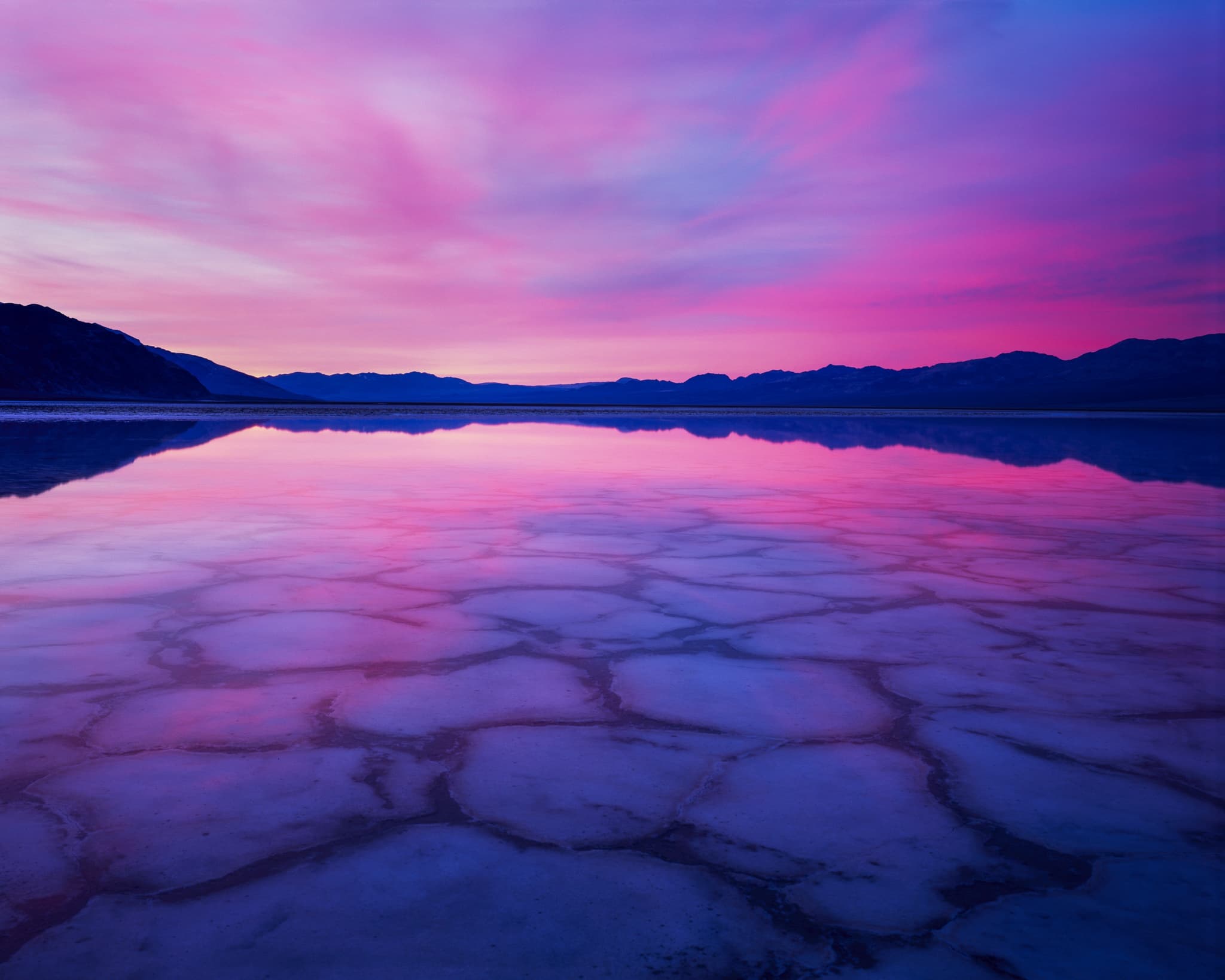
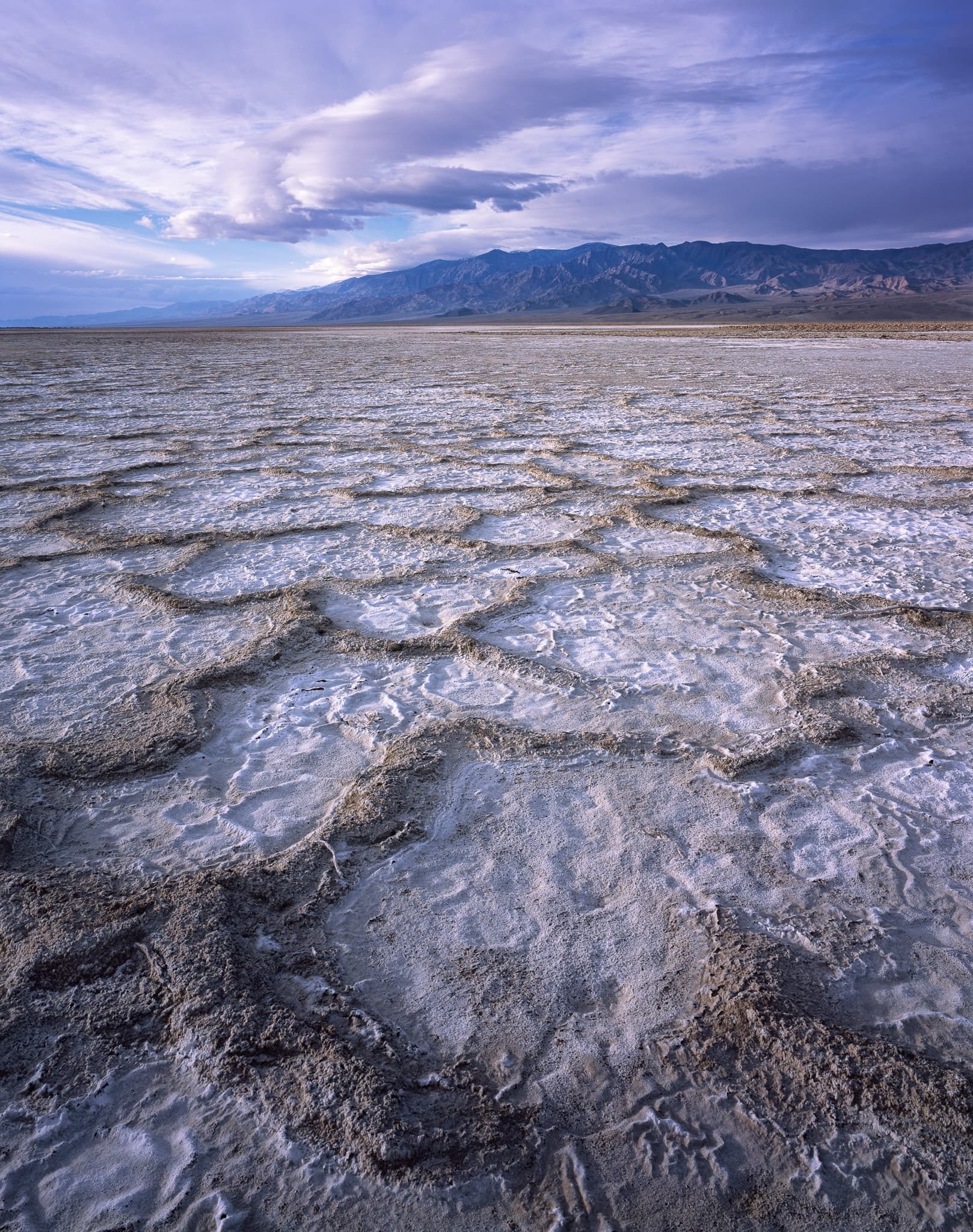
The iconic salt flat at -282 feet, the lowest point in North America. The white hexagonal salt formations extend for miles, creating patterns unique in photography. After rare rain events, shallow water can collect and create mirror reflections of the surrounding mountains. Best at sunrise when the Panamint Range catches golden light, or sunset for direct illumination of the formations. Walk past the main viewing area—the best patterns are often a half-mile onto the flats.
Zabriskie Point
Perhaps Death Valley's most photographed location. The eroded badlands of ancient lake sediments create flowing, wave-like forms in shades of gold, amber, and brown. Best at sunrise when direct light paints the formations in warm tones. Arrive early to secure your spot—the parking lot is small. Consider hiking down into the formations for unique perspectives most photographers miss.
Mesquite Flat Sand Dunes
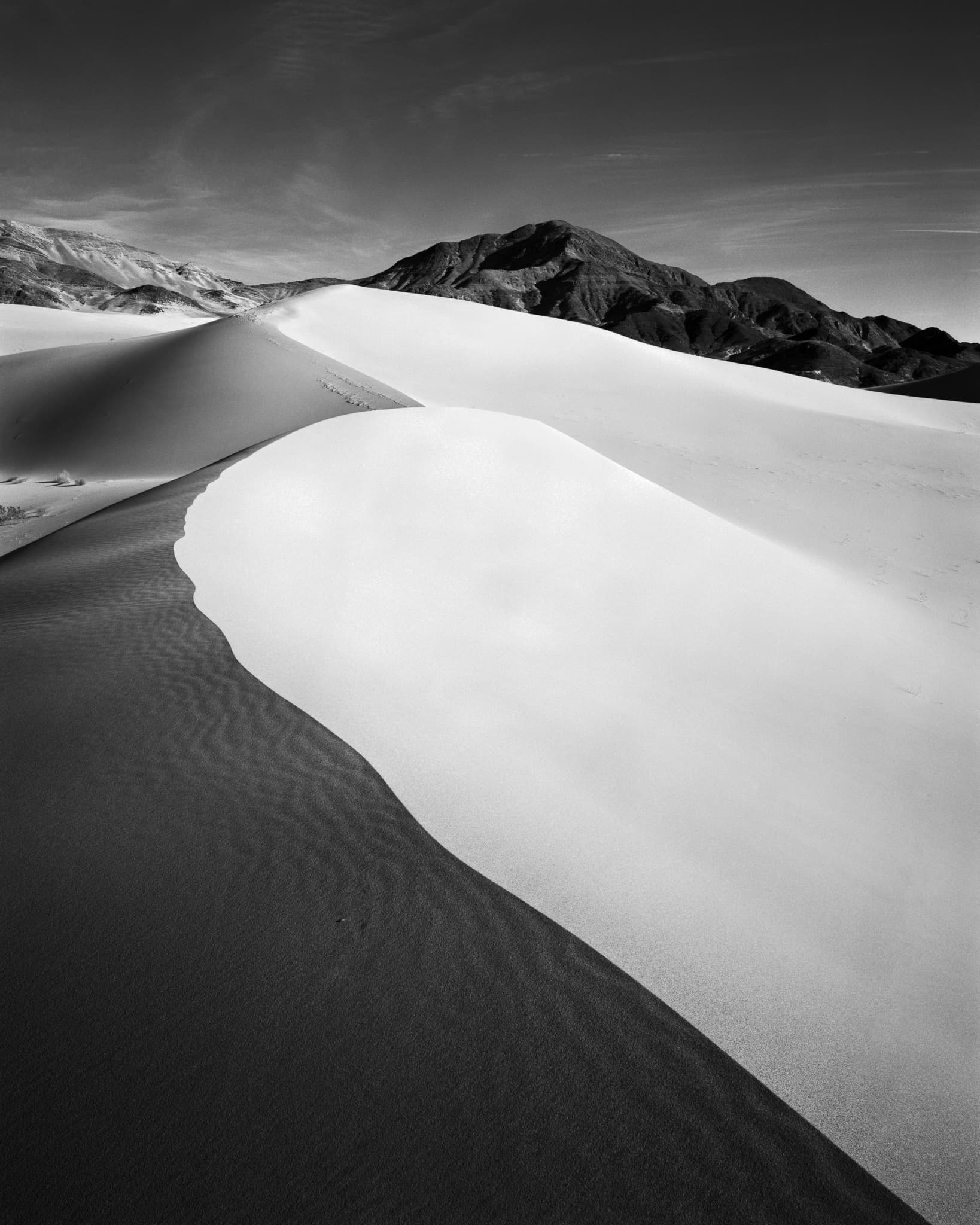
The most accessible dune field in Death Valley, rising 100+ feet from the valley floor. The key to dune photography is timing—you want low-angle light to reveal the sand's texture and create dramatic shadows along the ridgelines. Sunrise is optimal; the dunes face east and winds overnight often refresh the sand's patterns. Bring a headlamp for the hike in, and be prepared for cold mornings followed by rapid heating.
Artist's Drive & Artist's Palette
A nine-mile one-way scenic drive through eroded hills displaying volcanic minerals—greens, pinks, purples, and reds. The colors are created by oxidized metals in the rock. Best in late afternoon when direct sun saturates the colors, or under overcast skies that reduce contrast. Artist's Palette is the main overlook, but the entire drive offers opportunities.
Dante's View
An elevated viewpoint at 5,476 feet providing panoramic views across the valley to the Panamint Range. On clear days, you can see Badwater Basin nearly a mile below and Telescope Peak rising to 11,049 feet. Best at sunrise when the Panamint Range glows. The access road closes when snow or ice makes it dangerous.
Racetrack Playa
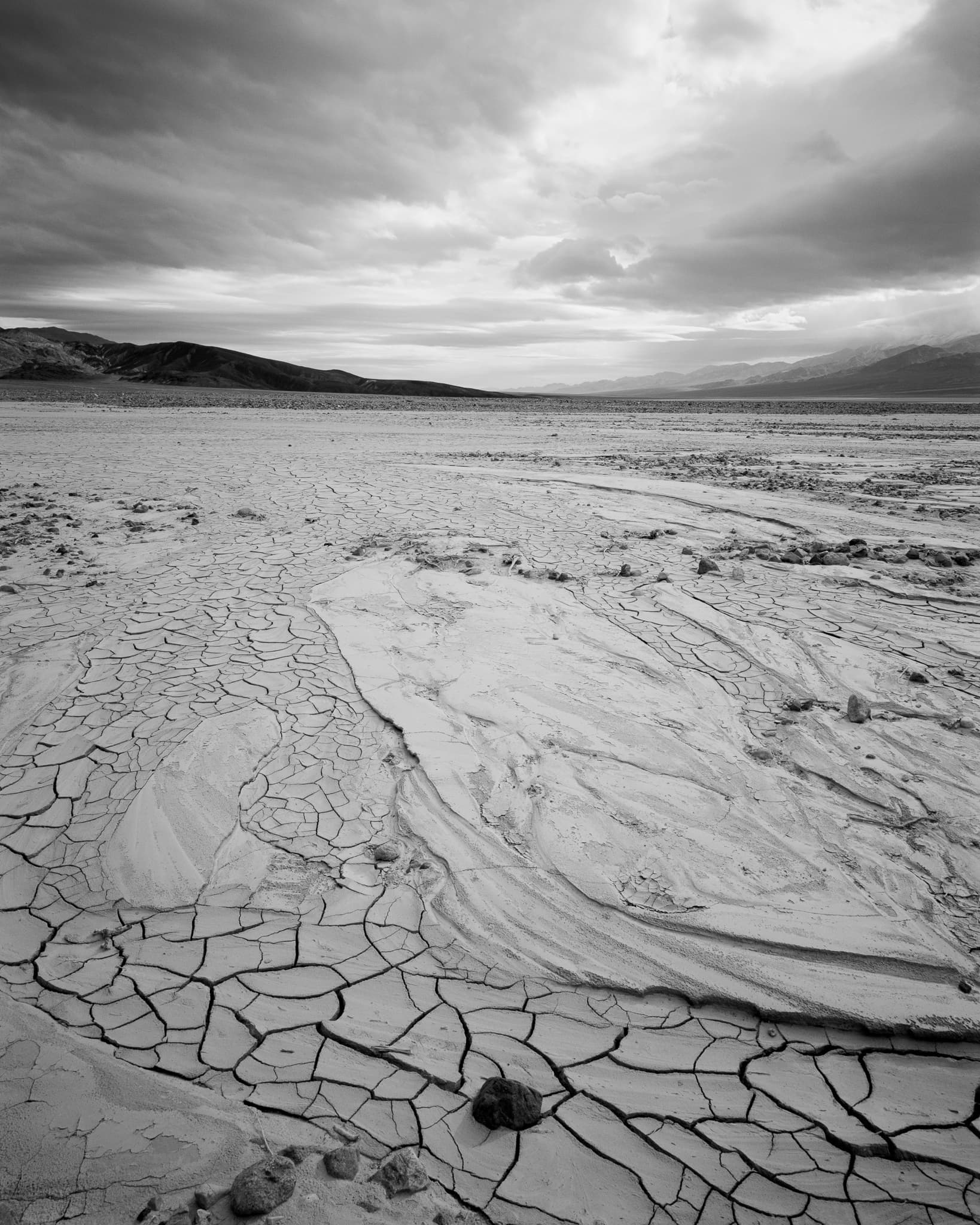
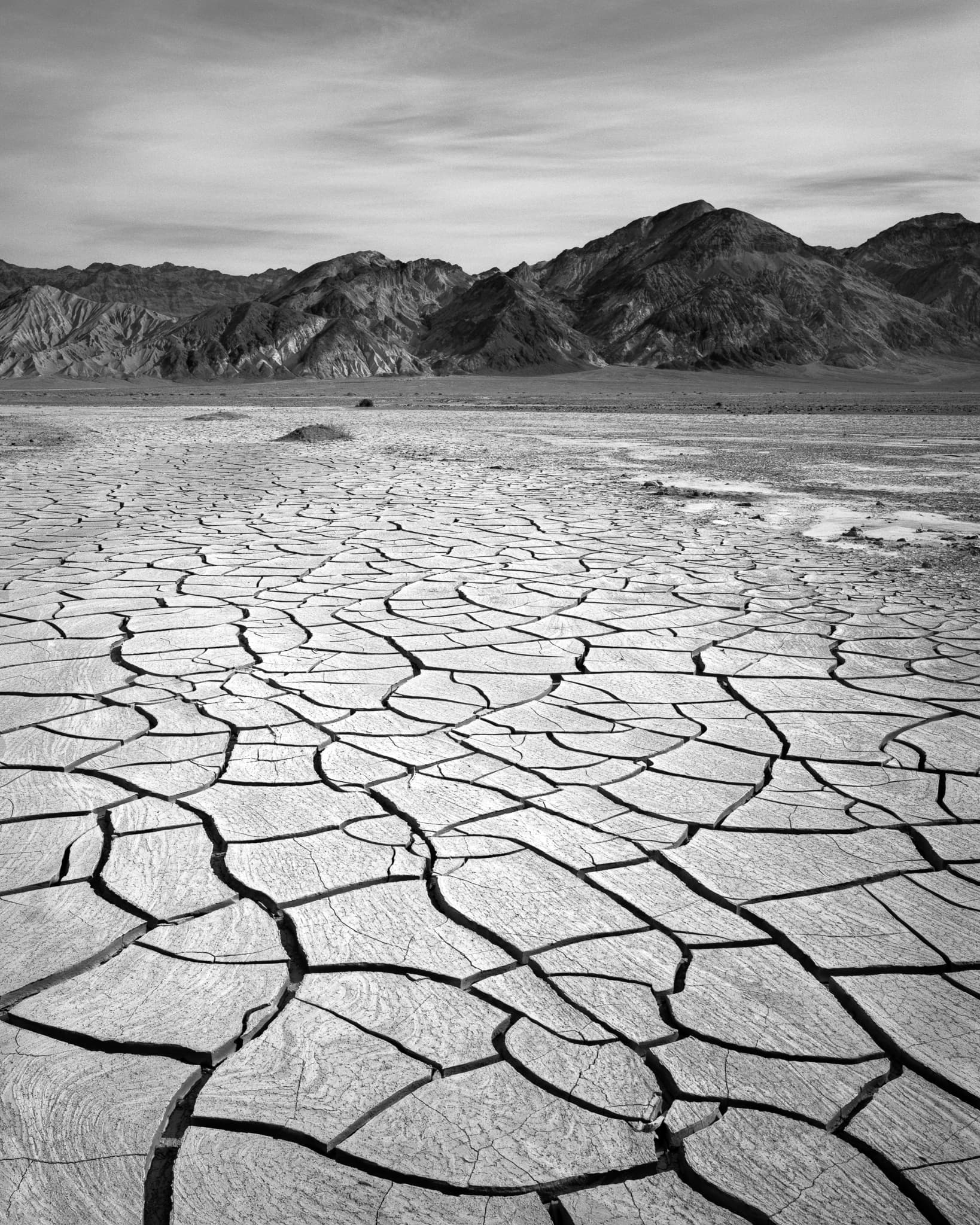
Famous for its mysterious "sailing stones"—rocks that move across the dry lakebed, leaving trails behind them. The phenomenon requires specific conditions (rain followed by ice followed by wind). Even without moving rocks, the playa is extraordinarily photogenic—perfectly flat, often cracked mud patterns, surrounded by mountains. Requires a high-clearance vehicle and 27 miles of rough road each way.
Devil's Golf Course
A vast expanse of crystallized salt formations—sharp, jagged structures formed by evaporating groundwater. The name comes from a 1930s guidebook: "Only the devil could play golf on such rough links." Best in low-angle light that catches the salt crystals. Bring sturdy shoes—the formations are razor-sharp.
Safety & Extreme Conditions
Heat Preparation
Death Valley holds the record for the highest reliably recorded air temperature on Earth (134°F / 56.7°C). Even in "cooler" months, temperatures can spike unexpectedly. Your car is your lifeline—if it breaks down, stay with it. Always carry at least one gallon of water per person per day, plus extra for emergencies.
Heat-related illness progresses rapidly. Symptoms include headache, nausea, confusion, and cessation of sweating. If you experience any of these, get to shade and cool water immediately. Cell phone coverage is limited or nonexistent in most of the park.
Vehicle Preparation
Turn off your air conditioning on steep climbs to prevent overheating. Carry extra coolant and water for your radiator. Check tire pressure—hot pavement increases blowout risk. Keep your gas tank above half-full; fuel is available at Furnace Creek and Stovepipe Wells, but prices are high and hours are limited.
For remote roads like Racetrack, a high-clearance vehicle is mandatory. Four-wheel drive is recommended. Tow truck response times can be 4-6 hours or more for remote locations, at costs exceeding $1,000.
Flash Floods
Death Valley receives only 2 inches of rain annually, but when rain falls, it can be catastrophic. The hard, sun-baked ground doesn't absorb water well, leading to flash floods that can sweep away roads, vehicles, and people. Never camp in washes or low-lying areas. If storms threaten, move to high ground.
Equipment Recommendations
Camera & Lenses
Wide angle (14-24mm equivalent): Essential for the vast landscapes. Captures the sweep of the dunes, the expanse of Badwater, the panoramic views from Dante's Point. Most of my Death Valley work uses wide angles.
Standard zoom (24-70mm equivalent): Useful for tighter compositions at the badlands and isolating specific formations.
Telephoto (70-200mm or longer): Compresses distant mountain ranges, isolates dune patterns, captures the sailing stones from a distance.
Protection from Elements
Sand and dust are constant challenges. Use a protective filter on your lens. Bring a rocket blower and lens cleaning supplies. Consider a rain cover even in dry conditions—it keeps dust out. Store equipment in sealed bags when not in use. The salt at Badwater is corrosive; rinse tripod legs after use.
Tripod
Essential for sunrise, sunset, and especially astrophotography. Bring a sturdy model—winds can be significant, particularly at elevated viewpoints and on the dunes.
Additional Gear
Headlamp: Red-light mode preserves night vision for astrophotography and pre-dawn hikes. Extra batteries: Extreme temperatures (hot and cold) drain batteries faster. Polarizer: Deepens blue skies and can reduce glare on salt formations. Star tracker: For serious Milky Way photography.
Photography Techniques
Dune Photography
The interplay of light and shadow defines dune photography. Position yourself so the light skims across the sand at an angle—this reveals texture and creates strong leading lines along ridges. Virgin sand (undisturbed by footprints) is essential; arrive before other visitors or find areas off the main paths. High contrast between lit slopes and shadows may require exposure blending.
Salt Flat Reflections
Perfect reflections at Badwater require specific conditions: recent rain that hasn't yet evaporated, no wind, and clear skies. These conditions occur perhaps 5-10 days per year. When they align, the results are spectacular—the Panamint Range reflected in an infinite mirror. Get low to maximize the reflection area in your frame.
Astrophotography
Death Valley's dark skies are exceptional. For Milky Way photography, plan around moon phases—shoot during new moon for darkest skies. The galactic core is visible in the southern sky from March through October. Use apps like PhotoPills to plan compositions that align the Milky Way with interesting foregrounds.
Abstract Patterns
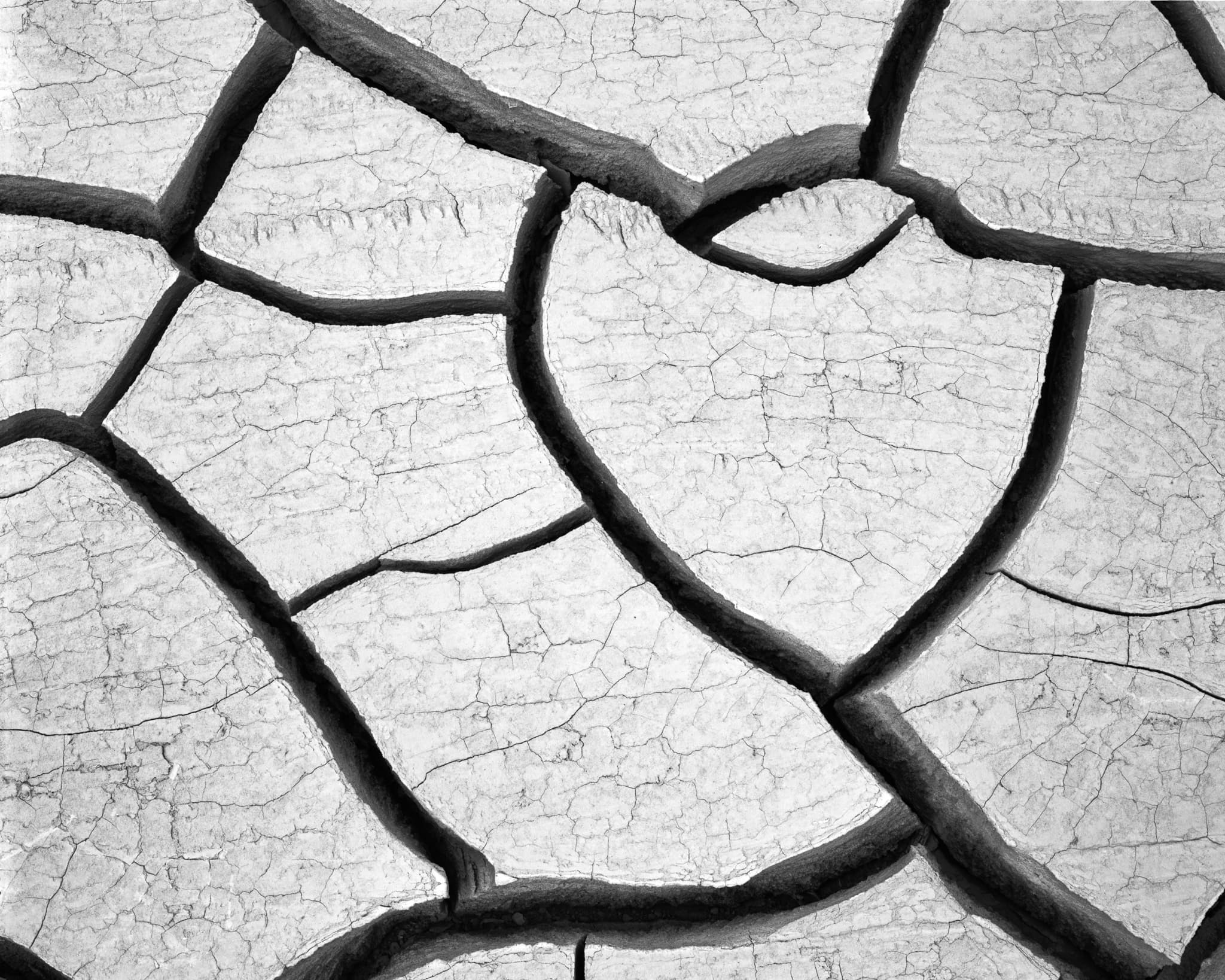
Death Valley excels for abstract photography. The salt polygons at Badwater, wind patterns in sand, mineral striations at Artist's Drive, cracked mud at the playas—all offer patterns that work independent of dramatic light. Midday, which is poor for landscapes, can be fine for abstracts.
Trip Planning & Logistics
Getting There
Death Valley is located in eastern California, straddling the Nevada border. Las Vegas is the nearest major city (2 hours to Furnace Creek). Los Angeles is approximately 4.5 hours. The park has multiple entrances; Highway 190 from the east is most common. Consider the scenic route from the west via Highway 395 and Panamint Springs.
Accommodations
The Inn at Death Valley (formerly Furnace Creek Inn): Historic resort with excellent location. Expensive but comfortable. Book well in advance for winter.
The Ranch at Death Valley: More affordable option at Furnace Creek. Less character but good location for photography.
Stovepipe Wells Village: Basic accommodations near the Mesquite Dunes. Ideal if dune photography is your priority.
Panamint Springs Resort: On the western edge. Good for Racetrack Playa access.
Camping: Furnace Creek Campground (reservations needed winter), Stovepipe Wells, and several primitive sites. Camping allows early access to locations without driving.
How Long to Stay
Minimum three nights to cover the main locations. Five nights allows for deeper exploration, weather contingency, and repeat visits to locations under different conditions. For serious photography including the Racetrack, plan a full week.
Essential Supplies
Stock up before entering the park. Furnace Creek has a general store, but selection is limited and prices are high. Bring all the food, water, and supplies you'll need. Fill your gas tank at the last opportunity before entering. Cell coverage is essentially nonexistent except at Furnace Creek.
Death Valley Fine Art Prints
Museum-quality prints from decades of photographing Death Valley. Each image captures a specific moment in this extraordinary landscape.
Explore Related Galleries
Death Valley is part of the greater Mojave Desert region. Explore more desert and California landscapes.
Frequently Asked Questions
What is the best time of year to photograph Death Valley?
Winter (November-February) offers the best conditions: comfortable temperatures, good light angles, and minimal crowds. Spring is excellent for potential wildflower blooms after wet winters. Avoid summer unless experienced with extreme heat.
Is Death Valley safe to visit?
Yes, with proper preparation. Carry abundant water (1 gallon per person per day minimum), inform someone of your itinerary, stay with your vehicle if it breaks down, and avoid hiking in extreme heat. Cell coverage is limited; plan accordingly.
Do I need a 4WD vehicle for Death Valley?
For main roads and popular viewpoints, no—a regular car is fine. For Racetrack Playa, Titus Canyon, and some other backcountry roads, high-clearance 4WD is required. Check current road conditions at visitor centers.
How do I photograph the Badwater reflections?
Perfect reflections require rain within the past few days, no wind, and timing around sunrise or sunset. These conditions are rare—perhaps 5-10 days per year. Monitor weather forecasts and be ready to adjust plans when conditions align.
What are the sailing stones and where can I see them?
The sailing stones are rocks that move across Racetrack Playa, leaving trails behind them. The phenomenon requires ice formation and wind. You can see the stones and their trails at Racetrack Playa, a 27-mile rough road from Ubehebe Crater requiring high-clearance vehicle.
Is Death Valley good for astrophotography?
Exceptional. Death Valley is a designated International Dark Sky Park with some of the darkest skies in the continental US. The Milky Way is spectacular, and the unique foreground elements (salt flats, dunes, rock formations) create compelling compositions.
Bring Death Valley Home
Museum-quality prints capturing the stark beauty of America's most extreme landscape. Each print is individually produced and includes a certificate of authenticity.