
Monument Valley Photography Guide: Mitten Shadow, Viewpoints & Tips
A comprehensive guide to photographing Monument Valley's iconic landscape. Discover the best viewpoints, optimal times for photography, essential permits, and insider tips for capturing this legendary American Southwest destination.
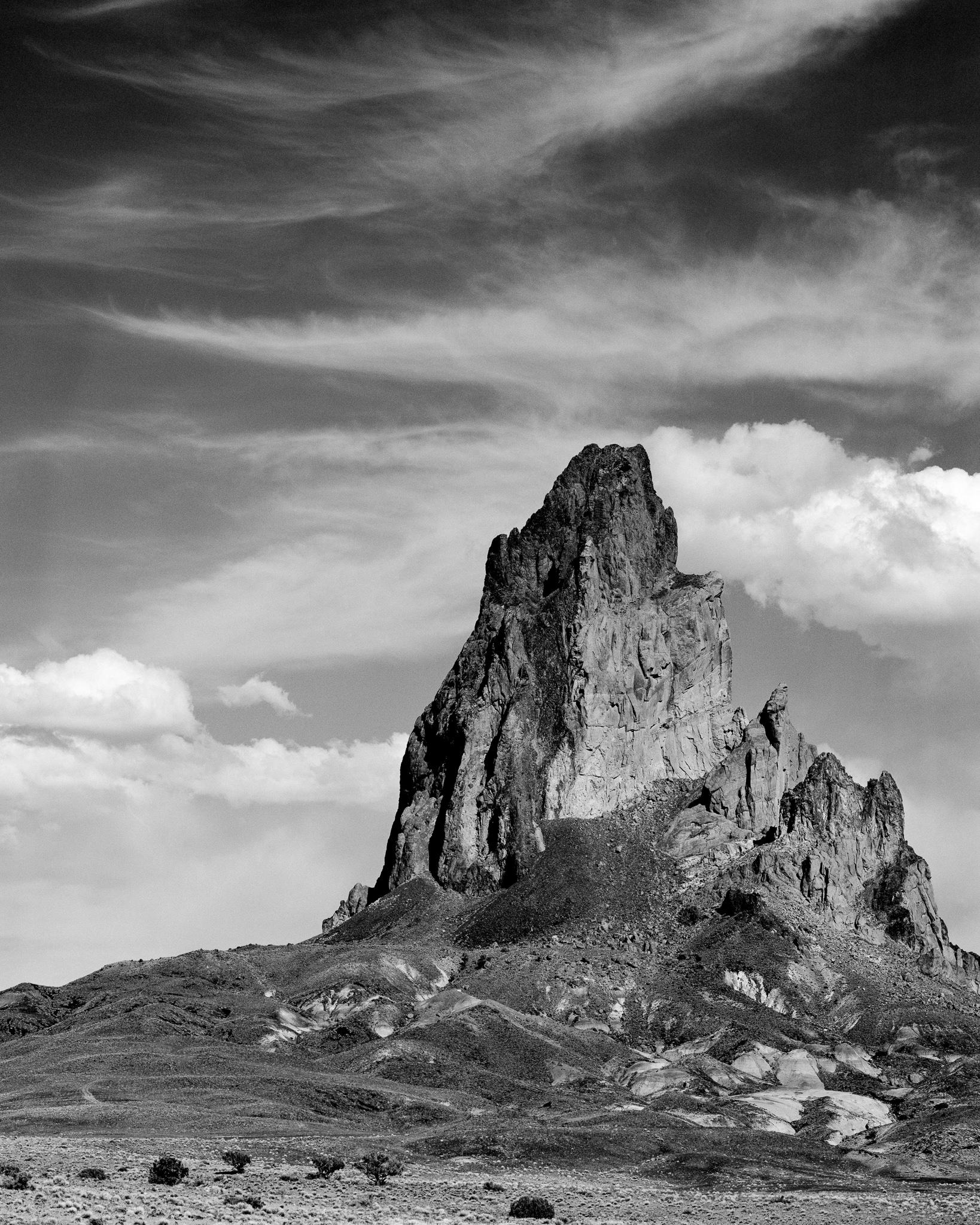
Fine Art Prints
Monument Valley and the surrounding canyon country — printed on 4x5 large format film. Limited edition fine art prints.
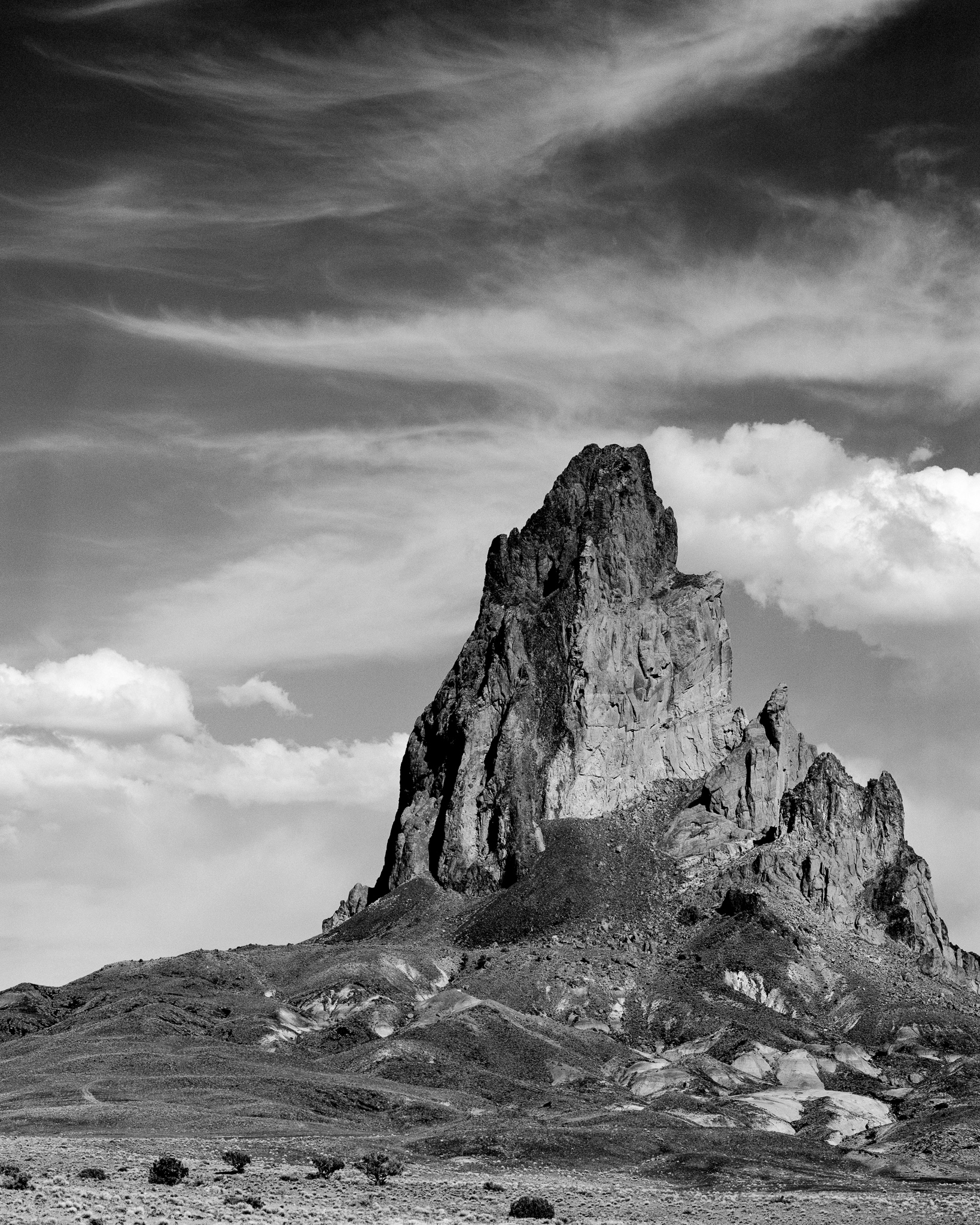
Monument Valley Photography: Locations, Scale, and Navajo Nation Access
Monument Valley Navajo Tribal Park stands as one of the most iconic and recognizable landscapes in the American Southwest. Located on the Arizona-Utah border within the Navajo Nation, this extraordinary landscape has served as the backdrop for countless films, photographs, and works of art. The massive sandstone buttes rising 400-1,000 feet from the valley floor create a dramatic skyline that has come to symbolize the American West.
As a photographer who has spent 25+ years capturing the Southwest's landscapes on large format film, Monument Valley holds a special place in my portfolio. The scale, geology, and lighting conditions here offer unique challenges and rewards. This guide shares practical information for photographing Monument Valley, from the iconic viewpoints to lesser-known locations, optimal timing, and the logistical considerations that will help you capture this magnificent landscape.
Getting There and General Information
Location and Access
Monument Valley is located approximately:
- 24 miles northeast of Kayenta, Arizona
- 175 miles from Flagstaff, Arizona (3.5 hours)
- 150 miles from Page, Arizona (2.5 hours) — base for Antelope Canyon and Horseshoe Bend
- 395 miles from Phoenix, Arizona (6 hours)
- 180 miles from Moab, Utah (3 hours)
The park entrance is accessed from US Highway 163. The visitor center sits at approximately 5,200 feet elevation, offering the famous overlook vista that most people recognize from movies and photographs.
Hours and Fees (2026)
- Park Hours: 8:00 AM to 4:30 PM (October - April), 6:00 AM to 8:00 PM (May - September)
- Entry Fee: $20 per vehicle (up to 4 people), $10 per additional person
- Commercial Photography Permit: Required for professional/commercial work
- Tripod Use: Allowed for personal use without additional permit
Note: Hours and fees subject to change. Check with the park before your visit.
Best Times for Photography
Seasonal Considerations
Spring (March - May): Moderate temperatures (50-75°F), wildflowers in wet years, increasing tourist traffic. Spring offers excellent lighting conditions and the rare Mitten Shadow Event occurs around the spring equinox in March.
Summer (June - August): Hot (80-100°F+), intense midday sun, dramatic monsoon storms in July-August. While challenging, summer monsoons can create spectacular dramatic lighting and cloud formations. This is peak tourist season, so expect crowds at popular viewpoints.
Fall (September - November): Ideal temperatures (50-75°F), excellent clarity, fewer crowds after Labor Day. Fall brings the second Mitten Shadow Event around the fall equinox in September. This is arguably the best overall season for photography.
Winter (December - February): Cold (20-50°F), fewest crowds, and occasionally extraordinary. I arrived once just ahead of a snowstorm — normally snow at Monument Valley lasts an hour or two once the sun comes up and burns it off. This one lasted into the afternoon. I had an entire morning shooting snow on the red mesas with partly cloudy skies moving through, which kept the light changing constantly. It's the kind of condition you can't plan for, only be in position for. Winter trips have lower odds but higher upside if weather comes through.
Daily Timing and Light
Sunrise: The Mittens face west, which means they're backlit at sunrise — the sun rises behind the visitor center overlook and the formations appear as silhouettes. Sunrise works well for that silhouette look, and the sky behind can be spectacular. But if you want to see the texture and color of the rock faces, sunset is the time. A lot of guides recommend sunrise for the Mittens and leave people disappointed when they arrive and realize the light is coming from the wrong direction.
Mid-Morning (8-11 AM): As the sun rises higher, contrast increases dramatically. While harsher than golden hour light, this can create dramatic shadows and deep blue skies that emphasize the buttes' massive scale.
Midday (11 AM - 2 PM): The grand landscape shots — foreground, mesas, sky — don't work well in midday light. The contrast is too high and the shadows too short. Use this time to look for more intimate compositions: rock details, smaller formations, abstract angles. Black and white film handles midday contrast better than color, and it extends your usable shooting hours on both ends of the day.
Late Afternoon (3-5 PM): The light begins to warm as shadows lengthen. This is when you should begin positioning for sunset photography, as the formations start catching that magic golden-hour glow.
Sunset (West-facing formations): Monument Valley's most photographed time. The setting sun illuminates the formations in rich, warm light while casting long dramatic shadows. Stay through blue hour for the soft pastel skies that follow sunset. My Monument Valley Sunset photograph captures this magical blue hour moment with the Mittens and Merrick Butte.
Blue Hour: The 20-30 minutes after sunset offer a completely different palette—soft purples, pinks, and blues create a serene, ethereal quality. The formations appear as dark silhouettes against the colorful sky.
Key Photography Locations
1. The Visitor Center Overlook
The Classic View: This is THE iconic Monument Valley view you've seen in countless photographs and films. From this elevated viewpoint, you'll see the West and East Mitten Buttes along with Merrick Butte aligned perfectly in the frame. This location offers:
- Easy access—no driving required beyond parking
- Both sunrise and sunset photography opportunities
- Elevated perspective showing the valley floor
- Foreground options including desert vegetation
- The famous view featured in my Monument Valley Sunset print
Best Time: Sunset and blue hour. The formations face west, so the setting sun comes from behind at a slight angle that shows the texture of the mesas. Sunrise gives you silhouettes against a colorful eastern sky — a different but equally valid look. Just don't expect to see the red rock faces illuminated at dawn.
Gear Considerations: Wide to medium telephoto lenses work well (24-135mm full-frame equivalent). Bring a sturdy tripod for sunset and blue hour photography when longer exposures become necessary.
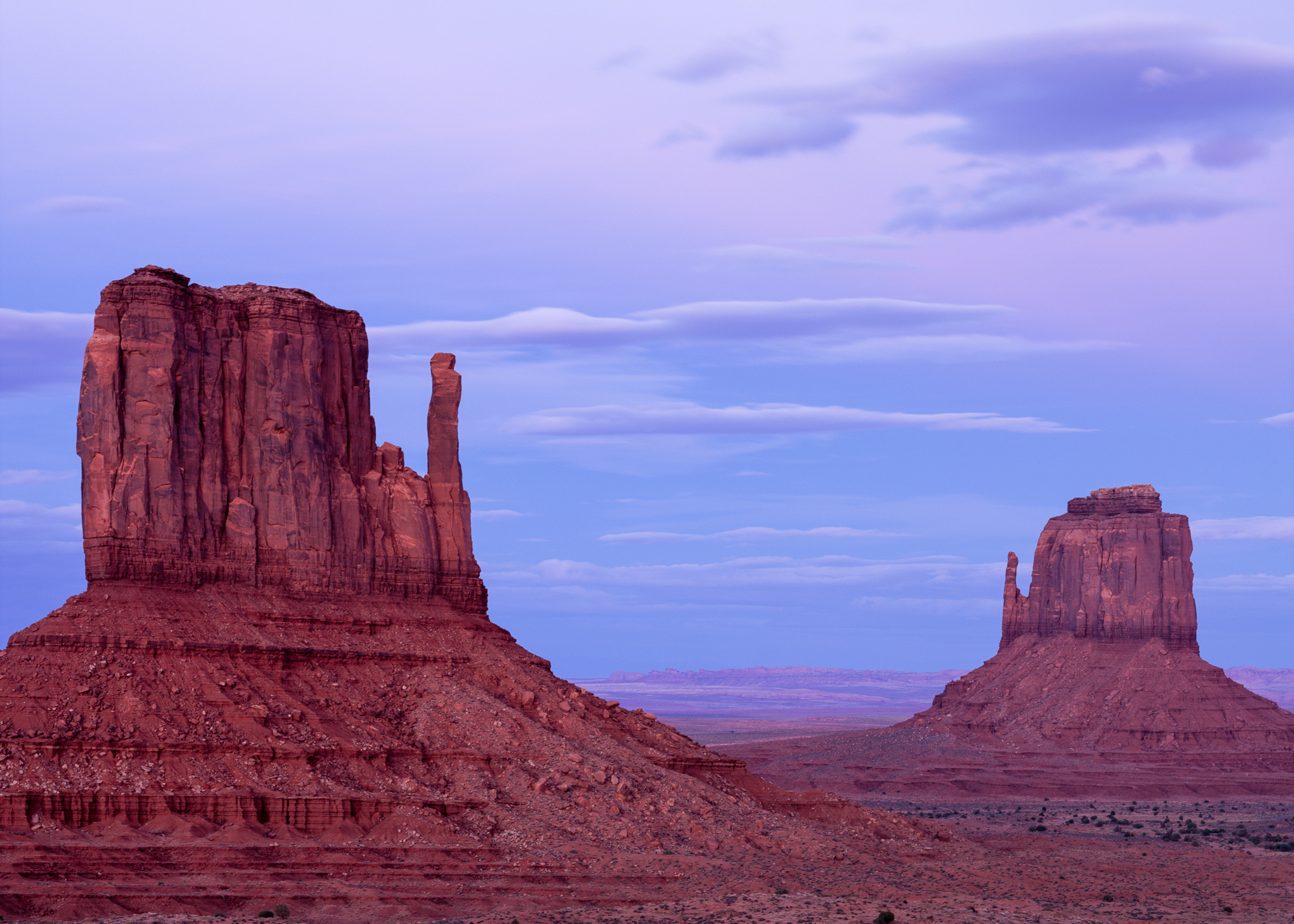
Monument Valley Sunset - The iconic view of the Mittens and Merrick Butte during blue hour from the Visitor Center overlook. View print details and purchase options →
2. Valley Drive - Mile 1.5 (John Ford's Point)
Perhaps the second most famous viewpoint in Monument Valley, John Ford's Point is named after the legendary director who filmed numerous Westerns here. This dramatic cliff-edge viewpoint looks directly out at the buttes from a different angle than the visitor center.
- Expansive panoramic views
- Different perspective on the Mittens
- Small vendor stalls add cultural context
- Best for mid-morning through afternoon light
3. Artist's Point
Located along the Valley Drive loop, Artist's Point offers a closer view of the Spearhead Mesa and other formations. This is an excellent sunrise location as it faces east, allowing you to capture the buttes as they catch first light.
4. Valley Drive - Various Stops
The 17-mile Valley Drive loop (unpaved, rough road) provides numerous pullouts and viewpoints:
- Three Sisters: Unique formation with three distinct spires
- Camel Butte: Named for its distinctive profile
- The Hub: Central formation visible from multiple angles
- Totem Pole and Yei Bi Chei: Tall, narrow spires (guided tour access only)
Important: High-clearance vehicles recommended. The road is extremely rough in sections with deep sand, rocks, and washboard surfaces. Allow 2-3 hours minimum for the full loop, longer if photographing multiple locations.
5. Highway 163 Viewpoints (Forrest Gump Point)
The straight section of US-163 approaching from the south offers the famous "Forrest Gump" road shot, with the highway leading directly toward the buttes. This requires photographing from the highway shoulder, so exercise extreme caution with traffic.
- Best in early morning or late afternoon light
- Wide angle lens (16-35mm) captures road and formations
- Use extreme caution—this is an active highway
- Park completely off pavement, watch for traffic constantly
6. Agathla Peak (El Capitan)
While not technically in the main Monument Valley park area, Agathla Peak rises dramatically from the desert floor about 20 miles southwest. This volcanic plug stands in stark contrast to the sedimentary buttes and makes for stunning sunset photography. See my Agathla Peak Sunset photograph capturing this dramatic formation.
- Access from US-163, visible from highway
- Best photographed at sunset with warm light
- Unique geology differs from the sandstone buttes
- Less crowded than main park locations
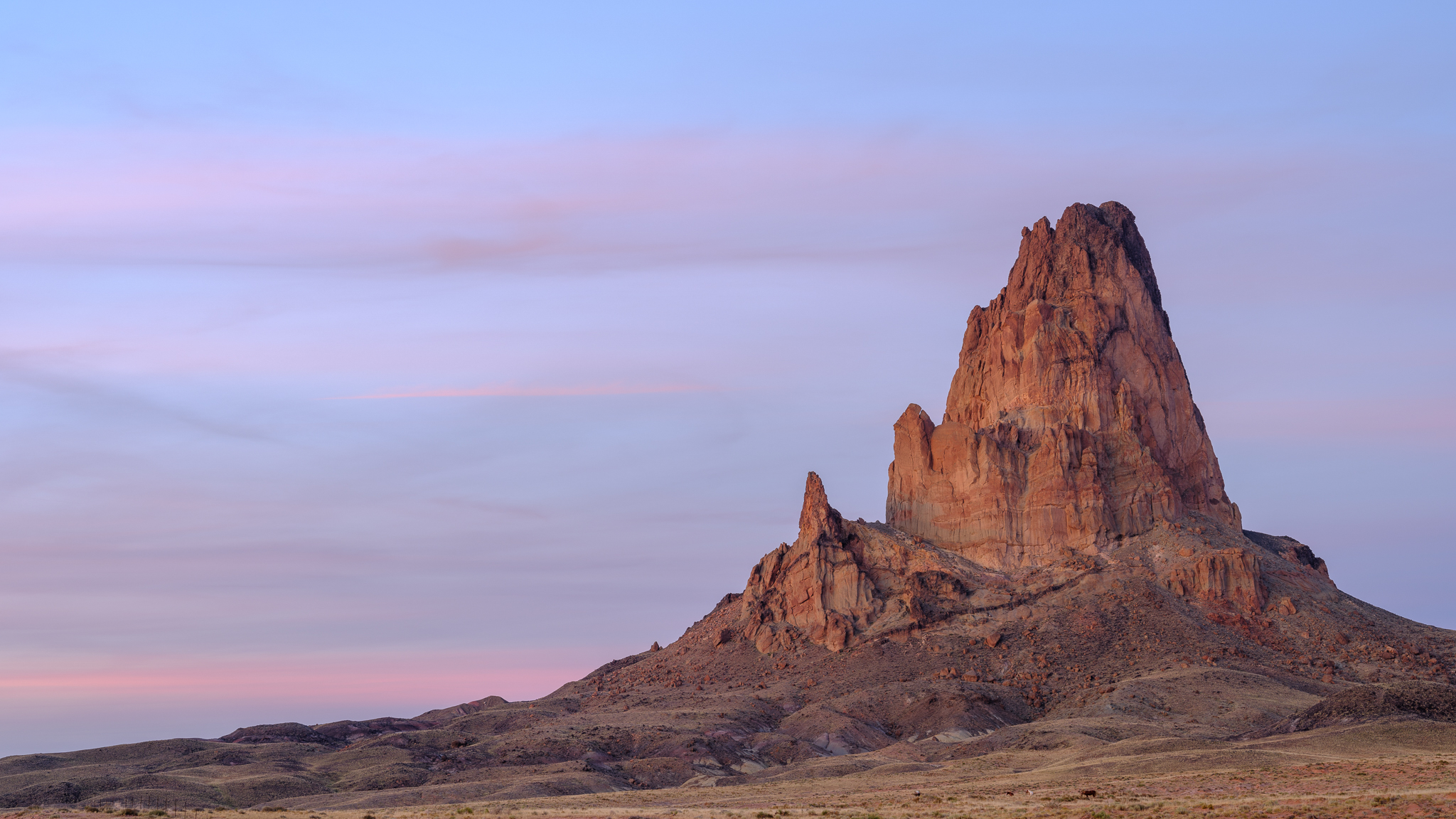
Agathla Peak at sunset - This dramatic volcanic plug rises 1,500 feet above the desert floor southwest of Monument Valley, creating a striking contrast to the sedimentary formations. View print details and purchase options →
Special Events and Phenomena
The Mitten Shadow Event
Twice yearly, around the spring and fall equinoxes, a remarkable celestial alignment occurs where the West Mitten casts its shadow directly onto the East Mitten. This ephemeral event lasts only 15-20 minutes and draws photographers from around the world. The alignment happens in mid-March and mid-September, with the exact dates varying slightly each year.
I've written a detailed guide about this phenomenon, including planning tips, weather considerations, and what to expect. Read the full Mitten Shadow Event article for comprehensive information about photographing this unique occurrence.
Technical Photography Considerations
Recommended Equipment
Camera and Lenses:
- Wide angle (16-35mm): Essential for sweeping landscape views
- Standard zoom (24-70mm): Versatile for most compositions
- Telephoto (70-200mm): For isolating individual formations
- Sturdy tripod: Critical for sunrise, sunset, and blue hour work
For Large Format Photographers: I typically work with my Arca-Swiss 4x5 camera using lenses from 90mm (wide) to 210mm (telephoto equivalent). The large format perspective control capabilities are particularly valuable for keeping vertical lines straight when photographing these towering formations. Learn more about why I continue shooting large format in my article on large format photography in the digital age.
Camera Settings
Sunrise and Sunset:
- Aperture: f/8 to f/16 for maximum depth of field
- ISO: 100-400 (use tripod for longer exposures)
- Shoot RAW for maximum post-processing flexibility
- Bracket exposures for high dynamic range scenes
- Use graduated neutral density filters for balanced exposures
Midday:
- Polarizing filter to deepen blue skies and reduce haze
- Lower ISO (100-200) for cleanest image quality
- Consider black and white conversion for harsh light
Composition Strategies
Scale and Perspective: The buttes are massive—400 to 1,000 feet tall. Include foreground elements (rocks, desert vegetation, the road) to provide scale and depth to your compositions. Without something in the foreground, the formations can appear flat despite their enormous size.
The Rule of Thirds: While the symmetrical arrangement of the Mittens is tempting to center, try placing the formations along the thirds grid for more dynamic compositions. The expansive desert sky and valley floor provide opportunities to emphasize either element depending on conditions.
Leading Lines: Use natural elements—wash lines, rock formations, the road itself—to draw the viewer's eye toward the buttes. The Valley Drive road, desert tracks, and natural erosion patterns all serve as effective leading lines.
Silhouettes: During sunrise and blue hour, consider silhouetting the formations against colorful skies. This simplified approach can be just as powerful as capturing full detail in the rock faces.
Practical Tips and Logistics
Vehicle Requirements
In good dry conditions, the Valley Drive loop is manageable in a standard passenger car — it's a dirt road with some washboard and soft sand sections but nothing that requires clearance or 4WD when conditions are normal. After rain it's a different story: the clay soil becomes extremely slick and the road can close entirely. Check conditions before driving in and don't push it if the surface looks questionable.
Alternative: If you don't have a suitable vehicle, guided tours are available from the visitor center. These tours use high-clearance vehicles and visit locations not accessible to private vehicles.
Weather and Environmental Conditions
Summer Heat: Temperatures regularly exceed 95°F (35°C) in July and August. Start extremely early or wait until evening to avoid the harshest conditions. Bring at least 1 gallon of water per person for the day. The dry desert air can be deceiving—you're losing moisture rapidly even if you're not obviously sweating.
Dust and Sand: Desert winds can kick up significant dust, especially in dry conditions. Keep your camera equipment protected when not actively shooting. Have lens cleaning supplies readily available. For film photographers, load and unload film in the most protected environment possible to avoid dust contamination.
Monsoon Season: July through September brings afternoon thunderstorms. While these create dramatic photo opportunities with storm clouds and lightning, they also bring flash flood danger. Never drive or walk through flooded washes. Weather can change rapidly—always have an escape route planned. For more on working with unpredictable desert weather, see my experience during the Mitten Shadow Event.
Winter Cold: High desert elevation means cold winter temperatures, especially at sunrise and after sunset. Temperatures can drop below freezing at night even when daytime highs are pleasant. Dress in layers and bring more warm clothing than you think necessary.
Respect and Cultural Sensitivity
Monument Valley is within the Navajo Nation and holds deep cultural and spiritual significance. As photographers and visitors, we're guests on tribal land. Please observe these important guidelines:
- Stay on designated roads and trails
- Do not climb on the formations
- Respect "No Photography" signs in certain ceremonial areas
- Ask permission before photographing Navajo people or their homes
- Support local vendors—they're part of the community
- Pack out all trash and leave no trace
- Respect cultural sites and artifacts—look but don't touch
The importance of scouting locations respectfully extends beyond just finding good compositions—it's about understanding and honoring the places we photograph.
Where to Stay
The View Hotel: Located within the park boundaries with direct views of the Mittens from your room. Premium location for sunrise photography—you can literally roll out of bed and set up your tripod. Advance reservations essential, especially for spring and fall.
Goulding's Lodge: Historic lodge just outside the park with excellent amenities. Good alternative when The View is booked. About 5 minutes from the park entrance.
Kayenta (24 miles): Several chain hotels if closer accommodations are full. Budget-friendly but requires earlier wake-up times for sunrise photography.
Camping: The View Campground offers basic sites with unparalleled sunrise access. Primitive camping—no hookups but restroom facilities available.
Beyond the Iconic Shots
Finding Your Own Perspective
Monument Valley is one of the most photographed landscapes on Earth. The challenge isn't finding good shots—they're everywhere—but finding perspectives that feel personal and unique. Here are some approaches that have worked for me:
- Work the edges: Everyone photographs the main viewpoints. Look for side angles, unusual perspectives, and less obvious compositions.
- Emphasize mood over documentation: Rather than trying to capture everything, focus on the feeling of the place—the scale, the solitude, the ancient geology.
- Include human elements thoughtfully: The occasional vehicle, person, or sign of habitation can actually enhance the sense of scale and provide context.
- Consider abstract approaches: Telephoto isolations of rock textures, patterns in the sand, details rather than grand vistas.
- Be patient: As I discuss in my article on patience in landscape photography, sometimes the best images come from waiting for that perfect moment when light, weather, and composition align.
The Marathon Approach
Monument Valley rewards multiple visits. Different seasons, weather conditions, and times of day completely transform the landscape. My own Monument Valley Sunset photograph was captured during blue hour—a time many photographers pack up and leave. But that soft, serene light after sunset provided exactly the mood I was seeking.
Don't feel pressure to capture everything in one visit. Instead, focus on deeply experiencing and photographing one aspect of this remarkable landscape. You can always return.
Sample Itinerary: One-Day Photography Visit
5:30 AM: Arrive at visitor center overlook for sunrise setup (adjust time seasonally)
6:15-7:30 AM: Sunrise photography from main overlook
8:00-11:00 AM: Drive Valley Drive loop, stopping at multiple viewpoints
11:00 AM-2:00 PM: Midday break—rest at hotel, review images, scout for evening
2:30-4:00 PM: Explore alternate angles, Highway 163 viewpoints
4:30-7:30 PM: Position for sunset and stay through blue hour
Fine Art Prints
Monument Valley Photography Prints
These photographs were made on 4x5 large format film over 25 years of visits to the valley. Each is available as a limited edition fine art print — archival pigment on museum-grade paper, with certificate of authenticity.
Monument Valley rewards multiple trips. The light changes with the season, the weather changes the mood, and some conditions — snow on the mesas, monsoon clouds building behind the Mittens — you simply can't predict or replicate. Come prepared, be patient, and stay through blue hour. Most people leave at sunset. The 20 minutes after are often the best of the day.
More work from Monument Valley and the surrounding region is in my Arizona landscape gallery and my desert light collection.
Frequently Asked Questions
- What is the best time of year to photograph Monument Valley?
- Fall (September–November) is the best overall season — comfortable temperatures, clear skies, and fewer crowds after Labor Day. Spring (March–May) is the second choice, coinciding with the Mitten Shadow Event around the equinox. Summer brings dramatic monsoon clouds but also extreme heat and flash flood risk.
- Where is the best spot to photograph Monument Valley?
- The visitor center overlook gives the classic view of the Mittens and Merrick Butte and requires no guide. Valley Drive, the 17-mile self-guided loop, adds close-up angles at John Ford's Point, Three Sisters, Totem Pole, and North Windows. Some areas deeper in the valley require a licensed Navajo guide — ask at the visitor center for current access details.
- What is the Mitten Shadow Event at Monument Valley?
- Twice a year, around the spring and fall equinoxes (mid-March and mid-September), the setting sun aligns so West Mitten Butte casts its shadow directly onto East Mitten. The window lasts about 15–20 minutes before sunset. It requires precise positioning and is worth planning a dedicated trip around.
- Do you need a permit to photograph Monument Valley?
- Entry to the Navajo Tribal Park requires a $20 per vehicle fee. Commercial photography requires a separate permit from the Navajo Nation. Personal photography from the overlook and Valley Drive does not require any additional permit beyond the entry fee. Tripods are allowed for personal use.
- How far is Monument Valley from Page, Arizona?
- Monument Valley is approximately 150 miles (about 2.5 hours) from Page, Arizona. Most Southwest photography itineraries use Page as a base, combining Monument Valley with Antelope Canyon (10 minutes from Page) and Horseshoe Bend over 3–4 days.
Explore Related Photography
Enjoyed this article?
Subscribe for more photography stories, techniques, and exclusive behind-the-scenes content.
Related Posts
Best Places to Photograph Snow-Covered Mountains in Winter
Winter transforms mountain landscapes in ways no other season can. Where to go, when to go, and what to expect — from Yosemite's granite walls under fresh snow to Zion's red canyon in a storm.
Analog Landscape Photography: Why Film Still Makes Sense in 2026
Most photographers who've tried 4x5 large format film don't go back to digital for their serious landscape work. Here's the honest case for shooting analog in an era when you have no practical reason to.
Limited Edition Landscape Prints for Sale: Southwest Fine Art Photography
A look at what makes a limited edition landscape print worth owning — how editions work, what media options hold up over decades, and which prints from the American Southwest collection are still available.
Tags
Marty Quinn
Large format film photographer based in Phoenix, Arizona. Shoots on 4x5 Arca-Swiss view cameras across the American Southwest — Utah, Arizona, Death Valley, and the Colorado mountains. 25+ years behind the lens. Published in Outdoor Photographer magazine (The Last Frame, June 2008). About Marty →