
Antelope Canyon Photography Guide: Upper, Lower & Light Beams
A complete guide to photographing Antelope Canyon in Page, Arizona. Covers Upper vs Lower Canyon, mandatory guided tours, how to capture the famous light beams, camera settings for extreme contrast, and what to expect on a photography tour.
Fine Art Prints
Slot canyon and reflected light photographs from Arizona canyon country — 4x5 large format film. Limited edition fine art prints.
Antelope Canyon Photography: What You Need to Know Before You Go
Antelope Canyon is probably the most photographed slot canyon on Earth. Every year hundreds of thousands of visitors pass through its narrow sandstone corridors, cameras in hand, chasing the same shafts of light that have appeared on millions of desktop backgrounds and gallery walls. It's also one of the trickiest locations to actually photograph well. The crowds, the mandatory guided tour format, and the extreme contrast between bright light beams and dark canyon walls make it more technically demanding than it first appears.
I've photographed slot canyons throughout the Southwest for over 25 years on large format film. The principles behind what makes Antelope Canyon's light so compelling — reflected canyon walls, warm color temperatures, soft wraparound illumination — apply across dozens of locations from the Zion Narrows to the canyons around Capitol Reef. But Antelope Canyon does it at a scale and intensity that's hard to match. This guide covers what you need to know before you go, including the decisions that will determine whether you come away with images worth keeping.
Getting There
Location
Both Upper and Lower Antelope Canyon are located just outside Page, Arizona, on Navajo Nation land. Page is a small city that serves as the hub for several major Southwest photography destinations:
- From Las Vegas: 275 miles (4 hours) via US-93 and US-89
- From Phoenix: 270 miles (4 hours) via US-89
- From Flagstaff: 130 miles (2 hours) via US-89
- From Monument Valley: 95 miles (1.5 hours) via US-160 and US-89
- From Zion National Park: 135 miles (2 hours) via US-89
Page is a logical base for combining Antelope Canyon with Lake Powell, Horseshoe Bend, and the road north toward Monument Valley and the Utah canyon country.
Guided Tours — Mandatory
Both Upper and Lower Antelope Canyon sit within Navajo Nation lands and require a licensed Navajo guide. You cannot enter independently. Tours are operated by Navajo-owned companies and must be booked in advance — same-day availability is rare during peak season and essentially nonexistent for photography-specific tours.
Book as far ahead as possible. Photography tours for Upper Antelope Canyon (the ones that allow tripods and give you extended time at the light beam locations) sell out months in advance during summer. Standard tours move quickly and don't allow tripods. If photography is your primary goal, a photography tour is the only option worth booking.
Note: Tour operators, fees, and availability change. Check current listings directly with Navajo tour companies for current pricing and booking information before planning your trip.
Upper vs Lower Antelope Canyon
The two canyons are distinct locations with different characters and different photographic strengths. Understanding the difference before booking will save you from showing up at the wrong one for what you want to photograph.
Upper Antelope Canyon (Tse' bighanilini — "the place where water runs through rocks")
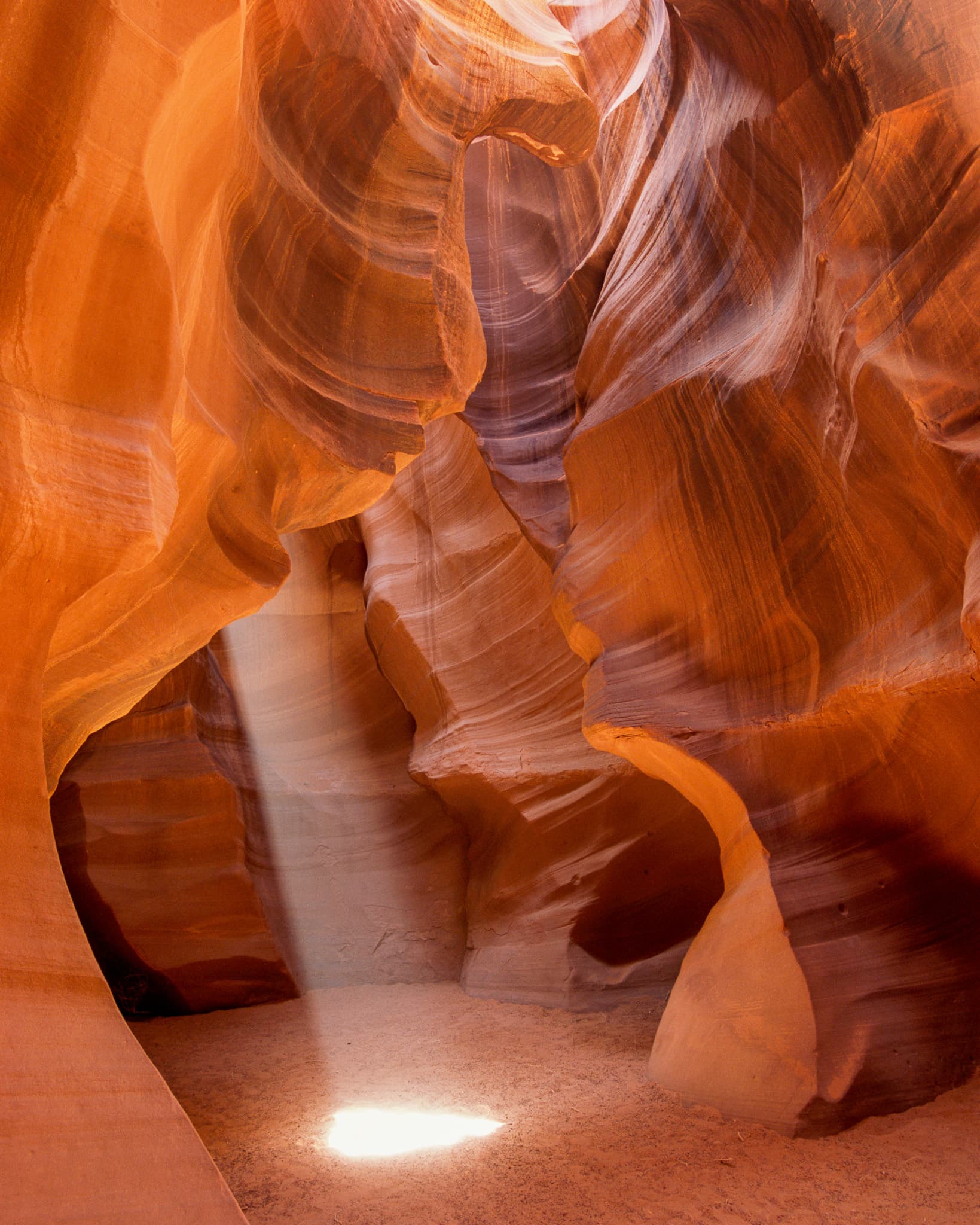
Upper is the canyon in nearly every photograph you've seen. The light beams — vertical shafts of sunlight penetrating the narrow slot from above — occur here from late March through late October, most dramatically from May through September when the sun is near its apex. The canyon floor is relatively flat and accessible, which is why it draws more visitors and why tour groups move through at pace.
For photographers, the Upper Canyon offers the highest ceiling and the most dramatic beam potential. The tradeoff is the volume of people. Even on photography tours, you're sharing the space with a group, and the guide controls timing and positioning. Patience matters here more than technique.
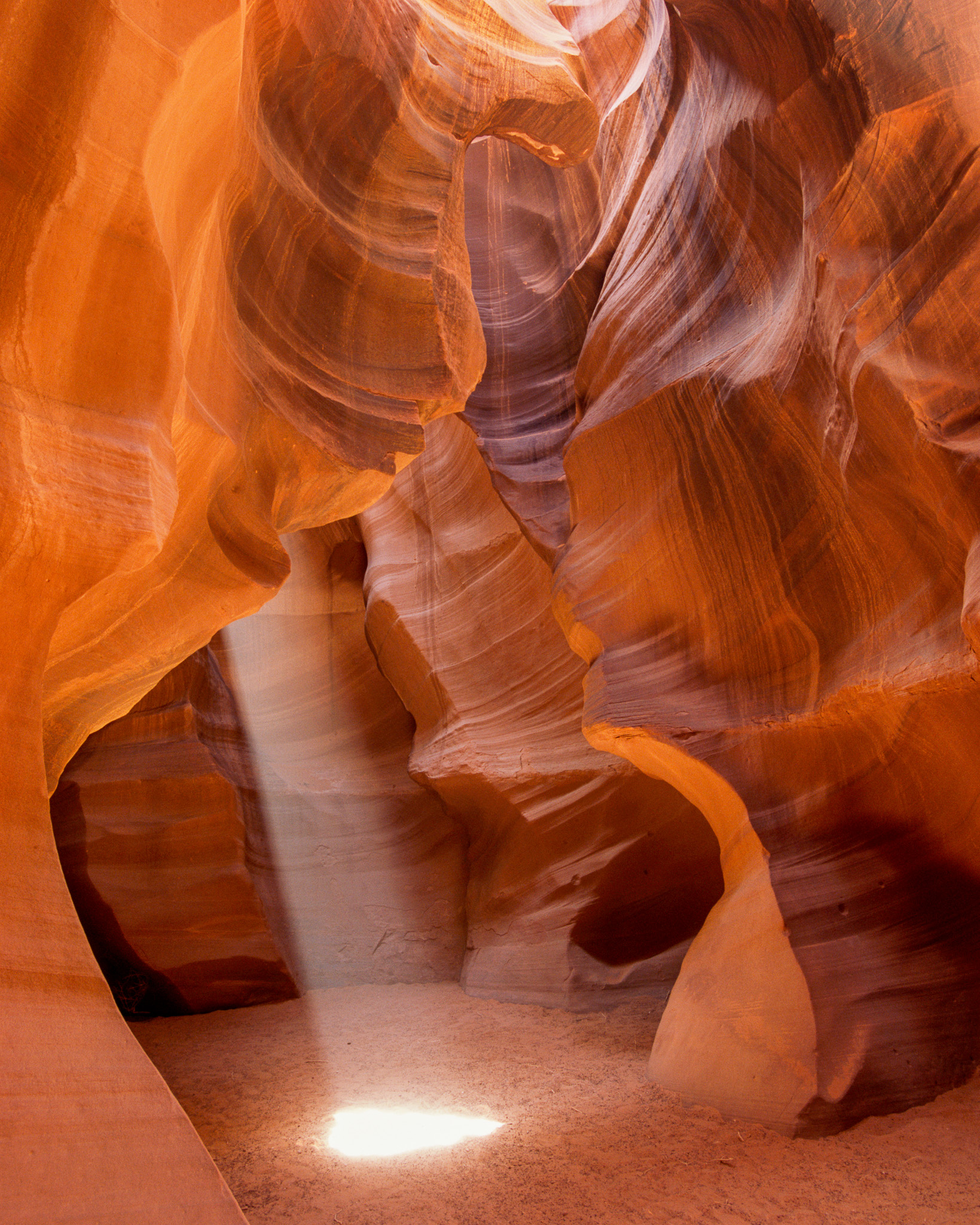
Single Beam of Light — Upper Antelope Canyon, the light beam that defines this location
Lower Antelope Canyon (Hazdistazi — "spiral rock arches")
Lower is narrower, deeper, and requires descending ladders into the canyon. It receives fewer visitors than Upper and the canyon's corkscrew shapes create more complex compositions. There are no famous light beams here — the canyon is too deep and narrow for vertical shafts — but the bounce light wrapping around the walls is excellent throughout the day, and the lack of vertical light makes exposure significantly easier.
If you're shooting on a standard tour (no tripod, moving with a group), Lower Antelope Canyon is often the better choice. The walls are closer, the canyon shapes are more intricate, and the quality of soft reflected light is consistent rather than dependent on catching a specific weather and time window.
The short answer: Upper Canyon for light beams (requires a photography tour and the right season). Lower Canyon for canyon shapes and reflected light (better year-round, easier exposure).
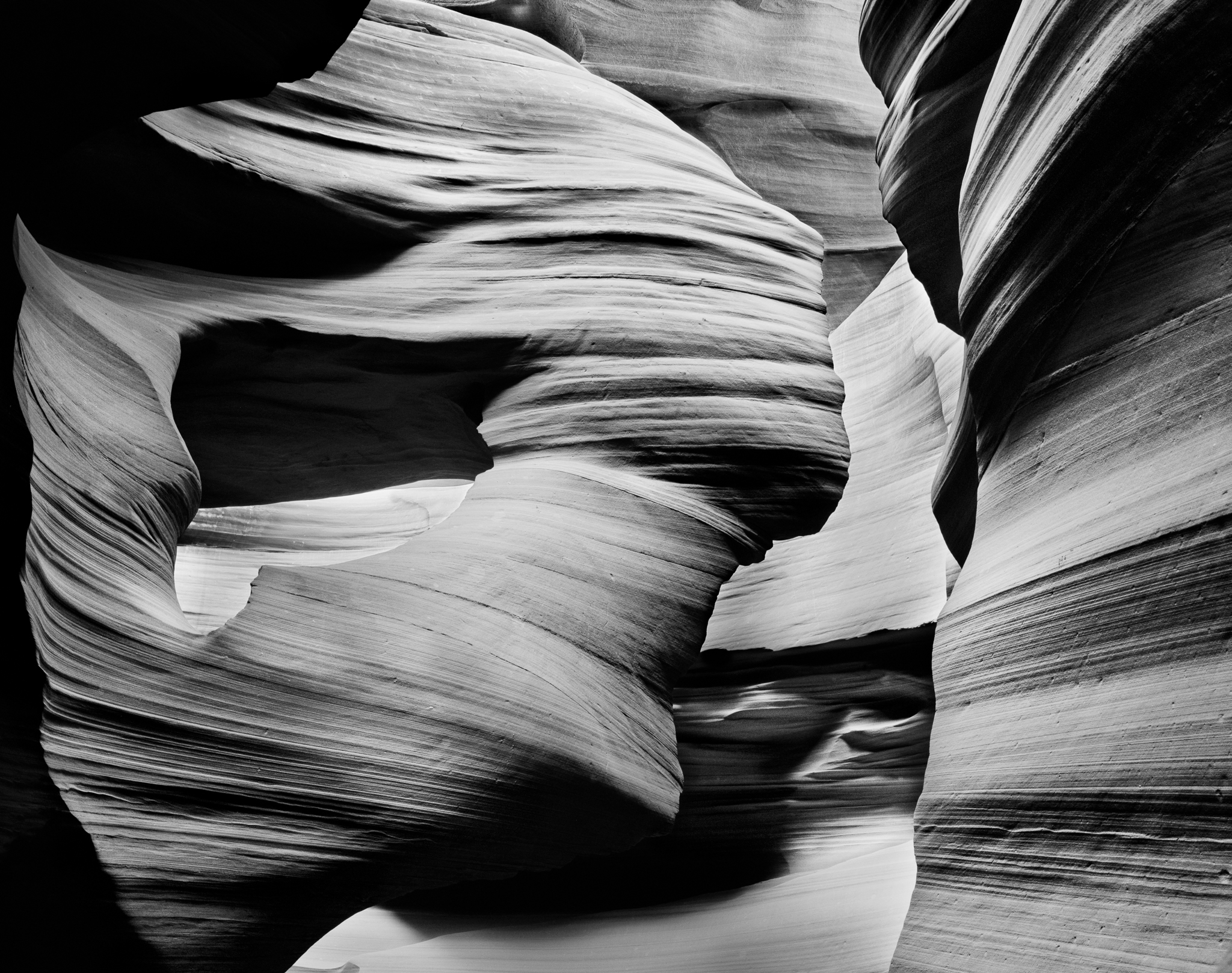
Canyon Bust — the corkscrew sandstone walls of Lower Antelope Canyon
Best Times for Photography
Season
Spring (March - May): Light beams begin in Upper Canyon from late March onward as the sun angle rises. Temperatures are comfortable (55-75°F in Page). March and April have fewer crowds than summer. The beams grow stronger through May as the sun climbs higher.
Summer (June - August): Peak beam season. The sun is almost directly overhead at midday, driving shafts of light deep into the canyon floor. This is also peak tourist season — tours sell out and you'll share the canyon with maximum crowds. Temperatures in Page reach 100°F+, though the canyon itself stays cooler. The dramatic conditions justify the crowds if you've planned ahead.
Fall (September - October): Light beams continue through September, and crowds thin noticeably after Labor Day. October is probably the best balance of good beam light, reasonable temperatures, and manageable visitor numbers.
Winter (November - February): No light beams in Upper Canyon — the sun angle is too low to penetrate the slot. But the canyon walls still glow with reflected light, the colors are warm, and this is the least crowded season. Lower Canyon is arguably at its best in winter for this reason.
Time of Day
For Upper Canyon light beams, midday is the target — roughly 11 AM to 1:30 PM from late spring through early fall. This is counterintuitive for landscape photographers trained to avoid midday light, but inside a slot canyon, the overhead sun is exactly what you want. The tour you book will be scheduled accordingly.
For Lower Canyon, any time of day works. Morning tours tend to be less crowded than afternoon. The canyon's deep shape diffuses all direct light, so the reflected light quality is relatively consistent.
How to Photograph Antelope Canyon Light Beams
The light beams are the reason most photographers make the trip to Upper Antelope Canyon. Here's exactly how to capture them.
When the Beams Appear
Light beams form when direct sunlight enters the narrow slot from directly overhead — which only happens when the sun is near its apex. The target window is 10 AM to 1:30 PM, mid-April through mid-September. Peak months are June and July when the sun is highest. March and October produce weaker beams as the sun angle drops. Photography tours at Upper Canyon are scheduled around this window specifically.
Why Lower Antelope Canyon Doesn't Have Light Beams
Lower Antelope Canyon is deeper and the slot above is narrower, which prevents direct sunlight from reaching the canyon floor as a distinct beam. Instead it produces excellent diffused reflected light throughout the day — a different but equally compelling quality. If the iconic vertical light shafts are your primary goal, Upper Canyon is the only option.
Positioning and Composition
Your guide will direct you to the optimal beam positions — listen to them. They've watched how the light moves through the canyon thousands of times and know where the beam will land three minutes from now. Position yourself low to capture the beam from floor level, which elongates the shaft and shows the sand particles lit from above. Shooting upward into the slot where the beam originates creates a more abstract composition that works well in black and white.
The Sand Throw
Guides at Upper Antelope Canyon often throw handfuls of fine sand into the beam to make it visible as a solid column of light rather than a subtle glow. This is worth anticipating — the effect is dramatic and photographs clearly. The sand also lands on your equipment, so keep a lens cloth accessible and plan to clean your gear after the tour.
Camera Settings for Slot Canyon Photography
The technical challenge in Antelope Canyon is contrast. When a beam of direct sunlight meets the dark canyon interior, the dynamic range can exceed what any camera sensor captures in a single exposure. How you handle this determines the final image.
Exposure
- Expose for the beam, not the canyon walls. If you expose for the bright sand in the light shaft, the surrounding walls fall into shadow appropriately. Overexposed beams are the most common mistake.
- Use spot metering aimed at the beam itself, or use evaluative/matrix metering and apply -1 to -2 stops of exposure compensation.
- Bracket aggressively. Shoot three to five frames from -2 to +1 stop. Canyon light changes second to second as the sun moves.
- ISO 400-800 is typical — the interior is dark despite the beams. You'll be shooting handheld on standard tours, so shutter speed matters.
- f/8 gives workable depth of field through the canyon without requiring excessively long exposures.
White Balance
The sandstone walls emit intensely warm light — deep amber and orange tones that are the canyon's signature. Shoot in RAW. Auto white balance will try to neutralize this warmth, which is exactly the wrong thing to do here. Set a custom warm white balance (around 6000-7000K), or leave it on auto and adjust in post, keeping the warmth intentionally high.
Tripod and Sand
Photography tours allow tripods; standard tours do not. If you bring a tripod, protect it. The fine sand in Antelope Canyon gets into everything — legs, ball heads, quick release plates. Bring a small brush and plan to clean your gear after. The guides will sometimes throw handfuls of sand into the light beams to enhance the effect, which is worth knowing about — it elevates the beam dramatically but also adds sand directly to your working environment.
Wide Angle vs Standard
A 16-24mm wide angle captures the full height of the canyon walls and the sense of enclosure. A 50mm standard lens isolates individual beam and wall formations for cleaner compositions. Both have a place. Leave the telephoto at the hotel — the canyon is narrow and you're working in tight quarters.
The Physics of Slot Canyon Light
What makes Antelope Canyon's light so unusual is the same phenomenon at work throughout the Southwest's slot canyons: sunlight enters a narrow opening, strikes the warm-toned sandstone walls, and reflects down through the passage as diffused, colored light. The walls act as both reflector and color filter — orange and red rock turns reflected light amber; white or cream stone makes it cooler and softer.
In Upper Antelope Canyon, the additional element is the direct beam itself — unobstructed light traveling from the narrow opening all the way to the canyon floor. This only works when the sun is nearly overhead, which is why the seasonal and daily timing constraints are real rather than marketing. The same physics that makes Antelope Canyon famous operate throughout the Southwest, from the Zion Narrows to the canyon country around Page. My guide to bounce light in canyon photography goes deeper into the technique and how to find this quality of light beyond the most famous locations.
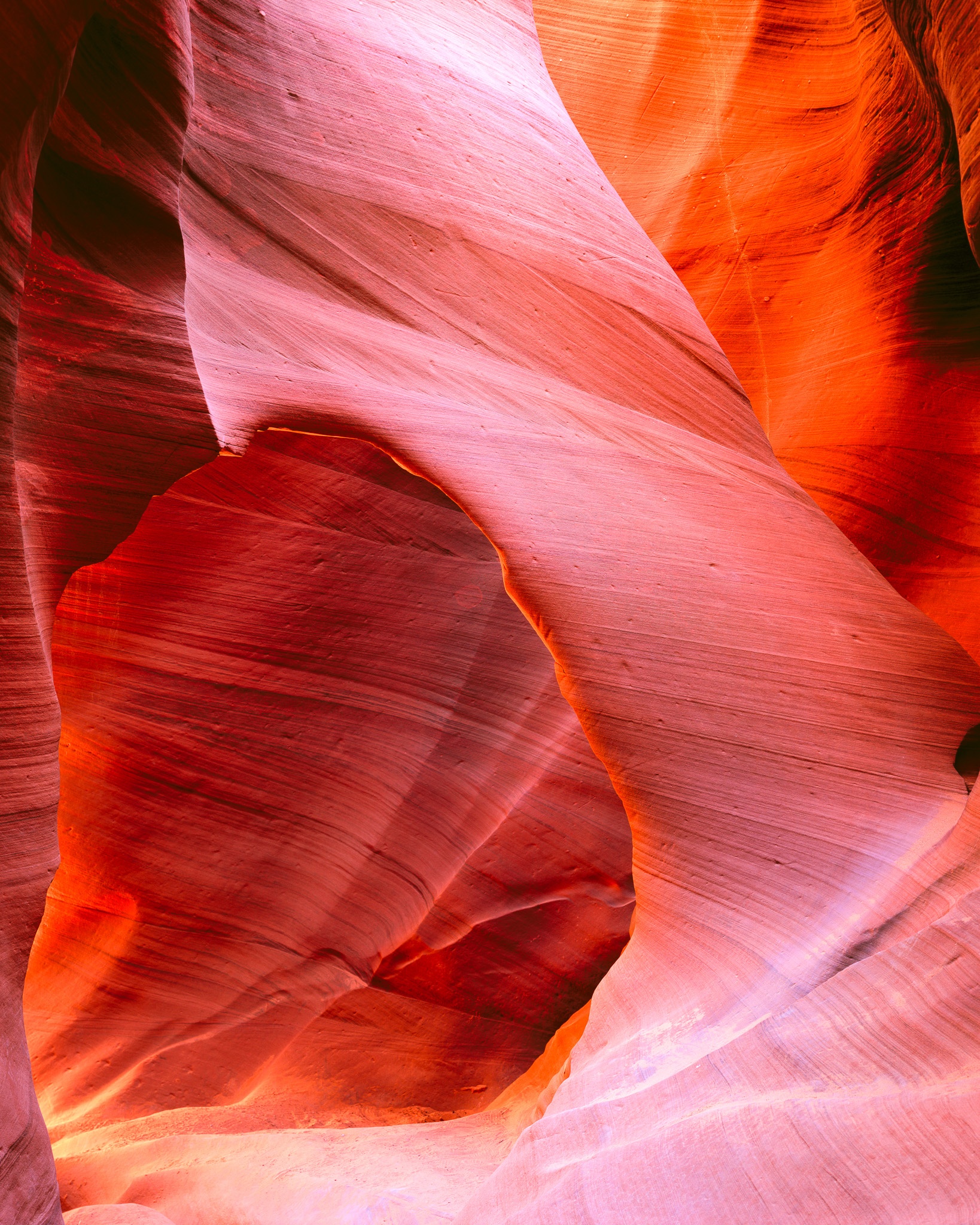
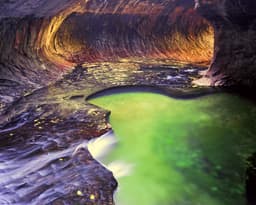
Arch Slot — warm reflected light wrapping through Arizona canyon country
What to Expect on the Tour
Standard tours move fast — 45 to 60 minutes through the canyon, stopping briefly at designated compositions. The guide points out shapes and patterns in the walls (there's a famous "Chief's Head" formation in Upper Canyon that every guide mentions). You won't have time to work a composition carefully or wait for clouds to shift. If this is your first time, a standard tour is a reasonable introduction.
Photography tours are a different experience. You're in smaller groups, you move more slowly, and the guide positions you for the optimal light beam angles rather than rushing through. Some operators schedule multiple tours back-to-back through the peak beam window so you can see the light shift. This is worth the extra cost if you're serious about the work.
A few practical notes:
- Arrive 15-20 minutes early. Tours depart on schedule and they won't wait.
- Wear closed-toe shoes. The sand is deep in places and the canyon floor is uneven.
- Leave large backpacks behind if possible — the canyon is narrow and a large pack catches on walls and disrupts other visitors.
- Sandstorms can close the canyon. Tours are cancelled during high winds and rain. Flash flooding risk is real — the canyon drains a large watershed above. Your guide will monitor conditions.
Nearby Locations Worth Combining
Page, Arizona is surrounded by some of the Southwest's most photogenic landscape. If you're making the trip, these are worth building into the itinerary:
- Horseshoe Bend: 10-minute drive from Page. A 1.5-mile round trip hike brings you to the famous Colorado River meander. Sunrise and sunset are the standard options; sunrise gives you front light on the canyon walls.
- Lake Powell: Dramatic reservoir landscape with red canyon walls meeting the water. Best photographed from a boat or kayak at dawn.
- Vermilion Cliffs and The Wave: The Wave requires a permit lottery (extremely competitive), but the broader Vermilion Cliffs area offers accessible red rock formations without permits.
- Monument Valley: 95 miles southeast — a full day trip that pairs well with the Arizona canyon country.
Fine Art Prints
Slot Canyon & Reflected Light Prints
Arizona canyon light photographed on 4x5 large format film. The prints below are from slot canyons and canyon country within a few hours of Antelope Canyon — each available as a limited edition fine art print.
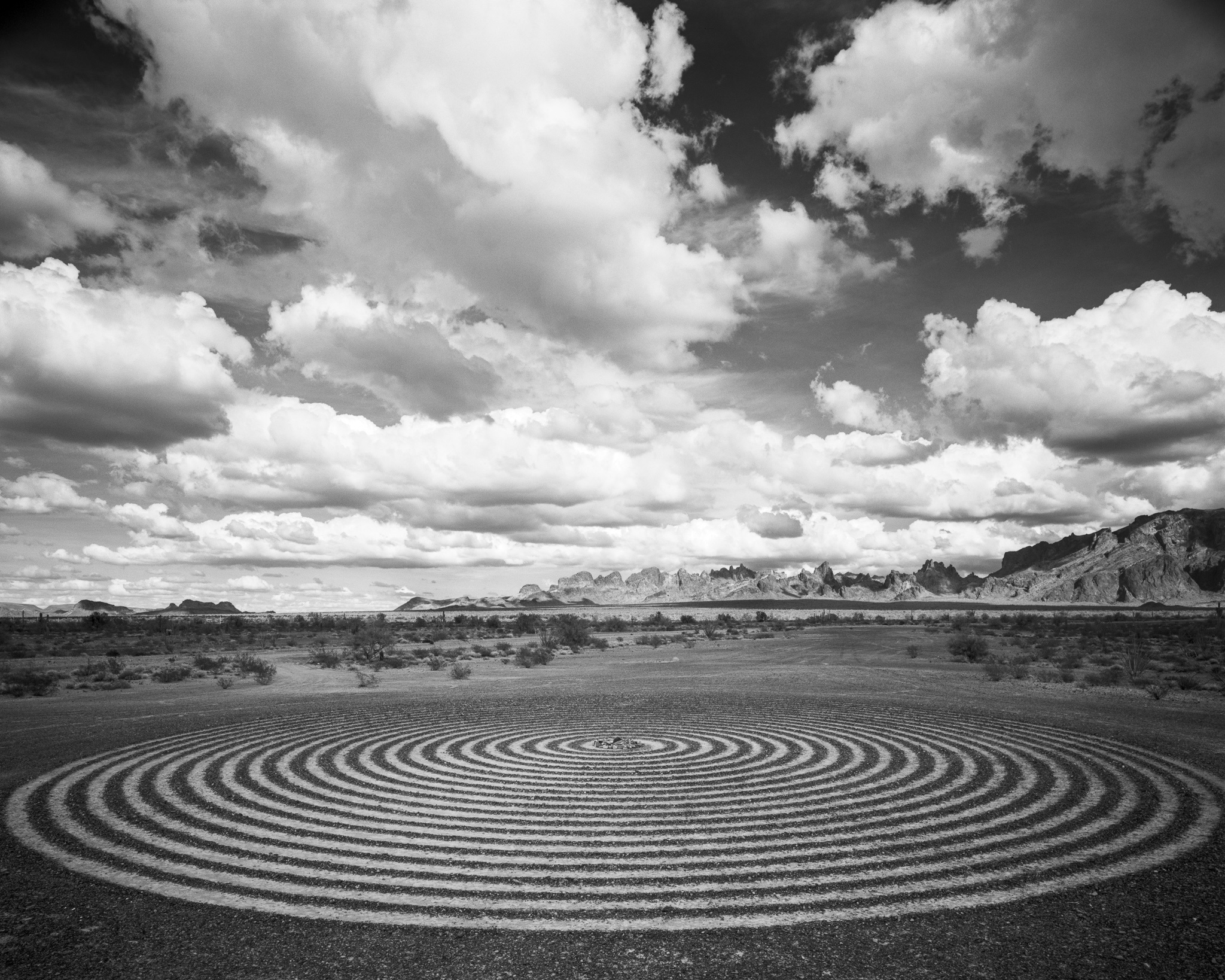
Final Thoughts
Antelope Canyon is crowded, tightly scheduled, and expensive compared to most Southwest photography locations. It's also genuinely extraordinary — the light in there doesn't exist anywhere else in quite the same way. The photographers who leave disappointed are usually the ones who went without a photography tour, arrived without a tripod, or showed up in winter expecting summer beams.
Go with the right tour at the right time of year, understand the exposure challenges before you're standing in the canyon, and you'll have no trouble understanding why this place has been continuously photographed for decades without anyone running out of images to make.
For more Southwest canyon and reflected light work, visit my reflected light gallery. And if making this trip isn't in the cards — Antelope Canyon requires a guided tour, advance booking, and the right season — the prints below are the result of being in the canyon at exactly the right time. Each was made on 4x5 large format film and is available as a limited edition fine art print.
Fine Art Prints
Not making this trip? Own the view.
These photographs required years of fieldwork, pre-dawn drives, and considerable luck with light. Limited editions on ChromaLuxe metal or Lumachrome acrylic — each with a certificate of authenticity and edition number.
Frequently Asked Questions
- When do the light beams appear in Antelope Canyon?
- Mid-April through mid-September, roughly 10 AM to 1 PM in Upper Antelope Canyon. The beams occur when the sun is high enough to angle directly down through the narrow slot. Photography tours are timed for these peak hours and book weeks to months in advance. In winter, the sun angle is too low and beams are faint or absent.
- Upper Antelope Canyon or Lower Antelope Canyon — which is better for photography?
- Upper produces the iconic light beam images but requires a more expensive photography tour and is significantly more crowded. Lower is easier to book, cheaper, and offers more compositional variety including spiraling formations and sky starbursts. Lower produces strong images throughout the day, not just at peak beam hours. Most serious photographers prefer Lower.
- Do I need a photography tour for Antelope Canyon?
- For Upper Antelope Canyon, yes — standard tours do not allow tripods, but photography tours do and run during prime beam hours. For Lower Antelope Canyon, standard tours allow more flexibility and tripods are generally permitted. Book a photography-specific tour if you want controlled time to set up compositions.
- What camera settings work in Antelope Canyon?
- The canyon interior is much darker than the sky visible through the slot. Expect ISO 400–1600 with exposures of 1–4 seconds — a tripod is not optional, it's required. Bracket exposures because the dynamic range is extreme. Manual white balance around 5500K brings out the orange-red tones; auto white balance tends to cool the scene too much.
- How far is Antelope Canyon from Monument Valley?
- Antelope Canyon is located just outside Page, Arizona, approximately 95 miles (1.5 hours) from Monument Valley via US-160 and US-89. Most Southwest photography itineraries combine both locations over 3–4 days, using Page as the overnight base for Antelope Canyon and Horseshoe Bend.
Explore Related Photography
Enjoyed this article?
Subscribe for more photography stories, techniques, and exclusive behind-the-scenes content.
Related Posts
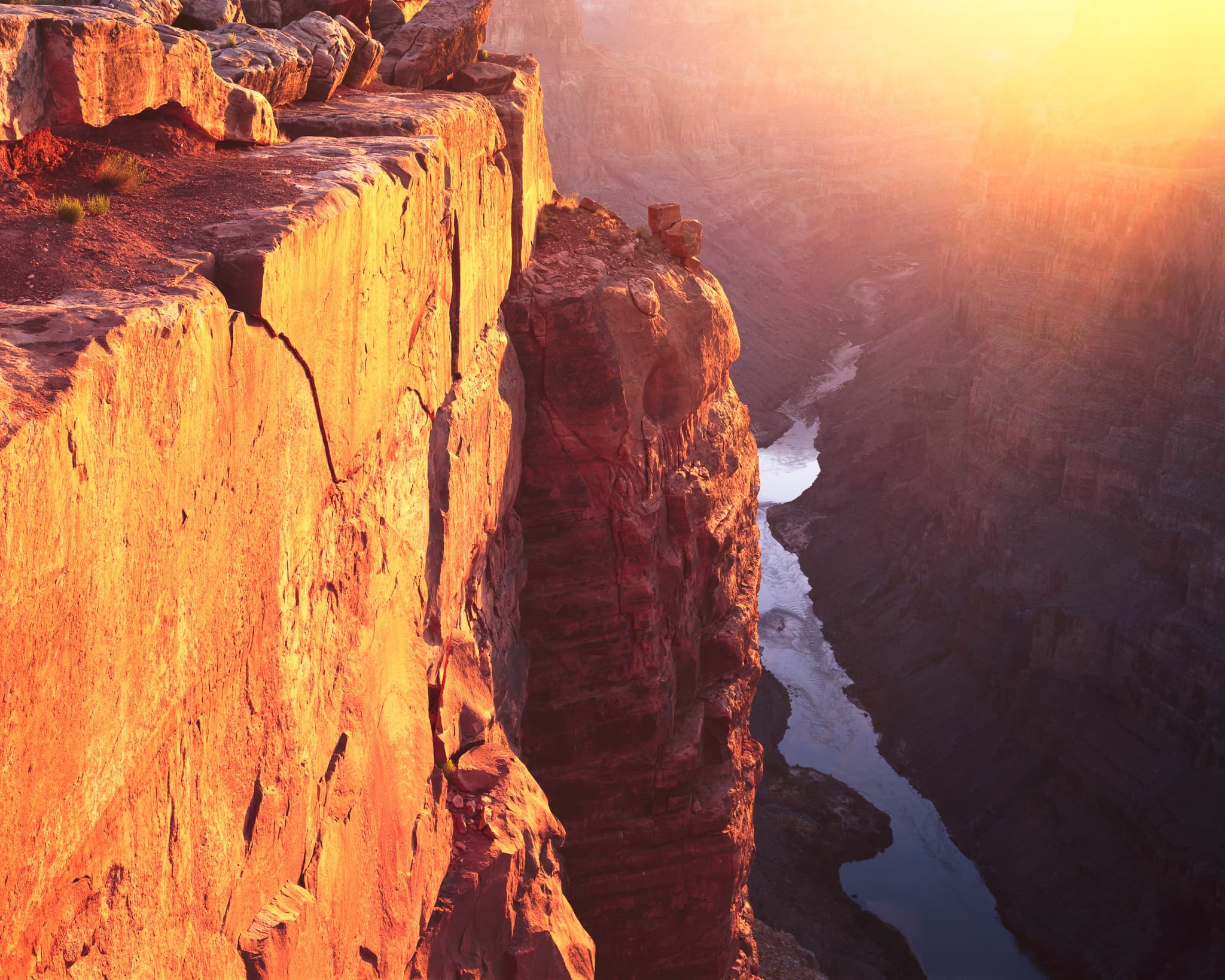
Grand Canyon Photography Guide: Best Spots, Light & Timing
The famous south rim overlooks are worth making. But the Grand Canyon images I keep coming back to came from a remote western overlook that requires 60 miles of unpaved road to reach — and from the North Rim in October, when the crowds are gone and the canyon light gets serious.
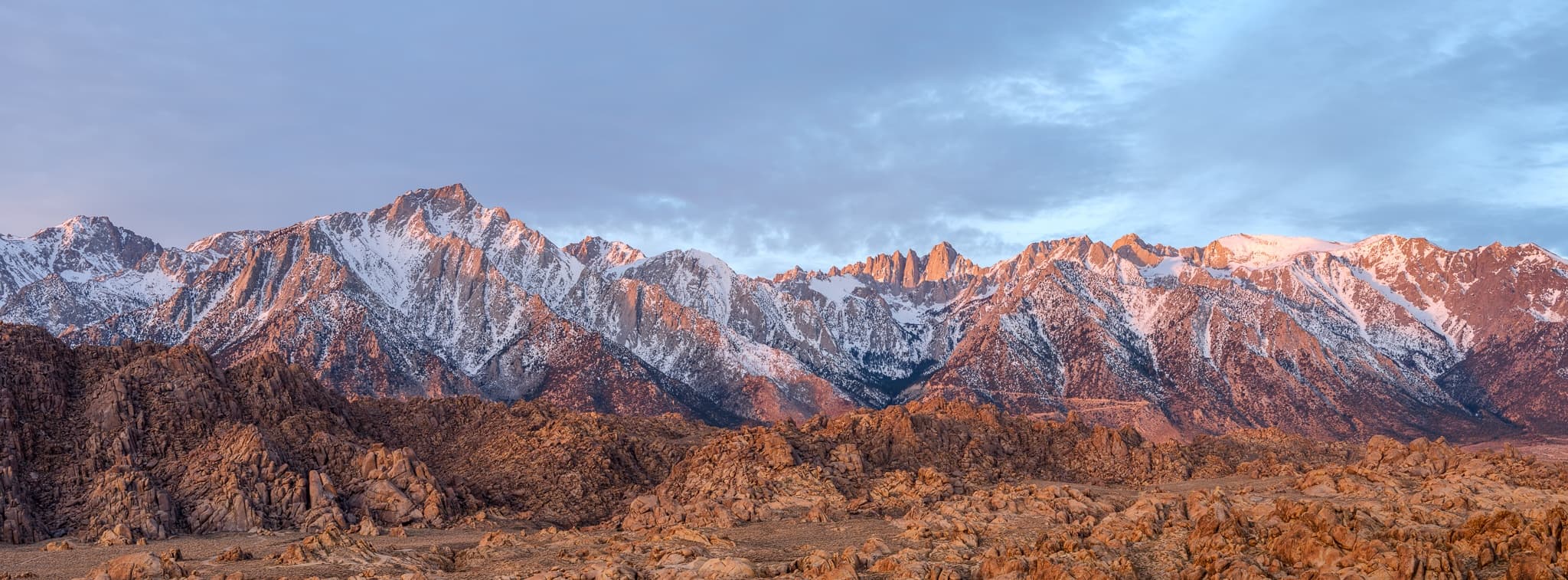
Best Places to Photograph Snow-Covered Mountains in Winter
Winter transforms mountain landscapes in ways no other season can. Where to go, when to go, and what to expect — from Yosemite's granite walls under fresh snow to Zion's red canyon in a storm.
Analog Landscape Photography: Why Film Still Makes Sense in 2026
Most photographers who've tried 4x5 large format film don't go back to digital for their serious landscape work. Here's the honest case for shooting analog in an era when you have no practical reason to.
Tags
Marty Quinn
Large format film photographer based in Phoenix, Arizona. Shoots on 4x5 Arca-Swiss view cameras across the American Southwest — Utah, Arizona, Death Valley, and the Colorado mountains. 25+ years behind the lens. Published in Outdoor Photographer magazine (The Last Frame, June 2008). About Marty →