
My Digital Medium Format Kit: Fujifilm GFX System
A detailed look at my Fujifilm GFX 100S medium format system for landscape photography, including lenses, filters, and accessories that complement my large format film work.
This post contains affiliate links to products I personally use and recommend. If you purchase through these links, I may earn a small commission at no extra cost to you. I only recommend gear I've tested in the field.
Why I Added the Fujifilm GFX to My Large Format Film Kit
While large format film remains my primary medium for serious landscape work, there are times when digital makes sense—scouting trips, rapidly changing conditions, or when I need the flexibility of instant review. For these situations, I've built a Fujifilm GFX medium format system that delivers exceptional quality while remaining practical in the field.
Why medium format digital rather than full-frame? The larger sensor provides a different rendering—smoother tonal transitions, more natural depth of field fall-off, and a look that feels closer to my 4x5 film work. The GFX system also handles high-ISO situations far better than film, opening up opportunities in low light that simply aren't practical with transparency film.
Camera
Fujifilm GFX 100S
The GFX 100S hits the sweet spot for landscape photography—102 megapixels in a body that's manageable for field work. The in-body stabilization is genuinely useful for handheld shooting at dawn and dusk, and the file quality rivals medium format digital backs costing three times as much.
Key features I rely on:
- 102MP sensor with excellent dynamic range
- In-body image stabilization (critical for handheld work)
- Weather sealing for desert dust and occasional rain
- Dual card slots for backup
- Tilting touchscreen for low-angle compositions
Available on Adorama: Fujifilm GFX 100S II (I use the original GFX 100S, but the Mark II is the current model)
Lenses
I've built a versatile four-lens kit that covers everything from ultra-wide landscapes to telephoto compression, plus accessories for specialized work.
Fujifilm GF 20-35mm f/4 R WR
Ultra-wide zoom covering 16-28mm equivalent. This is my go-to for dramatic foreground-to-background compositions, slot canyons, and anywhere I need to emphasize depth and scale. Sharp across the frame even wide open.
Available on Adorama: Fujifilm GF 20-35mm f/4 R WR
Fujifilm GF 45-100mm f/4 R LM WR
Standard zoom covering 36-79mm equivalent. This is the workhorse lens—versatile enough for most landscape situations. The linear motor autofocus is quick and quiet, and it's sharp enough that I never worry about image quality.
Available on Adorama: Fujifilm GF 45-100mm f/4 R LM WR
Fujifilm GF 100-200mm f/5.6 R LM OIS WR
Telephoto zoom covering 79-158mm equivalent. Essential for compressing distant layers, isolating details, and those moments when you can't get physically closer. The optical stabilization stacks with the body's IBIS for remarkably steady handheld shooting.
Available on Adorama: Fujifilm GF 100-200mm f/5.6 R LM OIS WR
Fujifilm GF 110mm f/2 R LM WR
Fast prime covering 87mm equivalent. While technically a portrait lens, I use it for landscape work where I want shallow depth of field or need the extra light-gathering ability. The f/2 aperture is genuinely useful at dawn and dusk. Optically stunning.
Available on Adorama: Fujifilm GF 110mm f/2 R LM WR
Lens Accessories
Fujifilm GF 1.4x TC WR Teleconverter
Extends my 100-200mm to 140-280mm equivalent (111-221mm actual). The 1-stop light loss is manageable, and image quality remains excellent. I use this when I need extra reach without carrying another lens.
Available on Adorama: Fujifilm GF 1.4x TC WR
Fujifilm MCEX-18G WR Macro Extension Tube
Adds close-focus capability to any GF lens. I use this primarily with the 110mm f/2 for detail shots—rock textures, plants, patterns in the landscape. Weather-sealed like the lenses.
Available on Adorama: Fujifilm MCEX-18G WR Extension Tube
Filters
Kase Wolverine Revolution Plus Magnetic Filter Kit
For digital work, I've switched to the Kase magnetic filter system. The speed of swapping filters is a game-changer when light is changing rapidly—something that matters less with film but makes a real difference with digital. The kit includes a polarizer and graduated NDs that snap on magnetically.
I use the 82mm master kit with step-up rings for my various lens filter thread sizes. This lets me use one filter set across all lenses.
Available on Amazon: Kase 82mm Wolverine Revolution Plus Master Kit
Support
I use the same tripod and head for both my large format and digital work:
- Gitzo Systematic Series 3 Carbon Fiber Tripod - Rock solid, handles wind
- Arca-Swiss d4 Geared Head - Precise adjustments
For more details on why I chose this combination, see my Large Format Field Kit guide.
Power and Storage
Batteries
The GFX 100S is power-hungry—expect 300-400 shots per battery in real-world use. I carry at least three batteries for a full day of shooting, more in cold weather when battery life drops significantly.
- Fujifilm NP-W235 Battery - Always use genuine Fujifilm batteries
- Fujifilm BC-W235 Dual Battery Charger - Charges two batteries simultaneously
Memory Cards
At 102 megapixels, files are large—around 100MB for compressed RAW. Fast cards matter for buffer clearing, and reliability matters more than anything. I use the GFX 100S's dual card slots with identical cards, writing to both simultaneously as backup.
Available on Amazon: Lexar 128GB Professional 2000x UHS-II V90 SD Card
Field Storage
With 102MP files, you burn through card space quickly on multi-day trips. I carry two portable SSDs and mirror my data to both drives every evening. This redundancy has saved me more than once—drives can fail, get lost, or be damaged in the field. The small investment in a second drive is cheap insurance for irreplaceable images.
Available on Amazon: WD 2TB My Passport SSD - I carry two and mirror data nightly
For mirroring on Mac, I use SuperDuper—simple, reliable, and creates bootable backups. Connect both drives, copy cards to the first drive, then clone to the second. Takes minutes and gives complete peace of mind.
Sensor Cleaning
Desert photography means dust, and at 102 megapixels every speck shows. I clean the sensor regularly using proper wet cleaning swabs sized for medium format sensors. Always clean in a controlled environment and follow the swab manufacturer's instructions carefully.
Available on Amazon: Photographic Solutions Sensor Swab Ultra 33mm Type-4
Available on Amazon: Eclipse Optic Cleaning Solution
Carrying It All
I use the same Atlas Packs backpack for my digital kit as I do for large format. The customizable compartments adapt easily to either system, and the load distribution handles the weight of multiple lenses comfortably.
Final Thoughts
The Fujifilm GFX system gives me a digital option that doesn't feel like a compromise. The files have a quality and character that approach medium format film, and the flexibility of digital workflow opens up possibilities that aren't practical with large format.
That said, this is a complement to my film work, not a replacement. Each medium has its strengths. The GFX excels in changing light, difficult conditions, and situations where instant feedback matters. Large format film remains my choice for deliberate, contemplative work where I want the discipline of limited frames and the unique rendering of transparency film.
If you have questions about the GFX system or building a digital kit for landscape work, feel free to reach out.
Explore Related Photography
Enjoyed this article?
Subscribe for more photography stories, techniques, and exclusive behind-the-scenes content.
Related Posts
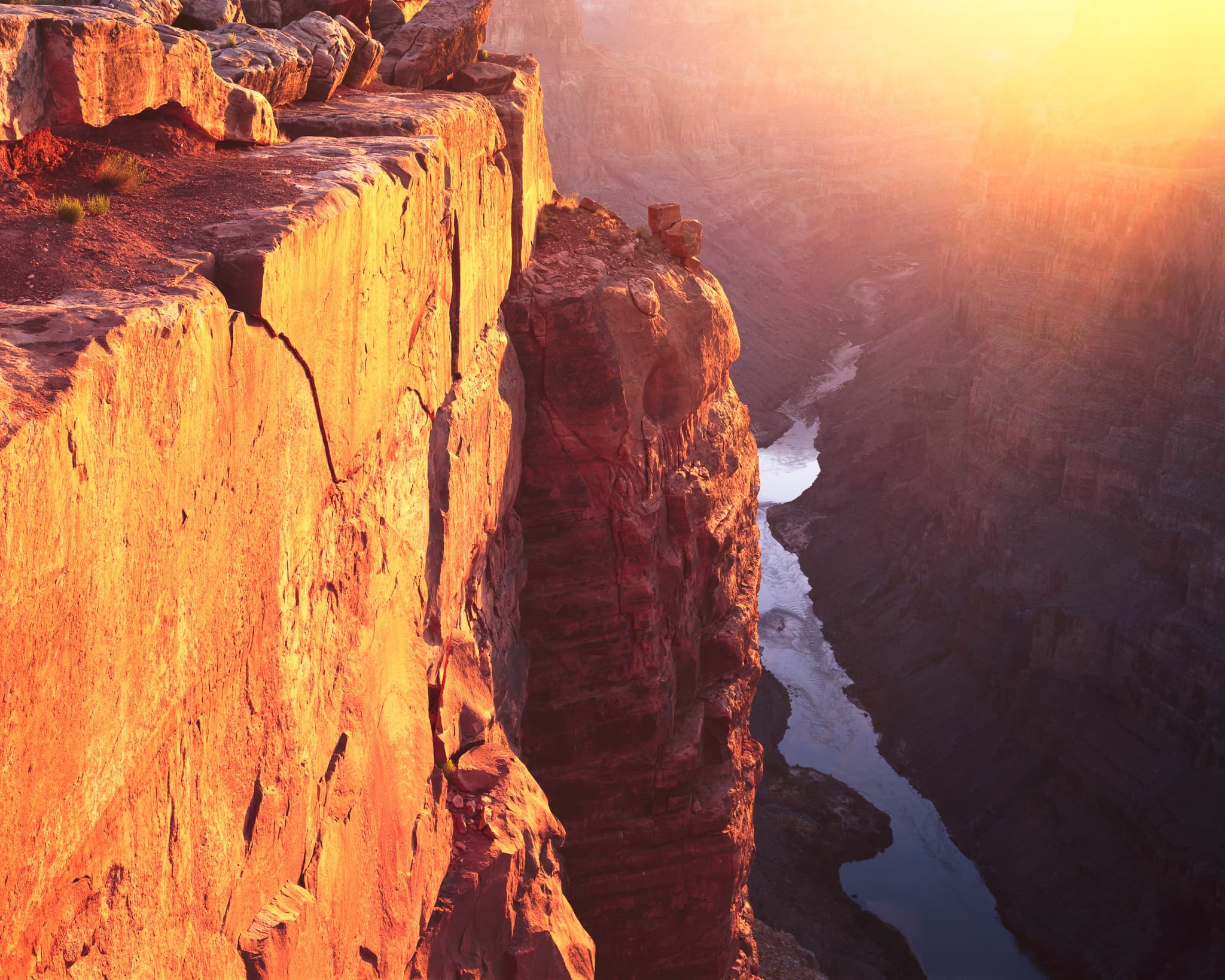
Grand Canyon Photography Guide: Best Spots, Light & Timing
The famous south rim overlooks are worth making. But the Grand Canyon images I keep coming back to came from a remote western overlook that requires 60 miles of unpaved road to reach — and from the North Rim in October, when the crowds are gone and the canyon light gets serious.
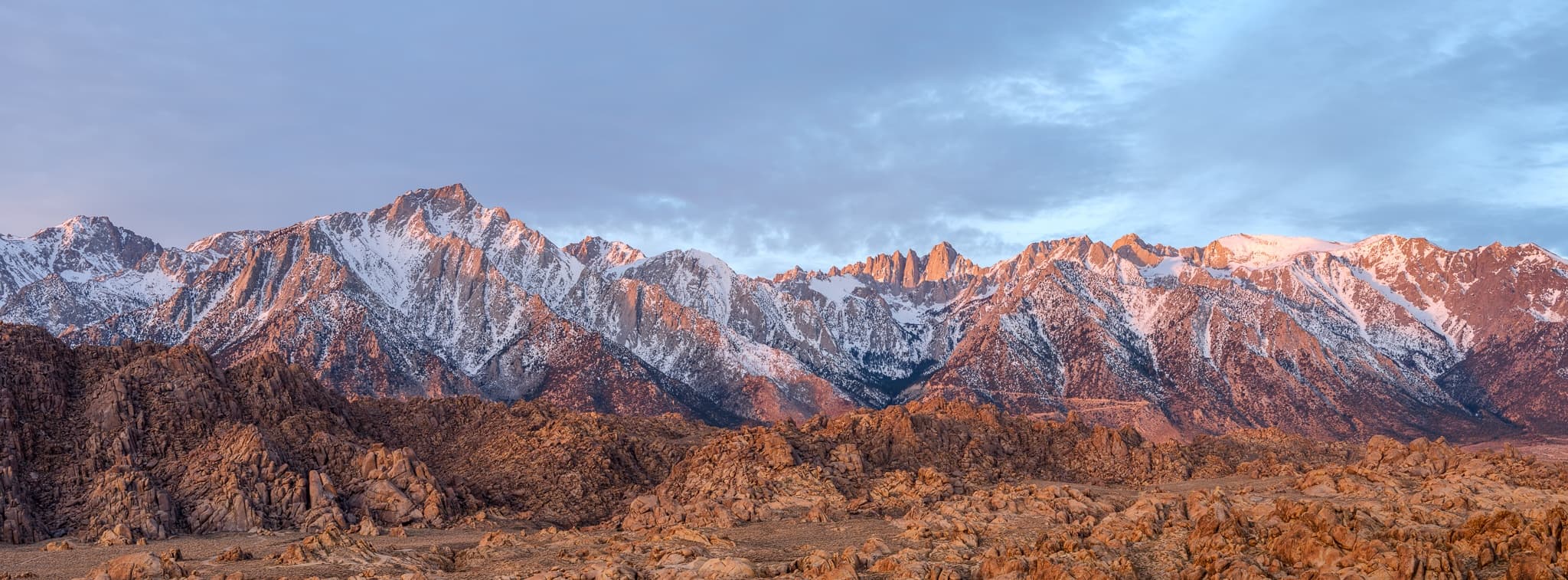
Best Places to Photograph Snow-Covered Mountains in Winter
Winter transforms mountain landscapes in ways no other season can. Where to go, when to go, and what to expect — from Yosemite's granite walls under fresh snow to Zion's red canyon in a storm.
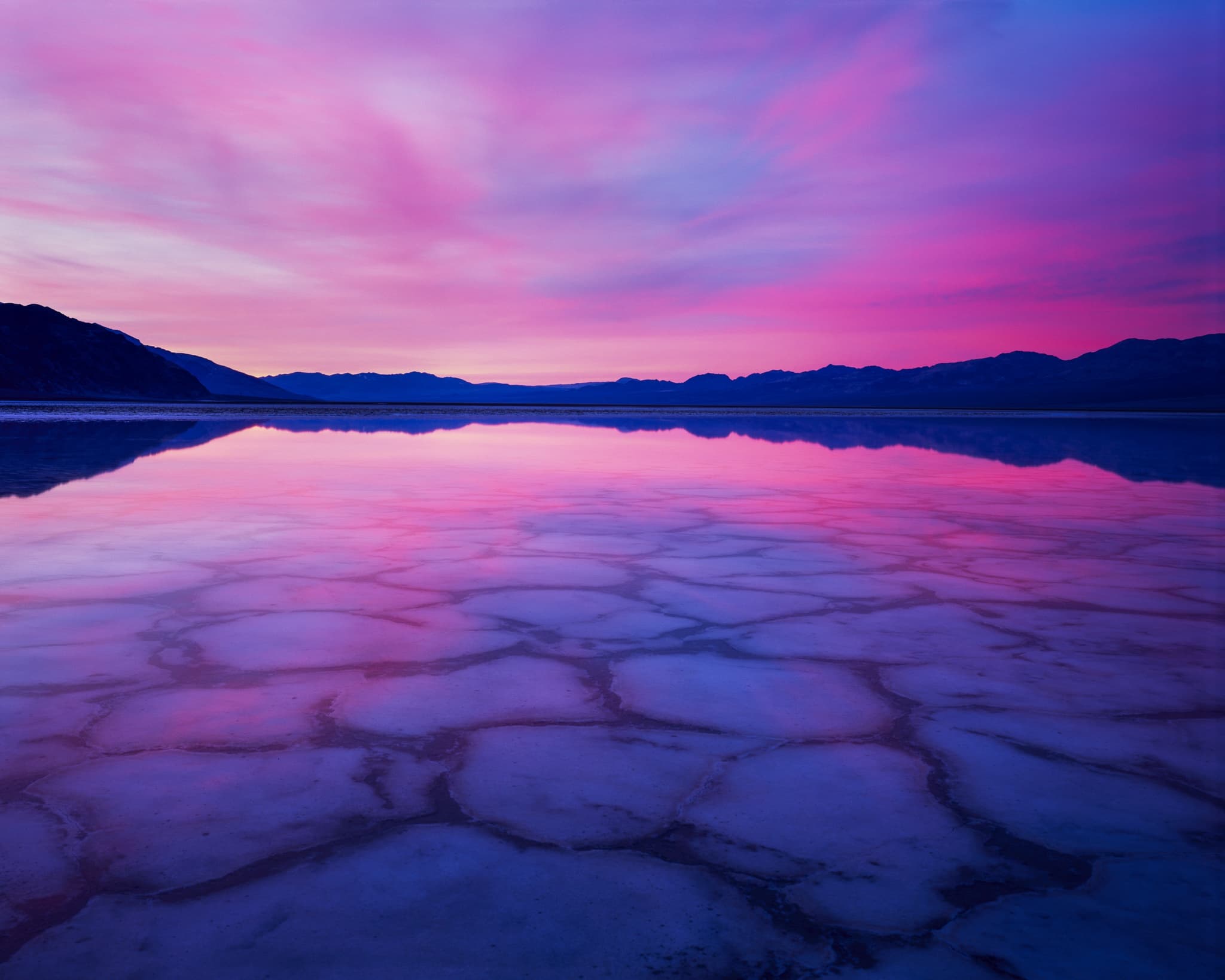
Analog Landscape Photography: Why Film Still Makes Sense in 2026
Most photographers who've tried 4x5 large format film don't go back to digital for their serious landscape work. Here's the honest case for shooting analog in an era when you have no practical reason to.
Tags
Marty Quinn
Large format film photographer based in Phoenix, Arizona. Shoots on 4x5 Arca-Swiss view cameras across the American Southwest — Utah, Arizona, Death Valley, and the Colorado mountains. 25+ years behind the lens. Published in Outdoor Photographer magazine (The Last Frame, June 2008). About Marty →