
Investment-Grade Photography: A Collector's Guide
What makes fine art photography a legitimate investment? Learn how limited editions, archival materials, certificates of authenticity, and market factors determine the long-term value of museum-quality landscape prints.
What Makes Photography "Investment Grade"?
The term "investment-grade photography" gets used frequently in the fine art market, but what does it actually mean? Certain characteristics consistently distinguish photographs that hold or appreciate in value:
- Artistic merit and technical excellence
- Museum-quality materials
- Provenance documentation
- Scarcity controls (limited editions)
When these elements align, photographs transition from decorative objects into legitimate alternative assets.
The Economics of Limited Editions
Edition size is perhaps the most misunderstood aspect of fine art photography valuation. Simply printing fewer copies doesn't automatically create value—what matters is the relationship between edition size, artist reputation, and market demand.
Consider the mathematics: A photographer who creates editions of 500 prints must sell to a much larger audience than one who limits editions to 50. The smaller edition requires fewer buyers but commands higher prices per print. As editions sell out, secondary market values typically increase because supply becomes fixed while demand can continue growing.
The Marty Quinn collection uses edition sizes ranging from 50 to 150 prints depending on the image. These numbers balance accessibility with genuine scarcity. An edition of 50 means that across the entire world, only 50 collectors will ever own that particular image at that size. This scarcity becomes increasingly significant as an artist's reputation grows over time.
Edition Numbering and Value
Each print in a limited edition receives a unique number (e.g., 12/50 indicates the 12th print in an edition of 50). Lower numbers don't inherently carry more value in photography as they might in printmaking—what matters is that the number is documented and the edition limit is respected.
Professional photographers maintain detailed edition records showing which numbers have been sold, to whom (for provenance), and when. This documentation becomes part of the work's permanent record and follows it through any future sales.
Archival Materials: The Foundation of Longevity
Investment-grade photography requires materials engineered for permanence. Museum-quality prints use archival pigment inks on acid-free substrates specifically designed for long-term stability. The industry standard, often called "giclée" printing, produces prints rated to maintain color accuracy for 100+ years under proper display conditions.
Paper Selection
Fine art papers fall into several categories, each offering different aesthetic and archival properties:
Cotton Rag Papers: Made from 100% cotton fibers rather than wood pulp, these papers offer exceptional longevity and a beautiful tactile quality. Popular choices include Hahnemühle Photo Rag, Canson Platine, and Epson Exhibition Fiber. Cotton rag papers are naturally acid-free and won't yellow or become brittle over time.
Alpha-Cellulose Papers: Highly refined wood pulp papers that approach cotton rag quality at lower cost. When properly manufactured to archival standards, these papers offer excellent longevity and are widely used in museum collections.
Baryta Papers: Traditional fiber-based papers coated with barium sulfate, offering the look and feel of classic darkroom silver gelatin prints. These papers provide exceptional detail rendering and the deepest blacks available in inkjet printing.
Alternative Display Media
Beyond traditional paper prints, investment-grade photography increasingly appears on alternative substrates:
ChromaLuxe Metal Prints: Dyes sublimated directly into specially coated aluminum panels create vibrant, durable prints with exceptional color saturation. The aluminum substrate won't warp, and the sealed surface resists moisture and UV damage. Metal prints work particularly well in high-traffic commercial environments.
TruLife Acrylic: Prints face-mounted to optically clear acrylic with an anti-reflective coating. This premium presentation creates extraordinary depth and luminosity while providing physical protection for the print beneath. Acrylic mounting is often preferred for the largest prints where glass would be impractically heavy.
Certificates of Authenticity: Documenting Provenance
A certificate of authenticity (COA) serves as the permanent documentation linking a specific print to its creator, edition, and production details. For investment purposes, a proper COA should include:
- Image identification: Title, unique image reference number, and thumbnail reproduction
- Edition information: Specific edition number, total edition size, and any artist proofs
- Technical specifications: Print dimensions, paper or substrate type, ink system used
- Production date: When the specific print was created
- Artist signature: Hand-signed by the photographer
- Archival information: Expected longevity ratings and care instructions
The COA should be produced on archival paper and stored separately from the artwork (not attached to the frame backing where it might be lost during reframing). Serious collectors maintain documentation files that travel with the work through any future sales.
Provenance and Chain of Ownership
Provenance—the documented history of ownership—becomes increasingly important as works change hands. Each sale should be recorded, ideally with the photographer maintaining or having access to these records. Strong provenance documentation can significantly impact resale value, particularly for works by artists whose reputations have grown since the original purchase.
Valuation Factors in Fine Art Photography
Multiple factors influence both initial pricing and long-term value appreciation.
Artist Reputation and Market Position
Key reputation factors include:
- Exhibition history
- Gallery representation
- Museum acquisitions
- Awards and publications
Collectors often focus on "mid-career" artists—established reputations but not yet at peak pricing. This balances cost against appreciation potential.
Rarity and Edition Status
As editions sell out, remaining prints become more valuable due to fixed supply. Sold-out editions from established artists often show significant secondary market appreciation. Artists who maintain strict edition controls and don't create "variants" or unlimited reproductions of the same images protect collectors' investments.
Subject Matter and Timelessness
Photographs that transcend their moment tend to hold value better than those tied to specific trends or time periods. Landscape photography, particularly of iconic locations, often ages well because the subjects themselves remain relevant. The American Southwest has attracted photographers for over a century, and images of these timeless landscapes continue finding audiences across generations.
Technical Distinction
Work created using distinctive technical approaches often commands premium pricing. Large format film photography, platinum printing, wet-plate collodion, and other labor-intensive processes create physical differentiation from standard digital printing. The Marty Quinn collection's foundation in 4x5 large format film provides this technical distinction—each image begins with a physical negative that captures detail and tonal range impossible to replicate with smaller formats.
Building an Investment-Grade Collection
Collectors approaching photography as investment typically follow these principles:
Buy What You Love
The most successful art investors collect work they genuinely appreciate. Markets are unpredictable. Buying work you love ensures satisfaction regardless of market performance.
Research Before Purchasing
Investigate artists' backgrounds, exhibition histories, and market trajectories. Look for consistency in pricing, edition management, and professional presentation. Artists who treat their work professionally—maintaining accurate records, respecting edition limits, and building gallery relationships—tend to create more stable investment opportunities.
Consider Size and Display Requirements
Larger prints typically command higher prices and may appreciate more significantly, but they also require appropriate display spaces. Collectors should consider where works will be displayed and whether they have or plan to have spaces suitable for larger formats. A 40x60-inch print is a significant presence that requires dedicated wall space.
Document Everything
Maintain comprehensive records of all acquisitions including purchase receipts, certificates of authenticity, condition reports, and any correspondence with galleries or artists. This documentation protects your investment and facilitates future sales or insurance claims.
Care and Conservation
Protecting investment-grade photography requires attention to environmental factors:
- Light Exposure: Display away from direct sunlight. Use UV-filtering glass. Rotate works periodically.
- Humidity and Temperature: Maintain 65-75°F and 30-50% humidity. Avoid bathrooms and kitchens.
- Framing: Use acid-free mats and backing. Don't let prints touch glass directly.
- Storage: Store flat in acid-free folders. Use climate-controlled spaces.
The Long-Term Perspective
Fine art photography as investment requires patience. Unlike stocks that can be traded instantly, art markets move slowly. Appreciation typically occurs over years or decades rather than months. Collectors who purchase with 10-20 year horizons generally fare better than those seeking quick returns.
The most successful approach combines investment awareness with genuine appreciation for the work. Select photographs that move you, from artists whose work you respect, produced with materials and documentation that support long-term value. This balanced perspective creates collections that provide daily aesthetic pleasure while building tangible assets for the future.
Insurance and Appraisal Considerations
Investment-grade photography requires appropriate insurance coverage and periodic professional appraisal. Standard homeowner's insurance policies often have limited coverage for fine art, with sub-limits that may fall far short of your collection's actual value. Many collectors add scheduled personal property riders or purchase dedicated fine art insurance policies that provide broader coverage, including protection during transit and exhibition.
Professional appraisals serve multiple purposes: establishing replacement value for insurance, documenting fair market value for estate planning, and providing authentication for potential resale. Appraisals should be updated every three to five years, or whenever significant market changes affect the work's value. Keep appraisal documents separate from the artwork itself, ideally in a fireproof safe or secure digital backup. The cost of professional appraisal is modest compared to the protection it provides for significant collections.
Working with Galleries and Art Advisors
While purchasing directly from photographers offers advantages in pricing and relationship-building, gallery representation indicates an artist has met certain professional standards. Galleries curate their rosters carefully, typically representing artists whose work demonstrates consistent quality, marketability, and growth potential. Gallery exhibitions provide exposure that builds artist reputations over time, contributing to long-term value appreciation.
Art advisors serve collectors who prefer professional guidance in building cohesive collections. A good advisor understands your aesthetic preferences, budget constraints, and investment goals, then identifies opportunities across their network of galleries and artists. For larger acquisitions or institutional collections, advisors can negotiate pricing, coordinate shipping and installation, and ensure proper documentation. Their fees—typically a percentage of purchase price or retainer—are often offset by access to works and pricing not available to individual buyers.
Landscape Photography as a Collecting Category
Within the broader fine art photography market, landscape photography occupies a distinctive position. The genre has deep historical roots—photographers have documented American wilderness since the 1860s—creating a substantial body of comparative work and established collecting traditions. Iconic landscape images by masters like Ansel Adams, Edward Weston, and Eliot Porter have demonstrated strong auction performance over decades, establishing landscape photography as a legitimate collecting category.
Contemporary landscape photographers working in traditional large format film continue this legacy while bringing modern artistic sensibilities to the medium. The American Southwest, with its dramatic geological formations and exceptional light, has attracted serious photographers for over a century. Work documenting these iconic landscapes carries both aesthetic appeal and cultural significance, as it preserves views of natural environments facing increasing pressure from development and climate change. This documentary value adds another dimension to landscape photography's investment proposition.
Collectors building landscape-focused holdings often develop thematic approaches: concentrating on specific regions, pursuing work by photographers who share similar aesthetic philosophies, or acquiring images that document environmental change over time. These focused collections often achieve greater coherence and market recognition than scattered acquisitions across unrelated genres.
Conclusion
Investment-grade photography represents the intersection of artistic achievement and material quality:
- Limited editions create scarcity
- Archival materials ensure longevity
- Proper documentation establishes provenance
Understanding these elements helps collectors make informed decisions that balance aesthetic preferences with investment potential. For a practical walkthrough of evaluating and purchasing fine art prints, see our complete buyer's guide to fine art landscape photography, or visit our investment page for current collection details and market insights.
Explore Related Photography
Enjoyed this article?
Subscribe for more photography stories, techniques, and exclusive behind-the-scenes content.
Related Posts
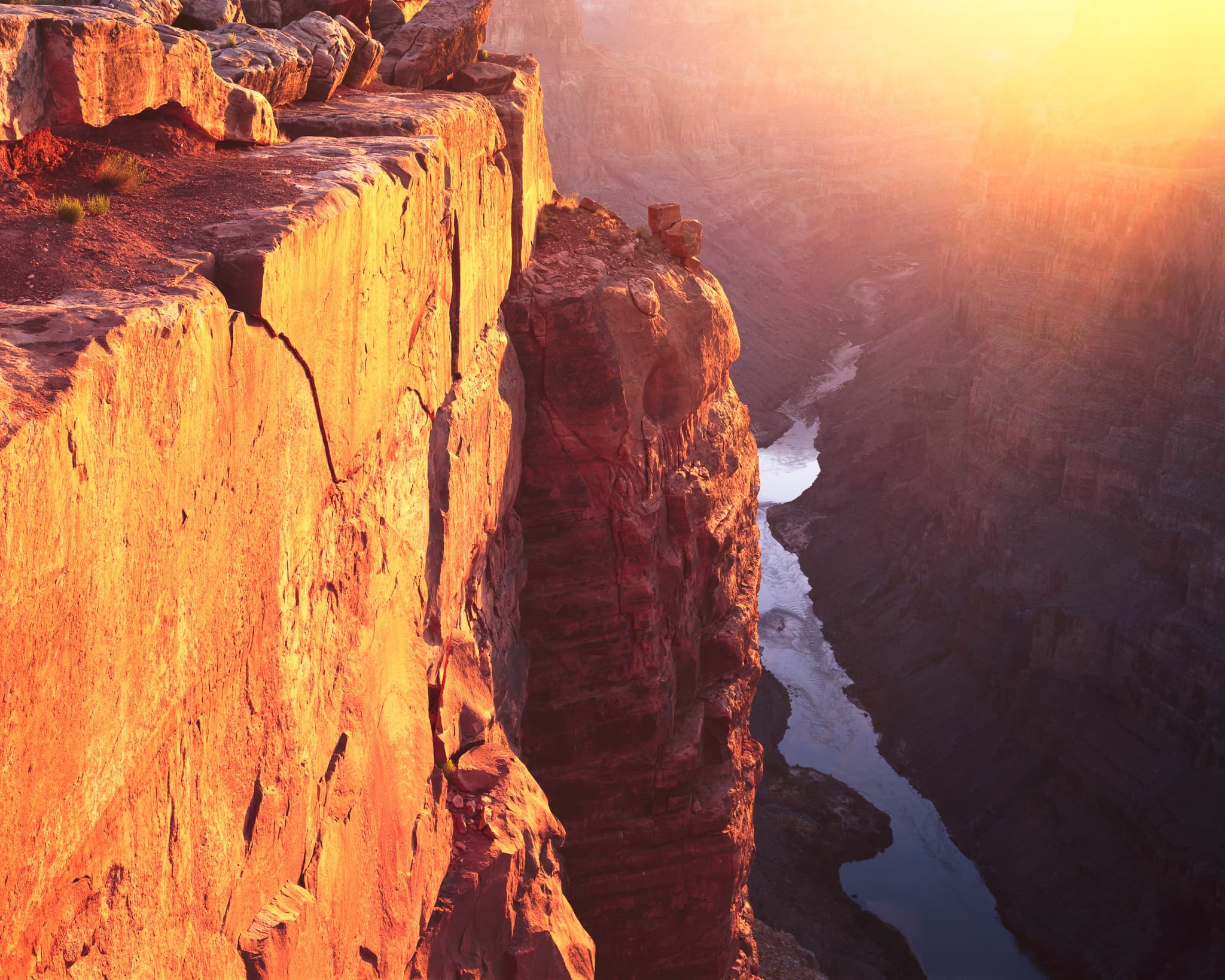
Grand Canyon Photography Guide: Best Spots, Light & Timing
The famous south rim overlooks are worth making. But the Grand Canyon images I keep coming back to came from a remote western overlook that requires 60 miles of unpaved road to reach — and from the North Rim in October, when the crowds are gone and the canyon light gets serious.
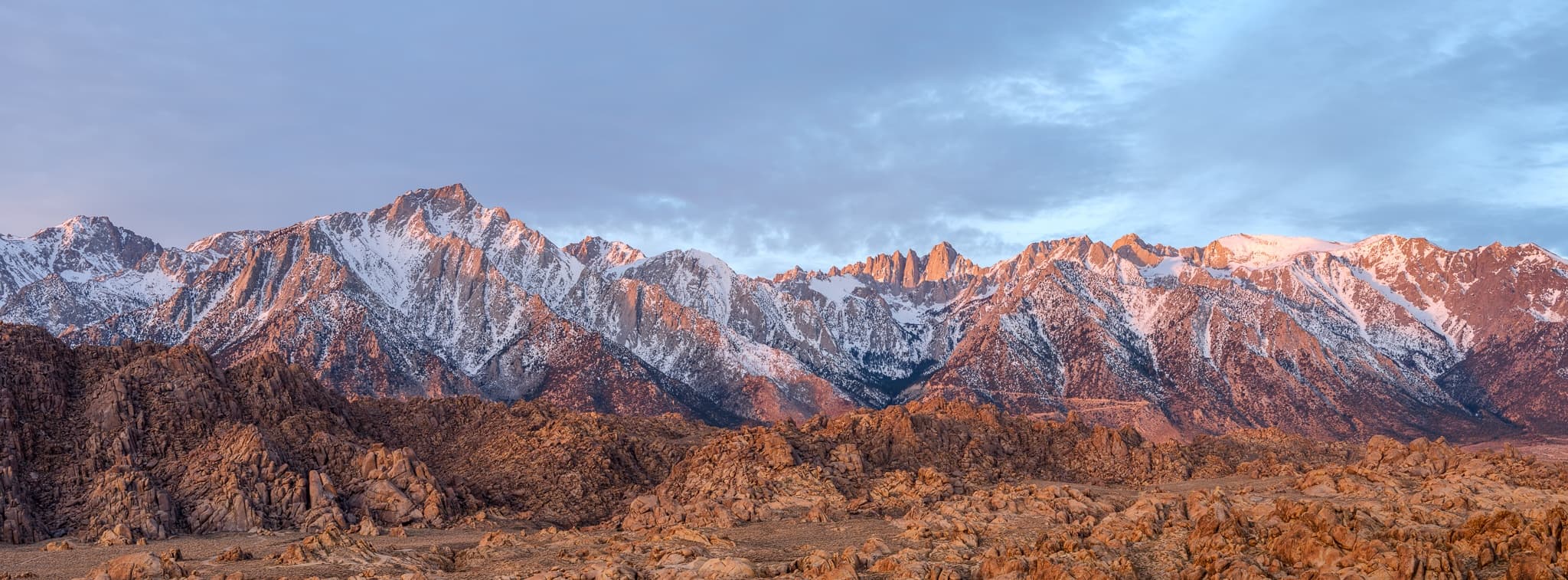
Best Places to Photograph Snow-Covered Mountains in Winter
Winter transforms mountain landscapes in ways no other season can. Where to go, when to go, and what to expect — from Yosemite's granite walls under fresh snow to Zion's red canyon in a storm.
Analog Landscape Photography: Why Film Still Makes Sense in 2026
Most photographers who've tried 4x5 large format film don't go back to digital for their serious landscape work. Here's the honest case for shooting analog in an era when you have no practical reason to.
Tags
Marty Quinn
Large format film photographer based in Phoenix, Arizona. Shoots on 4x5 Arca-Swiss view cameras across the American Southwest — Utah, Arizona, Death Valley, and the Colorado mountains. 25+ years behind the lens. Published in Outdoor Photographer magazine (The Last Frame, June 2008). About Marty →