
Photography Location Guide
Arizona Landscape Photography Guide
From the Sonoran Desert's saguaro forests to the Grand Canyon's mile-deep gorge, slot canyons carved by flash floods, and red rock buttes that glow at sunset. A state-wide guide to Arizona's best photography locations.
By Marty Quinn • Updated February 2026
10+
Key Locations
Fall & Spring
Peak Seasons
3 Nat'l Parks
Grand Canyon, Saguaro, Petrified Forest
Varied
Permits by Location
In This Guide
Overview: Why Arizona
Arizona packs more photographic diversity into one state than just about anywhere in the country. You've got the Grand Canyon—which needs no introduction—but also saguaro forests, sculpted slot canyons, red rock mesas, volcanic peaks, painted deserts, and miles of Sonoran wilderness that most people drive right past without stopping.
I've been photographing Arizona since the mid-1990s. I keep going back because the state consistently surprises me. A location I've visited a dozen times looks entirely different under monsoon clouds, or with fresh snow on the Superstitions, or when the spring wildflowers decide to show up. The geology is old and dramatic, the light is reliable and extraordinary, and the sheer range of landscapes means you could spend a career here and never repeat yourself.
This guide covers the major photography regions across the state. For Monument Valley specifically, I've written a dedicated Monument Valley photography guide with detailed viewpoints and logistics for that location.
Sonoran Desert & Saguaro National Park
The Sonoran Desert covers a massive portion of southern Arizona and extends into Mexico. It's the only place in the world where saguaro cacti grow, and those saguaros—some 40 feet tall, some 150+ years old—make for some of the most distinctly "Arizona" photographs you'll ever take. No other landscape looks like this.
Saguaro National Park
Split into two districts flanking Tucson. The Tucson Mountain District (west) is smaller but has denser saguaro stands—and better sunset compositions because you can shoot west toward the mountains with saguaros silhouetted against the sky. The Rincon Mountain District (east) is larger and less crowded, with higher elevation trails that offer different vegetation zones. For pure saguaro photography, the west district delivers more consistently.
Organ Pipe Cactus National Monument
Down near the Mexican border, Organ Pipe protects a stretch of desert that feels genuinely remote. The organ pipe cactus itself grows almost nowhere else in the U.S. It's worth the drive from Tucson (about 2.5 hours) for the solitude alone. Ajo Mountain Drive and Victoria Mine Trail offer good compositions. Best at sunrise when the mountains behind the cacti catch early light.
What to Shoot
Saguaro silhouettes at sunset: The classic shot. Find a ridge or elevated spot, compose saguaros against a colorful sky. The cacti become graphic shapes—arms reaching, leaning, standing alone against gradient color.
Close-up detail work: Saguaro ribs, spines backlit by morning sun, prickly pear pads, barrel cactus geometry. Large format film captures these textures at a level digital still struggles to match.
Spring wildflowers: In good rain years (not every year), the desert floor erupts with poppies, lupine, and brittlebush. Saguaro National Park and the Superstition Wilderness are reliable spots when conditions cooperate.
Monsoon skies: July through September brings afternoon thunderstorms that build enormous cumulus towers. The light before, during, and after these storms is some of the most dramatic you'll find anywhere. Lightning adds another dimension entirely—if you're prepared and positioned safely.
Grand Canyon
Everyone should photograph the Grand Canyon at least once. The challenge is making photographs that go beyond the standard rim snapshot. The canyon is a mile deep and 18 miles across—your eyes can process the scale, but a camera frame struggles. Successful Grand Canyon photographs usually isolate specific features, work with dramatic light, or find foreground elements that give the viewer a sense of depth.
South Rim
Open year-round. Mather Point and Yavapai Point are the classic sunrise locations—you'll have company. Hopi Point is the go-to for sunset. The Rim Trail connects these viewpoints and offers compositions along the way. For fewer people, walk past the popular overlooks. The views don't get worse—they just get less crowded.
North Rim
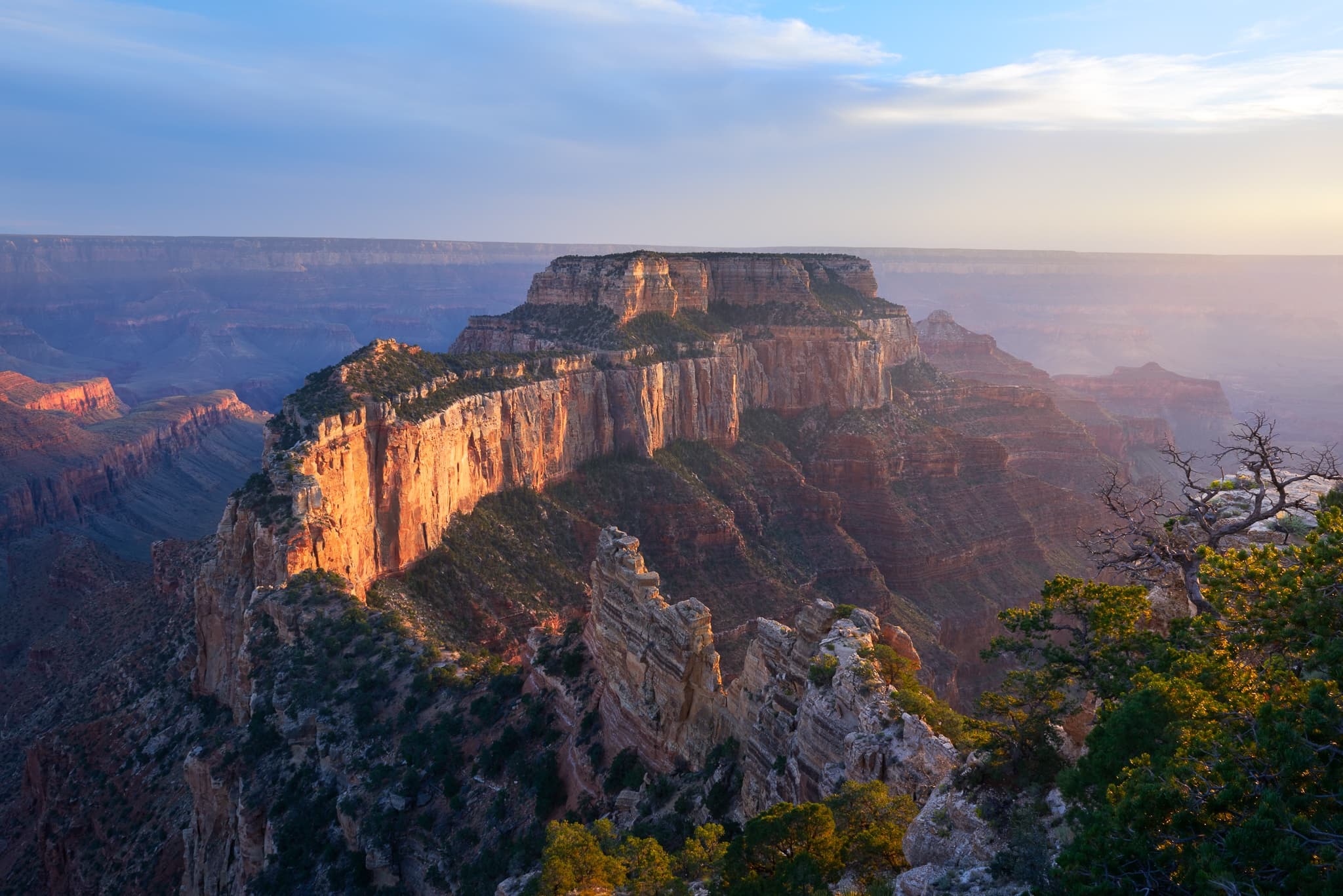
Open mid-May through mid-October. 1,000 feet higher than the South Rim, with a completely different feel—lusher vegetation, cooler temperatures, far fewer visitors. Cape Royal offers a 270-degree panorama that's hard to beat. Point Imperial faces northeast and catches excellent morning light. Bright Angel Point is a short walk from the lodge with canyon views on both sides.
Toroweap Overlook
This is the Grand Canyon's secret weapon for photographers. A 3,000-foot vertical drop straight to the Colorado River. No railings, no crowds, no pavement. Getting there requires 60 miles of unpaved road and a high-clearance vehicle. Only 10 camping spots (first come, first served). It's one of my favorite viewpoints in the entire Southwest—the sense of scale at Toroweap is unmatched.
Antelope Canyon & Slot Canyons
The slot canyons near Page, Arizona have become some of the most photographed formations in the Southwest. Narrow passages carved by flash floods through Navajo sandstone, with walls that glow orange, purple, and red when light enters from above. They're extraordinary subjects—and they require some planning.
Upper Antelope Canyon
The famous one. Accessible only via Navajo-guided tours. The light beams that shaft down into the canyon between late March and early October (roughly 11am-1pm) are the signature shot. Tours are timed and crowded. Photography-specific tours cost more but give you longer access and tripod use. Worth it if you're serious about the work.
Lower Antelope Canyon
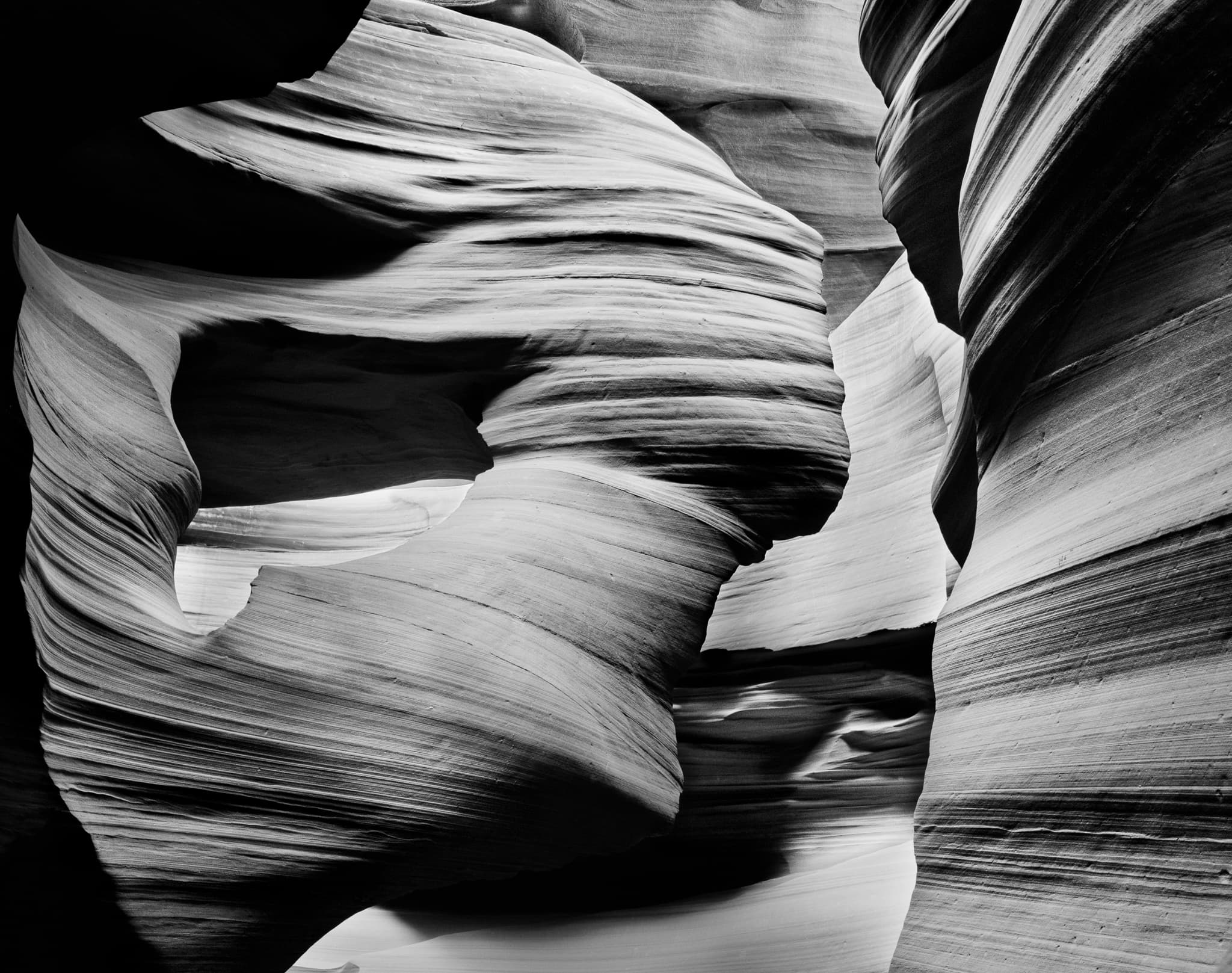
Narrower, deeper, requires ladders to enter. Fewer visitors than Upper, and I'd argue the formations are more varied and interesting. The light doesn't produce the same dramatic beams, but the sculpted sandstone walls—curves, arches, corridors—are remarkable. Accessible by Navajo-guided tour only.
Photography Tips for Slot Canyons
Leave the polarizer off—it'll kill the warm color reflected between the walls. White balance on daylight or slightly warm; auto white balance will try to neutralize the orange tones, which defeats the purpose. A wide angle lens (16-24mm) captures the sweeping walls. Tripod if allowed. The dynamic range is extreme—the brightest spots at the top of the canyon and the deep shadows below can differ by 10+ stops. Expose for the midtones and let the extremes fall where they will, or bracket for blending.
Sedona & Red Rock Country
Sedona sits at the southern edge of the Colorado Plateau where red sandstone meets green forest. The combination is striking—crimson buttes and spires rising above juniper and ponderosa pine. The town itself has gotten very tourist-oriented, but the surrounding landscape remains genuinely beautiful.
Key Viewpoints
Cathedral Rock: Best reflected in Oak Creek at Red Rock Crossing (Crescent Moon Ranch). Sunset is the standard time—the red rock catches warm light while the creek provides reflections. Get there early; it's popular.
Bell Rock: Visible from the highway but more interesting from the Bell Rock Pathway trail. The formation works well as a subject from multiple angles and distances.
Airport Mesa: Elevated viewpoint with 360-degree views. Good for sunrise and sunset panoramas. Small parking area fills quickly.
Oak Creek Canyon: North of Sedona on 89A. Fall color in the canyon (late October) with red rock walls above is a combination you won't find elsewhere. West Fork Trail is the best hike for photography—creek crossings, autumn maples, towering sandstone walls.
Vermilion Cliffs & Coyote Buttes
The Vermilion Cliffs National Monument straddles the Arizona-Utah border, and it contains some of the most surreal geology on the planet. The rock formations here look like they belong on another world—swirling patterns in sandstone, brain-like textures, candy-striped ridges.
The Wave (Coyote Buttes North)
Perhaps the most sought-after photography location in Arizona. The undulating sandstone formation with its thin, flowing layers of color is genuinely otherworldly. Access is strictly limited to 64 people per day via a lottery system (apply online 4 months in advance, or try the day-before walk-in lottery in Kanab). The 6-mile round trip hike has no trail—you navigate by landmarks and GPS. If you get a permit, you've earned something special.
White Pocket
No permit required, but getting there demands a high-clearance 4WD vehicle and confidence on deep sand roads. The formations are extraordinary—brain rock, swirled sandstone in cream and orange and red. I've photographed White Pocket in storm light with clouds breaking overhead, and it's one of the most dramatic scenes I've captured in Arizona. Less famous than The Wave, but photographically it's every bit as rewarding.
Coyote Buttes South
Also permit-limited (20 people per day) but easier to get than The Wave. The formations are different—more expansive, more varied. Cottonwood Cove and Paw Hole are standout areas. The terrain is rougher to navigate, so allow extra time.
Best Times to Photograph Arizona
Seasons
Fall (October-November): My favorite season. Comfortable temperatures statewide, clear skies, excellent visibility, and fall color in the high-elevation canyons. Oak Creek Canyon outside Sedona is spectacular in late October. The cottonwoods along desert washes turn gold. Light quality is superb.
Winter (December-February): Cold at elevation (Grand Canyon gets snow) but mild in the southern deserts. Low sun angle means dramatic side-lighting all day. Snow on red rock is extraordinary when you catch it—Sedona with a dusting of snow is a rare but unforgettable sight. Fewer tourists everywhere.
Spring (March-May): Wildflower season in the Sonoran Desert (dependent on winter rains). Warming temperatures, lengthening days. This is peak season for Antelope Canyon light beams (April-May). Wind can be an issue—dust storms happen.
Summer (June-September): Extreme heat in the low desert—120°F in Phoenix isn't unusual. But monsoon season (July-September) brings afternoon thunderstorms with extraordinary cloud formations, lightning, and that incredible post-storm light. If you can handle the heat, summer monsoon photography is unbeatable. The Grand Canyon's North Rim is pleasant in summer.
Time of Day
Sunrise: The golden hour in Arizona's dry atmosphere is pure magic. The red and orange geology amplifies warm light—you get tones that feel almost unrealistically rich. Grand Canyon, Toroweap, and east-facing formations are at their best.
Sunset & Blue Hour: Saguaro silhouettes, red rock glowing in last light, canyon walls turning purple in twilight. Arizona sunsets are famously colorful, and the dry air keeps colors saturated well past the sun hitting the horizon.
Midday: Normally avoided for landscape work, but Arizona has exceptions. Slot canyons need overhead sun for light beams. The desert's textures—cracked earth, cactus spines, rock patterns—can work well in flat, bright light where you're focused on detail rather than atmosphere.
Permits & Access
Arizona's permit requirements vary significantly by location. Here's what you need to know for the major photography destinations.
National Parks
Grand Canyon ($35/vehicle), Saguaro ($25/vehicle), and Petrified Forest ($25/vehicle) all accept the America the Beautiful annual pass ($80). Personal photography with handheld equipment needs no additional permit. Commercial photography requires a separate park permit—apply well in advance.
Navajo Nation Locations
Antelope Canyon (Upper and Lower) requires a Navajo-guided tour—no independent access. Monument Valley charges a $20 entry fee. See my Monument Valley guide for detailed permit information. Drone use is prohibited on all Navajo Nation land.
Vermilion Cliffs / Coyote Buttes
The Wave (Coyote Buttes North) requires a permit from Recreation.gov—64 permits per day, allocated by online lottery and day-before walk-in lottery. Apply online 4 months ahead. Coyote Buttes South also requires a permit (20/day). White Pocket has no permit requirement but needs serious 4WD capability.
Sedona
Red Rock Pass ($5/day or $15/week) required for parking at most trailheads. No photography permits needed for personal use. Crescent Moon Ranch (Red Rock Crossing) charges a separate entrance fee.
Drones
Prohibited in all national parks, national monuments, and Navajo Nation land. Sedona airspace has restrictions due to the airport. BLM land (including much of Vermilion Cliffs outside restricted areas) generally allows drones, but regulations change—check current FAA and BLM rules before flying.
Equipment for Desert Photography
Camera & Lenses
Arizona's landscapes demand dynamic range. The contrast between deep canyon shadows and bright desert sky pushes any sensor or film. Cameras with good highlight and shadow recovery give you more latitude—but even the best will need help from graduated filters or exposure blending in extreme scenes like the Grand Canyon.
Wide angle (16-35mm equivalent): Your primary lens for canyon overlooks, saguaro compositions, and big-sky desert scenes. Used for probably 60% of my Arizona work.
Standard zoom (24-70mm): Versatile for Sedona's buttes at medium distance, slot canyon interiors, and tighter desert compositions.
Telephoto (70-200mm or longer): Essential at the Grand Canyon for isolating formations across the canyon. Useful for compressing layers of desert mountains at sunrise. Also great for saguaro close-ups from a distance.
Tripod
Non-negotiable for golden hour, blue hour, and slot canyon work. In the desert, wind is a constant factor—a lightweight tripod will vibrate. Bring something sturdy and use a weight hook if your tripod has one. Avoid extending the center column in wind.
Filters
Polarizer: Deepens blue skies (very effective in Arizona's dry air), reduces haze on distant canyon walls, and enhances red rock saturation. My most-used filter in Arizona. Leave it off in slot canyons—it strips the warm bounce light.
Graduated ND (2-3 stop): Useful at the Grand Canyon and other overlooks where the sky-to-canyon brightness difference is extreme. Hard-edge grads work when the horizon is clear; soft-edge for irregular horizons.
Desert-Specific Gear
Dust protection is critical. Arizona's fine red sand gets into everything. Bring lens cleaning cloths and a blower. A rain cover or plastic bag protects your camera during dust storms or windy conditions. Change lenses inside your vehicle or bag—never in open desert wind. Carry more water than you think you need. A headlamp is essential for pre-dawn starts and post-sunset hikes out.
Techniques & Challenges
Managing Desert Contrast
Arizona's biggest technical challenge is dynamic range. Bright sunlit rock against deep shadow, brilliant skies above dark canyon floors—these scenes routinely exceed what a single exposure can capture. Bracket exposures for blending. Use graduated filters. Or embrace the contrast and expose for the part of the scene that matters most. On large format film, I rely on the latitude of transparency film and careful metering. With digital, bracketing three frames covers most situations.
Composition in Big Landscapes
Arizona's landscapes can overwhelm the frame—everything is big and everything seems worth including. Resist that instinct. The Grand Canyon in particular punishes unfocused compositions. Find a specific subject: a particular formation, a tree on the rim, a pattern in the rock. Use foreground elements to create depth. Vertical compositions often work better than horizontal at overlooks because they include both foreground and sky.
Working in Heat
Summer temperatures in southern Arizona regularly exceed 110°F. This isn't just uncomfortable—it's dangerous, and it affects your equipment too. Batteries drain faster in extreme heat. LCD screens become hard to read. Film (if you're shooting it) should stay in a cooler. Plan your shooting around dawn and dusk, rest during midday, and carry significantly more water than you think necessary. A wet bandana on the back of your neck helps more than you'd expect.
Monsoon Photography
Monsoon storms build rapidly in the afternoon, typically July through September. The clouds alone are worth photographing—towering cumulus buildups against blue sky. When storms break, the light changes by the minute. Rain curtains in the distance with sunlight breaking through create dramatic atmosphere. Stay aware of flash flood danger in slot canyons and desert washes—storms miles upstream can send walls of water through dry washes without warning.
Trip Planning
Getting Around
Arizona is big. Phoenix to the Grand Canyon South Rim is 3.5 hours. Phoenix to Page (Antelope Canyon) is 4.5 hours. Phoenix to Monument Valley is 5 hours. Sedona is 2 hours from Phoenix. A photography trip that covers multiple regions requires serious driving or multiple days. Rent a high-clearance vehicle if you plan to reach Toroweap or White Pocket.
Suggested Itineraries
Northern Arizona Loop (7-10 days): Sedona → Grand Canyon South Rim → Page (Antelope Canyon, Horseshoe Bend) → Monument Valley → back through Flagstaff. This covers the major northern locations and can extend into southern Utah.
Southern Desert Trip (4-5 days): Tucson → Saguaro National Park → Organ Pipe → back through Tucson with time for the Superstition Wilderness or Chiricahua National Monument.
Vermilion Cliffs Focus (3-4 days): Base in Kanab, Utah. Day trips to The Wave (if you win the lottery), White Pocket, Coyote Buttes South, and the Vermilion Cliffs themselves.
Accommodations
Flagstaff is a good central base for northern Arizona—2 hours from the Grand Canyon, 45 minutes from Sedona, reasonable hotels. Tusayan is the closest town to the Grand Canyon South Rim. Page serves Antelope Canyon and Lake Powell. Kanab, Utah is the gateway to Vermilion Cliffs. Tucson for southern Arizona. Book early for Grand Canyon lodges (El Tovar, Bright Angel)—they sell out months in advance.
Respect for the Land
Much of northern Arizona is Navajo Nation and Hopi Reservation land. Stay on designated areas, don't photograph people without asking, and follow all tribal regulations. At slot canyons and The Wave, stay on established paths—the sandstone formations are fragile and footprints can last decades. Pack out everything. These places are extraordinary precisely because they've been protected.
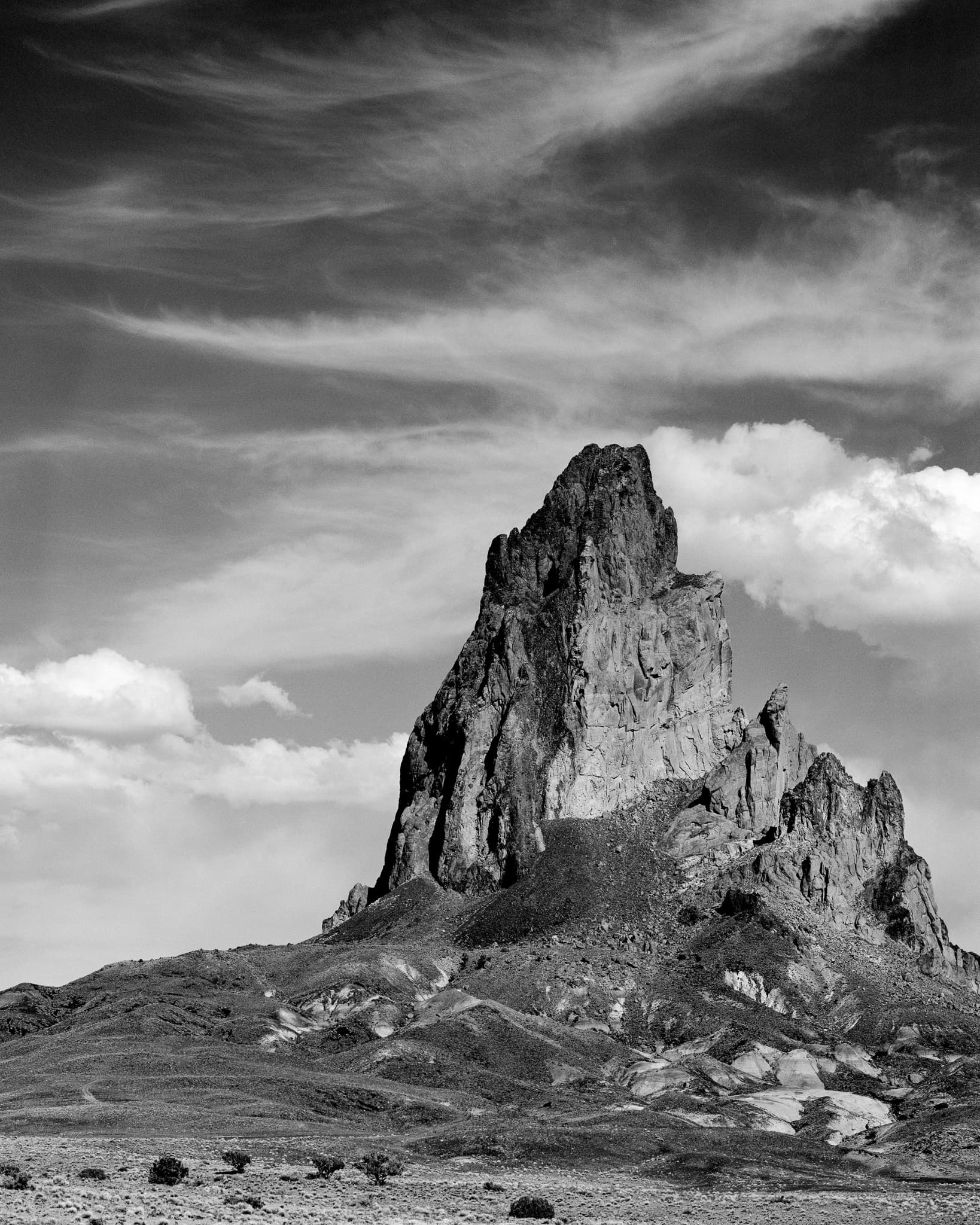
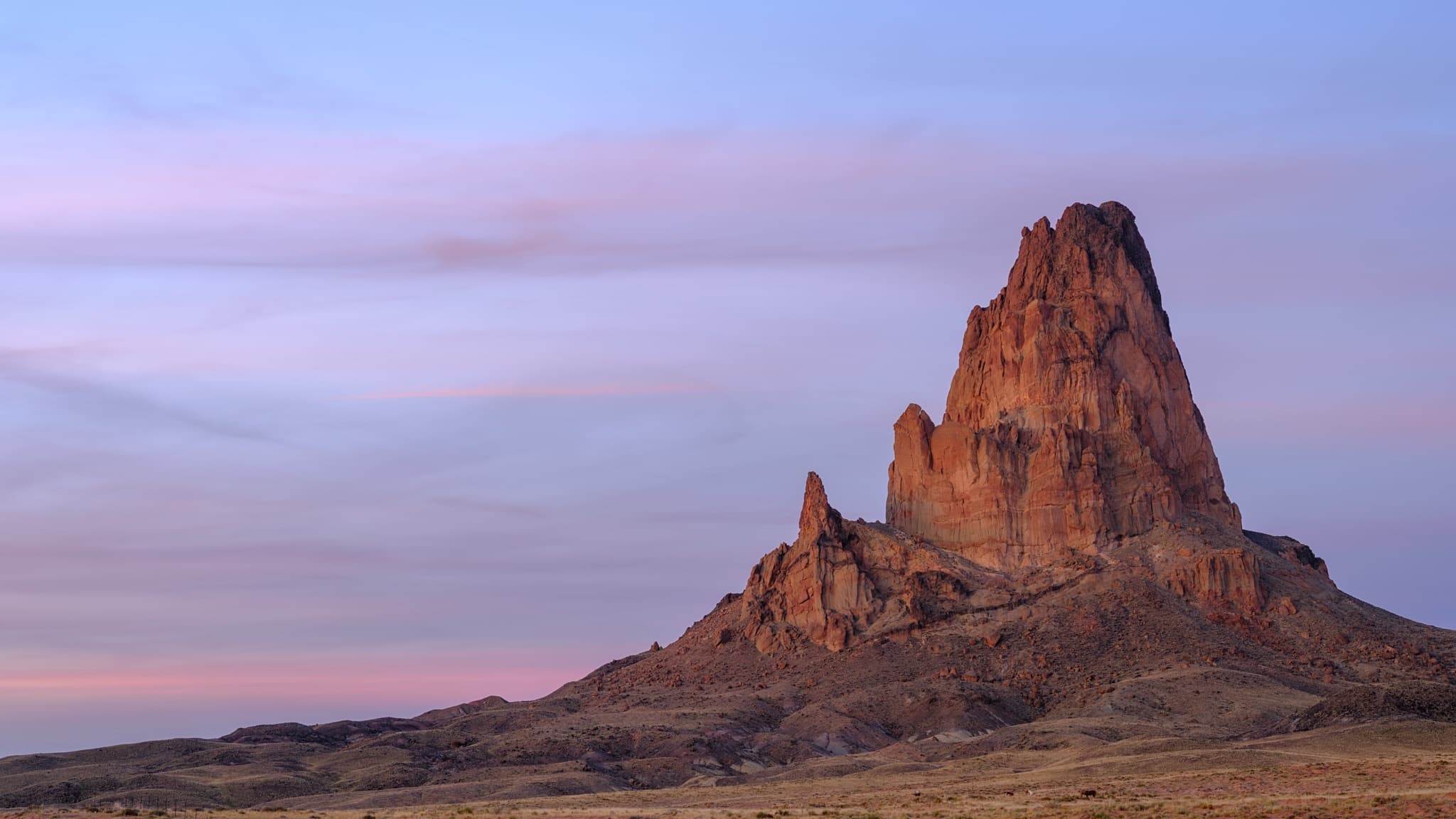
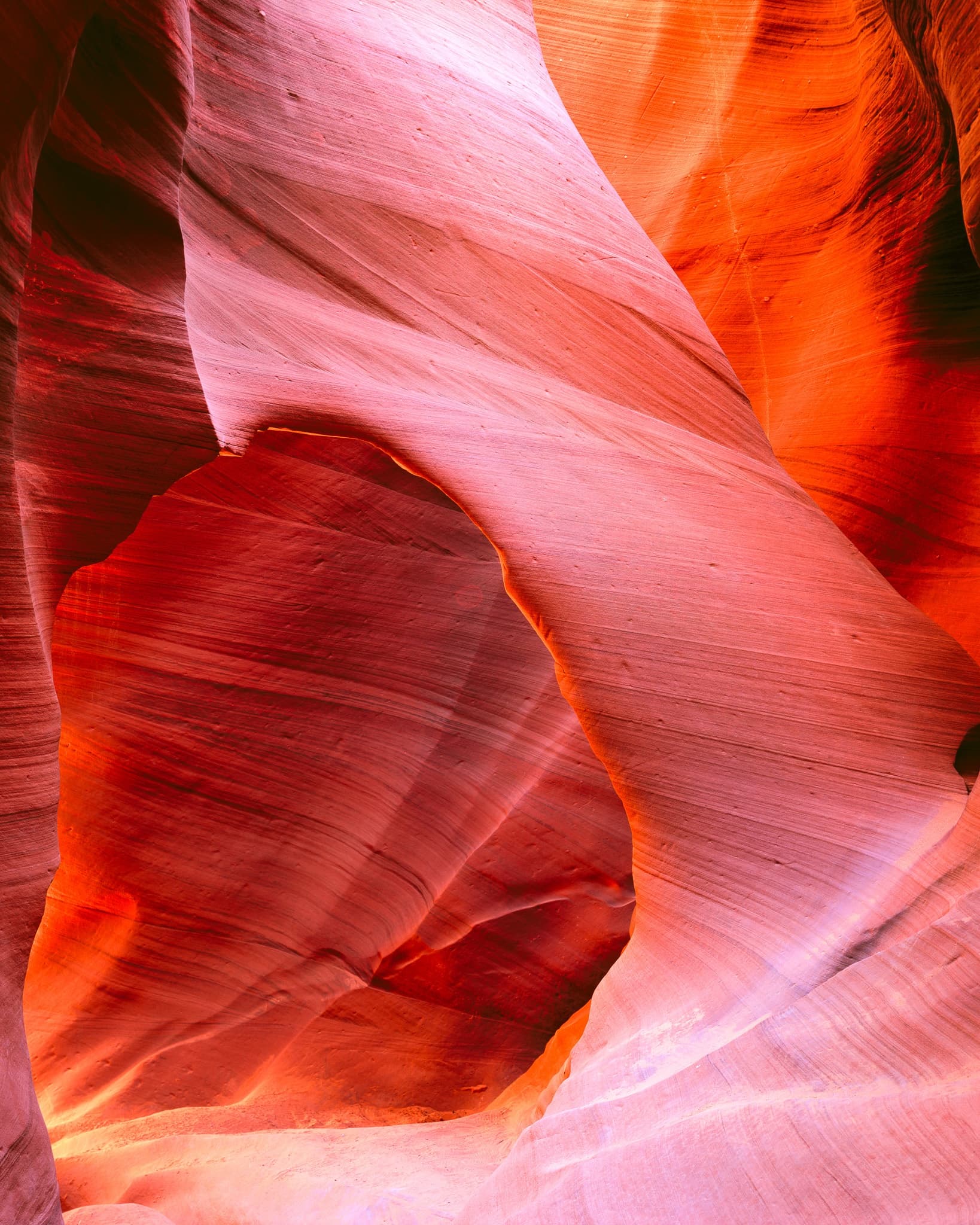
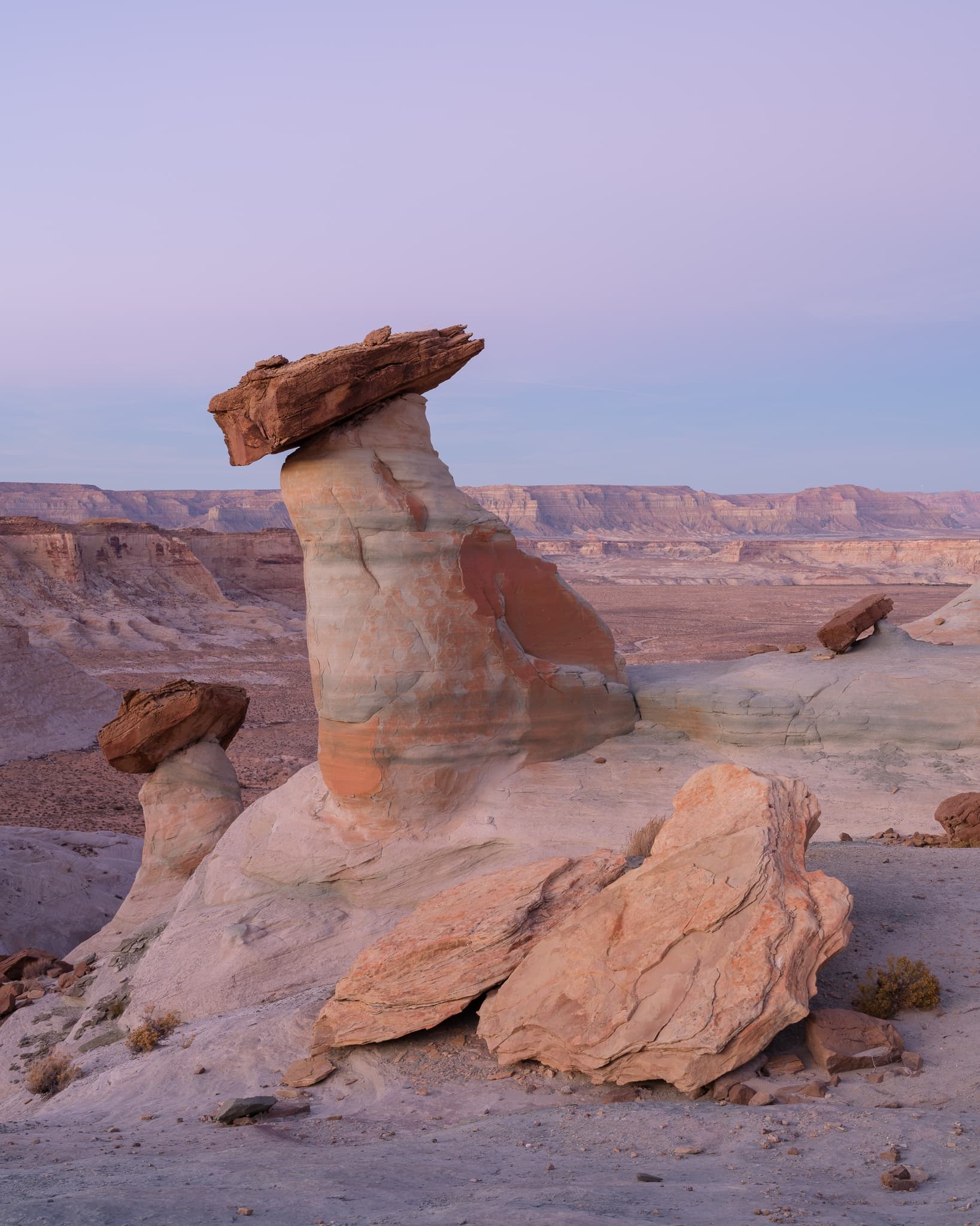
Arizona Fine Art Prints
Museum-quality prints from decades of photographing Arizona's deserts, canyons, and mountain landscapes. Each image captures a specific moment of light and atmosphere.
Explore Related Guides & Galleries
Dive deeper into specific Arizona locations or explore neighboring states.
Frequently Asked Questions
What's the single best photography location in Arizona?
Impossible to answer definitively—it depends on what you're after. For sheer iconic impact, the Grand Canyon. For unique geology, The Wave or Antelope Canyon. For distinctly Arizona imagery, Saguaro National Park at sunset. For a combination of everything, a northern Arizona road trip hitting Sedona, the Grand Canyon, Page, and Monument Valley covers extraordinary range in one trip.
How do I get a permit for The Wave?
Apply via Recreation.gov for the online lottery 4 months before your intended visit date. There's also a day-before walk-in lottery at the Kanab BLM office. 64 total permits per day. The online lottery is competitive—apply for multiple dates to improve your odds. Weekdays in shoulder seasons (March-April, October-November) tend to be slightly less competitive.
Is it safe to photograph in Arizona during monsoon season?
Yes, with preparation. The storms create spectacular photography conditions—dramatic clouds, lightning, vivid light. The main dangers are flash floods (never enter slot canyons or narrow washes when storms are in the area), heat exhaustion, and lightning exposure on exposed ridges. Monitor weather forecasts, carry emergency supplies, and know the terrain. The reward is some of the most dramatic light Arizona offers.
What camera gear should I prioritize for an Arizona trip?
Wide angle lens (16-35mm) and a sturdy tripod are the two essentials. A polarizing filter dramatically improves desert skies and rock saturation. Beyond that, a standard zoom (24-70mm) and telephoto (70-200mm) cover virtually everything. Dust protection for your gear is critical—bring cleaning supplies and a protective bag for lens changes.
When should I visit Antelope Canyon for the light beams?
The famous light beams in Upper Antelope Canyon occur roughly between late March and early October, when the midday sun is high enough to shaft down through the narrow opening. Peak beam season is April through September, between approximately 11am and 1pm. Book a photography-specific tour for longer access and tripod allowance.
Do I need a 4WD vehicle for Arizona photography?
For most locations, no. Paved roads reach the Grand Canyon, Sedona, Saguaro National Park, and Petrified Forest. Antelope Canyon tours include transportation. However, White Pocket, Toroweap Overlook, and parts of the Vermilion Cliffs require high-clearance 4WD. Monument Valley's Valley Drive is unpaved but passable in most vehicles when dry. Rent a capable vehicle if those remote locations are on your list.
Bring Arizona Home
Museum-quality prints capturing Arizona's deserts, canyons, and iconic formations. Each print is individually produced and includes a certificate of authenticity.