
Protecting Your Life's Work: Photographer File Management
Your images are files on a hard drive. Hard drives fail. A photographer and enterprise IT storage veteran shares the backup strategy, storage setup, and organizational system that protects twenty-five years of work.
Your images are files on a hard drive. Hard drives fail. Plan accordingly.
I've spent over two decades working in enterprise IT storage. Data centers, server farms, the whole deal. I've watched drives fail in systems worth more than most houses. And I've had my own external drives die at home too.
So when I tell you that drive failure isn't a possibility but an eventuality, I'm not being dramatic. I've just seen it happen too many times.
The good news: when my personal drive failed a few years back, I didn't lose a single image. The bad news: I spent days pulling everything down from my cloud backup. No lost photos, just lost time. That's what a solid backup strategy buys you—the difference between an inconvenience and a disaster.
My library spans over twenty-five years now—digital files from my Fuji GFX 100s, scanned 4x5 negatives, and 35mm scans going back to 1999. All of it protected. Here's how.
The 3-2-1 Rule
Three numbers worth memorizing:
- 3 copies of your data
- 2 different types of storage media
- 1 copy offsite
A single backup isn't enough. If your computer and backup drive are sitting next to each other when a pipe bursts, you've lost both. The offsite piece—cloud backup, in my case—is what saves you from the truly catastrophic scenarios.
Lightroom Classic for Organization
Finding a specific image from 2008 shouldn't take an hour. Lightroom's organizational tools handle this, but only if you actually use them.
Flags and Stars
My system is simple. When reviewing images from a shoot, anything worth editing gets:
- Red color label
- 5-star rating
That's it. I have a Smart Collection that pulls every image in my entire library with that specific combination. When I sit down to edit, I go straight there instead of hunting through folders. Same system for scanned film—the flagging doesn't care whether the file came from a digital sensor or a drum scanner.
Keywords
Take the two minutes to add them during import. Location, subject, conditions, technical stuff like "panorama" or "long exposure." You won't regret it when a client asks for "that red rock Utah shot" and you find it in ten seconds.
Storage Setup
Your computer's internal drive should run your operating system and applications. That's it. Storing tens of thousands of RAW files on it is asking for trouble—slow performance, complicated backups, and a much bigger headache when (not if) you need to replace that machine.
External drives. Get comfortable with them.
What I Use
Two identical setups:
The IronWolf drives are designed for NAS systems that run 24/7. Overkill for a photo drive? Maybe. But they're built for continuous use and they've been reliable. I've had cheap desktop drives die on me. These haven't.
Why two identical setups? One is my working drive. The other is a mirror—an exact copy, updated every night. Both stay connected at all times. If my primary drive fails tomorrow morning, I just point Lightroom at the mirror and I'm working again in five minutes. Not five days. Five minutes.
Folder Structure
Nothing fancy:
Photos/
├── Locations/
│   ├── 2024-09-Utah-Canyonlands/
│   ├── 2024-08-Arizona-Monsoon/
│   └── ...
├── Film Scans/
│   ├── 4x5/
│   └── Medium Format/
└── Masters/
Locations = camera dumps from trips. RAW files, untouched.
Film Scans = scanned negatives, separate from digital.
Masters = final edited files. TIFFs, mostly. PSBs when the files get too large for TIFF. These are the important ones—the actual finished work.
Automated Mirroring
Manual backups don't happen. You'll tell yourself you'll do it this weekend. Then next weekend. Then it's been three months and your drives aren't synced and guess which one fails.
Automate it.
I use SuperDuper on my Mac. It runs every night while I sleep, copying only what's changed from my primary drive to the mirror. Smart updates, not full copies every time. It's been running reliably for years and I barely think about it anymore. Which is the point.
Time Machine Too
Separate drive, separate purpose. Time Machine backs up my Mac's internal drive—the operating system, applications, Lightroom catalog, preferences, all the stuff that makes my computer mine. If my Mac dies, I can restore to a new machine and pick up where I left off.
Between Time Machine and the mirrored photo drive, a total hardware failure becomes a bad day instead of a catastrophe.
Cloud Backup
Local backups handle hardware failure. Cloud backup handles everything else—theft, fire, flood, anything that takes out your whole office or home.
I use Backblaze. Have for years. About $99/year if you pay annually. It runs in the background, continuously uploading my computer and all connected drives. My entire 8TB+ library sits in the cloud.
One Thing to Know
When my drive failed and I had to restore from Backblaze, I was grateful it existed. But downloading 8TB takes a long time. Days, even with decent internet. It's not instant.
That's why the local mirror is your first line of defense—it gets you working immediately. Cloud backup is insurance for worst-case scenarios where both local copies are gone. Backblaze also offers a restore-by-mail option where they'll ship you a hard drive. For large libraries, that might actually be faster than downloading.
Actually Check Your Backups
A backup you've never verified isn't a backup. It's optimism.
I don't have a rigid schedule for this, probably should. But periodically I check that SuperDuper's logs show recent successful runs, browse the mirror drive, open a few random images to make sure they're not corrupted. Same with Backblaze's dashboard—quick look to confirm it's actually running.
Takes ten minutes. Worth it.
What This Costs
It's not that expensive:
One-time:
- 2x enclosures: ~$60
- 2x NAS drives: ~$300
- Time Machine drive: ~$80
- SuperDuper license: $28
Ongoing:
- Backblaze: ~$99/year
First year, all-in: around $570. After that, $99/year plus replacing drives every 3-4 years proactively (or sooner if one starts acting up).
Less than $10/month to protect twenty years of work. I've spent more on coffee.
The Point
Your photos can't be recreated. That trip to Canyonlands in perfect light, that 4x5 negative from a location that's now closed to the public, that lucky shot you'll never replicate—they exist as files on a drive, and drives fail.
I've seen it happen in data centers with redundant systems and teams of engineers. I've seen it happen on my own desk. The photographers who recover quickly all have one thing in common: they assumed it was coming and planned for it.
Takes a weekend to set up. Runs itself after that.
Questions about backup strategy? Reach out.
Gear in this post:
Explore Related Photography
Enjoyed this article?
Subscribe for more photography stories, techniques, and exclusive behind-the-scenes content.
Related Posts
Grand Canyon Photography Guide: Best Spots, Light & Timing
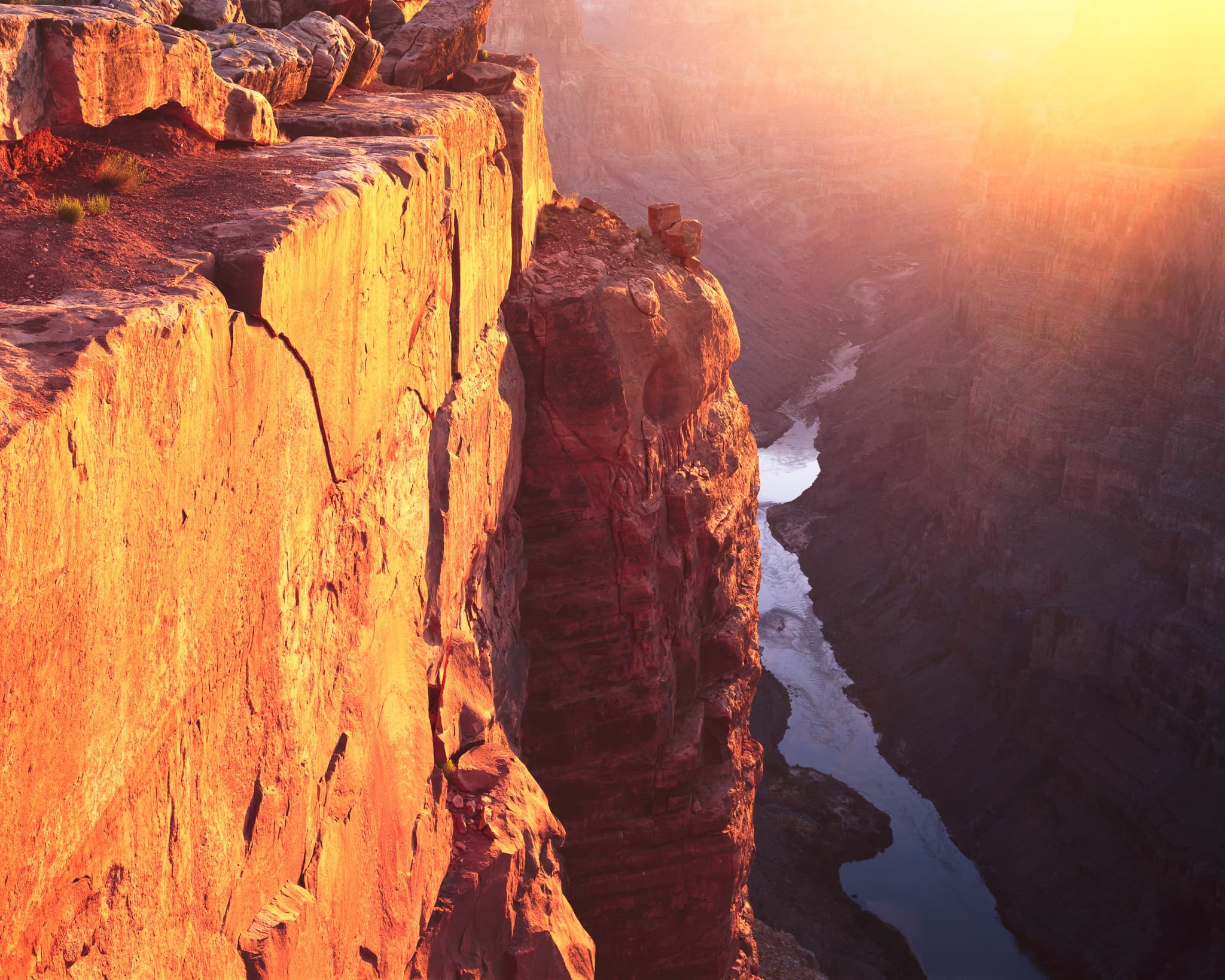
The famous south rim overlooks are worth making. But the Grand Canyon images I keep coming back to came from a remote western overlook that requires 60 miles of unpaved road to reach — and from the North Rim in October, when the crowds are gone and the canyon light gets serious.
Best Places to Photograph Snow-Covered Mountains in Winter
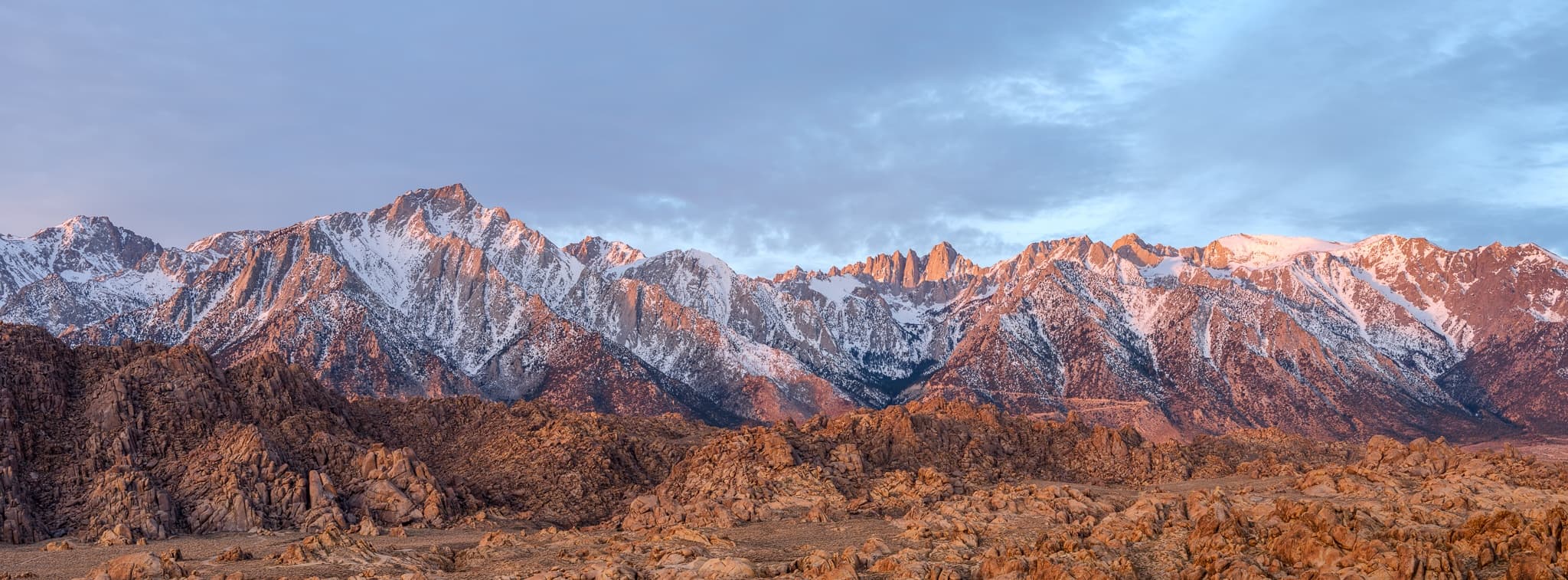
Winter transforms mountain landscapes in ways no other season can. Where to go, when to go, and what to expect — from Yosemite's granite walls under fresh snow to Zion's red canyon in a storm.
Analog Landscape Photography: Why Film Still Makes Sense in 2026
Most photographers who've tried 4x5 large format film don't go back to digital for their serious landscape work. Here's the honest case for shooting analog in an era when you have no practical reason to.
Tags
Marty Quinn
Large format film photographer based in Phoenix, Arizona. Shoots on 4x5 Arca-Swiss view cameras across the American Southwest — Utah, Arizona, Death Valley, and the Colorado mountains. 25+ years behind the lens. Published in Outdoor Photographer magazine (The Last Frame, June 2008). About Marty →