
Buying Fine Art Landscape Photography Prints: A Complete Guide
How to buy fine art landscape photography: evaluating image quality, choosing the right print size for your wall, understanding print media options, and what to ask before spending thousands.
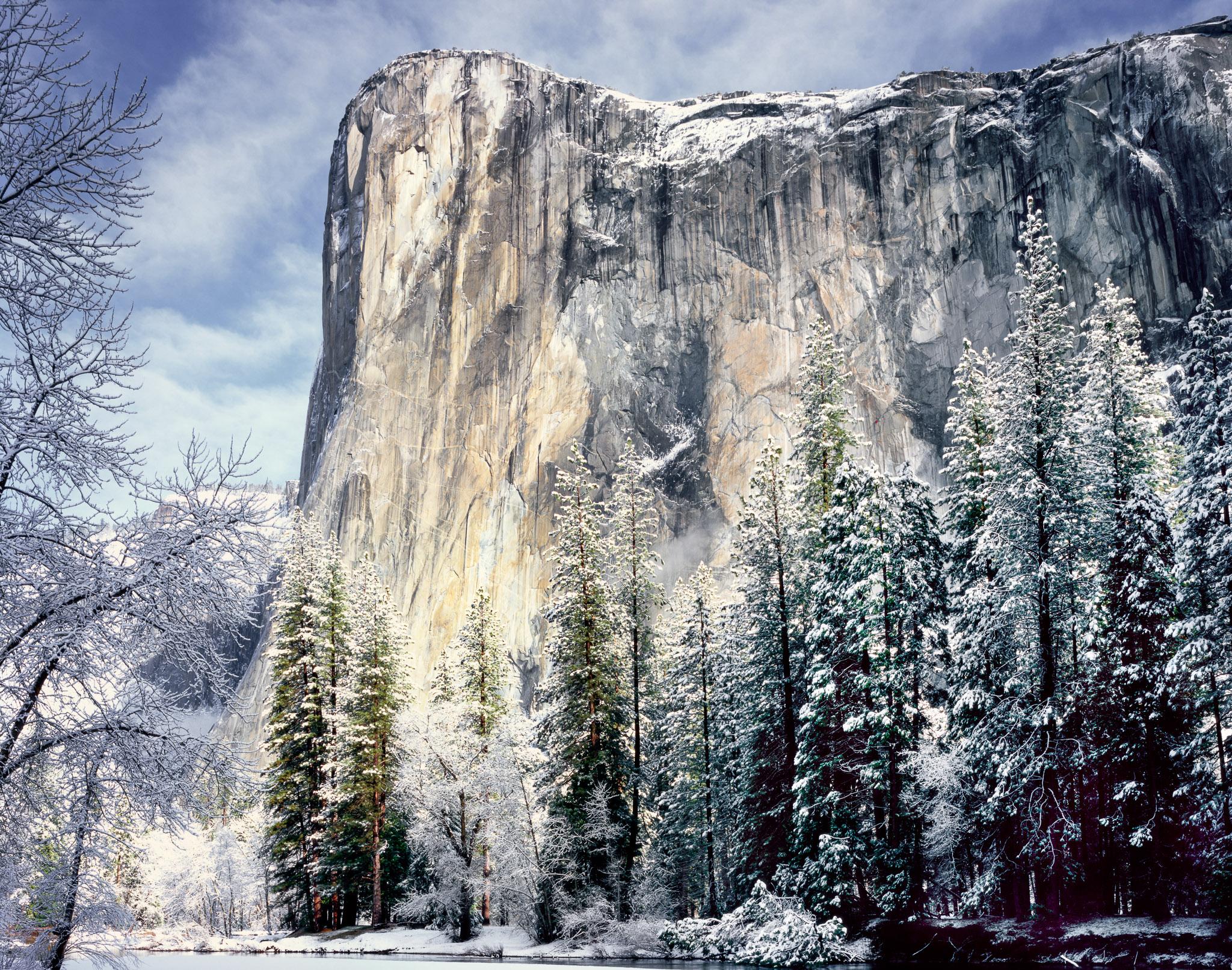
Purchasing fine art photography can feel overwhelming, especially for first-time buyers. With options ranging from small paper prints to room-sized acrylics, and prices spanning hundreds to thousands of dollars, how do you make an informed decision? This guide walks you through everything you need to know to buy with confidence.
What to Look for in Fine Art Photography
Not all photography prints are created equal. When evaluating fine art landscape photography, consider these key factors:
Image Quality and Sharpness
Fine art prints should be tack-sharp when viewed at the intended display distance. For large prints (30 inches and above), this requires images captured with professional equipment. Large format film cameras—like the 4x5 view cameras I use—capture extraordinary detail that holds up even at massive print sizes. Digital medium format cameras also produce exceptional results.
Ask the photographer about their capture process. Images shot on smartphones or consumer cameras simply cannot produce the detail needed for large fine art prints, regardless of how they're printed.
Print Materials and Archival Quality
Quality fine art prints use archival materials rated to last 100+ years:
- Archival pigment inks (not dye-based inks that fade quickly)
- Acid-free papers or substrates that won't yellow or deteriorate
- Professional print labs with calibrated equipment
Ask specifically about longevity ratings. Reputable photographers will know exactly what materials they use and their archival properties.
Edition Information
Limited editions protect your purchase value. When editions are capped (typically 50-200 prints), no additional prints can be made once the edition sells out. Open editions have no limit—the same image could be printed thousands of times.
For limited editions, ask:
- What is the total edition size?
- How many have already sold?
- Does the limit apply per size, or across all sizes?
Choosing the Right Size for Your Space
One of the most common mistakes buyers make is choosing a print that's too small for their wall. What looks impressive on a website often disappears when hung in a real space.
The Two-Thirds Rule
A well-proportioned artwork typically spans about two-thirds the width of the furniture below it. Above a 6-foot sofa, consider prints 48-60 inches wide. Above a 4-foot console, 30-40 inches works well.
Viewing Distance Matters
Consider how far back viewers will stand:
- Hallways: Smaller prints (16x20 to 24x30) work well in tight spaces
- Living rooms: Medium to large prints (30x40 to 40x60) can be appreciated from seating areas
- Large rooms, lobbies: Dramatic statement pieces (48x72 or larger) need space to breathe
Test Before Committing
Many photographers, including myself, offer virtual room mockups showing how a specific print looks in your actual space. This simple step prevents expensive sizing mistakes. Send a photo of your wall, and we can show you exactly how different sizes will appear.
For detailed room-by-room sizing formulas—living rooms, bedrooms, offices, commercial lobbies—see our print sizing guide for every room type.
Understanding Print Media Options
The substrate (what the image is printed on) dramatically affects both the look and price of fine art photography.
Fine Art Paper Prints
Best for: Traditional collectors, moderate budgets, flexible framing options
Price range: Most affordable option
Characteristics: Beautiful texture and tactile quality. Requires framing with UV-protective glass. Cotton rag papers offer the most archival longevity.
ChromaLuxe Metal Prints
Best for: Modern spaces, high-traffic areas, contemporary aesthetic
Price range: Mid-range
Characteristics: Dyes infused directly into coated aluminum create vibrant, saturated colors. Extremely durable and moisture-resistant. Ready to hang without framing. The metallic substrate adds luminosity to bright areas while maintaining deep blacks.
TruLife Acrylic (Lumachrome)
Best for: Gallery-quality presentation, statement pieces, serious collectors
Price range: Premium
Characteristics: Prints face-mounted behind optically clear acrylic with anti-reflective coating. Creates extraordinary depth and three-dimensional quality. The acrylic protects the print while enhancing colors. Often called "gallery-style" mounting.
Which Should You Choose?
Consider your space and preferences:
- Traditional home with classic decor → Fine art paper in quality frame
- Modern minimalist space → Metal print with float mount
- Dramatic focal point, gallery feel → TruLife acrylic
- High humidity (bathroom, kitchen adjacent) → Metal print
Questions to Ask Before Buying
Don't hesitate to contact the photographer directly. Legitimate fine art photographers welcome questions and want you to make an informed decision.
About the Image
- Where was this photograph taken?
- What equipment was used to capture it?
- Is this a limited edition? If so, what's the edition size?
- How many prints of this image have already sold?
About the Print
- What print lab do you use?
- What is the archival rating of the materials?
- Is a certificate of authenticity included?
- Can I see a mockup in my space before ordering?
About Delivery and Support
- How is the print shipped and packaged?
- What's your return policy if I'm not satisfied?
- Do you offer installation services or recommendations?
Red Flags to Watch For
While most photographers are reputable, protect yourself by watching for these warning signs:
- Vague material information: If a seller can't tell you exactly what papers, inks, and processes they use, the quality may be questionable.
- No certificate of authenticity: Legitimate limited editions always include documentation.
- Prices too good to be true: Quality archival prints cost money to produce. Extremely low prices suggest inferior materials or mass production.
- No contact information: Reputable photographers are accessible and happy to answer questions.
- Stock-looking images: Generic landscapes available everywhere aren't fine art—they're commodity prints.
Where to Buy Fine Art Photography
Directly from Photographers
Buying directly offers several advantages:
- Often the best pricing (no gallery markup)
- Direct relationship with the artist
- Ability to ask detailed questions
- Custom sizing and personalization options
Through Galleries
Gallery representation indicates the artist has met professional standards. Galleries offer:
- Curated selection of quality work
- In-person viewing opportunities
- Expert guidance and art advisory services
- Sometimes financing options for larger purchases
What to Avoid
Mass-market retailers selling "fine art" prints typically offer low-quality reproductions on inferior materials. These may look acceptable initially but fade, yellow, or deteriorate within years. For artwork you'll enjoy for decades, invest in quality from the start.
Tips for First-Time Buyers
- Start with what moves you. The best art purchases are emotional connections, not just decorating decisions.
- Measure your wall first. Know your dimensions before shopping.
- Consider the room's lighting. Some prints perform better in bright spaces, others in controlled lighting.
- Request a mockup. Seeing the print in your actual space eliminates guesswork.
- Don't rush. Quality art is a considered purchase, not an impulse buy.
- Ask questions. Good photographers welcome inquiries from interested buyers.
- Buy the size you want, not the size that's cheapest. You'll regret going smaller.
Ready to Find Your Perfect Print?
Buying fine art photography should be enjoyable, not stressful. Armed with the knowledge in this guide, you can confidently evaluate quality, choose the right size, and ask the questions that matter.
If you have questions about any prints in my collection, I'm always happy to help. Whether you need sizing advice, want to see a room mockup, or just want to learn more about an image's story, reach out anytime.
Interested in the investment side of art collecting? Our investment-grade photography guide covers limited editions, archival materials, and building a collection that holds value. You can also explore our investment page for details on edition sizes and market context.
Browse the complete gallery to find landscape photography that speaks to you.
Explore Related Photography
Enjoyed this article?
Subscribe for more photography stories, techniques, and exclusive behind-the-scenes content.
Related Posts
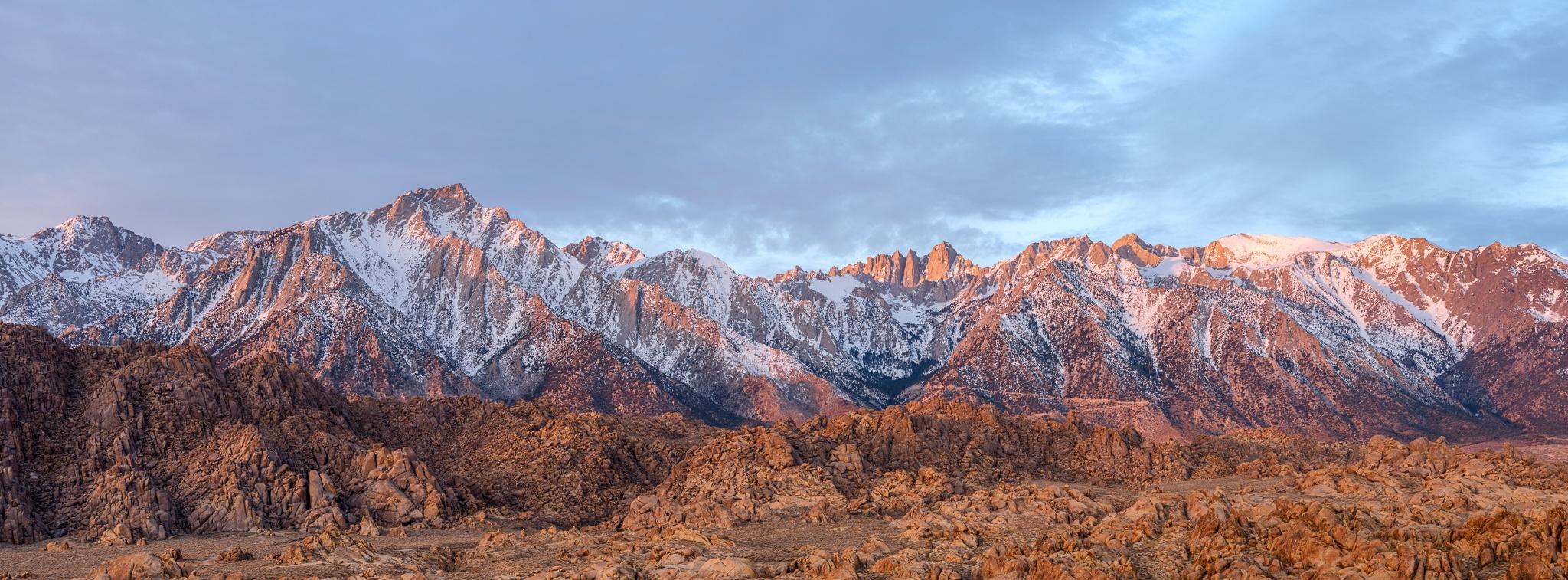
Best Places to Photograph Snow-Covered Mountains in Winter
Winter transforms mountain landscapes in ways no other season can. Where to go, when to go, and what to expect — from Yosemite's granite walls under fresh snow to Zion's red canyon in a storm.
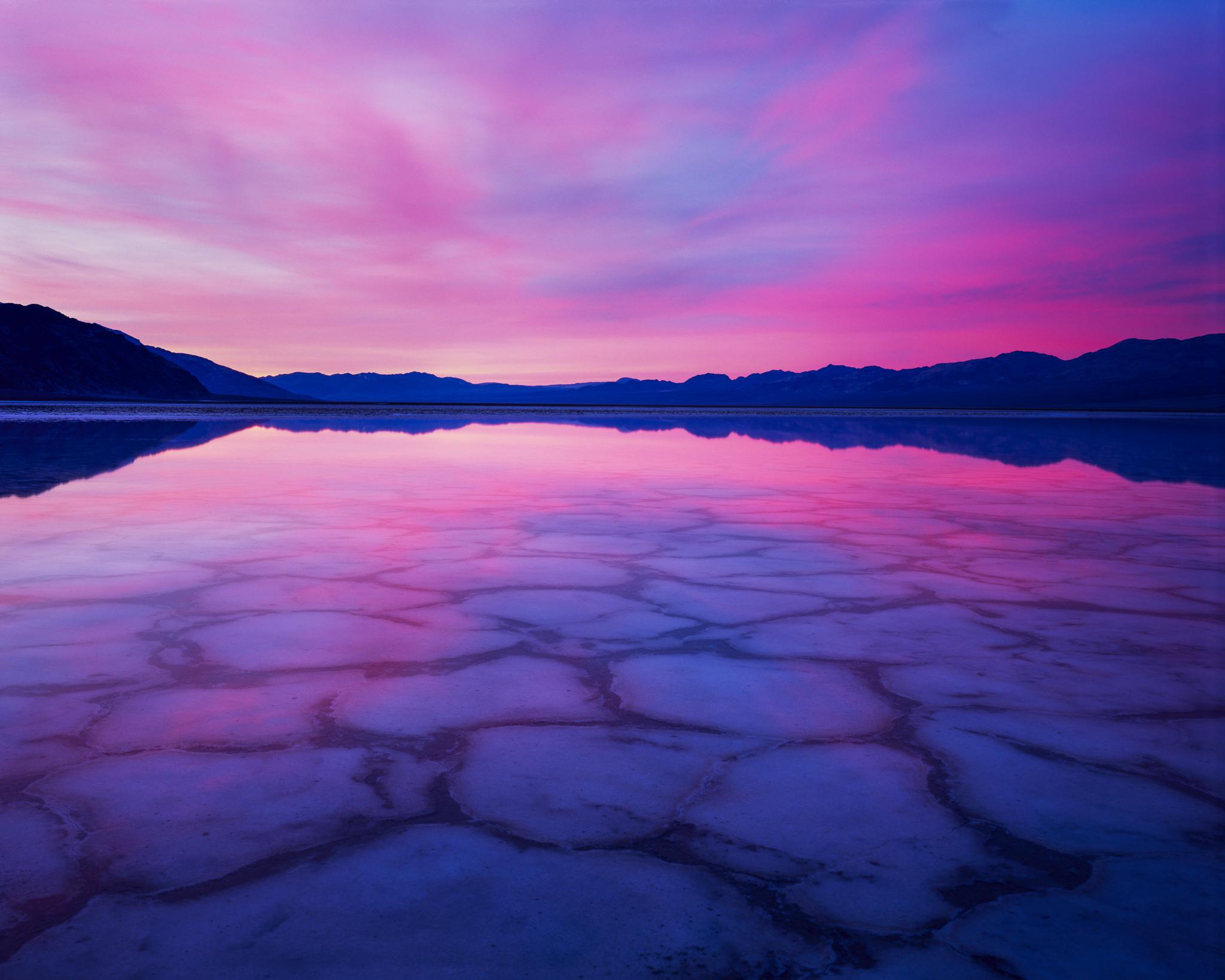
Analog Landscape Photography: Why Film Still Makes Sense in 2026
Most photographers who've tried 4x5 large format film don't go back to digital for their serious landscape work. Here's the honest case for shooting analog in an era when you have no practical reason to.
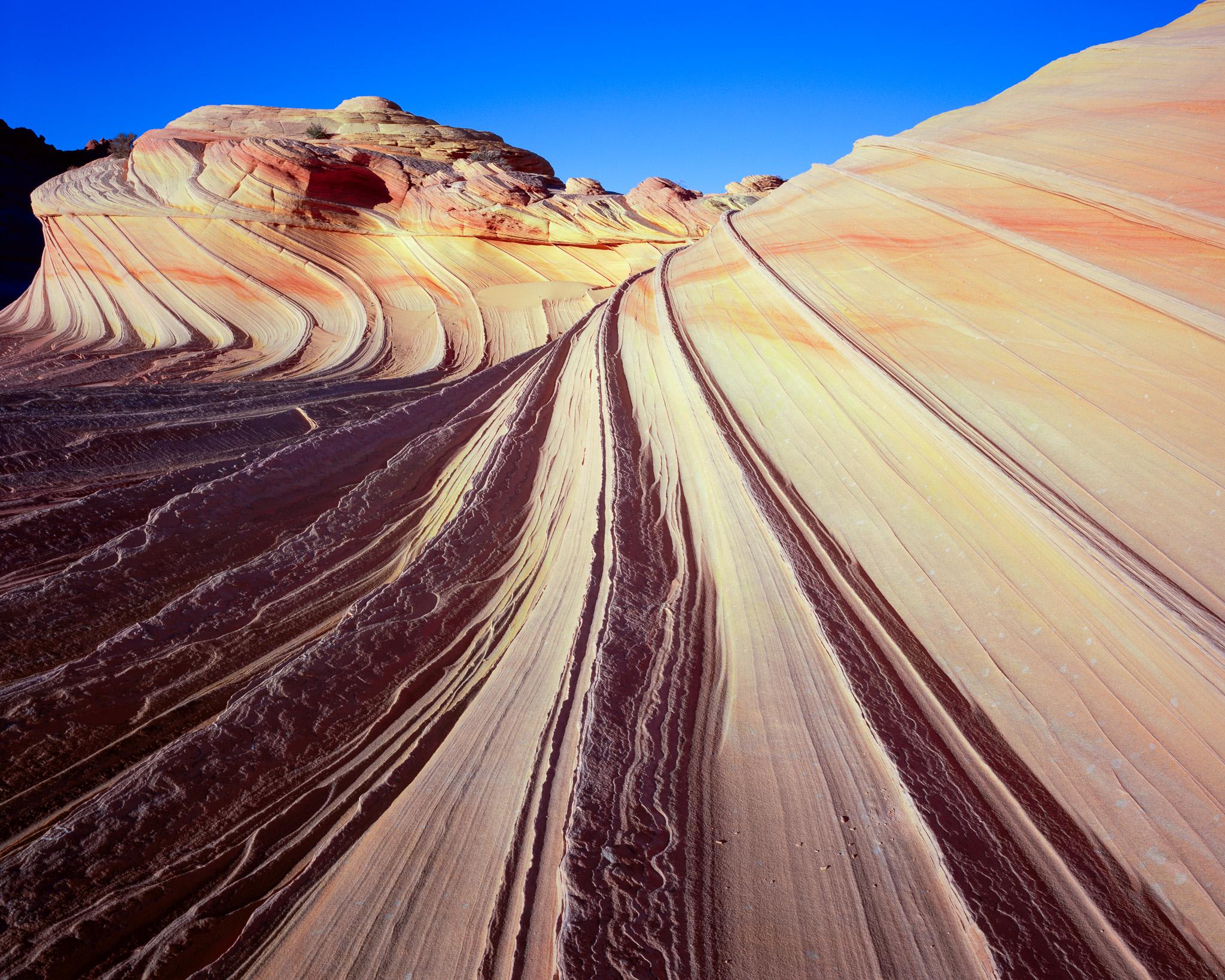
Limited Edition Landscape Prints for Sale: Southwest Fine Art Photography
A look at what makes a limited edition landscape print worth owning — how editions work, what media options hold up over decades, and which prints from the American Southwest collection are still available.
Tags
Marty Quinn
Large format film photographer based in Phoenix, Arizona. Shoots on 4x5 Arca-Swiss view cameras across the American Southwest — Utah, Arizona, Death Valley, and the Colorado mountains. 25+ years behind the lens. Published in Outdoor Photographer magazine (The Last Frame, June 2008). About Marty →